Picture a quiet afternoon, perhaps while tending to a home garden or simply reflecting on personal health goals. There’s a growing awareness about integrating natural compounds into daily wellness routines, moving beyond synthetic options towards nature’s profound offerings. For many, this journey involves exploring the less-understood yet powerful aspects of fungi, specifically those celebrated in traditional practices for centuries. It’s here that the complex, hidden network of turkey tail mushroom mycelium emerges as a subject of intense scientific interest and practical application. This guide aims to demystify this powerful component, exploring its unique properties, proven health benefits, and practical considerations for its incorporation into a balanced lifestyle, ensuring you understand its full potential.
Understanding Turkey Tail Mushroom Mycelium
What is Turkey Tail Mycelium?
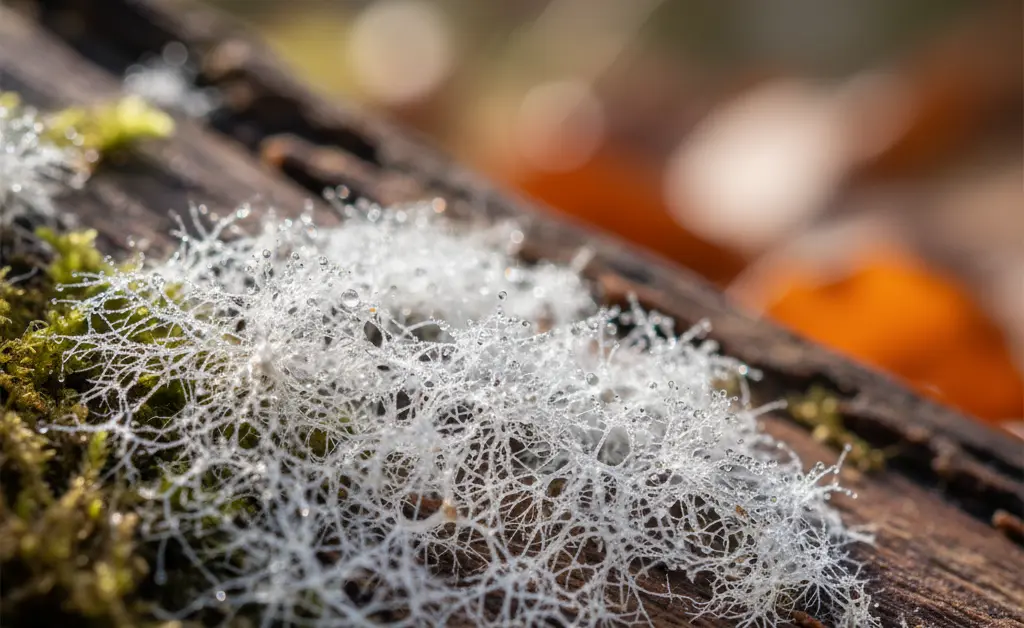
Beneath the forest floor, a vast, intricate network of fungal threads operates unseen, forming what is known as mycelium. This subterranean structure represents the vegetative part of a fungus, acting as its root system, absorbing nutrients from its environment. In the context of the turkey tail mushroom, scientifically known as Coriolus versicolor or Trametes versicolor, its mycelium is a dense web of hyphae that permeates wood and other organic matter. This complex network is responsible for breaking down decaying material and transferring nutrients, a process vital for ecological balance. Understanding this foundational structure is key to appreciating the unique properties of turkey tail mushroom mycelium itself.
Key Characteristics of Mycelial Biomass
Mycelial biomass refers to the entire fungal mass, including the hyphae, produced during the cultivation of the fungus. For turkey tail, this biomass is particularly rich in bioactive compounds. Unlike the fruiting body, which is the visible mushroom cap, the mycelium is cultivated on a substrate, such as grains, absorbing and transforming the nutrients present. The fruiting body is distinct from the mycelium, which is the vegetative part of the fungus, and plays a role in producing turkey tail mushroom spores for reproduction. This process results in a distinct biochemical profile, often including a higher concentration of certain polysaccharides and other metabolites. Key characteristics of this biomass include its rich content of polysaccharides like Beta-glucans, which are known for their potential immunomodulating effects. Additionally, the mycelium is a source of specialized protein-bound polysaccharides, notably PSK (Polysaccharide K) and PSP (Polysaccharopeptide), which have been subjects of significant scientific context and research, particularly in the realm of functional mushrooms and their health implications. The extensive network of hyphae allows for efficient nutrient absorption and the synthesis of a wide array of beneficial compounds.
Health Benefits of Turkey Tail Mycelium
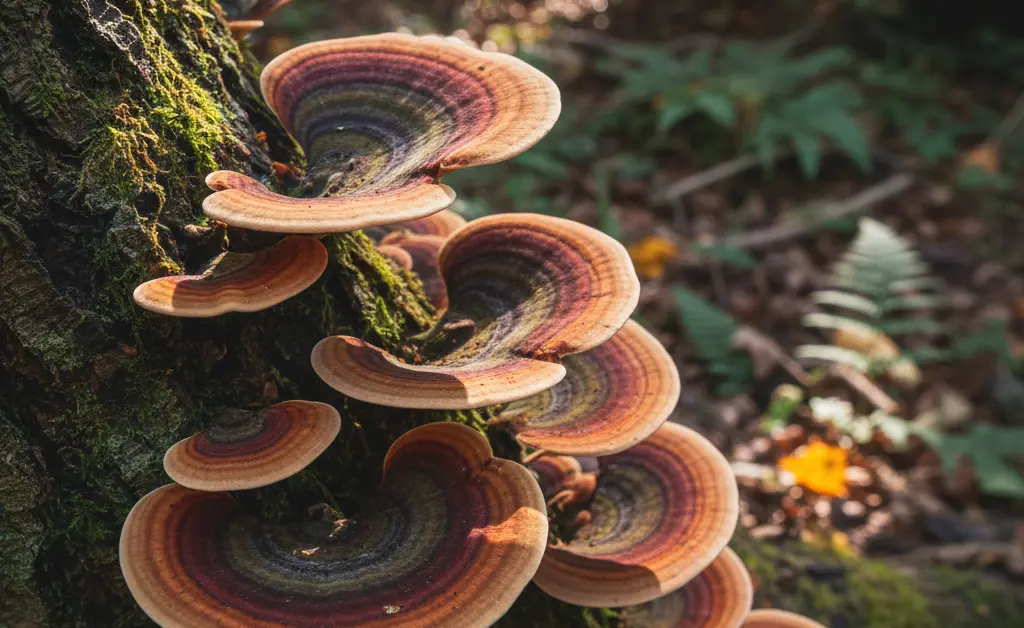
The intricate composition of turkey tail mushroom mycelium contributes to a spectrum of potential health benefits, largely attributed to its unique array of bioactive compounds. This functional fungi has long been revered in traditional medicine systems across Asia, where its properties have been utilized for centuries to support overall well-being. Its widespread use in these regions highlights the ancient turkey tail mushroom origin and its revered status. Modern scientific inquiry continues to explore and validate these traditional uses, focusing on specific mechanisms of action within the body.
One of the most extensively studied aspects of turkey tail mushroom mycelium is its profound effect on overall immune system support. The presence of powerful Beta-glucans and the unique Polysaccharopeptides (PSP and PSK) within the mycelium acts as potent immunomodulators. These compounds may help to prime a nonspecific immune response, enhancing the body’s natural defenses and contributing to a balanced and robust immune health. This adaptogen-like quality helps the body respond more effectively to various stressors and maintain homeostatic balance.
Beyond immune modulation, research also highlights the role of turkey tail mushroom mycelium in supporting gut microbiome and digestive health. Certain components act as prebiotics, fostering the growth of beneficial gut bacteria. A healthy gut microbiome is intrinsically linked to broader health, including immune function and nutrient absorption, underscoring the holistic benefits this mycelium may offer. Furthermore, the mycelium exhibits significant antioxidant properties, helping to combat oxidative stress and protect cells from damage caused by free radicals.
While research is ongoing, some studies also indicate potential benefits for women, particularly in areas related to immune and hormonal balance, although more specific investigations are needed. The complex interplay of its bioactive constituents makes turkey tail mushroom mycelium a fascinating subject for continued exploration into its diverse therapeutic applications.
Sourcing, Forms, and Incorporation of Turkey Tail Mycelium
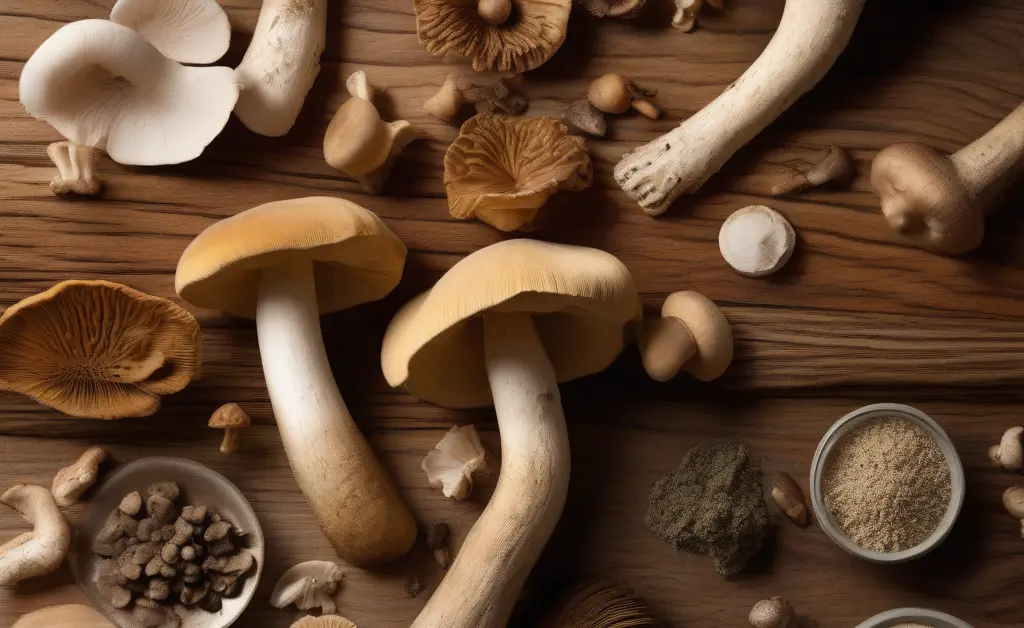
When considering the integration of turkey tail mushroom mycelium into a wellness routine, understanding how to source quality products and the various forms available is crucial. The efficacy and safety of any supplement often depend on its origin and processing.
Identifying Quality Mycelium Products
The market for functional mushroom supplements has expanded significantly, making it essential to be discerning about product quality. For turkey tail mushroom mycelium, look for products from reputable brands that prioritize transparency in their cultivation and processing. Quality products often specify that they use 100% pure mycelial biomass, grown on organic substrates. Verification by third-party testing for purity and potency, ensuring the absence of contaminants and the presence of key bioactive compounds like Polysaccharides, Beta-glucans, PSK, and PSP, is an important indicator. Consumers can consult resources like the FDA for guidance on dietary supplements and product safety. Be mindful of products that may contain fillers or undisclosed ingredients. Understanding the differences between mycelial biomass and extracts derived from the fruiting body is also important, as each offers unique nutritional and active compound variations with implications for supplement efficacy and bioavailability and absorption. The visible fruiting body can vary in turkey tail mushroom size depending on environmental factors.
Integrating Turkey Tail Mycelium into Your Routine
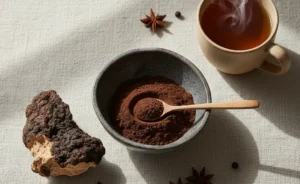
Turkey tail mushroom mycelium is available in several convenient forms, allowing for flexible incorporation into daily life. The most common forms include powders, capsules, and liquid tinctures. Powders can be easily mixed into smoothies, coffee, tea, or even savory dishes, offering a versatile way to consume the biomass. Capsules provide a pre-measured, convenient option for those seeking simplicity. Tinctures, often alcohol or glycerin-based extracts, offer a concentrated form that can be added to beverages or taken directly. While specific recommended dosage guidelines are generally provided by manufacturers, it is always wise to begin with a smaller amount and observe your body’s response, making adjustments as needed. It is also advisable to consider potential side effects and interactions, particularly if you are taking other medications or have underlying health conditions. Consulting a qualified health professional for personalized advice is always recommended.
Turkey Tail Mycelium for Pets
The potential health benefits of turkey tail mushroom mycelium are not limited to humans; many pet owners are exploring its use for their animal companions. Similar to humans, the immune-modulating and antioxidant properties of the mycelium may offer support for pets’ overall well-being, particularly in areas of immune health and general vitality. Products specifically formulated for pets are available, often in powder or liquid forms that can be easily added to food. As with human use, it is paramount to source high-quality products from reputable brands. Before introducing any new supplement, including turkey tail mushroom mycelium, into your pet’s routine, it is strongly recommended to consult with a veterinarian to ensure it is appropriate for your pet’s specific health needs and to determine suitable incorporation strategies.
The journey into understanding turkey tail mushroom mycelium reveals a fascinating world of natural compounds with diverse potential. From its foundational role as a subterranean network to its recognition as a significant functional mushroom, the science continues to uncover its multifaceted contributions to wellness. By understanding its characteristics, benefits, and thoughtful integration, individuals can make informed choices about incorporating this remarkable fungal component into their pursuit of a balanced and health-conscious lifestyle. As research evolves, the full scope of turkey tail mycelium’s impact on health and vitality continues to expand, affirming its place as a valuable natural ally.
The content provided in this article is intended for informational learning, not clinical application. This information should not be used as a substitute for professional medical advice, diagnosis, or treatment. Always seek the advice of a qualified healthcare provider for any health concerns or before making any decisions related to your health or treatment. Never disregard professional medical advice or delay in seeking it because of something you have read in this article.
FAQ
— Is turkey tail mycelium effective for immune support?
Turkey tail mycelium is known for its rich content of polysaccharides, particularly beta-glucans. These complex carbohydrates are understood to interact with immune cells, supporting a balanced and robust immune response within the body. Research indicates its relevance to maintaining immune system function.
— What are the specific benefits of turkey tail mushroom mycelium for gut health?
The unique compounds found in turkey tail mushroom mycelium are linked to supporting a healthy gut environment. These constituents can act as prebiotics, nourishing beneficial bacteria within the gut microbiome. A balanced microbiome is essential for overall digestive wellness.
— How does turkey tail mycelium differ from the fruiting body?
The mycelium is the root-like network of the fungus, growing beneath the surface or within a substrate, whereas the fruiting body is the visible, reproductive structure, like the actual mushroom cap. While both parts contain beneficial compounds, their specific compositions and concentrations can differ based on growth conditions and strain. Many studies have focused on the unique properties of the turkey tail mushroom mycelium itself, particularly when grown on grain substrates.
— What forms of turkey tail mycelium products are available?
Products derived from turkey tail mycelium are commonly found as powdered extracts, which can be incorporated into beverages or foods. These extracts are also often processed into capsules for convenient consumption. Some forms might include liquid tinctures, offering different methods of delivery.
— Are there any side effects of taking turkey tail mycelium?
Turkey tail mycelium is generally considered well-tolerated by most individuals. However, like with many natural substances, some individuals might experience mild digestive upset, such as bloating or gas, especially when first introduced. It’s always advisable to be aware of personal sensitivities.