In today’s fast-paced world, many individuals are constantly seeking effective ways to support their health, often turning to natural remedies. However, navigating the vast array of supplements and understanding their true impact and scientific backing can be a significant challenge. It’s common to feel overwhelmed by conflicting information or to wonder which natural compounds genuinely offer proven benefits beyond anecdotal accounts. This quest for credible health solutions often leads people to explore traditions where specific natural substances have been deeply integrated and rigorously studied. This article aims to shed light on how the turkey tail mushroom japan has been embraced, researched, and utilized within its healthcare system, moving beyond mere folk remedy to a recognized therapeutic agent, and exploring the extensive research that underpins its applications.
Understanding Turkey Tail Mushroom in Japan
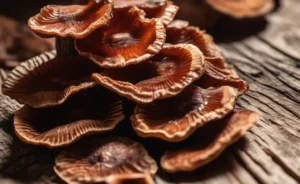
The turkey tail mushroom, known scientifically as Trametes versicolor or Coriolus versicolor, is a common fungus found worldwide, easily recognizable by its vibrant, concentric rings that resemble a turkey’s tail. While indigenous to many regions, its significance has been particularly profound in East Asian traditions, especially in Japan. For centuries, this fungus has been a staple in traditional medicine systems, valued for its purported health-supporting properties. The formal recognition and integration of turkey tail mushroom in Japan into modern healthcare practices mark a crucial evolution from its historical roots as a folk remedy to a subject of rigorous scientific investigation and clinical application.
Historical Integration into Japanese Healthcare
The journey of turkey tail mushroom from traditional folklore to an integral part of the Japanese healthcare system is compelling. Historically, various forms of traditional medicine, including Kampo, which is the Japanese adaptation of traditional Chinese medicine, have utilized medicinal mushrooms. The turkey tail mushroom, or kawaratake as it is known in Japan, was traditionally brewed into teas and used to support overall wellness. This long history of use laid the groundwork for modern scientific inquiry, reflecting the evolving turkey tail mushroom use in Japan. As the 20th century progressed, Japanese researchers began to investigate the compounds within the fungus, leading to a deeper understanding of its potential benefits and ultimately paving the way for its integration into more formalized medical contexts and as a dietary supplement. This blend of ancient wisdom and contemporary science showcases Japan’s unique approach to natural health solutions.
What is Turkey Tail Mushroom Used For in Japan?

In Japan, the turkey tail mushroom is not merely a traditional herbal remedy but a subject of considerable scientific interest, particularly for its potential in modulating immune responses. The focus of its use within the Japanese healthcare system often centers on its capacity as an immune modulator, aimed at supporting the body’s natural defenses. The compounds within the turkey tail mushroom japan, specifically polysaccharides and beta-glucans, have been studied extensively for their impact on various immune cells and pathways. Further investigation has clarified the specific turkey tail mushroom benefits in Japan, particularly in immune support. These properties suggest that the mushroom may act as a nonspecific immune modulation agent, helping to balance and optimize immune function rather than directly targeting pathogens. This nuanced understanding has allowed for its incorporation into supportive health regimens, reflecting a broader Japanese interest in holistic health strategies.
Krestin (PSK) as a Recognized Therapeutic Agent
One of the most significant developments in the recognition of turkey tail mushroom’s potential in Japan is the isolation and clinical application of Krestin, also known as Polysaccharopeptide K (PSK). PSK is a protein-bound polysaccharide extracted from Coriolus versicolor. Its development and subsequent approval in Japan as a recognized therapeutic agent in the 1970s marked a pivotal moment. PSK is one of the most thoroughly researched medicinal mushroom extracts globally, with its clinical use primarily focused on supporting patients undergoing conventional treatments. Its mechanisms of immune modulation have been a key area of study, demonstrating how it interacts with the immune system to potentially enhance various cellular functions. The availability and widespread clinical use of Krestin underscore the deep trust and scientific investment that the Japanese healthcare system has placed in this powerful medicinal extract.
Decades of Research and Clinical Use in Japan
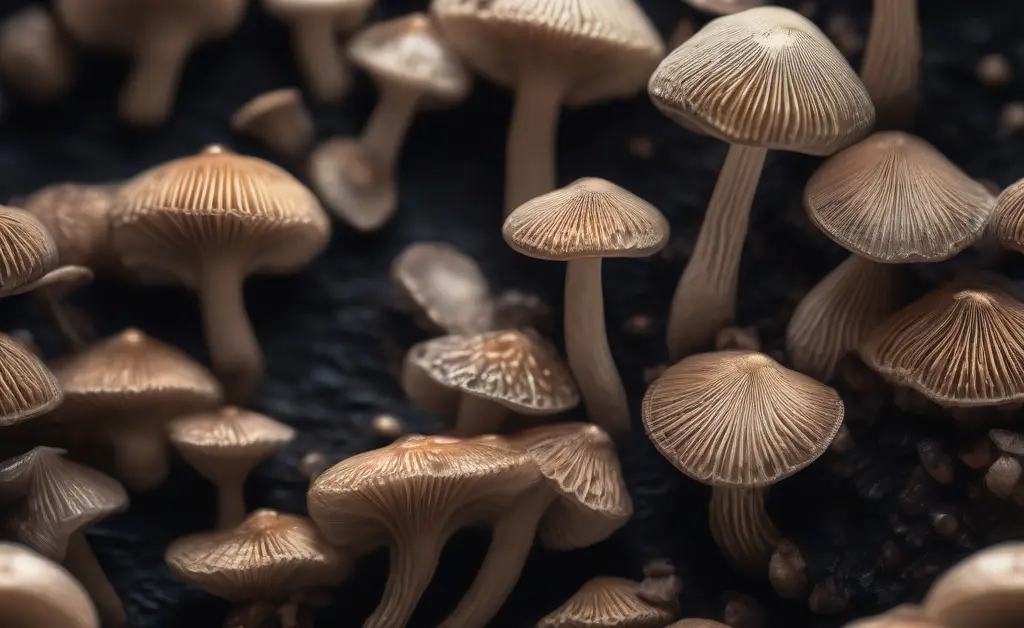
The commitment of Japan to understanding and utilizing the turkey tail mushroom extends back decades, with a significant body of research and clinical experience accumulating over time. This sustained effort has cemented the mushroom’s reputation not just as a folk remedy, but as a subject of serious scientific inquiry within the Japanese healthcare system. Researchers have meticulously investigated the complex compounds found within the fungus, such as Polysaccharides and Beta-glucans, to elucidate their biological activities. The long history of studies exploring its properties as an immune modulator highlights the proactive approach taken by the scientific community to integrate natural substances with evidence-based medicine, making the turkey tail mushroom japan a prominent example of this synthesis.
Japanese Studies and Clinical Experience
Numerous Japanese studies have explored the effects of turkey tail mushroom extracts, particularly PSK, in various health contexts. These investigations have spanned multiple research areas, delving into the precise mechanisms by which PSK interacts with the immune system. Clinical experience in Japan has provided invaluable insights into its real-world application, often showing how it may help support general well-being. These studies often focus on understanding the pathways through which polysaccharopeptide K influences immune cell activity, thereby contributing to a better understanding of its overall impact. For general health guidance and advice, individuals should always consult reputable sources like the NHS. The extensive Japanese research and clinical experience offer a robust foundation for comprehending the roles and applications of turkey tail mushroom extracts in modern healthcare.
The journey of turkey tail mushroom in Japan exemplifies a successful integration of traditional wisdom with modern scientific rigor. From its historical roots in Kampo and traditional medicine to the development of highly researched compounds like PSK, the mushroom has earned its place within the Japanese healthcare system as a valuable subject of study and clinical application. The emphasis on research and the accumulation of decades of clinical experience highlight Japan’s commitment to exploring natural substances for their potential health-supporting properties, particularly in the realm of immune modulation. This rich history and ongoing scientific interest continue to position the turkey tail mushroom as a significant entity in the landscape of natural health solutions.
The purpose of this content is to educate, not to diagnose or treat. This information is intended for general knowledge and informational purposes only, and does not constitute medical advice. Always seek the advice of a qualified healthcare professional for any health concerns or before making any decisions related to your health or treatment. Individual results may vary, and the efficacy of natural remedies can depend on numerous factors.
FAQ
What is Krestin and its connection to Japan?
Krestin is a specific polysaccharide compound extracted from the *Trametes versicolor* mushroom. This compound was originally developed and extensively researched in Japan. Its connection lies in being a product of Japanese scientific inquiry into natural compounds for health support.
Is PSK approved for medical use in Japan?
Yes, PSK, which is the key active component of Krestin, has been approved in Japan as an adjunctive prescription medication. It is utilized alongside conventional therapies to support specific health objectives. This approval reflects its established role within certain medical contexts in the country.
What are the immune benefits of Krestin in Japan?
Krestin is known for its significant immunomodulatory properties, playing a role in supporting the body’s natural immune responses. It is relevant to cellular immunity, assisting in the balance and function of various immune cells. Studies in Japan have focused on these particular mechanisms.
For how long has Krestin been utilized in Japan?
The utilization of Krestin in Japan for health support dates back several decades, with significant research and clinical application commencing in the 1970s. This long history highlights its integration into specific healthcare practices. The turkey tail mushroom Japan has extensively studied and developed for such applications reflects a long-standing commitment to functional compounds.