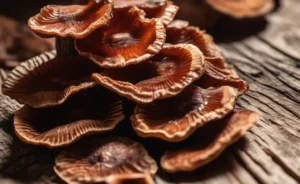
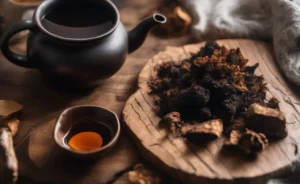
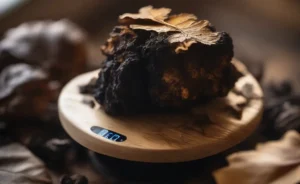
Turkey tail mushroom, often recognized by its vibrant, concentric rings reminiscent of a turkey’s fanned tail, is a fascinating fungus commonly found on decaying wood in forests globally. Beyond its striking appearance, it has been revered in traditional medicine for centuries, particularly in Asian cultures, as a powerful natural ingredient thought to support overall well-being. Modern scientific inquiry has begun to unravel the complex compounds within this mushroom, identifying polysaccharides like PSK (Krestin) and PSP that are believed to contribute to its purported health effects. This growing body of research, especially prominent in Japan, seeks to understand the specific turkey tail mushroom benefits Japan has championed for decades, exploring its applications ranging from immune system support to complementary health strategies. This article delves into the Japanese perspective, research, and utilization of this remarkable mycological specimen.
Turkey Tail Mushroom Benefits in Japan: An Overview
The historical turkey tail mushroom use in Japan underscores its long-standing cultural significance. In Japan, the Coriolus versicolor mushroom, commonly known as turkey tail, has a long history of traditional use and has also become a subject of extensive modern scientific interest. The understanding and application of turkey tail mushroom benefits Japan has cultivated over generations are deeply rooted in its perceived ability to support the body’s natural defenses. This medicinal mushroom is widely recognized for containing bioactive compounds, primarily polysaccharide-K (PSK) and polysaccharopeptide (PSP), which are thought to be responsible for many of its health-promoting attributes. These compounds are studied for their potential to act as immune modulators, influencing various aspects of the immune system and contributing to overall well-being. The Japanese perspective often views turkey tail not as a singular remedy, but as a valuable component within a broader health strategy aimed at maintaining physiological balance and resilience.
What is Turkey Tail Mushroom Used For in Japan?
Historically, turkey tail mushroom has been integrated into Japanese traditional practices for its general health-supporting qualities. In contemporary Japan, its uses have evolved, with a significant focus on its role in immune health. Beyond traditional reverence, modern applications have centered on utilizing its extracts as a complementary approach to various health challenges. The specific turkey tail mushroom benefits Japan seeks to harness often revolve around promoting a robust immune response and supporting general vitality. It is often incorporated into daily health regimens by individuals seeking to enhance their immune system and maintain overall wellness. The rich history of its use, combined with ongoing research, solidifies its position as a valued component in Japanese health practices.
Turkey Tail Mushroom’s Role in Traditional and Modern Japanese Health
The turkey tail mushroom holds a unique and esteemed position in both traditional and modern Japanese health paradigms. In traditional Japanese medicine, particularly Kampo medicine, the mushroom was valued for its adaptogenic properties, believed to help the body maintain balance and cope with various stressors. Its traditional use was broad, encompassing general tonics and remedies for various ailments. As scientific understanding advanced, the focus shifted towards identifying the specific compounds responsible for these perceived benefits. Today, the evolution of turkey tail mushroom benefits Japan has recognized is significant. It has transitioned from a traditional folk remedy to a highly researched and regulated natural product, especially with the isolation and study of Polysaccharide-K (PSK). This modern approach integrates scientific rigor with centuries of traditional wisdom, showcasing a blend of cultural adoption and evidence-based exploration.
Krestin (PSK): The Japanese Standard for Turkey Tail Extract
Krestin, also known as Polysaccharide-K (PSK), is a protein-bound polysaccharide derived from the mycelia of the Trametes versicolor mushroom, or turkey tail. It represents a significant advancement in the study and application of medicinal mushrooms in Japan. PSK was developed and clinically investigated in Japan, becoming a well-established mushroom extract. Its development marked a pivotal moment, as it allowed for a standardized and concentrated form of the mushroom’s active compounds to be studied and utilized. Krestin has been extensively researched for its potential immunomodulatory effects, playing a crucial role in modern Japanese health strategies. Its precise composition and consistent quality are key factors in its widespread recognition.
Standardization and regulation in Japan
The standardization and regulation of Krestin (PSK) in Japan are rigorous, reflecting a commitment to product quality and safety. Global standards, such as those set by the FDA, provide a benchmark for such rigorous quality control. PSK is one of the most thoroughly studied medicinal mushroom extracts globally, partly due to the stringent regulatory framework in Japan. This includes defined manufacturing processes to ensure a consistent and pure extract, as well as extensive testing for quality control. The Japanese regulatory bodies oversee the production and distribution of PSK, ensuring that products meet specific purity and potency standards. This level of standardization has been instrumental in allowing for consistent research findings and reliable applications, distinguishing PSK from generic turkey tail mushroom supplements.
Immune System Support with Turkey Tail in Japan
A primary area of focus for the turkey tail mushroom benefits Japan has explored is its role in supporting the immune system. The mushroom’s rich composition of polysaccharides, especially PSK and PSP, is thought to play a key role in modulating immune responses. These compounds are studied for their potential to enhance the activity of various immune cells and support the body’s natural defense mechanisms. The concept of strengthening the immune system is central to many traditional and modern Japanese health philosophies, making turkey tail a natural fit. Its ability to act as an immune modulator without overstimulating the system is particularly valued, aligning with a holistic approach to maintaining health and resilience. Research in Japan has consistently highlighted this aspect of turkey tail, solidifying its reputation as a valuable immune-supporting agent.
Mechanisms of immunomodulation by Krestin
Krestin (PSK) is thought to exert its immunomodulatory effects through several complex mechanisms within the body. Research suggests that PSK may influence various components of the immune system, including certain white blood cells and natural killer cells. It is believed to support the body’s natural immune surveillance and response pathways. Furthermore, PSK has been studied for its potential to affect cytokine production, which are signaling molecules crucial for immune communication. These actions collectively contribute to a balanced and responsive immune system. The specific ways in which Krestin interacts with immune cells and pathways are still a subject of ongoing scientific inquiry, aiming to fully elucidate its comprehensive role in immune health.
Japanese Research and Application of Turkey Tail
Japan has been at the forefront of scientific research into the turkey tail mushroom, particularly focusing on the therapeutic potential of its extracts like PSK. The extensive body of work originating from Japanese institutions has significantly contributed to the global understanding of this medicinal mushroom. From early laboratory studies to more comprehensive clinical trials, Japanese researchers have systematically investigated the bioactive compounds within Trametes versicolor and their potential health applications. This research has formed the basis for its widespread use in health practices throughout the country. The commitment to understanding the mechanisms of action and verifying the safety and efficacy of turkey tail has positioned Japan as a leader in this field.
Key studies and findings from Japanese research
Japanese research has yielded numerous key studies and findings that underscore the recognized health benefits of turkey tail mushroom. Early investigations often focused on isolating and characterizing the unique polysaccharides, particularly PSK, and evaluating their biological activities in preclinical models. Subsequent clinical research in Japan has explored PSK’s potential role as a complementary agent. These studies have frequently examined the mushroom extract’s capacity to support the immune system and promote overall well-being. The consistent findings across various Japanese research initiatives have contributed substantially to the scientific validation of turkey tail as a valuable dietary supplement and a component of integrated health strategies, especially concerning its immunomodulatory properties.
The turkey tail mushroom, with its rich history and growing body of scientific evidence, continues to be a subject of immense interest, particularly in Japan. From traditional reverence to modern scientific exploration of compounds like PSK, its journey highlights a profound understanding of natural health. The sustained research and thoughtful application in Japan underscore the potential of this remarkable fungus to support overall wellness and immune health, positioning it as a valued component in both historical and contemporary health practices.
The content presented here is not a substitute for professional medical guidance. It is intended for informational purposes only and does not constitute medical advice, diagnosis, or treatment. Always consult with a qualified healthcare professional before making any decisions related to your health or starting any new health regimen. Individual results may vary, and the information provided should not be used to self-diagnose or self-treat any health condition.
FAQ
What is Krestin and its connection to turkey tail mushrooms in Japan?
Krestin, also known as PSK, is a specific protein-bound polysaccharide extract derived from the *Trametes versicolor* fungus, commonly known as turkey tail mushroom. This extract has been extensively studied and is well-recognized in Japan for its functional properties. The turkey tail mushroom benefits Japan’s wellness practices, particularly through the scientific exploration and application of compounds like Krestin.
What are the immune benefits of PSK in Japan?
PSK is known for its role in modulating the immune system, primarily through supporting the activity of various immune cells. Studies in Japan have focused on how PSK can influence immune responses, contributing to the body’s natural defense mechanisms. It is linked to enhancing certain aspects of immune cell function, which helps maintain overall immune balance.
Why is turkey tail mushroom considered significant in Japanese health practices?
Turkey tail mushroom holds significance in Japan due to its long history of traditional use and subsequent scientific validation. Its extracts, particularly Krestin (PSK), have been the subject of considerable research, establishing its role in supporting various physiological processes. This combination of traditional wisdom and modern scientific inquiry has solidified its place in Japanese wellness.
Are there approved uses of turkey tail mushroom extracts in Japan for health?
Yes, certain extracts from turkey tail mushroom, specifically PSK, have been approved for specific adjunctive uses in Japan. PSK is a well-researched substance that has been integrated into certain health protocols. This recognition stems from extensive scientific study into its biological activities and safety.
What specific compounds in turkey tail are studied in Japan?
In Japan, research predominantly focuses on the polysaccharide and polysaccharide-peptide complexes found in turkey tail mushroom. Specifically, PSK (Polysaccharide K) and PSP (Polysaccharopeptide) are the primary compounds that have been extensively isolated and investigated. These complex carbohydrates are relevant to their biological effects, particularly their interaction with the immune system.