How might an ancient medicinal fungus, celebrated for centuries in East Asian traditions, offer contemporary wellness solutions in a simple brewed form? This question often arises when exploring the diverse applications of natural ingredients in modern health practices. Shiitake mushrooms (Lentinula edodes) have long been revered not just for their culinary versatility but also for their profound medicinal properties. When prepared as a tea, these powerful fungi release a spectrum of bioactive compounds, making their health advantages more accessible. This article delves into the comprehensive shiitake mushroom tea benefits, exploring how this traditional beverage can contribute to immune support, cardiovascular health, and overall well-being. We will examine the key nutrients and potent compounds responsible for these therapeutic effects, offering a detailed perspective on incorporating this remarkable tea into a health-conscious lifestyle.
Understanding the Shiitake Mushroom Tea Benefits and Overall Health Potential
Exploring the potential of a simple beverage like shiitake mushroom tea can reveal a pathway to supporting overall health. This infusion, derived from the esteemed Lentinula edodes mushroom, is more than just a warm drink; it represents a centuries-old tradition of harnessing nature’s compounds for wellness. The shiitake mushroom tea benefits extend to various bodily systems, offering a holistic approach to maintaining vitality and health potential. As a medicinal mushroom, shiitake is recognized for its adaptogenic qualities, potentially helping the body respond to stressors and promoting a balanced state.
Why Choose the Tea Form for Health?
Opting for shiitake in its tea form provides a gentle yet effective method of consuming its beneficial compounds. An infusion or decoction allows for the extraction of water-soluble nutrients and bioactive compounds, making them readily available for the body to absorb. This method of preparation can be particularly appealing for those seeking a convenient and palatable way to incorporate the health benefits of fungi into their daily routine. Unlike consuming dried shiitake mushrooms directly, tea offers a comforting ritual, transforming the potent properties into an easily digestible wellness drink.
Key Nutrients and Bioactive Compounds in Shiitake Tea

What makes shiitake mushrooms beneficial stems from their rich composition of key nutrients and unique bioactive compounds. When prepared as a tea, many of these elements are transferred into the liquid, contributing to its health-promoting properties. Among the most studied compounds are polysaccharides, particularly beta-glucans like lentinan. These complex carbohydrates are unique to fungi and are central to the mushroom’s reputation for supporting various bodily functions. Additionally, shiitake mushrooms contain ergothioneine, a potent antioxidant, and other vital components that collectively contribute to its therapeutic profile. Regulatory bodies like EFSA provide scientific advice on food safety and nutrition.
Vitamins and Minerals Extracted into Tea
The brewing process can effectively draw out a range of essential vitamins and minerals from shiitake mushrooms into the tea. These include certain B vitamins, which are important for energy metabolism, and provitamin D, which the body can convert into vitamin D with adequate sunlight exposure. Beyond vitamins, shiitake tea can provide an array of important minerals such as selenium, zinc, and natural copper. These minerals play critical roles in numerous physiological processes, from immune function to cellular health, underscoring the comprehensive nutritional value that can be found in this humble beverage. Additionally, some studies suggest exploring shiitake mushroom benefits for hair health, given its rich nutritional profile.
Immune System Support from Shiitake Tea
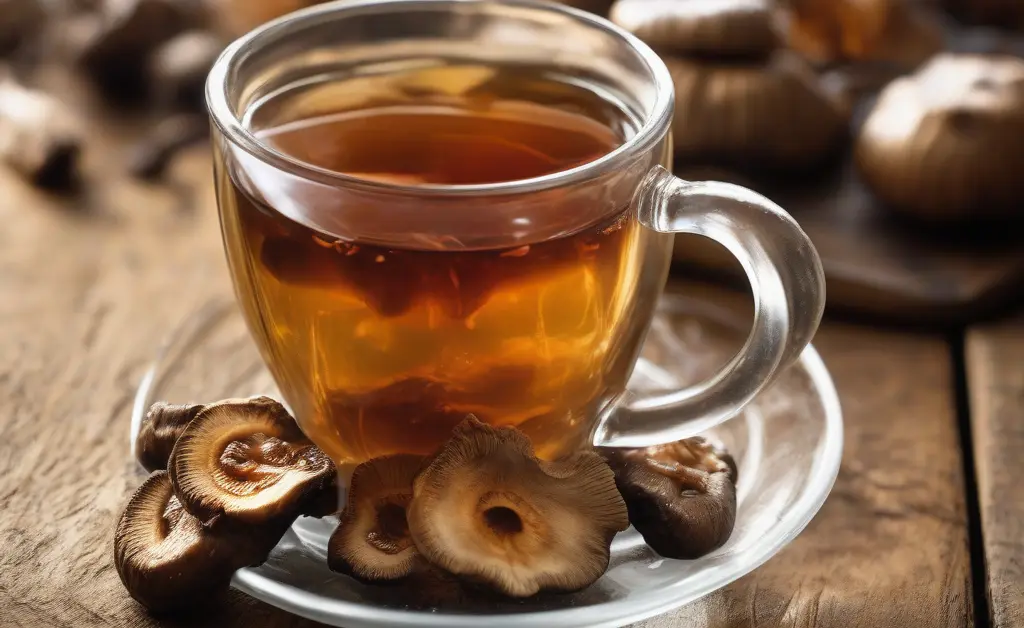
One of the most widely celebrated shiitake mushroom tea benefits is its potential to support the immune system. The specific polysaccharides, such as beta-glucans and lentinan, found in shiitake are believed to play a significant role in this regard. These compounds are studied for their ability to interact with immune cells, potentially boosting natural defense mechanisms without overstimulating the system. Regular consumption of shiitake tea may help maintain a balanced and responsive immune system, contributing to overall resilience and wellness. For parents interested in natural health solutions, learning about shiitake mushroom for kids may also be of interest.
Cardiovascular and Circulatory Health Benefits of Shiitake Tea
The health advantages of shiitake mushroom tea extend to supporting cardiovascular and circulatory health. Research suggests that certain compounds within shiitake, including eritadenine and specific sterols, may play a role in maintaining healthy cholesterol levels. Promoting healthy blood vessels and flow is crucial for optimal cardiovascular function. The potential impact on cholesterol levels, coupled with the mushroom’s broader nutritional profile, indicates that shiitake tea could be a valuable addition for those focusing on heart wellness. While not a cure, incorporating shiitake mushroom tea benefits into a balanced lifestyle may contribute to better heart health. Additionally, some individuals explore the potential of shiitake mushroom for weight loss as part of a balanced diet and healthy lifestyle.
Supporting Bone Strength with Shiitake Mushroom Tea

Beyond its well-known immune and cardiovascular advantages, supporting bone strength with shiitake mushroom tea is another area of interest. Shiitake mushrooms are one of the few natural plant-based sources of provitamin D, which, when converted by the body, is essential for calcium absorption and bone mineralization. The tea may also contain other essential minerals for bone health, such as copper and zinc, which are vital cofactors in bone formation and maintenance. The contribution to bone density and structure, combined with a balanced diet, highlights another dimension of the comprehensive shiitake mushroom tea benefits.
Antioxidant and Anti-Inflammatory Properties of Shiitake Tea
Shiitake tea is also recognized for its significant antioxidant and anti-inflammatory properties, which are crucial for cellular health and protection. The presence of ergothioneine, a powerful antioxidant, helps combat oxidative stress in the body, which is a key factor in cellular aging and various health concerns. Furthermore, compounds within shiitake mushrooms are studied for their ability to reduce systemic inflammation, thereby supporting overall well-being. By mitigating both oxidative stress and inflammation, shiitake tea contributes to a protective effect on the body’s tissues and systems.
In conclusion, the rich tradition surrounding shiitake mushrooms as a culinary and medicinal staple continues to inspire modern wellness practices. Preparing these fungi as a tea offers a simple and enjoyable way to access a spectrum of beneficial compounds. From bolstering the immune system and supporting cardiovascular health to contributing to bone strength and offering significant antioxidant properties, the holistic potential of this ancient beverage is considerable. Incorporating shiitake mushroom tea into a daily routine can be a nurturing step towards a more vibrant and health-conscious lifestyle, harnessing nature’s power for enhanced vitality.
The information in this article is intended for knowledge purposes only. It should not be considered as medical advice, diagnosis, or treatment for any health condition. Always consult with a qualified healthcare professional before making any decisions about your health or starting any new dietary supplement regimen. Individual results may vary, and the use of natural remedies should be approached with caution and professional guidance.
FAQ
— What specific health benefits does shiitake mushroom tea offer?
Shiitake mushroom tea benefits overall wellness through its rich nutritional profile and bioactive compounds. It is known for its role in supporting various bodily functions, contributing to vitality and general health maintenance.
— How does shiitake mushroom tea support the immune system?
Shiitake mushrooms contain beta-glucans, which are polysaccharides recognized for their ability to interact with immune cells. These compounds help modulate the immune system, supporting its natural defense mechanisms and resilience.
— Is shiitake mushroom tea beneficial for bone health?
Shiitake mushrooms are a natural source of vitamin D precursors, which convert to active vitamin D upon exposure to sunlight or through consumption. This vitamin is essential for calcium absorption and bone mineralization, playing a role in maintaining strong bones.
— Can drinking shiitake mushroom tea improve cardiovascular function?
Compounds found in shiitake mushrooms, such as eritadenine and certain sterols, have been studied for their potential influence on cholesterol levels. These components are linked to supporting healthy cardiovascular function by helping to maintain normal lipid metabolism.
— What essential nutrients are found in shiitake mushroom tea?
Shiitake mushroom tea is a source of B vitamins, including B2, B3, B5, and B6, which are vital for energy metabolism. It also provides essential minerals like copper, selenium, and zinc, alongside beneficial dietary fibers and antioxidants.
— Does shiitake mushroom tea have anti-inflammatory properties?
Shiitake mushrooms contain antioxidants like ergothioneine and selenium, which help protect cells from oxidative stress. This antioxidant activity is relevant to the body’s natural inflammatory responses, contributing to cellular well-being.