Many home cultivators are discovering the rewarding experience of growing their own gourmet mushrooms, with shiitake often being a top choice due to its distinctive flavor and culinary versatility. For those embarking on this journey, understanding the foundational component of successful cultivation is paramount. A lot of aspiring growers quickly realize that the quality and type of starter material can significantly impact their yield and the overall health of their mushroom blocks or logs. This guide will delve into the various forms of shiitake mushroom spawn, offering insights into identifying different varieties, making informed selections, and navigating the purchasing process to ensure a robust and productive harvest.
Understanding Shiitake Mushroom Spawn
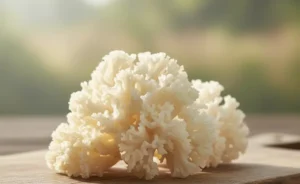
At the heart of any successful mushroom cultivation lies the quality of the starter material, commonly known as mushroom spawn. Shiitake mushroom spawn is essentially a living culture of Lentinula edodes mycelium, which is the vegetative part of the fungi. This intricate network of thread-like structures, or hyphae, is cultivated on a sterile substrate, forming the foundation for future fruiting bodies. Understanding what constitutes viable shiitake mushroom spawn is the first step toward a productive harvest. It’s the biological role of this mycelium to colonize a new substrate, effectively preparing it to produce the delicious shiitake mushrooms we know and love. Beyond shiitake, many growers also delve into growing turkey tail mushroom.
Identifying Lentinula edodes spawn
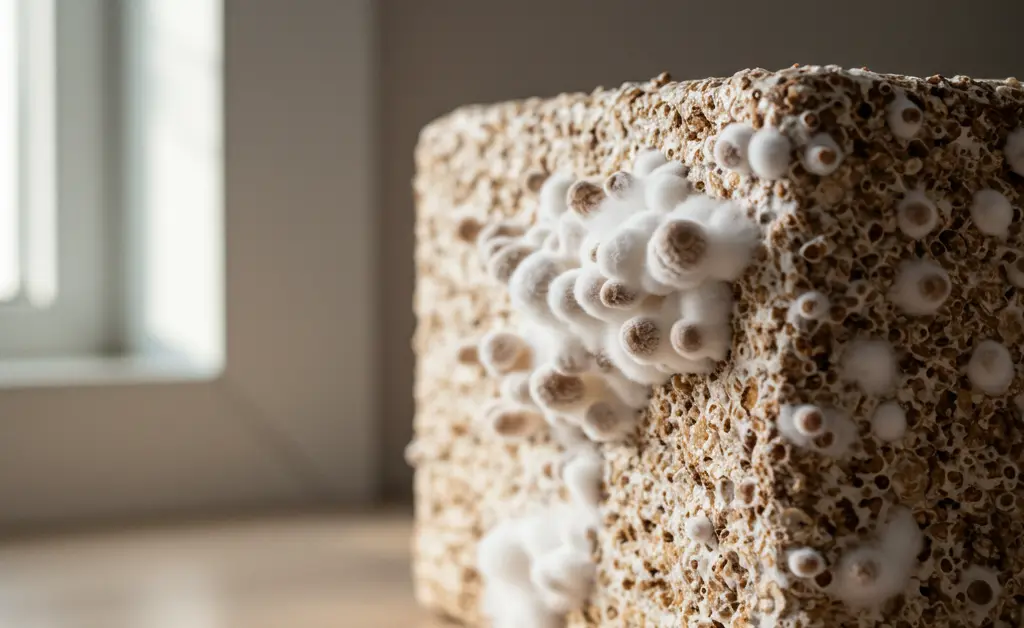
When inspecting Lentinula edodes spawn, cultivators look for specific indicators of health and vigor. Healthy spawn typically appears as a dense, white, web-like growth, which is the visible manifestation of active mycelial colonization. The mycelium should be robust and uniform, often binding the substrate material together. Any unusual colors like green or black might indicate contamination by molds or bacteria, rendering the spawn unusable. A clean, earthy mushroom scent is another positive sign, while sour or off-putting odors suggest contamination. Recognizing these characteristics helps ensure you begin your cultivation journey with strong, viable material.
Varieties of Shiitake Mushroom Spawn
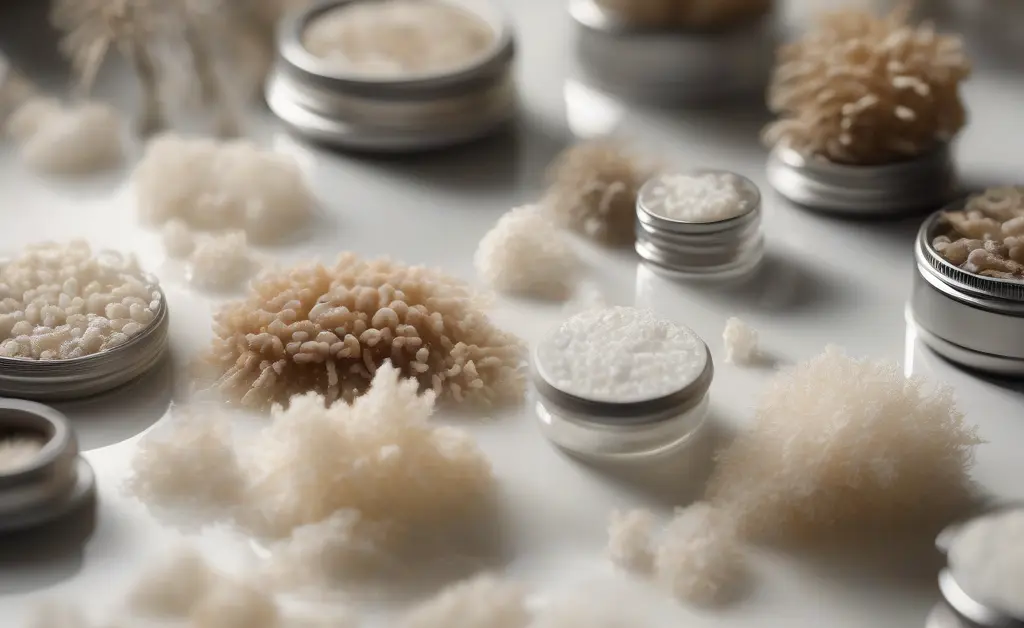
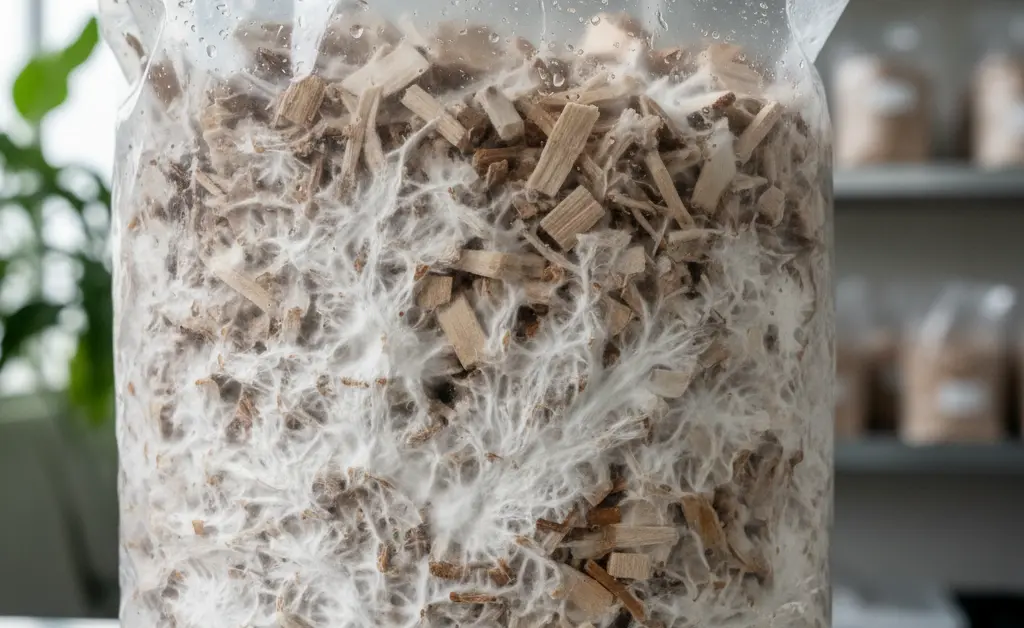
The world of shiitake mushroom spawn offers several varieties, each suited to different cultivation methods and scales. Choosing the right type depends largely on your preferred substrate and growing environment. From inoculating hardwood logs to preparing sterile sawdust blocks, understanding the characteristics of each spawn type is crucial for matching it effectively to your cultivation project. Different forms of shiitake mushroom spawn are designed to optimize colonization and growth under specific conditions, allowing cultivators flexibility in their approach.
Shiitake Plug Spawn
Shiitake plug spawn consists of small wooden dowels that have been inoculated with Lentinula edodes mycelium. These plugs are ideal for growing shiitake mushrooms on logs, particularly hardwood varieties like oak, maple, or birch. The process involves drilling holes into freshly cut logs, inserting the plugs, and then sealing them with wax to protect the mycelium and retain moisture. Over several months, the mycelium colonizes the entire log, eventually leading to the emergence of shiitake fruiting bodies. This method is popular for outdoor cultivation and can yield mushrooms for several years. Cultivators often prepare dedicated shiitake mushroom logs for sustained harvests.
Organic Shiitake Mushroom Plug Spawn
For cultivators committed to sustainable and chemical-free practices, organic shiitake mushroom plug spawn offers an excellent choice. This spawn is produced using certified organic methods, meaning the wooden dowels and the cultivation process adhere to strict organic standards. Using organic plugs ensures that your cultivated mushrooms are free from synthetic pesticides or fertilizers, appealing to consumers and growers who prioritize environmentally friendly and natural food production. Organic certification provides traceability and assurance of quality throughout the entire spawn production chain.
Shiitake Sawdust Spawn
Shiitake sawdust spawn is created by growing Lentinula edodes mycelium on a sterilized substrate primarily composed of sawdust, often supplemented with bran or other nutrients. This type of spawn is highly versatile and is commonly used for inoculating larger bulk substrates, such as sterilized sawdust blocks or bags. It allows for rapid colonization of these substrates in controlled indoor environments, making it a popular choice for commercial growers and those seeking faster turnaround times than log cultivation. Sawdust spawn can also be used to create your own specialized mushroom blocks.
Organic Shiitake Mushroom Sawdust Spawn
Similar to organic plug spawn, organic shiitake mushroom sawdust spawn is produced under certified organic conditions. This means the sawdust, nutritional supplements, and the entire production process meet organic standards, guaranteeing a product free from prohibited substances. Choosing organic sawdust spawn is beneficial for cultivators aiming to produce certified organic shiitake mushrooms for market or personal consumption, ensuring consistency with broader organic gardening principles.
Shiitake Grain Spawn
Shiitake grain spawn utilizes sterilized grains, such as rye, millet, or wheat, as the substrate for mycelial growth. This type of spawn is known for its high colonization rate and nutrient density, making it a powerful inoculant. It is often used as a master culture for expanding to larger quantities of sawdust or straw substrate, or for inoculating pre-sterilized substrate bags or jars. Grain spawn provides a large number of inoculation points, allowing for quick and efficient colonization of the new material, and is a staple in many mycology projects due to its reliability and ease of handling in sterile environments.
Shiitake Liquid Culture
Shiitake liquid culture consists of active Lentinula edodes mycelium suspended in a nutrient-rich liquid solution. This form of spawn offers several advantages, including ease of use for inoculating various substrates and rapid colonization due to the dispersed nature of the mycelium. Liquid culture can be injected directly into sterilized grain jars, sawdust blocks, or even drilled holes in logs. Its sterile liquid format allows for precise measurements and uniform distribution of mycelium, making it a favored option for advanced cultivators seeking efficient and sterile inoculation techniques. Proper sterilization and aseptic technique are critical when working with liquid culture.
Selecting High-Quality Shiitake Spawn

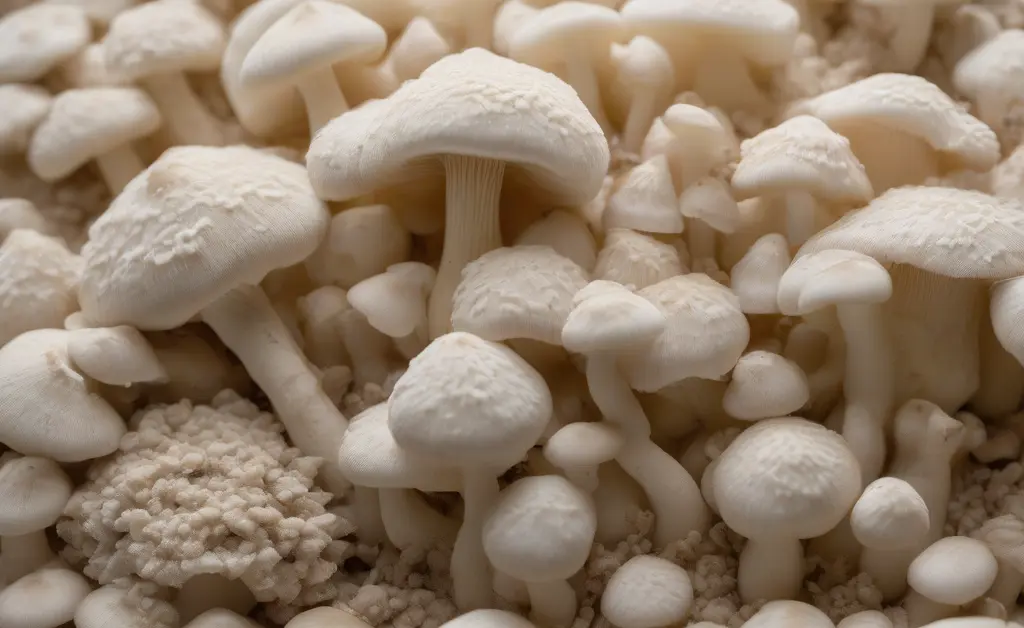
The success of your mushroom cultivation project hinges significantly on the quality of the shiitake mushroom spawn you select. High-quality spawn translates to vigorous mycelial growth, robust colonization, and ultimately, a more abundant and healthier harvest of shiitake mushrooms. When choosing your spawn, consider several key factors that speak to its vitality and purity. Prioritizing quality from the outset minimizes the risk of contamination and ensures your efforts lead to satisfying results in cultivating shiitake mushrooms.
Organic certification and traceability
For many cultivators, organic certification is a crucial factor when selecting spawn. Organic shiitake spawn ensures that the parent mushroom cultures, the substrate used for spawn production, and the manufacturing processes adhere to strict organic standards, free from synthetic pesticides, herbicides, or GMOs. Traceability, the ability to track the origin and history of the spawn, complements organic certification by providing transparency. This allows cultivators to verify the authenticity and ethical sourcing of their spawn, contributing to a more sustainable and trustworthy cultivation practice. Adherence to these standards is often important for compliance with various regulations, including those set by the FDA.
Viability and guaranteed performance
A reputable supplier will stand behind the viability of their shiitake spawn, often offering a guarantee on its performance. Viability refers to the spawn’s ability to actively grow and colonize new substrates. High-quality spawn should show strong, healthy mycelial growth. A performance guarantee provides assurance that the spawn will successfully colonize its intended substrate within a reasonable timeframe, given proper environmental conditions. Always look for suppliers who provide clear indications of their spawn’s vigor and offer customer support or replacement options in case of issues.
Packaging and quantity options
The way shiitake spawn is packaged plays a vital role in maintaining its sterility and viability during transit and storage. High-quality spawn typically comes in durable, sealed bags or containers that prevent contamination and moisture loss. Suppliers often offer various quantity options, from small bags suitable for hobbyists to bulk quantities for larger operations. Consider your project size and spawn shelf life when deciding on quantity. Proper packaging also facilitates easy storage and handling of spawn before it is ready for use.
Source and supplier reputation
Choosing a reputable source for your shiitake spawn is paramount. A supplier with a strong reputation in the mycology community is more likely to provide high-quality, reliable products and accurate information. Research potential vendors, read customer reviews, and seek recommendations from experienced growers. A good supplier will be knowledgeable about their products, offer clear guidance on cultivation, and prioritize customer satisfaction. A reliable source minimizes risks associated with poor quality spawn and provides peace of mind for your cultivation efforts.
Storage and handling of spawn before use
Even the highest quality spawn can be compromised by improper storage and handling. Before inoculation, shiitake spawn should be stored in a cool, dark place, typically refrigerated, to slow down mycelial growth and extend its shelf life. Avoid extreme temperatures, direct sunlight, or freezing, which can damage the mycelium. When handling spawn, always maintain sterile practices to prevent contamination. Use clean gloves and disinfected tools, especially when opening spawn bags or transferring mycelium, to ensure the spawn remains pure and ready for optimal colonization.
Where to Buy Shiitake Mushroom Spawn

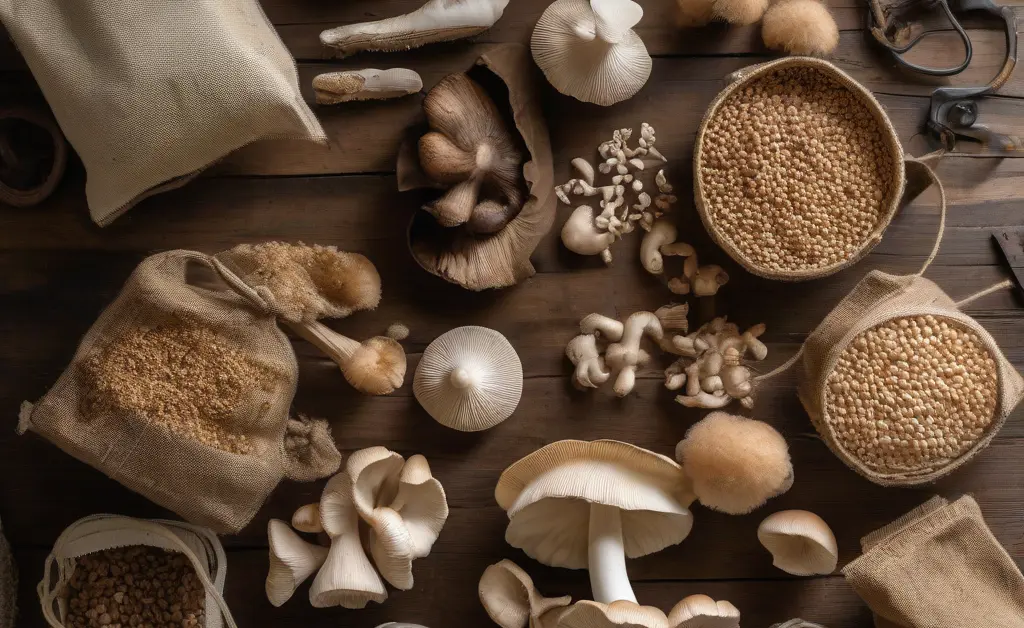
Once you’ve decided on the type of shiitake mushroom spawn best suited for your cultivation goals, the next step is to find a reliable source. The market for mushroom cultivation supplies has grown significantly, offering various avenues to purchase quality spawn. Whether you prefer the convenience of online shopping or the personal touch of local vendors, knowing where to buy shiitake mushroom spawn can streamline your preparation process and ensure you get a product that meets your expectations.
Shiitake mushroom spawn near me
For those who prefer to inspect products in person or support local businesses, searching for “shiitake mushroom spawn near me” can yield promising results. Local suppliers, often found at farmers’ markets, specialized garden centers, or agricultural co-ops, can provide fresh spawn and personalized advice tailored to your regional climate. Some nurseries or urban farms might also produce and sell spawn. Buying locally can sometimes reduce shipping times and costs, and provides an opportunity to connect with other growers in your community.
Shiitake mushroom spawn price
The price of shiitake mushroom spawn can vary significantly based on the type, quantity, supplier, and whether it’s organically certified. Plug spawn typically costs less per unit in small quantities but adds up for large log projects. Sawdust and grain spawn are often sold by weight, with bulk purchases usually offering better value. Organic options might have a slightly higher price point due to the costs associated with certification and specialized production. It’s advisable to compare prices from several reputable vendors, considering not just the initial cost but also shipping fees and any guarantees offered.
Reputable online retailers
The internet offers a vast marketplace for mushroom cultivation supplies, with many reputable online retailers specializing in shiitake mushroom spawn. These vendors often provide a wider selection of spawn types, quantities, and detailed product descriptions. Look for online stores with positive customer reviews, clear return policies, and comprehensive guides on spawn storage and use. Well-established online retailers often have excellent quality control and shipping practices, ensuring the spawn arrives in optimal condition, ready for your cultivation project. For specific regional needs, such as a turkey tail mushroom kit australia, online retailers can often provide specialized options.
Local suppliers and nurseries
Beyond online options, exploring local suppliers and nurseries can be a great way to acquire shiitake mushroom spawn. These establishments often cater to local growing conditions and can provide valuable insights for regional cultivators. Some nurseries might even host workshops on mushroom cultivation, offering hands-on experience and access to their spawn. Checking with agricultural extension offices or local gardening clubs can also lead you to hidden gems that provide high-quality spawn and community support. Globally, regions like shiitake mushroom farming in India are also seeing a rise in cultivation interest.
Key factors for choosing a vendor
When selecting a vendor for your shiitake mushroom spawn, several key factors should guide your decision. Prioritize suppliers who offer clear information about their spawn’s genetics, production methods, and viability. Customer service is crucial; a vendor who is responsive and knowledgeable can be invaluable, especially for new growers. Look for transparent pricing, reasonable shipping costs, and a good return policy. Ultimately, choosing a vendor committed to quality and customer satisfaction will contribute significantly to your cultivation success.
Embarking on the journey of cultivating shiitake mushrooms can be a deeply rewarding experience, bringing gourmet flavors directly to your home. By understanding the diverse types of shiitake mushroom spawn available, carefully selecting high-quality materials, and sourcing from reputable vendors, you lay a strong foundation for success. Each choice, from the form of spawn to its organic certification, plays a role in the health and productivity of your mushroom harvest. With careful planning and attention to detail, you can enjoy bountiful yields of this distinctive fungi for years to come.
Readers should understand that this article does not offer medical diagnosis or treatment. The information provided here is intended for educational purposes only and should not be considered a substitute for professional medical advice. Always consult with a qualified healthcare provider for any health concerns or before making any decisions related to your health or treatment. The content is not intended to be a basis for medical decision-making.
FAQ
— What is shiitake mushroom spawn made of?
Shiitake mushroom spawn consists of the mycelium, which is the vegetative root-like structure of the fungus. This mycelium is deliberately cultivated onto a sterile substrate, often grains like rye or millet, or sometimes sawdust, to provide a nutrient base for its growth.
— How long does shiitake spawn last?
The viability of shiitake spawn depends significantly on its type and storage conditions. When properly refrigerated, grain spawn might remain effective for several weeks, while plug spawn can often last for several months. Maintaining consistent cool temperatures helps to slow the mycelial growth and extend its usefulness.
— Can you make your own shiitake spawn?
It is indeed possible to prepare your own shiitake mushroom spawn, though it requires meticulous attention to sterile technique to prevent contamination. This process typically involves propagating mycelium from a pure culture onto a suitable, sterilized substrate in a controlled environment. Specialized equipment like a pressure cooker and a clean workspace are generally necessary for success.
— What is the difference between plug spawn and sawdust spawn?
The primary distinction between plug spawn and sawdust spawn lies in their substrate and application. Plug spawn consists of wooden dowels inoculated with shiitake mushroom spawn, primarily designed for inoculating drilled holes in natural logs. Sawdust spawn, conversely, is mycelium grown on a loose sawdust mixture, commonly used for inoculating larger logs, stumps, or for growing in fruiting blocks.
— Where is the best place to buy shiitake mushroom spawn?
For sourcing quality shiitake mushroom spawn, reputable online retailers specializing in mycology supplies or specialized nurseries are excellent choices. These suppliers often offer a variety of spawn types and provide information on their genetics and viability. Prioritizing sellers with good reviews and a focus on sterile production practices is important for successful cultivation.