
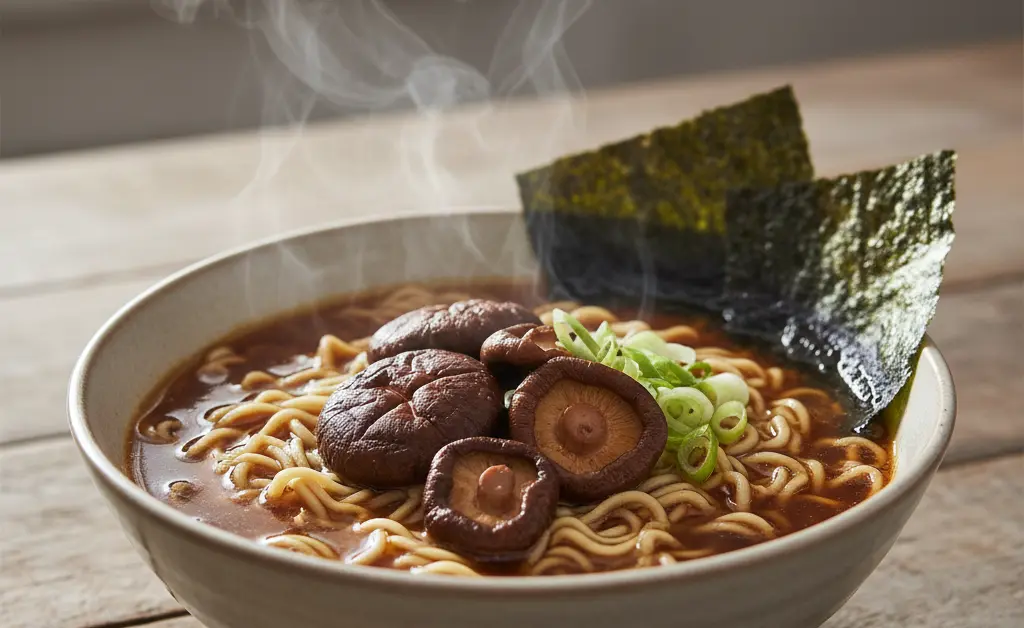
Many home cooks are discovering the joy and versatility of crafting their own ramen bowls, moving beyond instant packets to explore richer, more complex flavors. Among the myriad options, a lot of enthusiasts find themselves drawn to the umami-rich depth that mushrooms can bring to a savory broth. This guide aims to demystify the process, demonstrating how accessible it is to prepare a truly satisfying meal right in your own kitchen. We will walk you through each step, from selecting the finest ingredients to assembling a perfect bowl. Preparing shiitake mushroom ramen at home offers a rewarding culinary experience, allowing for customization and a fresh, authentic taste that rivals restaurant offerings.
Shiitake Mushroom Ramen: The Ultimate Recipe
Embark on a culinary journey to create an exquisite bowl of shiitake mushroom ramen right in your own kitchen. This ultimate recipe is designed to guide you through every nuance, ensuring a deeply flavorful and satisfying experience. From the earthy richness of the shiitake mushrooms to the perfectly springy noodles and aromatic broth, every component plays a vital role. Crafting homemade shiitake mushroom ramen allows you to control the quality of ingredients and tailor the flavors precisely to your preference, transforming a simple meal into a memorable feast. This guide will provide all the necessary insights to master this classic Asian cuisine.
Why You’ll Love Shiitake Mushroom Ramen
There are countless reasons why shiitake mushroom ramen has become a beloved dish for many. Firstly, its inherent umami flavor profile is truly captivating. Shiitake mushrooms are renowned for their ability to impart a profound, savory depth that enriches the entire broth, making each spoonful a delight. Beyond its rich taste, this dish offers incredible versatility, allowing for numerous customizations to suit various dietary needs and preferences. It’s also a surprisingly quick meal to prepare at home, especially when you have some of the foundational ingredients ready. For those seeking a hearty, plant-forward option, it serves as an excellent vegetarian or vegan ramen choice. The comforting warmth and satisfying texture make it an ideal weeknight dinner or a special treat on a cold evening. Scientific research, as conducted by the NIH, often highlights the nutritional benefits of mushrooms.
Key Ingredients for Your Flavorful Bowl
Fresh vs. Dried Shiitake Mushrooms
The choice between fresh and dried shiitake mushrooms significantly impacts the flavor and texture of your ramen. Dried shiitake mushrooms offer a more concentrated, intense umami flavor. When rehydrated, the soaking liquid, often referred to as “donko dashi,” becomes a rich, savory base that can be incorporated directly into your broth, adding an extra layer of depth. Fresh shiitake mushrooms, on the other hand, provide a milder, earthier flavor and a wonderfully meaty texture when cooked. For a truly complex flavor profile in your shiitake mushroom ramen, consider using a combination of both: rehydrated dried shiitake for the broth base and fresh shiitake slices as a topping. Beyond ramen, there are also delicious shiitake mushroom recipes for steak that highlight their versatility.
Choosing Your Ramen Broth Base
The broth is the soul of any ramen, and for a delicious mushroom ramen, you have several excellent options. A traditional Japanese dashi, made from kombu (kelp) and bonito flakes, provides a clean, oceanic umami foundation. For a vegetarian or vegan version, a mushroom-based dashi using rehydrated dried shiitake and kombu is exceptional. Alternatively, a vegetable stock can serve as a simple yet effective base. You can enhance any base with key flavor boosters like miso paste for a fermented, savory kick, or a splash of soy sauce and mirin for classic Japanese notes. Consider the depth and richness you desire when selecting your broth base, as it will define the character of your finished soup.
Noodle Selection: Traditional & Quick Alternatives
Noodles are a fundamental component of any ramen bowl. Traditional ramen noodles are typically wheat-based, chewy, and springy, designed to absorb the rich broth without becoming mushy. You can find fresh or dried varieties at most Asian markets. For quick alternatives, instant ramen packets (discarding the seasoning packet) can be used, though they often have a slightly different texture. Other options include soba (buckwheat) or udon noodles, which offer distinct textures and flavors that can also work well in a mushroom ramen, providing a hearty and satisfying experience. The key is to cook your chosen noodles to perfection, ensuring they retain a pleasant chewiness.
Flavor Boosters & Garnishes
To truly elevate your homemade ramen, flavor boosters and garnishes are essential. Beyond the broth itself, ingredients like fresh ginger and garlic, sautéed until fragrant, can infuse a wonderful aroma. For other quick meals, consider a delicious shiitake mushroom stir fry. A drizzle of sesame oil at the end adds a nutty richness. For garnishes, the possibilities are vast. Thinly sliced scallions provide a fresh, pungent bite. Sheets of nori (seaweed) add a subtle brininess and crunch. Cooked bok choy offers a vibrant green and tender texture. Other popular options include corn, edamame, and a dash of chili oil for a spicy kick. These additions not only enhance the visual appeal but also contribute layers of flavor and texture to your shiitake mushroom ramen.
Step-by-Step Guide to Crafting Shiitake Mushroom Ramen
Crafting a delectable bowl of shiitake mushroom ramen at home is a rewarding process. Follow these steps to ensure a flavorful and authentic experience:
Preparing Your Ingredients
Before you begin cooking, it’s essential to have all your components prepped. Understanding how to cook shiitake mushrooms properly is key to unlocking their full flavor potential. If using dried shiitake mushrooms, rehydrate them in warm water for at least 30 minutes, or longer for a richer soaking liquid. Once soft, slice them thinly. Reserve the soaking liquid for your broth. Mince fresh ginger and garlic. Slice scallions, chop bok choy, and prepare any other desired garnishes like tofu or soft-boiled eggs. Having everything ready in advance, a technique known as “mise en place,” makes the cooking process much smoother and more enjoyable.
Building the Flavorful Broth
The broth is the heart of your ramen. Start by gently sautéing minced ginger and garlic in a little sesame oil until fragrant. Add your chosen broth base – whether it’s dashi, vegetable stock, or mushroom dashi – along with the reserved shiitake soaking liquid. Bring the mixture to a gentle simmer. Incorporate key seasonings like soy sauce, mirin, and miso paste, dissolving the miso thoroughly to avoid lumps. Taste and adjust seasonings as needed, aiming for a balanced and deeply savory flavor. Add your prepared shiitake mushrooms to simmer in the broth, allowing their earthy notes to fully meld with the liquid. This slow infusion is crucial for maximizing umami flavor.
Cooking the Noodles to Perfection
While your broth simmers, cook your ramen noodles according to package instructions. It’s important to cook them separately from the broth to prevent them from absorbing too much liquid and becoming overly starchy. Aim for an al dente texture – firm to the bite but cooked through. Once done, drain them thoroughly. If serving immediately, you can lightly rinse them with warm water to remove excess starch, though this is optional. The goal is perfectly cooked noodles that retain their distinct texture and chewiness when combined with the hot broth.
Assembling Your Ramen Bowl
The final step is the artistry of assembling your bowl. Begin by placing a portion of the freshly cooked noodles into individual serving bowls. Ladle the hot, flavorful broth over the noodles, ensuring enough liquid to submerge them generously. Arrange your cooked shiitake mushrooms and any other cooked components like bok choy or tofu beautifully on top of the noodles. Finally, add your fresh garnishes such as sliced scallions, a soft-boiled egg if desired, nori sheets, and a drizzle of chili oil or extra sesame oil. Serve immediately to enjoy the full warmth and fresh flavors of your homemade shiitake mushroom ramen.
Tips for Perfecting Your Homemade Ramen
Achieving restaurant-quality shiitake mushroom ramen at home involves attention to a few key details. These tips can help you elevate your homemade creation to new heights of deliciousness.
Achieving the Ideal Noodle Texture
The texture of your noodles can make or break a ramen experience. The trick is to cook them just right – al dente, with a slight chew. Overcooked noodles become mushy and lose their appeal, while undercooked ones can be too firm. Always follow the package instructions for cooking time, but also taste test them towards the end. It’s often better to slightly undercook them, as they will continue to soften slightly when submerged in the hot broth. Serve immediately after assembly to maintain their optimal texture. If preparing multiple servings, cook noodles in batches to avoid clumping.
Don’t Forget the Garnishes!
Garnishes are more than just decoration; they add crucial layers of flavor, texture, and visual appeal to your ramen bowl. Think of them as the finishing touches that complete the experience. Fresh scallions provide a sharp, aromatic contrast. Toasted nori strips add a briny crunch. A perfectly soft-boiled egg, with its creamy yolk, enriches the broth. Consider adding some sautéed bok choy, corn kernels for sweetness, or a sprinkle of chili flakes for a gentle warmth. These additions not only make your ramen look more appetizing but also contribute significantly to the overall taste and satisfaction of the meal. They are an integral part of the “Maximizing Umami Flavor” experience.
Variations & Customizations for Your Ramen
One of the joys of cooking at home is the ability to customize. Your shiitake mushroom ramen recipe can be easily adapted to suit various tastes and dietary requirements, making it a truly versatile meal.
Making it Vegan or Vegetarian
Shiitake mushroom ramen is inherently well-suited for a vegan or vegetarian diet, especially if you build your broth using vegetable stock or a mushroom-kombu dashi. Ensure that any miso paste you use is boneless (most are). For additional protein and texture, consider adding generous portions of firm tofu, either pan-fried until crispy or gently simmered in the broth. Other great plant-based additions include edamame, extra bok choy, corn, and a sprinkle of toasted sesame seeds. The natural umami of shiitake mushrooms ensures a rich and satisfying plant-based soup without needing animal products.
Adding Protein: Tofu, Egg, or Chicken
While shiitake mushrooms provide a satisfying base, you might wish to add extra protein to your ramen. For a vegetarian option, a perfectly soft-boiled egg (or “ajitsuke tamago”) is a classic ramen topping, offering a creamy, rich texture. Tofu is another excellent choice; pan-fried or deep-fried tofu adds a wonderful chewiness and can absorb the broth’s flavors beautifully. For non-vegetarian variations, thin slices of cooked chicken breast or thigh can be added. Ensure any added protein is either pre-cooked or cooked separately and then added to the hot ramen bowls to maintain ideal texture and food safety.
Spicy Kicks and Other Flavor Adjustments
For those who appreciate a bit of heat, incorporating spicy kicks can dramatically transform your ramen experience. A drizzle of chili oil is a simple and effective way to add warmth and flavor. Gochugaru (Korean chili powder) or sriracha can also be stirred directly into the broth to create a spicier profile. Beyond heat, consider other flavor adjustments: a splash of rice vinegar can add a bright tang, or a spoonful of tahini can introduce a creamy, nutty richness to the broth. Experiment with different aromatics like extra ginger or a dash of black pepper to find your ideal balance for the shiitake mushroom in ramen.
Serving & Storing Your Shiitake Mushroom Ramen
Once you’ve lovingly crafted your shiitake mushroom ramen, knowing how to serve and store it properly ensures maximum enjoyment and minimizes waste.
For serving, the key is speed and heat. Ramen is best enjoyed immediately after assembly, while the noodles are perfectly textured and the broth is steaming hot. Have all your garnishes ready and bowls warmed before you begin ladling. This ensures that every component is at its prime for a delicious meal. Think of it as “Best Practices for Serving.”
When it comes to storing leftover ramen, it’s best to keep the broth, noodles, and garnishes separate if possible. Cooked noodles can become soggy and absorb too much liquid if left in the broth for extended periods. Store the cooled broth in an airtight container in the refrigerator. Any leftover cooked shiitake mushrooms, proteins, or vegetables should also be stored separately. When ready to enjoy again, reheat the broth gently, cook fresh noodles if desired, and then combine everything. This method helps preserve the distinct textures and flavors, making your “Storing Leftover Ramen” experience as pleasant as the first serving.
Crafting homemade shiitake mushroom ramen is a delightful culinary endeavor that offers immense satisfaction. By understanding the key ingredients, mastering the broth, and paying attention to preparation details, you can create a bowl that rivals your favorite Japanese eateries. This guide provides a comprehensive framework, but remember that cooking is also an art of personal expression. Feel empowered to experiment with flavors, textures, and garnishes to truly make this versatile and hearty dish your own. Enjoy the journey of bringing authentic, umami-rich flavors into your home kitchen.
While this article discusses health-related topics, it does not provide medical guidance. The content provided is for informational and culinary purposes only, focusing on recipe preparation and general ingredient information. It is not intended to be a substitute for professional medical advice, diagnosis, or treatment. Always seek the advice of a qualified healthcare provider with any questions you may have regarding a medical condition or dietary needs. Never disregard professional medical advice or delay in seeking it because of something you have read in this article.
FAQ
— How do you prepare shiitake mushrooms for ramen?
To prepare fresh shiitake, gently wipe them clean with a damp cloth and slice them to your desired thickness. If using dried mushrooms, rehydrate them in warm water until softened, then remove the tough stems and slice the caps. The resulting mushroom soaking liquid is a flavorful bonus that can enhance your broth.
— What kind of noodles are best for shiitake mushroom ramen?
Ramen noodles are typically made from wheat flour, water, salt, and kansui, which gives them their characteristic springy texture. This unique composition allows them to absorb the rich broth effectively. Both fresh and dried ramen noodles are suitable, offering varying degrees of chewiness and preparation convenience.
— Can shiitake mushroom ramen be made vegan?
Yes, it is straightforward to prepare a vegan version. The inherent umami and savory notes of shiitake mushrooms naturally contribute to a rich plant-based broth. Simply ensure that all other components, such as the noodles and any additional toppings, are free from animal-derived ingredients.
— What ingredients can be added to shiitake mushroom ramen?
A wide array of ingredients can complement ramen. Common additions include scallions, corn, bamboo shoots, and various leafy greens like bok choy or spinach. For protein, tofu, tempeh, or edamame are popular choices that enhance the meal’s nutritional profile and texture.
— How long does it take to cook shiitake mushroom ramen?
The total cooking time largely depends on whether you are preparing the broth from scratch or utilizing a pre-made base. Once the broth is ready, the noodles themselves cook very quickly, often within just a few minutes. Fresh vegetables and other toppings are typically added towards the end to retain their optimal texture and vibrancy.
— Can dried shiitake mushrooms be used in ramen?
Dried shiitake mushrooms are an excellent choice for ramen, often delivering a more concentrated umami flavor compared to their fresh counterparts. Rehydrating them in warm water not only softens the mushrooms but also produces a deeply flavorful liquid. This soaking liquid can then be incorporated directly into your broth, adding significant depth.
— What is the best broth base for shiitake mushroom ramen?
For a robust shiitake mushroom ramen, a broth base that complements their earthy and umami profile is paramount. Traditional dashi provides a savory depth, while a broth solely from kombu and dried shiitake offers a powerful vegan umami punch. These bases are known for creating a truly satisfying bowl.







