There’s something uniquely comforting about a warm bowl of ramen, especially one crafted with rich, earthy flavors. Imagine the deep umami of shiitake mushrooms permeating a savory broth, perfectly complementing tender noodles and fresh garnishes. It’s an experience that transcends mere sustenance, offering a moment of culinary bliss and warmth. This guide invites you to explore the simple pleasure of preparing your own exquisite shiitake mushroom ramen from scratch, demystifying the process and empowering you to create a restaurant-quality meal in your own kitchen. Discover how easy it is to achieve depth of flavor and a truly satisfying dish.
Shiitake Mushroom Ramen: The Ultimate Recipe
Embark on a culinary journey to create a bowl of shiitake mushroom ramen that rivals your favorite Japanese eateries. This comprehensive recipe guide breaks down the process into manageable steps, ensuring that even novice cooks can achieve a delicious and satisfying result. The star of the dish, the shiitake mushroom, brings a profound earthy umami that elevates the entire broth, creating a deeply flavorful and aromatic experience. Get ready to impress your taste buds with this hearty and authentic homemade ramen.
Why You’ll Love Shiitake Mushroom Ramen
There are countless reasons to fall in love with homemade shiitake mushroom ramen. Beyond the obvious deliciousness, it offers a deeply satisfying and nourishing meal that can be tailored to your preferences. The rich, savory broth, infused with the distinct mushroom flavor, provides a warming comfort that is perfect for any day of the week. Crafting your own ramen also gives you full control over the ingredients, allowing you to use high-quality components and adjust seasonings to your liking. It’s an engaging culinary project that culminates in a truly rewarding dining experience, making it a favorite for many seeking a delicious and quick meal at home.
Key Ingredients for Your Flavorful Bowl
The success of your shiitake mushroom ramen hinges on selecting the right ingredients. Each component plays a crucial role in building the layered flavors and textures that define a great bowl of ramen. From the star mushrooms to the broth base and essential garnishes, thoughtful selection ensures a truly exceptional dish. Mastering the art of making delicious shiitake mushroom ramen begins with a solid understanding of its core elements.
Fresh vs. Dried Shiitake Mushrooms
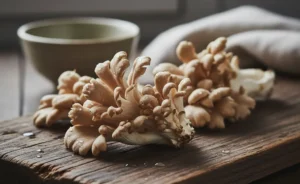
When it comes to shiitake mushrooms, you have the choice between fresh and dried varieties, each offering distinct characteristics. Fresh shiitake mushrooms have a more delicate texture and a subtler flavor, lending a gentle earthiness to your ramen. Dried shiitake mushrooms, on the other hand, boast a significantly more concentrated umami flavor. When rehydrated, their soaking liquid becomes a potent, flavorful stock that can be incorporated directly into your broth, adding incredible depth. Using dried shiitake mushrooms is often preferred for their intense mushroom flavor, which greatly enhances the overall savory quality of the dish.
Choosing Your Ramen Broth Base
The broth is the soul of any ramen, and for shiitake mushroom ramen, a rich and savory base is paramount. A traditional dashi, made from kombu (kelp) and sometimes bonito flakes, provides a delicate yet profound umami foundation. For a vegetarian or vegan version, a dashi made solely from kombu, or a rich vegetable stock, works wonderfully. Adding miso paste, a fermented soybean paste, can further enhance the complexity and depth of the broth, lending a creamy texture and savory tang. Experimenting with different broth bases allows you to personalize the flavor profile of your homemade ramen, much like preparing a comforting shiitake mushroom soup.
Noodle Selection: Traditional & Quick Alternatives
The noodles are a fundamental component of your ramen experience. Traditional ramen noodles are typically made from wheat flour, water, salt, and kansui (an alkaline mineral water) which gives them their characteristic chewiness and springy texture. You can often find fresh or dried versions in Asian markets. For a quicker alternative, many instant ramen noodle packets (discarding the seasoning packet) offer a convenient option. Udon or soba noodles can also be used as substitutes, though they will yield a different texture and mouthfeel than classic ramen. Choose a noodle that cooks quickly and holds up well in a hot broth.
Flavor Boosters & Garnishes
Garnishes and flavor boosters are essential for adding color, texture, and additional layers of taste to your shiitake mushroom ramen. Classic additions include thinly sliced scallions, sheets of nori (seaweed), crisp bok choy, and a drizzle of aromatic sesame oil. Fresh ginger and garlic sautéed at the start of your broth provide an aromatic base. Other popular choices include corn kernels, edamame, and a dash of chili oil for a spicy kick. These elements not only make your bowl visually appealing but also contribute significantly to the overall savory and satisfying experience.
Step-by-Step Guide to Crafting Shiitake Mushroom Ramen
Crafting a delicious bowl of shiitake mushroom ramen from scratch is a rewarding experience that doesn’t have to be intimidating. By following a clear, step-by-step process, you can build layers of flavor and achieve a restaurant-quality meal in your own kitchen. This guide simplifies the journey, ensuring a successful and delicious outcome for your homemade ramen.
Preparing Your Ingredients
Before you begin cooking, it’s crucial to have all your ingredients prepped and ready. If using dried shiitake mushrooms, start by rehydrating them in warm water for at least 20-30 minutes, or until softened. Reserve the soaking liquid, straining it to remove any grit. Slice the rehydrated or fresh shiitake mushrooms. Mince fresh ginger and garlic. Slice your scallions, separating the white and green parts. Wash and chop any other vegetables, such as bok choy. Having everything prepared beforehand ensures a smooth and efficient cooking process.
Building the Flavorful Broth
The broth is where the magic happens. In a pot, sauté the white parts of the scallions, minced ginger, and garlic in a little sesame oil until fragrant. Add your chosen broth base (dashi, vegetable stock, or rehydrated mushroom soaking liquid). Bring to a gentle simmer, then add the sliced shiitake mushrooms. Season the broth with soy sauce, mirin, and miso paste, stirring until the miso is fully dissolved. Let it simmer gently for at least 10-15 minutes to allow the flavors to meld and deepen, creating a rich and savory foundation for your ramen. A delicious shiitake mushroom sauce can also be a wonderful addition to other dishes.
Cooking the Noodles to Perfection
Cooking your noodles correctly is vital for the best ramen experience. Always cook your ramen noodles separately from the broth, following the package instructions carefully. Overcooked noodles can become mushy and compromise the texture of your dish. Aim for an al dente texture, where they are tender but still have a slight chew. Once cooked, drain the noodles thoroughly. Some prefer to quickly rinse them under cold water to prevent sticking, although this is optional and depends on the noodle type.
Assembling Your Ramen Bowl
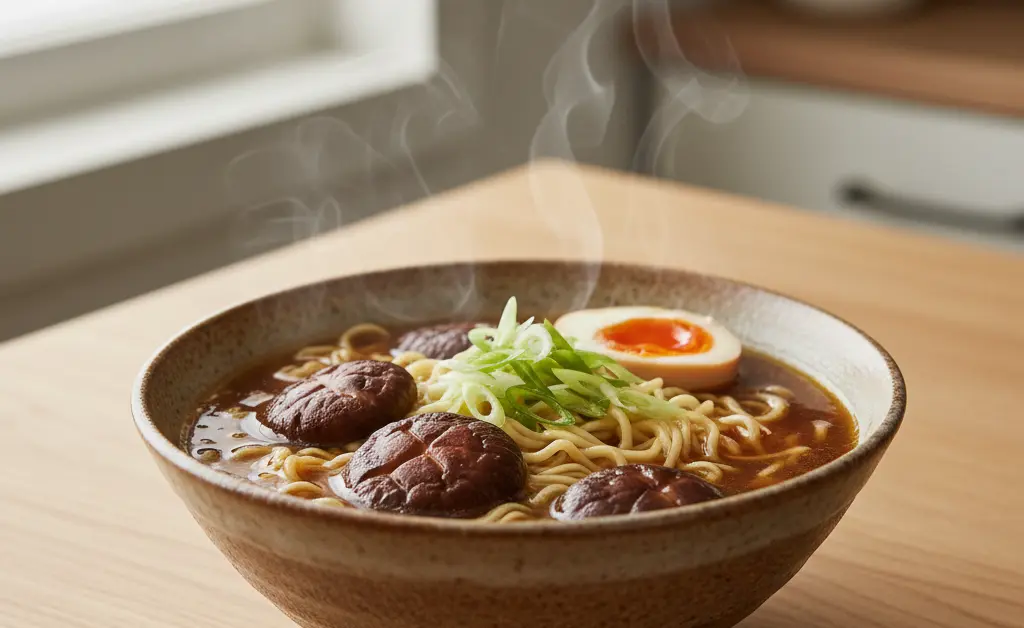
The final step is assembling your masterpiece. Place the cooked noodles into individual serving bowls. Ladle the hot, flavorful shiitake mushroom broth, with the mushrooms, over the noodles. Artfully arrange your chosen garnishes on top. This might include fresh scallion greens, blanched bok choy, nori sheets, a soft-boiled egg, or slices of tofu. Serve immediately, allowing each diner to appreciate the visual appeal and then dive into the complex layers of flavor you’ve created.
Tips for Perfecting Your Homemade Ramen
Creating truly exceptional homemade ramen goes beyond just following a recipe; it involves paying attention to subtle details that elevate the entire experience. These tips will help you refine your technique and achieve a bowl that is both delicious and satisfying.
Achieving the Ideal Noodle Texture
The texture of your noodles is paramount to a great ramen experience. The key is to cook them just right – al dente, firm to the bite, but not hard. Avoid overcooking, as mushy noodles can detract significantly from the dish. It’s often best to cook noodles in small batches just before serving, and keep them separate from the hot broth until assembly. This prevents them from absorbing too much liquid and becoming soggy, maintaining their perfect chewiness.
Don’t Forget the Garnishes!
Garnishes are not merely decorative; they are integral to the ramen experience, adding layers of flavor, texture, and visual appeal. Fresh, vibrant additions like thinly sliced scallions, crunchy bok choy, and crisp nori provide contrast to the rich broth and soft noodles. Consider a perfectly jammy soft-boiled egg for richness, or a sprinkle of chili flakes for a subtle heat. These finishing touches truly complete the bowl and enhance its overall depth and enjoyment.
Variations & Customizations for Your Ramen
One of the joys of making ramen at home is the endless possibility for customization. Once you’ve mastered the basic shiitake mushroom ramen, you can experiment with different ingredients and flavors to suit your dietary needs or personal preferences. Don’t be afraid to get creative and make this dish truly your own. For more general shiitake mushroom recipes, explore beyond ramen.
Making it Vegan or Vegetarian
Creating a vegan or vegetarian version of this ramen is wonderfully simple. Ensure your broth base is either a rich vegetable stock or a pure kombu dashi, avoiding bonito flakes. The shiitake mushrooms provide ample umami, and you can add other plant-based proteins like firm tofu (fried or silken), edamame, or tempeh. Increase the quantity of vegetables such as bok choy, spinach, or corn for a heartier, more nutritious bowl. Miso paste is an excellent vegan flavor enhancer for the broth. For reliable health information, consult resources like the WHO.
Adding Protein: Tofu, Egg, or Chicken
While the shiitake mushrooms offer a satisfying earthiness, you might want to boost the protein content of your ramen. Tofu is a fantastic plant-based option; pan-fry cubes until golden and crispy, or add silken tofu directly to the hot broth. A perfectly soft-boiled egg, with its creamy yolk, is a classic ramen topping that adds richness. For meat-eaters, thinly sliced cooked chicken breast or thigh, seasoned and seared, makes a delicious and hearty addition. You might also be interested in shiitake mushroom recipes for steak.
Spicy Kicks and Other Flavor Adjustments
Tailoring the flavor profile to your liking is key to a truly satisfying bowl. For those who enjoy a bit of heat, a drizzle of chili oil, a dash of sriracha, or a sprinkle of red pepper flakes can provide a wonderful spicy kick. You can also adjust the seasoning of the broth with extra soy sauce for more saltiness, or a touch more mirin for a hint of sweetness. A small knob of butter can add a surprisingly rich, umami depth to the broth. Taste as you go and modify to suit your palate.
Serving & Storing Your Shiitake Mushroom Ramen
Proper serving and storage are important to maintain the quality and enjoyment of your homemade ramen. While ramen is best enjoyed fresh, knowing how to manage leftovers ensures that you can savor its flavors even after the initial meal.
Ramen is best served immediately after assembly to ensure the noodles retain their ideal texture and the broth is piping hot. Presenting the bowl with garnishes neatly arranged enhances the dining experience. If you anticipate having leftovers, it’s best to store the cooked noodles and the broth separately. This prevents the noodles from becoming soggy and absorbing too much of the broth. Store the cooled broth and mushrooms in an airtight container in the refrigerator, and the cooked noodles in another container. When reheating, warm the broth gently on the stovetop, cook fresh noodles or briefly reheat the stored noodles, and then combine everything for a fresh-ttasting bowl. This method helps maintain the integrity of each component, ensuring your next serving is almost as good as the first.
This information should be viewed as educational rather than medical advice. The content of this guide is intended solely for informational purposes regarding culinary preparation. It is not designed to offer medical diagnoses, treatment recommendations, or health advice. Always consult with a qualified healthcare professional for any health concerns or before making changes to your diet or health regimen.
FAQ
— How do you prepare shiitake mushrooms for ramen?
For fresh shiitake, begin by gently wiping them clean with a damp cloth and trimming off any tough stems, as these can be fibrous. Slicing them thinly allows them to cook evenly and absorb the broth’s flavors beautifully. If using dried, rehydrating them in warm water first is crucial to soften their texture and release their concentrated umami.
— What kind of noodles are best for shiitake mushroom ramen?
Traditional ramen noodles, whether fresh or dried, are an excellent choice due to their springy texture and ability to soak up the rich broth. Wheat-based noodles with a slight chew, often alkaline, complement the earthy notes of shiitake particularly well. Udon noodles can also offer a satisfyingly thick alternative for a different mouthfeel.
— Can shiitake mushroom ramen be made vegan?
Absolutely, shiitake mushrooms are a cornerstone of many delicious vegan ramen preparations. By ensuring the broth is vegetable-based and avoiding animal products like eggs or specific meat toppings, you can easily create a fulfilling vegan version. The inherent umami of shiitake mushrooms naturally provides a depth of flavor that satisfies without meat.
— What ingredients can be added to shiitake mushroom ramen?
Beyond the mushrooms, common additions that enhance the flavor and texture include bok choy, corn kernels, or thinly sliced scallions for freshness and a slight bite. A drizzle of sesame oil, a dash of soy sauce, or a sprinkle of toasted sesame seeds can further elevate the complexity of the dish. Tofu or tempeh also serves as an excellent protein complement.
— How long does it take to cook shiitake mushroom ramen?
The cooking time for shiitake mushroom ramen largely depends on the preparation of the broth and noodles. If using pre-made broth and quick-cooking ramen noodles, the entire dish can often be assembled and ready to eat in under 15-20 minutes. Crafting a broth from scratch will extend the preparation time, though the actual cooking of the mushrooms and noodles remains quick.
— Can dried shiitake mushrooms be used in ramen?
Yes, dried shiitake mushrooms are highly valued in ramen for their intense, concentrated umami flavor. Rehydrating them in hot water not only softens their texture but also creates a flavorful liquid that can be incorporated directly into your ramen broth. This rehydration step is key to unlocking their full potential.
— What is the best broth base for shiitake mushroom ramen?
A dashi-based broth is an outstanding choice for this dish, often made with kombu seaweed and dried shiitake for a profound depth of umami. A clear vegetable broth also works wonderfully, allowing the distinct earthy flavor of the shiitake to shine through. Tonkotsu or shoyu broths can also be adapted, though they introduce different flavor profiles.