A comforting bowl of hot soup is a universal pleasure, offering warmth and satisfaction, especially on a chilly day. Among the many culinary delights, homemade ramen stands out for its depth of flavor and customizable nature, allowing for endless variations to suit any palate. This comprehensive guide is dedicated to crafting an exceptional shiitake mushroom ramen, a dish that expertly combines the earthy, savory notes of shiitake mushrooms with a rich, umami-packed broth. It’s a perfect meal for a cozy evening, bringing the authentic, complex taste of a beloved noodle soup right to your kitchen. We will explore essential ingredients, provide a detailed step-by-step preparation process, and offer expert tips to help you create a truly memorable and nourishing bowl.
Shiitake Mushroom Ramen: The Ultimate Recipe
Embarking on the journey to create your own shiitake mushroom ramen at home is a rewarding culinary experience. This isn’t just a meal; it’s an art form, allowing you to control every nuance of flavor and texture. For other comforting bowls, you might also enjoy a classic shiitake mushroom soup. By focusing on quality ingredients and a well-balanced broth, you can achieve a depth of flavor that rivals your favorite restaurant renditions. The ultimate recipe for this hearty soup centers on harnessing the rich umami of shiitake mushrooms to build a deeply satisfying and aromatic broth, complemented by springy noodles and a thoughtful array of toppings.
Why You’ll Love Shiitake Mushroom Ramen
There are numerous reasons why a bowl of homemade shiitake mushroom ramen can become a cherished comfort food in your repertoire. Beyond its delicious taste, this dish offers a unique blend of warmth, heartiness, and complex flavors that appeal to a wide range of palates. The earthy notes of the shiitake mushroom provide a savory foundation, while the customizable nature of ramen allows for endless personalization. It’s a nourishing option, often packed with vegetables and a flavorful broth that can be both light and incredibly satisfying. For those interested in the nutritional aspects, further scientific information can be found through resources like the National Center for Biotechnology Information. Furthermore, preparing shiitake mushroom ramen from scratch allows for a truly fresh and vibrant meal, perfect for a cozy weeknight dinner or a special occasion.
Key Ingredients for Your Flavorful Bowl
The success of an outstanding shiitake mushroom ramen hinges on selecting the right ingredients. Each component plays a vital role in building the layered flavors and textures that define this classic Japanese-inspired dish. From the star mushrooms to the accompanying liquids and garnishes, thoughtful choices make all the difference in achieving a truly flavorful bowl.
Fresh vs. Dried Shiitake Mushrooms
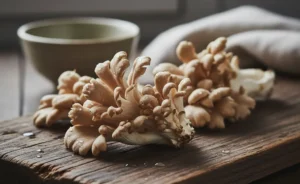
When it comes to shiitake mushrooms, you have the option of using either fresh or dried varieties, each offering distinct characteristics. Fresh shiitake mushrooms possess a delicate, meaty texture and a milder, subtly earthy flavor, making them excellent for adding substance and freshness. Dried shiitake mushrooms, however, are renowned for their intensely concentrated umami flavor. When rehydrated, they release a deep, savory liquid that can significantly enhance the broth, making them an indispensable ingredient for a truly rich shiitake mushroom ramen. It’s often beneficial to use a combination: fresh for texture and dried for profound flavor depth.
Choosing Your Ramen Broth Base
The broth is the soul of any ramen, and for a mushroom-centric version, a robust base is paramount. Traditional dashi, made from kombu (kelp) and bonito flakes, provides a light yet umami-rich foundation. For a vegetarian or vegan approach, a dashi made solely with kombu and dried shiitake mushrooms is an excellent choice, creating a flavorful stock that complements the fresh mushrooms beautifully. Other popular options include a clear vegetable stock or a more complex miso-based broth, which adds a fermented, savory complexity. The key is a broth that can carry the flavors of the mushrooms without overpowering them.
Noodle Selection: Traditional & Quick Alternatives
The noodles are the heart of ramen. Traditionally, ramen noodles are made from wheat flour, water, salt, and kansui (an alkaline agent) which gives them their characteristic chewiness and yellowish hue. You can find fresh or dried ramen noodles in most Asian markets. For quick alternatives, high-quality instant ramen noodles (discarding the seasoning packet) or even thin spaghetti can be adapted in a pinch. The goal is a noodle that absorbs the broth while maintaining a satisfying texture when cooked to perfection.
Flavor Boosters & Garnishes
To truly elevate your ramen, an array of flavor boosters and garnishes is essential. Savory additions like soy sauce, mirin (sweet rice wine), and a touch of miso paste deepen the broth’s complexity. Aromatic elements such as freshly grated ginger and minced garlic infuse warmth and zest. For finishing touches, a swirl of sesame oil, sliced scallions, sheets of nori (seaweed), crisp bok choy, or sweet corn kernels add layers of texture and visual appeal. For a crispy garnish, consider preparing shiitake mushrooms in an air fryer. Chili oil can be introduced for a spicy kick, transforming the flavor profile.
Step-by-Step Guide to Crafting Shiitake Mushroom Ramen
Creating a delicious bowl of shiitake mushroom ramen at home is a straightforward process when broken down into manageable steps. This guide will help you build your ramen from the ground up, ensuring a harmonious balance of flavors and textures in every spoonful. The careful preparation of each component contributes to the overall success of this deeply satisfying dish.
Preparing Your Ingredients
Begin by washing and slicing your fresh shiitake mushrooms. If using dried shiitake, rehydrate them by soaking in warm water for at least 30 minutes, reserving the flavorful soaking liquid for the broth. Mince garlic and ginger, slice scallions, and prepare any other vegetables like bok choy or corn. If using tofu, press it to remove excess water and then cube or slice it. Organize all your ingredients so they are ready for cooking, a practice known as “mise en place” which simplifies the cooking process.
Building the Flavorful Broth
The broth is where much of the magic happens for your shiitake mushroom ramen. Start by sautéing aromatics like garlic and ginger in a touch of sesame oil until fragrant. Add your sliced fresh shiitake mushrooms and cook until slightly softened. Pour in your chosen broth base (dashi, vegetable stock, or rehydrated shiitake water) and bring it to a gentle simmer. Incorporate flavor enhancers such as soy sauce, mirin, and a spoonful of miso paste, stirring until fully dissolved. Allow the broth to simmer gently for some time, allowing the flavors to meld and deepen, creating a rich and savory foundation.
Cooking the Noodles to Perfection
The key to perfect ramen is perfectly cooked noodles. Bring a separate pot of water to a rolling boil. Add your ramen noodles and cook according to package directions, typically for just a few minutes, until they are al dente. It’s crucial not to overcook them, as they will continue to soften slightly when added to the hot broth. Once cooked, drain the noodles thoroughly. Some prefer to rinse them briefly to remove excess starch, though this is optional.
Assembling Your Ramen Bowl
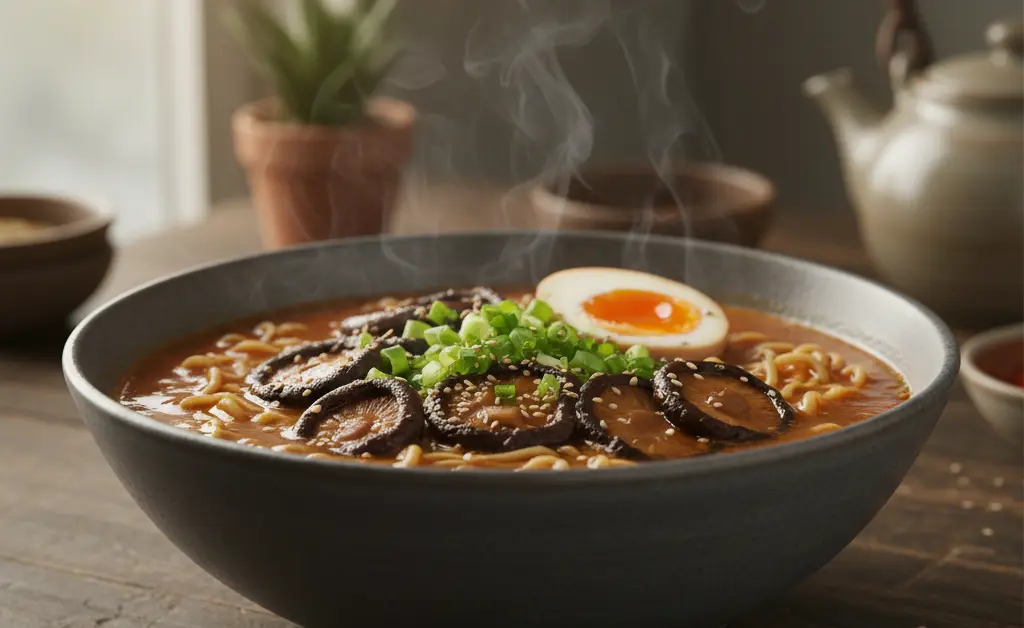
Assembling the bowl is the final, exciting step. Place a generous portion of cooked noodles into each serving bowl. Ladle the hot, flavorful shiitake mushroom ramen broth over the noodles, ensuring that the mushrooms and any other cooked vegetables are evenly distributed. Arrange your chosen garnishes artfully on top: perhaps slices of green onion, a sheet of nori, some steamed bok choy, or a soft-boiled egg. A final drizzle of sesame oil or a dash of chili oil can add a professional touch and an extra layer of flavor.
Tips for Perfecting Your Homemade Ramen
Elevating your homemade ramen from good to exceptional involves a few simple yet impactful techniques. Paying attention to these details can significantly enhance the overall experience, ensuring every bowl is a delight.
Achieving the Ideal Noodle Texture
The texture of the noodles is critical in ramen. Aim for an al dente bite – firm yet yielding. Overcooked noodles can become mushy and lose their appeal. To achieve this, cook noodles in a separate pot of boiling water and add them to the broth just before serving. This prevents them from soaking up too much broth and becoming soggy. Timing is everything, so have your bowls and garnishes ready once the noodles are cooked.
Don’t Forget the Garnishes!
Garnishes are not merely decorative; they add essential layers of flavor, texture, and visual appeal to your ramen. Fresh scallions offer a crisp, pungent counterpoint, while nori provides a savory, oceanic note. A soft-boiled egg, with its creamy yolk, adds richness, and a sprinkle of toasted sesame seeds brings a nutty crunch. Don’t shy away from experimenting with different garnishes like corn, edamame, or a drizzle of chili oil to find your perfect combination.
Variations & Customizations for Your Ramen
One of the joys of making ramen at home is the freedom to customize it to your personal taste and dietary preferences. There are countless ways to adapt the base shiitake mushroom ramen recipe to create unique and exciting variations.
Making it Vegan or Vegetarian
The core shiitake mushroom ramen recipe lends itself beautifully to vegan and vegetarian adaptations. Ensure your broth base is plant-based, using a kombu and dried shiitake dashi or a robust vegetable stock. Omit any animal products from the garnishes, opting instead for plenty of fresh vegetables like bok choy, spinach, or corn. Beyond ramen, shiitake mushrooms can also be delicious in a shiitake mushroom stir-fry. Tofu, prepared crispy or pan-fried, makes an excellent plant-based protein addition, providing satisfying texture and substance.
Adding Protein: Tofu, Egg, or Chicken
While shiitake mushrooms provide a satisfying umami depth, you can easily incorporate additional proteins. For a classic touch, a perfectly soft-boiled egg, often marinated (ajitsuke tamago), offers a creamy richness. Pan-fried or baked tofu provides a hearty plant-based option. If you prefer meat, thin slices of cooked chicken breast or thigh can be added to the hot broth just before serving, warming through beautifully without overcooking.
Spicy Kicks and Other Flavor Adjustments
For those who enjoy a bit of heat, adding a “spicy kick” can transform your ramen. Drizzling chili oil directly into the bowl, adding a dollop of gochujang or sriracha to the broth, or incorporating fresh chili slices are simple ways to increase the spice level. Other flavor adjustments might include stirring in a tablespoon of white miso for a richer, fermented taste, or a splash of rice vinegar for a touch of acidity, balancing the savory notes beautifully.
Serving & Storing Your Shiitake Mushroom Ramen
Once your flavorful shiitake mushroom ramen is complete, proper serving and storage are key to enjoying its full potential, whether it’s for an immediate meal or for later enjoyment.
Serve your ramen immediately after assembly to ensure the noodles retain their ideal texture and the broth remains piping hot. Presenting it in large, deep bowls allows for an authentic experience and ensures all the delicious components are showcased. For storage, it is generally recommended to store the broth and cooked noodles separately. The broth can be refrigerated in an airtight container for a few days. Cooked noodles tend to absorb liquid and become mushy if left in the broth for too long; thus, storing them separately and reheating them gently or cooking a fresh batch just before serving will yield the best results for any leftover shiitake mushroom ramen components. Reheat the broth gently on the stovetop, and then combine with freshly cooked or reheated noodles and your desired garnishes for a quick and satisfying meal later.
The purpose of this content is to educate, not to diagnose or treat. This information is intended for general knowledge and informational purposes only, and does not constitute medical advice. It is essential to consult with a qualified healthcare professional for any health concerns or before making any decisions related to your health or diet. Individual dietary needs and responses can vary, and what works for one person may not be suitable for another.
FAQ
— How do you prepare shiitake mushrooms for ramen?
Fresh shiitake mushrooms are typically wiped clean and the tough stems removed before slicing. The caps are then sliced into desired thicknesses, often thinly, allowing them to cook quickly and integrate well into the broth. If using dried shiitake, rehydration in warm water is necessary to soften them and create a flavorful soaking liquid that can enrich the ramen broth.
— What kind of noodles are best for shiitake mushroom ramen?
Traditional ramen noodles, which are typically wheat-based with a slightly chewy texture, are a classic choice for this dish. Both fresh and dried ramen noodles work well, offering a satisfying bite that absorbs the savory broth. Look for noodles specifically designed for ramen, as their texture and composition are optimized for the soup environment.
— Can shiitake mushroom ramen be made vegan?
Absolutely, shiitake mushroom ramen is very adaptable for a vegan diet. By ensuring the broth is vegetable-based and free of animal products, and choosing vegan toppings, the entire dish can be deliciously plant-based. The shiitake mushrooms themselves provide a rich umami depth that is perfect for a vegan ramen experience.
— What ingredients can be added to shiitake mushroom ramen?
Beyond the essential shiitake mushrooms and noodles, a variety of ingredients can enhance the dish. Common additions include fresh greens like bok choy or spinach, corn kernels for sweetness, and thinly sliced scallions or chili threads for garnish. Soft-boiled eggs, tofu, or bamboo shoots are also popular choices that add texture and flavor complexity.
— How long does it take to cook shiitake mushroom ramen?
The cooking time for shiitake mushroom ramen largely depends on whether you’re starting with a homemade broth or an instant base. If using a pre-made broth and quick-cooking noodles, the entire dish can be prepared in about 15-20 minutes. Crafting a broth from scratch, however, can take significantly longer to develop rich flavors.
— Can dried shiitake mushrooms be used in ramen?
Dried shiitake mushrooms are an excellent choice for ramen and are often preferred for their concentrated umami flavor. When rehydrated, they release a deep, savory essence into the soaking liquid, which can then be incorporated into the ramen broth for added richness. The rehydrated mushrooms themselves retain a satisfying chewy texture.
— What is the best broth base for shiitake mushroom ramen?
A deeply flavorful broth is crucial for a satisfying shiitake mushroom ramen. A dashi-based broth provides a light, savory foundation that allows the mushroom’s earthy notes to shine. Vegetable broth also works wonderfully, particularly when simmered with additional aromatics and kombu to build layers of umami.