Shiitake mushrooms, celebrated for their distinctive savory flavor and meaty texture, are much more than just a culinary delight; they are also packed with beneficial nutrients. As parents increasingly seek wholesome and diverse foods for their children, questions naturally arise about which ingredients are suitable and how to introduce them safely. These unique fungi have garnered attention for their potential health-promoting properties, including their vitamin D content and immune-boosting compounds. This comprehensive guide delves into everything parents need to know about preparing and serving shiitake mushroom for kids, exploring their nutritional benefits, age-appropriate introduction methods, and important safety considerations to ensure a positive and healthy eating experience.
Benefits of Shiitake Mushrooms for Kids
Shiitake mushrooms offer a range of nutritional advantages that can contribute positively to a child’s overall diet. These edible fungi are known for their distinct umami flavor, making them a delicious addition to various dishes. When considering shiitake mushroom for kids, understanding their nutritional profile is key to appreciating their role in a balanced diet.
Shiitake mushroom Facts for Kids
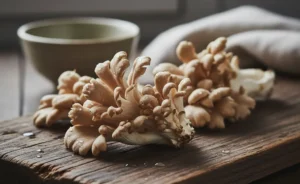
Shiitake mushrooms are a type of edible fungi native to East Asia, recognized for their rich, earthy flavor and meaty texture. Beyond their culinary appeal, they are packed with various nutrients. These mushrooms have been traditionally used in many cultures and are now widely appreciated globally for both their taste and their beneficial compounds. Introducing children to a diverse range of foods, including nutrient-dense options like Shiitake mushrooms, can help expand their palates and provide essential nutrients for growth and development. For parents interested in diverse fungi, it’s helpful to know about other varieties like a maitake mushroom look-alike.
Rich in Essential Vitamins (e.g., Vitamin D)
One of the notable benefits of Shiitake mushrooms is their natural content of essential vitamins, particularly vitamin D. Vitamin D plays a crucial role in supporting bone health by aiding in calcium absorption, which is vital for growing children. Additionally, Shiitake mushrooms contain B vitamins, such as riboflavin (B2), niacin (B3), and pantothenic acid (B5), which are important for energy production and nerve function, contributing to overall child development. Beyond child development, research also explores shiitake mushroom benefits for men, highlighting diverse health applications.
Fiber Content for Digestive Health
Dietary fiber is an important component of a healthy diet, and Shiitake mushrooms provide a valuable source. Fiber is essential for maintaining a healthy digestive system, promoting regular bowel movements, and supporting a balanced gut microbiome. Including foods rich in fiber like Shiitake mushrooms in a child’s diet can contribute to their gut health and aid in preventing common digestive discomforts. While focusing on digestive health, other aspects like shiitake mushroom for kidney health are also areas of ongoing nutritional interest.
Supporting Immune Function
Shiitake mushrooms contain compounds, such as beta-glucans, which have been studied for their potential to support immune function, as evidenced by research available on PubMed. A robust immune system is particularly important for children as they are frequently exposed to various pathogens. While not a cure-all, incorporating nutrient-dense foods that may help bolster natural defenses, like Shiitake mushrooms, can be a valuable part of a child’s healthy diet for immune support.
When and How to Introduce Shiitake Mushrooms to Babies and Toddlers
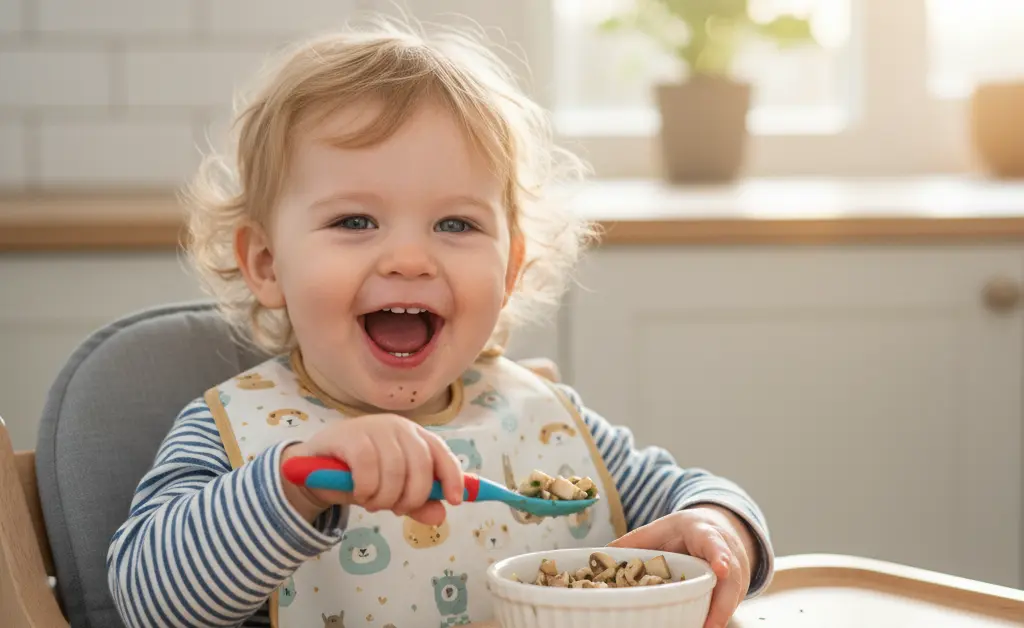
Introducing new foods to babies and toddlers requires careful consideration of age-appropriateness, preparation methods, and potential allergies. Shiitake mushrooms can be a wonderful addition to an expanding toddler diet, but it’s important to approach their introduction thoughtfully, ensuring they are prepared safely and are a good fit for little ones.
Age Recommendations for Introduction
Generally, solid foods can be introduced to infants around six months of age, or when they show clear Signs of Readiness for Solids, such as sitting up unassisted, showing interest in food, and having good head and neck control. For Shiitake mushrooms, it’s often recommended to introduce them slightly later than first foods, perhaps around 8-12 months, after a child has successfully consumed other common vegetables and has no known allergies. Always consult with a pediatrician regarding specific infant nutrition guidance.
Best shiitake mushroom for kids
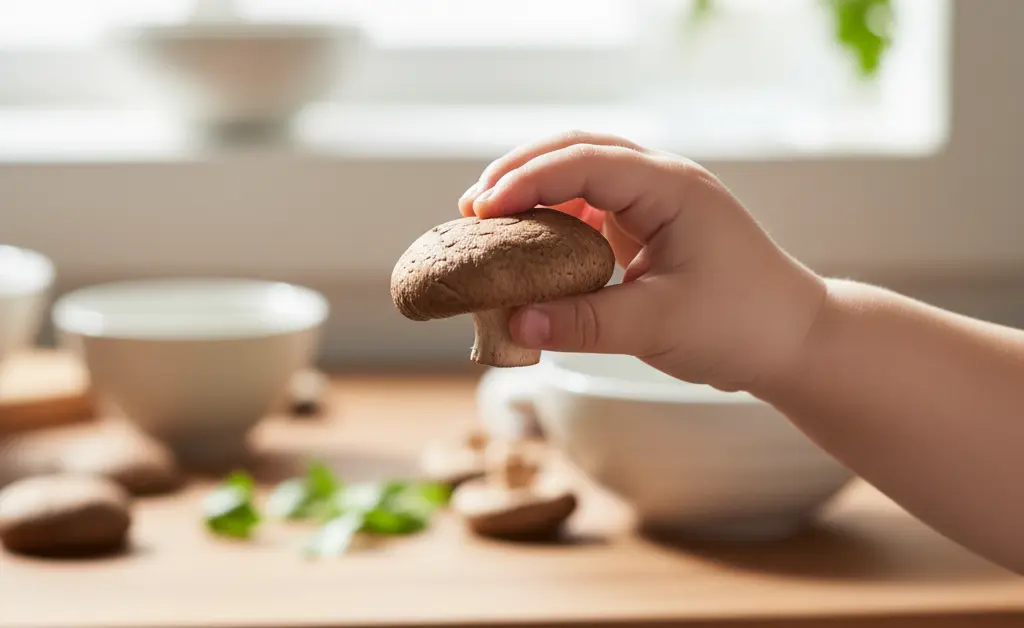
When selecting Shiitake mushrooms for kids, always choose fresh, firm mushrooms free from blemishes or sliminess. Look for mushrooms with tightly closed caps, indicating freshness. Organic options are often preferred by parents. Proper Cleaning and Sourcing are essential; ensure they are thoroughly washed under cold water to remove any dirt or debris before preparation. This ensures you’re providing the best quality and safest shiitake mushroom for kids.
Steaming and Pureeing for Infants
For infants, the safest way to introduce Shiitake mushrooms is by steaming them until very soft, then pureeing them into a smooth consistency. This method ensures that the texture is easy for babies to swallow and reduces any choking hazards. You can combine the mushroom puree with other baby food favorites, like sweet potato or butternut squash, to create a flavorful and nutrient-dense meal. Always start with a small amount when introducing new foods and monitor for any adverse reactions.
Finely Chopping for Older Babies and Toddlers
As children grow and develop more advanced chewing and swallowing skills, around 9-12 months and beyond, Shiitake mushrooms can be prepared with a coarser texture. For older babies and toddlers, steam the mushrooms until very tender and then finely chop them into tiny, pea-sized pieces. This approach is suitable for `baby-led weaning` or for mixing into foods like scrambled eggs, pasta, or rice. Always supervise children closely during mealtimes to minimize choking risks, especially with new textures, as you introduce shiitake mushroom for kids.
Cooking and Preparing Shiitake Mushrooms for Kids
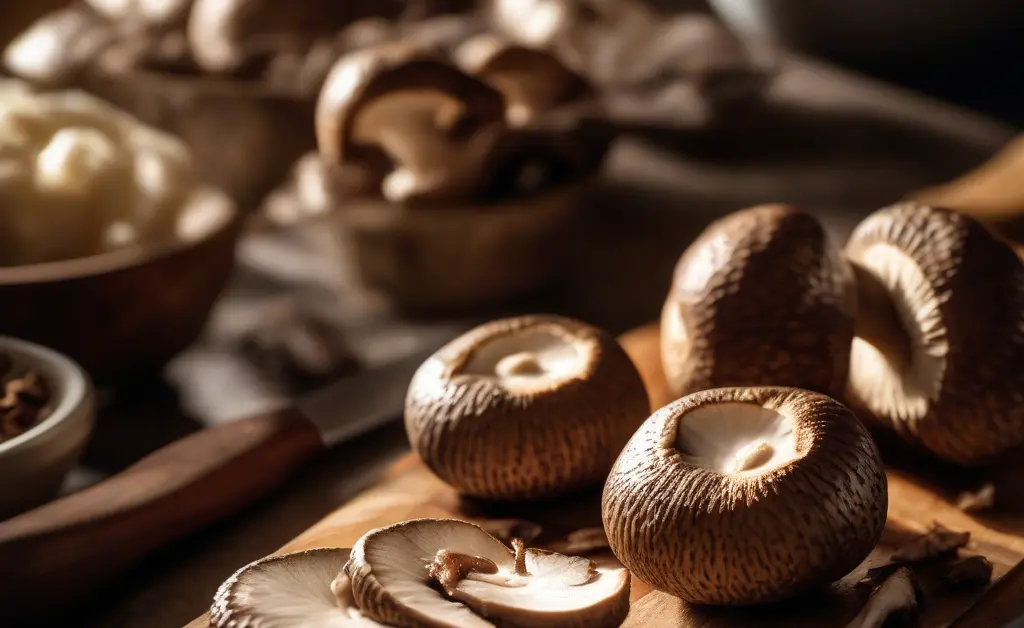
Proper cooking and preparation are essential to make Shiitake mushrooms palatable and safe for children. The goal is to achieve a soft texture that is easy to chew and digest, while also enhancing their natural flavor. Incorporating shiitake mushroom for kids into various meals can make healthy eating more enjoyable and diverse.
Incorporating into Meals and Recipes
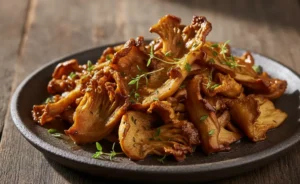
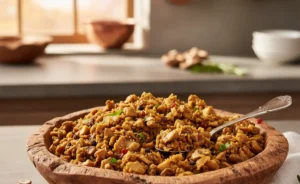
Shiitake mushrooms can be a versatile ingredient in many children-friendly meals. After cleaning and removing the tough stems, which can be fibrous, the caps can be sliced or diced. They can be sautéed with a little olive oil until tender and added to vegetable omelets, stir-fries, or pasta sauces. For a savory twist, finely chopped Shiitake mushrooms can be mixed into meatballs or meatloaf. They also work well in soups and stews, providing depth of flavor and nutrients. Always ensure the mushrooms are thoroughly cooked to a soft texture before serving to children.
Safety and Considerations for Serving Shiitake Mushrooms to Kids
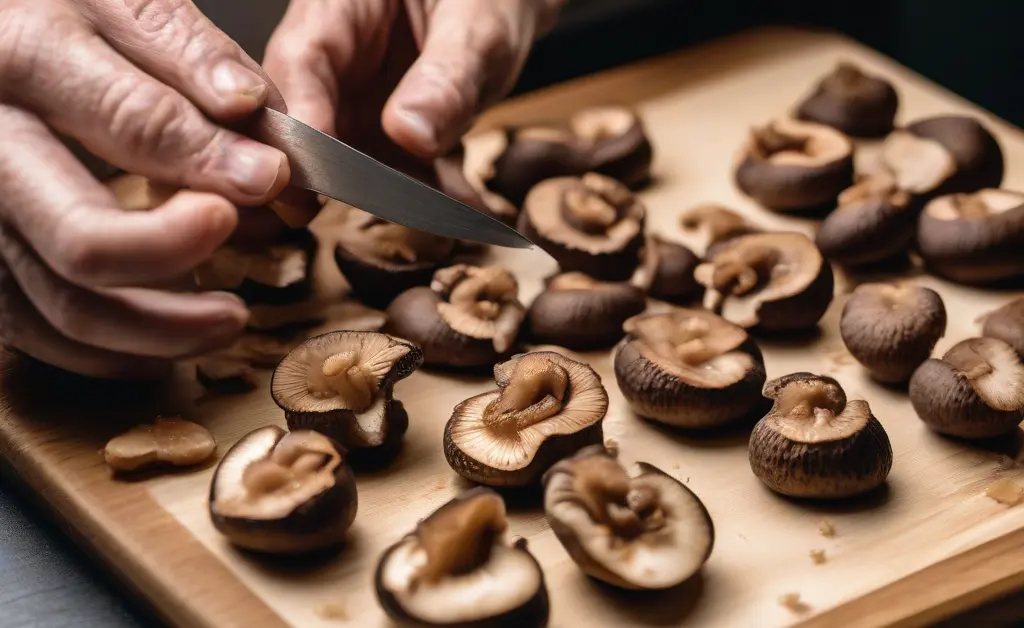
While Shiitake mushrooms offer many benefits, it’s crucial for parents to be aware of potential safety considerations, especially when serving them to young children. Understanding `allergic reactions` and `choking hazards` is paramount to ensuring a safe and positive eating experience when serving shiitake mushroom for kids.
Understanding Allergic Reactions
As with any `new foods introduction`, there’s a possibility of allergic reactions to Shiitake mushrooms, though they are not among the most common allergens. Parents should introduce Shiitake mushrooms as a single ingredient initially, waiting a few days before introducing other new foods. This makes it easier to identify if the mushroom is the cause of any reaction. Signs of a food allergy can include hives, rash, swelling, vomiting, diarrhea, or difficulty breathing. If any of these symptoms appear, discontinue use and seek immediate medical attention.
Minimizing Choking Risks
Shiitake mushrooms, due to their somewhat firm and chewy texture, can pose a `choking hazard` for babies and young toddlers if not prepared correctly. It is imperative to always remove the tough stems before cooking, as they are very fibrous. The caps should be thoroughly cooked until very soft and then finely chopped or pureed, depending on the child’s age and developmental stage. Avoid serving whole or large pieces of mushrooms to children under four years old. Always supervise children during mealtimes and ensure they are seated upright to further minimize `choking risks` and promote `food safety`.
Introducing Shiitake mushrooms into a child’s diet can be a nutritious and exciting culinary adventure for both parents and children. By following age-appropriate introduction guidelines, preparing them safely, and being mindful of potential allergic reactions and choking hazards, these flavorful fungi can become a beloved part of a healthy, diverse diet. As always, consulting with a pediatrician for personalized advice on infant and toddler nutrition is recommended to ensure the best outcomes for your child’s health and development.
This article aims to inform, not to replace professional healthcare advice. The information provided is for general knowledge and educational purposes only, and does not constitute medical advice. Always consult with a qualified healthcare professional for any health concerns or before making any decisions related to your health or the health of your children.
FAQ
— Are shiitake mushrooms safe for infants to eat?
Introducing solid foods to infants requires careful consideration, and mushrooms, including shiitake, are generally not recommended as one of the first foods. Their unique texture can pose a potential choking hazard for very young babies who are still developing their chewing and swallowing skills. It is typically advisable to wait until a baby is older and has experience with a variety of textures before introducing mushrooms.
— At what age can I introduce shiitake mushrooms to my baby?
The introduction of shiitake mushrooms, like any new food, should align with a baby’s developmental readiness, particularly their ability to chew and swallow safely. Many experts suggest waiting until a baby is closer to 12 months or has demonstrated proficiency with other textured foods. Consulting with a pediatrician or health professional can provide personalized guidance regarding dietary introductions.
— What are the nutritional benefits of shiitake mushrooms for toddlers?
Shiitake mushrooms are recognized for containing various nutrients that can contribute to a balanced diet for toddlers. They provide B vitamins, which are relevant to energy metabolism, and certain minerals like selenium and copper. The presence of beta-glucans in shiitake mushroom for kids also supports the immune system.
— How should shiitake mushrooms be cooked for a baby?
When preparing shiitake mushrooms for a baby, thorough cooking is essential to soften their texture and make them easier to digest. They should be cooked until very tender, either steamed, sautéed, or simmered in a liquid. This helps to reduce any potential choking hazards associated with firmer mushroom pieces.
— Can babies have an allergic reaction to shiitake mushrooms?
While less common than allergies to major food groups, any new food, including shiitake mushrooms, carries a potential for allergic reaction in babies. Introducing one new food at a time, and then waiting a few days before introducing another, allows caregivers to identify potential sensitivities. Observing for symptoms like rash, swelling, or digestive upset after consumption is advisable.
— What is the best way to prepare shiitake mushrooms for baby-led weaning?
For baby-led weaning, preparing shiitake mushrooms involves ensuring they are very soft and presented in an appropriate size and shape to minimize choking risks. Cooking them thoroughly until extremely tender, then cutting them into manageable strips or small, easily mashable pieces, is key. The goal is to provide a texture that babies can safely grasp, explore, and self-feed.