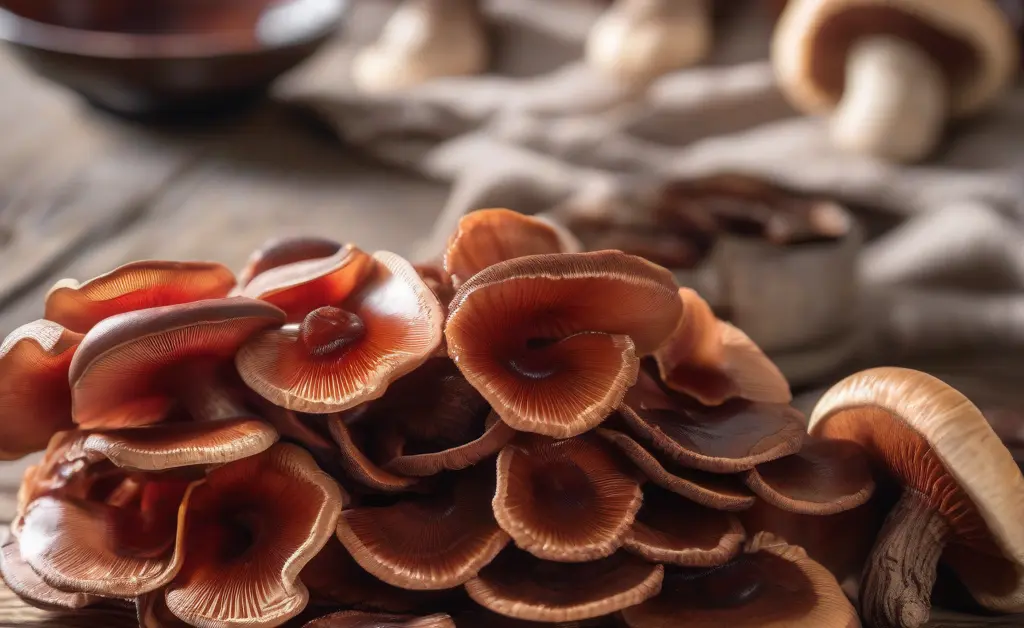
Reishi mushroom, known for its long-standing use in traditional medicine, has gained popularity as a natural supplement for supporting overall health. While its potential benefits are widely discussed, understanding the interactions it may have with various medications and health conditions is crucial. This is especially important given its influence on blood clotting and the immune system, which can affect the safety and efficacy of other treatments. Being informed about reishi mushroom interactions helps ensure that its use complements, rather than complicates, existing medical therapies. This article explores the key interactions, warnings, and precautions to consider when incorporating reishi mushroom into your health regimen.
Reishi Mushroom Interactions and Warnings
Effects on Blood Clotting
Reishi mushroom is commonly associated with influencing blood clotting mechanisms, primarily due to its bioactive compounds that may affect platelet aggregation and coagulation pathways. These effects can modify the body’s natural ability to form clots, which is a critical factor for individuals using medications that also impact blood coagulation. Because of this, reishi mushroom interactions related to blood clotting carry potential safety concerns, particularly for those at risk of bleeding or those undergoing surgical procedures. Understanding these effects is fundamental to managing the balance between its use as a natural remedy and the pharmacodynamics of conventional anticoagulant therapies.
Monitoring for Adverse Reactions
Given the complexity of reishi mushroom’s bioactive constituents, monitoring for adverse reactions is an essential precaution. Individuals incorporating reishi mushroom into their regimen should remain vigilant for any unexpected symptoms or side effects, especially when used alongside other medications. Symptoms such as unusual bruising, bleeding, or allergic responses may indicate adverse interactions. Continuous communication with healthcare providers is advisable to ensure that any potential side effects are promptly identified and managed to maintain overall safety during supplementation.
Common Medications That May Interact with Reishi Mushroom

Interactions with Anticoagulant and Antiplatelet Drugs
Reishi mushroom’s reputed effects on blood clotting raise concerns when combined with anticoagulant and antiplatelet medications. These drugs are designed to prevent clot formation or platelet aggregation, and the addition of reishi mushroom may potentiate their activity, potentially heightening bleeding risk. Such interactions necessitate careful consideration, as they can alter the effectiveness and safety profile of prescribed anticoagulants and antiplatelets. Awareness of these potential interactions is critical for patients and healthcare providers to avoid unintended complications.
Other Common Medications
Beyond anticoagulant and antiplatelet agents, reishi mushroom may interact with a variety of other common medications. These can include drugs metabolized by liver enzymes affected by reishi’s constituents, potentially altering drug levels and therapeutic outcomes. The variability in individual responses highlights the importance of understanding how reishi mushroom might influence the metabolism and efficacy of various pharmaceuticals, emphasizing the need for professional guidance when combining these substances.
Possible Effects on Blood Pressure Medications
There is evidence to suggest that reishi mushroom might impact blood pressure regulation, which raises considerations when used alongside antihypertensive medications. The mushroom’s potential to modulate vascular function or influence blood pressure parameters could interact with the pharmacological actions of blood pressure drugs. Such interactions may affect the overall control of hypertension, necessitating careful monitoring and consultation with healthcare professionals to avoid adverse outcomes. Studies available on PubMed provide further insights into these effects.
Reishi Mushroom and Diabetes Medications
Reishi mushroom has been studied for its possible effects on blood sugar regulation, which may have implications when used with diabetes medications. Its influence on glucose metabolism could interact with the mechanisms of antidiabetic drugs, potentially altering their effectiveness or safety. Due to the complexity of glycemic control and the risk of hypoglycemia or other side effects, cautious integration of reishi mushroom with diabetes treatments is recommended under medical supervision.
Interactions with Chemotherapy Agents
Given reishi mushroom’s immune-modulating properties, its interactions with chemotherapy agents warrant careful attention. Some components may influence immune responses or drug metabolism pathways, potentially affecting the pharmacodynamics of chemotherapeutic drugs. While some studies explore complementary benefits, the possibility of adverse interactions or altered treatment efficacy underscores the importance of professional oversight when considering reishi mushroom alongside cancer therapies.
Potential Effects on Sedatives and Sleep Aids
Reishi mushroom is sometimes used for its calming effects, which introduces considerations when combined with sedatives or sleep aids. The combined influence on the central nervous system could potentiate sedative effects, affecting alertness and coordination. Such interactions require awareness to prevent excessive sedation or other side effects, highlighting the need for careful assessment when integrating reishi mushroom with medications affecting the nervous system.
Interactions with Immunosuppressive Drugs
Reishi mushroom’s immune-modulating effects are particularly significant when used alongside immunosuppressive drugs. These medications suppress immune activity to prevent rejection or treat autoimmune conditions, whereas reishi mushroom may stimulate certain immune functions. This opposing activity could interfere with the intended effects of immunosuppressants, potentially impacting treatment outcomes. Recognizing this potential interaction is vital for managing therapies that rely on precise immune modulation.
Potential Effects of Reishi Mushroom on Blood Clotting
Effects on Blood Clotting
The influence of reishi mushroom on blood clotting is a recurring theme in its safety profile. Its constituents may affect platelet function and coagulation factors, which could either inhibit or alter clot formation. This modulation is a double-edged sword; while it may contribute to cardiovascular benefits in some contexts, it also introduces risks when combined with medications or conditions that affect bleeding. Thorough understanding and caution are necessary to navigate these effects safely. For more detailed information on reishi mushroom side effects, readers may refer to the linked source.
Precautions When Combining Reishi Mushroom with Other Supplements
Reishi Mushroom and Herbal Supplement Interactions
Combining reishi mushroom with other herbal supplements can lead to complex interactions, as many botanicals share overlapping bioactive properties. These interactions may amplify effects such as blood thinning, immune modulation, or sedation, increasing the potential for adverse reactions. Awareness of the cumulative impact of multiple supplements is important to avoid unintended consequences and to maintain a balanced approach to complementary medicine.
Considerations for Combining with Pain Relievers
Pain relievers, including non-steroidal anti-inflammatory drugs (NSAIDs) and acetaminophen, are commonly used alongside supplements like reishi mushroom. Since some pain relievers also influence blood clotting or liver metabolism, combining them with reishi may alter their pharmacokinetics or enhance side effects. Cautious consideration and consultation with healthcare providers can help mitigate risks associated with such combinations. Information on the reishi mushroom side effects related to pain relievers is available for further reading.
Understanding Reishi Mushroom’s Impact on Immune System Medications

Interactions with Immunosuppressive Drugs
As an immune system modulator, reishi mushroom has the potential to interact with immunosuppressive medications. These drugs are prescribed to dampen immune responses, whereas reishi may activate or regulate immune pathways differently. This dynamic could influence the effectiveness of immunosuppressive therapies or modify immune-related side effects. Careful evaluation and monitoring are advised when these substances are used concurrently.
Guidelines for Safe Use of Reishi Mushroom with Prescription Drugs

Impact on Liver Metabolism of Drugs
Reishi mushroom’s components may affect liver enzymes responsible for drug metabolism, such as the cytochrome P450 system. Alterations in these metabolic pathways can influence the concentration and activity of various prescription drugs, potentially leading to reduced efficacy or increased toxicity. Understanding these interactions is crucial for safe co-administration and highlights the importance of professional healthcare advice when integrating reishi mushroom with pharmacological treatments.
Monitoring for Adverse Reactions
Continuous monitoring for adverse reactions is an essential aspect of safely using reishi mushroom alongside prescription medications. Individuals should be attentive to any new or worsening symptoms, which might signal interaction effects or toxicity. Regular communication with healthcare providers facilitates early detection and management of such events, ensuring that reishi mushroom supplementation remains a complementary part of overall health management.
Understanding reishi mushroom interactions is vital for anyone considering its use within a broader health context. Due to its effects on blood clotting, immune modulation, and liver metabolism, reishi mushroom can influence the action of various medications, which underscores the importance of caution and professional guidance. Staying informed about these interactions helps to optimize the safe incorporation of reishi mushroom as a natural supplement.
Disclaimer: This article is intended for informational purposes only and does not constitute medical advice. Reishi mushroom interactions can vary based on individual health conditions and medications. Always consult a qualified healthcare professional before starting or combining supplements with prescription drugs. Neither the author nor the publisher assumes responsibility for any adverse effects resulting from the use of the information provided.
FAQ
— What medications should not be taken with reishi mushroom?
Certain medications, particularly those affecting blood clotting or the immune system, are often discussed in relation to reishi mushroom interactions. It is generally advisable to consult with a healthcare professional before combining reishi mushroom with anticoagulants, antiplatelet drugs, or immunosuppressants.
— How does reishi mushroom affect blood clotting?
Reishi mushroom is traditionally referenced for its potential influence on blood clotting mechanisms. It may have properties that can alter platelet aggregation or coagulation factors, which could affect the body’s natural clotting process.
— Can reishi mushroom interact with blood thinners?
There is some indication in the literature that reishi mushroom interactions with blood thinners could occur, potentially enhancing the anticoagulant effect. This interaction might increase the risk of bleeding complications, so cautious monitoring is often recommended.
— Is it safe to take reishi mushroom with prescription drugs?
Safety depends on the specific prescription drugs involved and individual health conditions. Reishi mushroom may interact with certain medications, making professional guidance essential to avoid unintended effects.
— What are the side effects of reishi mushroom interactions?
Side effects related to reishi mushroom interactions can vary but commonly include gastrointestinal discomfort or altered bleeding risk. In rare cases, immune-related reactions may also be observed.
— Are there any supplements that should be avoided with reishi mushroom?
Supplements that influence blood clotting or immune function might be traditionally advised against when combined with reishi mushroom. It is prudent to evaluate all supplements with a healthcare provider to ensure compatibility.
— How can reishi mushroom affect the effectiveness of other medications?
Reishi mushroom may modify the metabolism or bioavailability of some medications, potentially reducing or enhancing their effectiveness. This effect depends on the specific drug and individual response, making professional assessment important.
— What precautions should be taken when using reishi mushroom with other treatments?
Precautions include thorough consultation with healthcare professionals and careful monitoring for any adverse reactions or changes in treatment outcomes. Awareness of potential reishi mushroom interactions with concurrent therapies is essential for safe use.