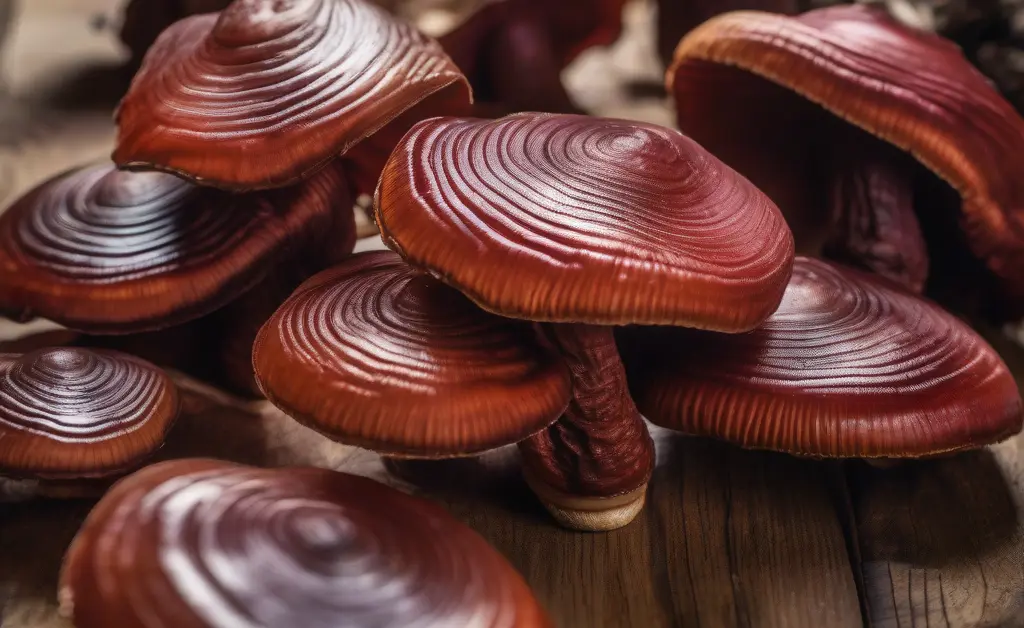
Reishi mushrooms have garnered significant attention for their potential therapeutic effects, particularly regarding respiratory wellness. As respiratory issues become increasingly common, understanding natural approaches to support lung function is valuable. This article delves into the various ways these fungi may contribute to respiratory health, including their influence on immune response, inflammation, and airway function. Drawing from scientific studies and traditional practices, the focus will be on how reishi mushroom benefits for lungs manifest through multiple biological mechanisms. By exploring current research and comparing reishi with other natural respiratory aids, readers can gain a comprehensive perspective on its role in maintaining and improving lung health.
Scientific Evidence on Reishi Mushroom Benefits for Lungs
Studies on Respiratory Infections
Scientific investigations have explored the potential of reishi mushrooms in addressing respiratory infections. These studies commonly highlight the immune-supportive activities of reishi’s bioactive compounds, which may enhance the body’s natural defense against pathogens affecting the respiratory tract. Research involving in vitro and animal models suggests that components of reishi can inhibit the growth of certain bacteria and viruses associated with lung infections. Additionally, some clinical observations indicate that reishi supplementation might help reduce the frequency or severity of respiratory infections, although more rigorous human trials are needed to confirm these findings conclusively.
Research on Chronic Respiratory Conditions
Chronic respiratory conditions, such as asthma and chronic obstructive pulmonary disease (COPD), involve persistent inflammation and impaired lung function. Research into reishi mushrooms has examined their potential role in modulating these conditions through anti-inflammatory and immunomodulatory pathways. Some studies suggest that reishi’s compounds may help alleviate symptoms by reducing airway inflammation and improving bronchial health. While promising, the current body of evidence is preliminary, emphasizing the need for further clinical research to determine the extent of reishi’s effectiveness and safety in managing chronic respiratory diseases.
How Reishi Mushrooms Support Respiratory Health
Immune System Modulation
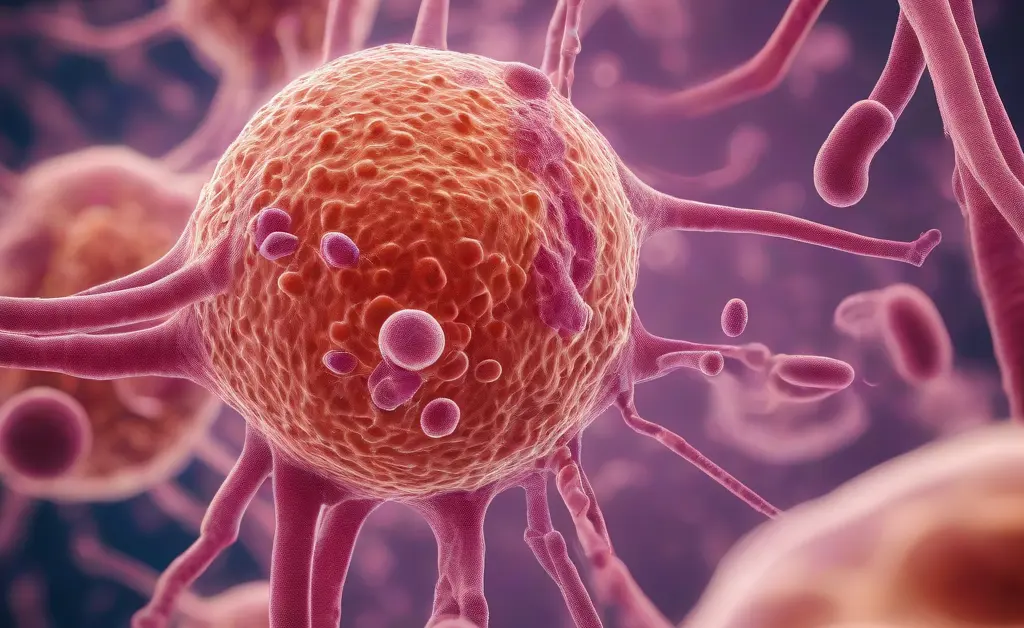
Reishi mushrooms are well-regarded for their capacity to modulate the immune system. This immune modulation involves enhancing the activity of certain immune cells, such as macrophages and natural killer cells, which play crucial roles in identifying and responding to respiratory pathogens. By supporting immune surveillance and regulation, reishi may contribute to a more balanced immune response that helps protect lung tissue from infection and excessive inflammation.
Anti-inflammatory Effects
Inflammation is a key factor in many respiratory ailments. The anti-inflammatory effects of reishi mushrooms are attributed to their ability to influence signaling pathways that regulate inflammatory mediators. These effects may help reduce swelling and irritation within the airways, potentially easing breathing difficulties and promoting respiratory comfort. The anti-inflammatory properties also contribute to the overall maintenance of healthy lung tissue by mitigating chronic inflammatory damage.
Role in Reducing Mucus Production
Excessive mucus production can obstruct airways and worsen respiratory symptoms. Reishi mushrooms have been traditionally used to help regulate mucus secretion, supporting clearer airways and improved airflow. The bioactive compounds in reishi may influence the glands responsible for mucus production, promoting a balance that prevents excessive buildup without compromising the protective functions of mucus in the respiratory tract.
Influence on Allergic Responses
Allergic reactions in the respiratory system often involve heightened immune sensitivity leading to symptoms like bronchoconstriction and inflammation. Reishi mushrooms may exert a modulatory effect on allergic responses by helping to regulate immune hypersensitivity. This can potentially result in reduced airway reactivity and improved tolerance to allergens, contributing to better management of conditions like allergic rhinitis and asthma.
Reishi Mushroom and Airway Function
Maintaining optimal airway function is essential for effective respiration. Reishi mushrooms are believed to support airway health through several mechanisms, including promoting smooth muscle relaxation and protecting the alveoli from damage. These effects may enhance airflow and oxygen exchange, thereby contributing to overall lung function. Additionally, reishi’s antioxidant properties help preserve airway integrity by counteracting oxidative stress that can compromise respiratory tissues. For more information on reishi’s benefits beyond respiratory health, see reishi mushroom benefits for eyes.
Mechanisms Behind Reishi Mushroom Benefits for Lungs
Polysaccharides and Beta-Glucans
Polysaccharides, particularly beta-glucans, are among the most studied bioactive compounds in reishi mushrooms. These molecules are known for their immune-supportive activities, including stimulating immune cells that defend against respiratory pathogens. Beta-glucans may also help modulate inflammatory responses, contributing to a balanced immune environment in the lungs. Their ability to enhance immune function without overstimulation makes them key players in the respiratory benefits associated with reishi.
Triterpenes and Their Role
Triterpenes, a group of chemical compounds found in reishi, exhibit a range of biologically active properties relevant to lung health. They are recognized for their anti-inflammatory and antimicrobial effects, which may help reduce airway inflammation and inhibit the growth of respiratory pathogens. Triterpenes also contribute to the antioxidant capacity of reishi, protecting lung tissues from oxidative damage and supporting tissue repair processes. These properties are similar to other organ-specific benefits such as those found in reishi mushroom for liver health.
Antimicrobial Properties
Reishi mushrooms demonstrate antimicrobial properties that can be beneficial in defending against respiratory infections. These properties stem from multiple compounds that collectively inhibit the proliferation of bacteria, viruses, and fungi that commonly affect the lungs. By reducing microbial load and supporting immune defenses, reishi may help maintain a healthier respiratory environment and reduce the risk of infection-related complications. According to the WHO, maintaining immune health is essential for preventing respiratory infections.
Effects on Lung Tissue Repair
After injury or inflammation, the repair of lung tissue is critical for restoring normal function. Certain compounds in reishi have been studied for their potential to promote tissue regeneration and healing within the respiratory system. These effects may involve stimulating cellular repair mechanisms and reducing fibrosis, thereby aiding in the recovery of lung structure and function following damage caused by infections or chronic inflammation.
Impact on Oxidative Stress in Lungs
Oxidative stress contributes to the progression of many respiratory conditions by damaging cells and tissues in the lungs. The antioxidant constituents of reishi mushrooms help neutralize free radicals, reducing oxidative stress and its harmful effects. This protective action supports respiratory health by maintaining cellular integrity and preventing deterioration of lung function over time. For additional health benefits related to rest and recovery, reishi mushrooms are also studied for their effects on reishi mushroom for sleep.
Traditional Uses of Reishi Mushrooms for Lung Health
In traditional herbal medicine, reishi mushrooms have been valued for centuries as an adaptogen and a remedy for respiratory ailments. Historically, they were used to alleviate symptoms such as coughing, wheezing, and breathlessness, supporting bronchial health and overall lung function. Traditional practices often involved preparing reishi as teas, tinctures, or powders, emphasizing its role in promoting longevity and respiratory vitality. These uses laid the foundation for contemporary interest in reishi’s respiratory benefits and continue to influence modern applications.
Comparing Reishi Mushrooms to Other Natural Respiratory Supports
When compared to other natural respiratory supports like eucalyptus, ginger, or licorice root, reishi mushrooms offer a distinctive combination of immune modulation, anti-inflammatory effects, and antioxidant protection. Unlike some herbs that primarily focus on symptomatic relief, reishi’s broad spectrum of bioactive compounds targets multiple aspects of respiratory health, including immune regulation and tissue repair. This multifaceted approach positions reishi as a complementary option within herbal respiratory care, often used alongside other natural supports to enhance overall respiratory wellness.
Potential Respiratory Conditions Influenced by Reishi Mushrooms
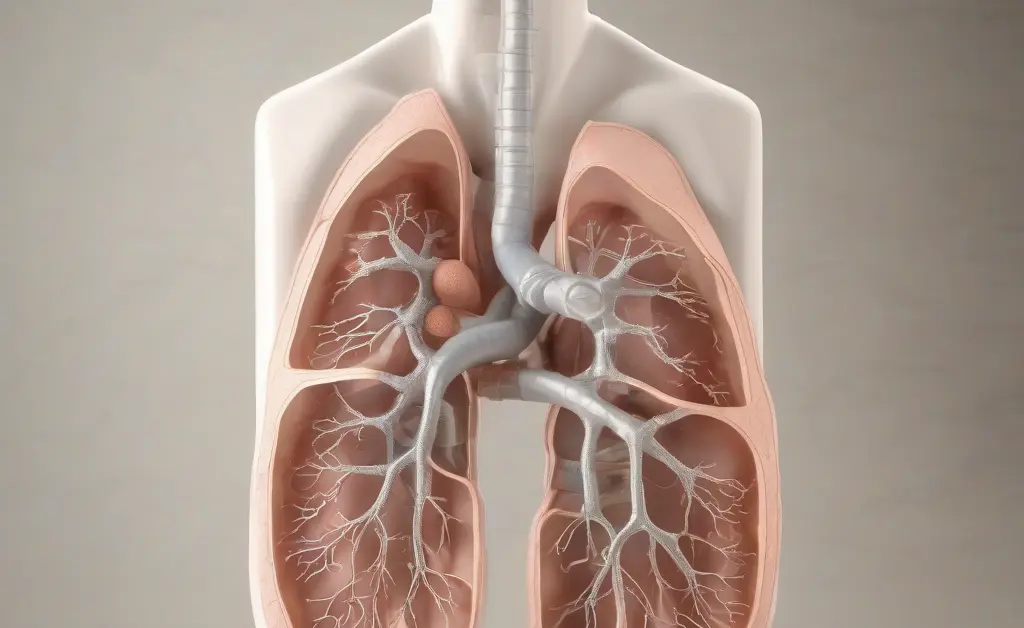
Reishi mushrooms are commonly associated with potential benefits in a range of respiratory conditions. These include acute respiratory infections, where immune support and antimicrobial activity may be advantageous, as well as chronic conditions marked by inflammation and airway constriction. While evidence is still emerging, reishi’s influence on immune modulation, inflammation reduction, and lung tissue protection suggests it may play a supportive role in managing the health of individuals experiencing respiratory challenges. It is important to consider that responses can vary, and reishi is typically viewed as a complementary approach rather than a standalone treatment.
In summary, exploring the reishi mushroom benefits for lungs reveals a complex interplay of bioactive compounds that collectively support respiratory health. Through immune system modulation, anti-inflammatory actions, antimicrobial properties, and antioxidant effects, reishi mushrooms contribute to maintaining lung function and potentially alleviating various respiratory concerns. While traditional uses and scientific studies both underscore its value, ongoing research continues to clarify the full extent of its respiratory benefits.
Disclaimer: The information provided in this article is intended for educational purposes only and does not constitute medical advice. Reishi mushrooms are studied for their potential health effects, but individual responses may vary. Always consult with a healthcare professional before incorporating new supplements or treatments, especially if you have existing health conditions or are taking medications. This content does not replace professional diagnosis or treatment.
FAQ
— How does reishi mushroom improve lung function?
Reishi mushrooms contain compounds that are traditionally believed to support lung health by reducing inflammation and enhancing immune response. These effects may contribute to improved respiratory function, although individual results can vary.
— Can reishi mushrooms help with asthma or allergies?
Reishi mushrooms are often discussed for their potential to modulate the immune system, which might be beneficial in managing symptoms related to asthma or allergies. However, evidence is mostly anecdotal or preliminary, so further research is needed to confirm these effects.
— What are the active ingredients in reishi mushrooms that benefit the lungs?
Key components such as polysaccharides, triterpenoids, and antioxidants found in reishi mushrooms are commonly studied for their anti-inflammatory and immune-supportive properties. These ingredients are thought to play a role in supporting respiratory health.
— Are there any scientific studies supporting reishi mushroom for respiratory health?
Some studies have explored the effects of reishi mushrooms on respiratory conditions, finding potential anti-inflammatory and immunomodulatory benefits. However, more rigorous clinical trials are necessary to establish definitive conclusions.
— How should I take reishi mushrooms for lung benefits?
While specific guidelines are not well established, reishi mushrooms are available in various forms such as teas, extracts, or supplements. It is advisable to consult with a healthcare professional before incorporating them into a respiratory health routine.
— What traditional uses of reishi mushrooms relate to lung health?
In traditional medicine, reishi mushrooms have been used to promote lung function and alleviate coughing or other respiratory discomforts. This historical use reflects a long-standing belief in their supportive role for the respiratory system.
— Are there any known side effects when using reishi mushrooms for lungs?
Reishi mushrooms are generally considered safe for most people, but some may experience mild side effects like digestive upset or allergic reactions. It is important to monitor for any adverse responses, especially when used alongside other treatments.
— Can reishi mushrooms be combined with other respiratory health practices?
Yes, reishi mushrooms may be used in conjunction with conventional respiratory care and lifestyle practices such as breathing exercises or avoiding pollutants. Integrating multiple approaches can sometimes enhance overall lung health.
The reishi mushroom benefits for lungs are an area of ongoing exploration, blending traditional knowledge with emerging scientific inquiry.