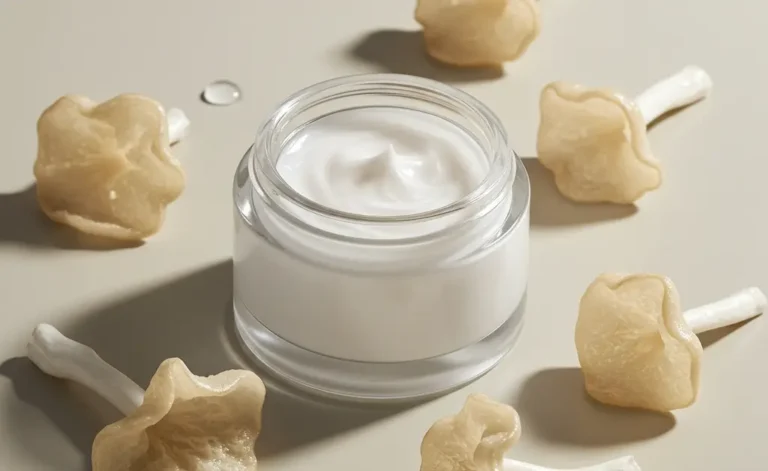
In the journey of pregnancy and early motherhood, expectant and new parents meticulously consider every aspect of their health and diet to ensure the well-being of both mother and child. With a growing interest in natural health solutions, many are exploring the potential benefits of various dietary additions, including mushroom supplements. As these natural compounds gain recognition for their diverse properties, a crucial question emerges: how safe and effective are mushroom supplements during pregnancy and breastfeeding? This period demands careful consideration of all intakes, prompting a closer look at the available evidence, potential benefits, and necessary precautions associated with these intriguing fungi. Understanding the nuances is paramount for informed decision-making.
Mushroom Supplements During Pregnancy and Breastfeeding: An Overview
The increasing interest in natural wellness solutions has brought mushroom supplements into the spotlight for various health applications. These products, derived from different species of fungi, are often revered for their potential adaptogenic and immune-modulating properties, attributed to bioactive compounds like polysaccharides and beta-glucans. For individuals navigating the delicate phases of pregnancy and breastfeeding, the consideration of any new dietary addition, including mushroom supplements during pregnancy and breastfeeding, warrants a comprehensive understanding of their safety profiles and potential impacts.
Why Consider Mushroom Supplements During This Time?
Expectant and new mothers often seek natural ways to support their overall health, manage the demands of their changing bodies, and ensure robust immune health. Mushroom supplements are frequently explored for their traditional use in promoting vitality and wellness. The appeal lies in their potential to offer nutritional support and contribute to the body’s natural resilience, which can be particularly desirable during periods of significant physiological change and increased energy expenditure.
Potential Benefits of Mushroom Supplements for Expecting and New Mothers
While the specific effects of mushroom supplements in pregnancy require more dedicated research, many types are recognized for properties that could indirectly support maternal well-being. These potential benefits stem from their rich composition of various compounds.
Immune System Support
Many medicinal mushrooms are known for their capacity to support the immune system. Compounds such as beta-glucans are studied for their role in modulating immune responses, which could be beneficial during pregnancy and postpartum when the body undergoes significant immune adjustments. Maintaining a healthy immune system is a key aspect of maternal health.
Energy and Vitality Boost
The adaptogenic qualities found in certain mushroom species are often associated with supporting the body’s ability to cope with physical and mental stressors, which can manifest as fatigue. For expecting and new mothers, who frequently experience demands on their energy levels, maintaining vitality is crucial for managing daily responsibilities and promoting overall well-being.
Nutritional Contributions
Mushrooms are a source of various nutrients, including B vitamins, selenium, potassium, and antioxidants. While the concentration of these nutrients can vary significantly in supplement form, they may contribute to the overall nutritional support required for maternal health and the healthy development of the baby. Some mushroom supplements are also explored for their potential to support gut health.
Postpartum Recovery Support
The postpartum period is a time of intense recovery and adjustment. Adaptogenic mushroom supplements may potentially aid the body in its healing process, helping to restore balance and mitigate the effects of stress. This support can be a valuable component of a holistic approach to recovery after childbirth.
Continued Nutritional Benefits
Beyond the initial postpartum phase, mothers continue to have unique nutritional needs, especially if they are breastfeeding. Some mushroom supplements may offer sustained nutritional contributions that support the mother’s ongoing health and, indirectly, the quality of breast milk for the baby. This emphasizes the importance of a comprehensive approach to maternal well-being throughout lactation.
Safety and Precautions: What to Know Before Taking Mushroom Supplements

Considering mushroom supplements while pregnant or breastfeeding requires a cautious and informed approach. The safety of both the mother and the developing baby is paramount, making it essential to understand potential risks and limitations.
Potential Side Effects and Interactions
Like any herbal supplement, mushroom supplements can potentially cause side effects such as digestive upset, allergic reactions, or skin rashes in sensitive individuals. Furthermore, certain bioactive compounds in mushrooms may interact with medications, including those commonly prescribed during pregnancy or postpartum. It is crucial to be aware of these possibilities and discuss them with a healthcare provider.
Potential Impact on Breast Milk
Limited research exists regarding the transfer of compounds from mushroom supplements into breast milk and their subsequent effects on the infant. Given this lack of specific data, caution is generally advised. The principle of “better safe than sorry” often applies when considering any substance that could potentially be passed to a breastfeeding baby.
Current Research Limitations
Most clinical studies investigating the efficacy and safety of medicinal mushroom supplements have not specifically included pregnant or breastfeeding individuals. This significant gap in research means that information on the unique physiological responses and potential risks in these populations is largely unavailable. Therefore, the long-term effects on fetal development or infant health remain largely unstudied.
The Importance of Consulting Your Healthcare Provider
Due to the specific and sensitive nature of pregnancy and breastfeeding, it is critically important to consult a healthcare provider before introducing any new supplement, including mushroom supplements. A doctor, midwife, or registered dietitian can provide personalized guidance based on an individual’s health history, current medications, and specific circumstances, ensuring informed and safe decisions.
Mushrooms Before, During, and After Pregnancy
The consideration of incorporating mushroom supplements while breastfeeding or during pregnancy extends to understanding how their use might be perceived across different stages of maternal life.
Mushroom during pregnancy first trimester
The first trimester is a crucial period for fetal development, as major organs begin to form. During this delicate phase, extreme caution is advised regarding all intakes, including herbal supplements. Given the lack of specific safety data for mushroom supplements in early pregnancy, many healthcare providers recommend avoiding them unless explicitly approved and monitored.
Mushroom during pregnancy second trimester
As pregnancy progresses into the second trimester, some of the most critical organ development has occurred, yet the baby continues to grow and mature rapidly. While some concerns might lessen slightly compared to the first trimester, the general recommendation for caution with mushroom supplements remains, due to ongoing fetal development and limited research.
Mushroom during pregnancy third trimester
The third trimester focuses on continued growth and preparation for birth. At this stage, concerns about potential interactions, effects on labor, or transfer to the baby remain relevant. It is essential for expectant mothers to continue prioritizing the safety of both themselves and their baby, seeking professional medical advice for any dietary or supplement decisions.
Common Medicinal Mushrooms and Their Considerations
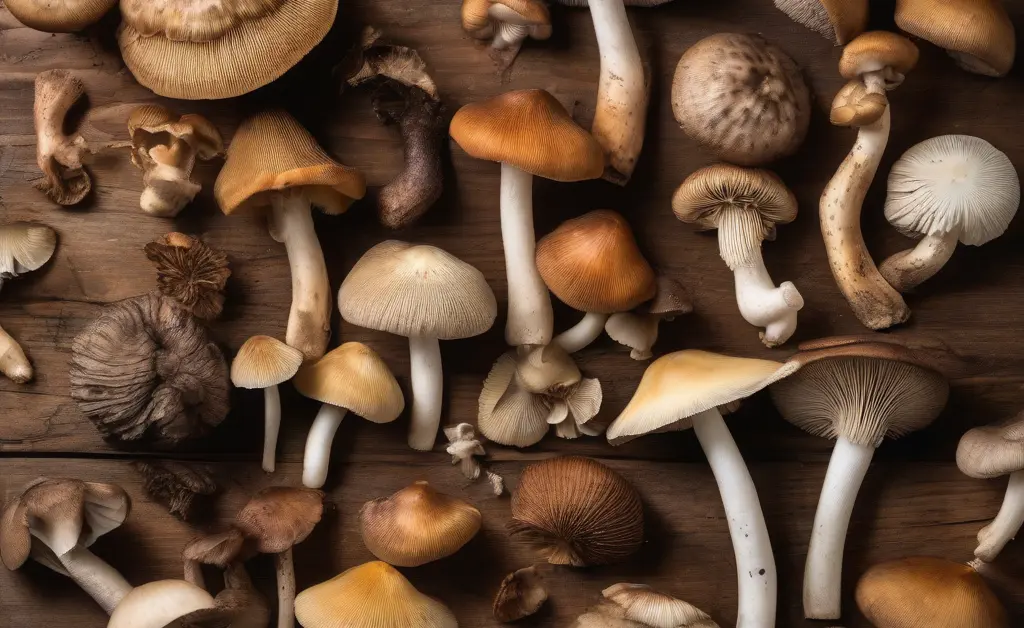
Different types of medicinal mushrooms possess unique profiles and traditional uses, necessitating distinct considerations when evaluating them for pregnancy and breastfeeding.
Mushroom Types to Approach with Caution
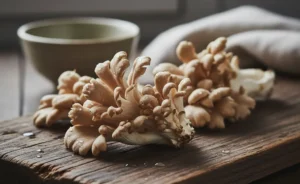
While some mushrooms are considered generally safe as culinary items when cooked, the concentrated forms found in supplements can have more potent effects. Less common or extensively studied mushroom varieties may pose unknown risks, especially when taken in higher concentrations. It is always prudent to exercise caution with any mushroom supplement that lacks substantial safety data for pregnant or lactating populations.
Reishi mothers, Reishi babies: pregnancy, postpartum and breastfeeding
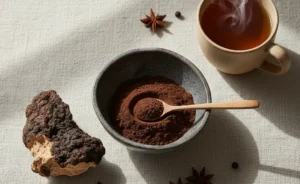
Reishi mushroom is a well-known adaptogen, traditionally used to promote calm and support immune health. While Reishi has been revered in various cultures, specific clinical studies on its safety and efficacy during Reishi mushroom during pregnancy, postpartum, or breastfeeding are scarce. Therefore, even with its long history of traditional use, a cautious approach is recommended for mothers considering Reishi for themselves or its potential impact on their babies.
White mushroom during pregnancy
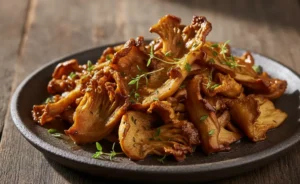
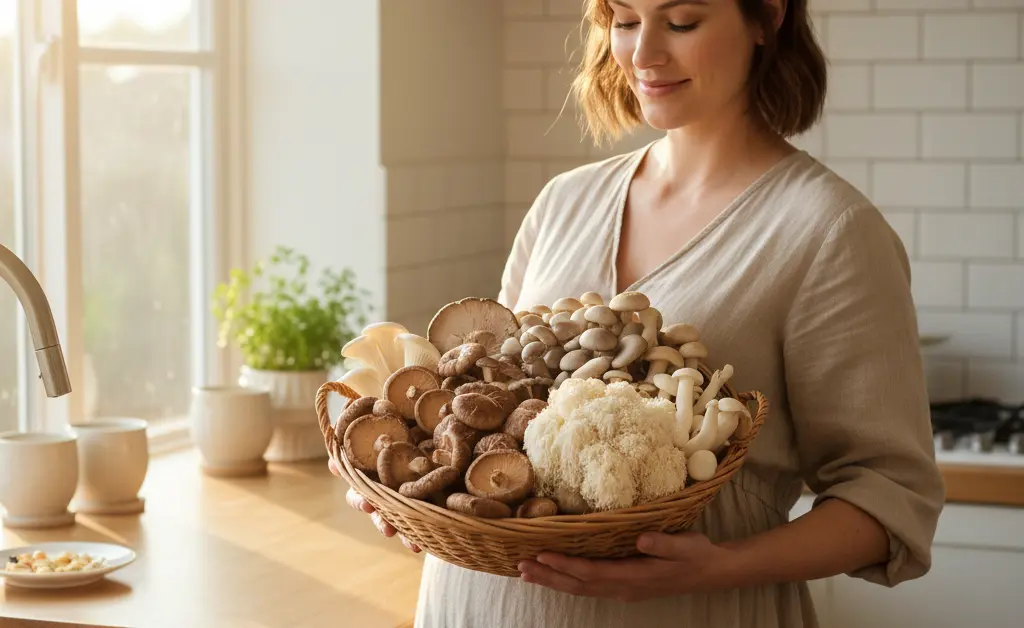
Common culinary mushrooms, such as white button mushrooms (Agaricus bisporus), portobello, and cremini, are generally considered safe to consume when thoroughly cooked during pregnancy. These are typically eaten as food rather than taken as concentrated supplements. The distinction between whole, cooked culinary mushrooms and potent mushroom extracts or supplements is critical when evaluating safety during pregnancy and breastfeeding.
Choosing and Using Mushroom Supplements Responsibly
For those considering mushroom supplements, responsible selection and usage are critical, especially during sensitive periods like pregnancy and breastfeeding.
Quality, Purity, and Sourcing Considerations
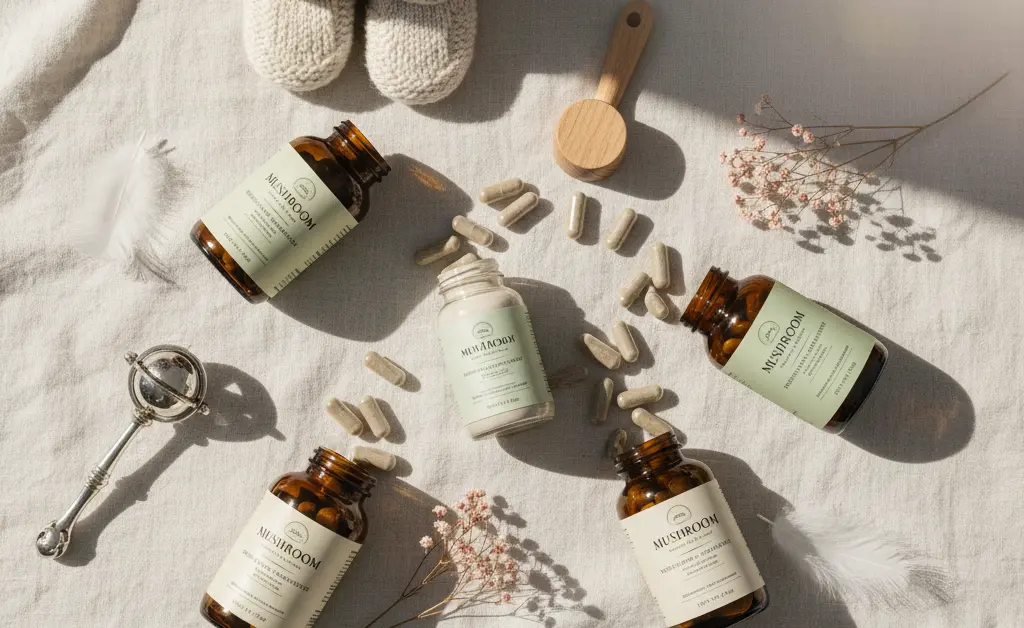
When selecting any mushroom supplement, prioritizing quality, purity, and transparent sourcing is paramount. Look for reputable brands that provide third-party testing results to confirm the absence of contaminants like heavy metals, pesticides, and microbial impurities. Regulatory bodies like the EFSA provide guidelines on food and supplement safety. Understanding whether a supplement is derived from the fruiting body or mycelium, and its concentration of active compounds, can also inform your choice. However, even with high-quality products, the overarching principle for pregnant and breastfeeding individuals remains to consult a healthcare professional before use.
The decision to use mushroom supplements during pregnancy and breastfeeding is complex, involving a balance of potential benefits against the imperative of safety. While these natural compounds offer intriguing possibilities for immune support, energy, and overall well-being, the limited specific research in expectant and new mothers necessitates a cautious approach. Prioritizing open communication with healthcare providers, making informed choices about product quality, and understanding the current research landscape are fundamental steps for anyone considering mushroom supplements during pregnancy and breastfeeding.
The information in this article is intended for knowledge purposes only. It is not a substitute for professional medical advice, diagnosis, or treatment. Always seek the advice of your physician or other qualified health provider with any questions you may have regarding a medical condition. Never disregard professional medical advice or delay in seeking it because of something you have read in this article. Reliance on any information provided in this article is solely at your own risk.
FAQ
— Are mushroom supplements safe during pregnancy?
The scientific community lacks extensive, dedicated research on the safety of mushroom supplements specifically for pregnant individuals. Due to the delicate and unique physiological changes that occur during pregnancy, caution and personalized guidance are always recommended. It is important to remember that safety profiles for general populations do not automatically extend to pregnant women.
— Which medicinal mushrooms are safe for breastfeeding?
Limited dedicated research exists regarding the safety profile of specific medicinal mushrooms for individuals who are breastfeeding. Since compounds can pass into breast milk, potentially affecting the infant, a cautious approach is generally advised. Reliable scientific data to confirm the universal safety of various mushroom species during this period is not broadly available.
— Can Reishi mushroom be taken while pregnant or breastfeeding?
While Reishi mushroom is known for its adaptogenic properties and historical use in traditional practices, there is a distinct lack of clinical studies specifically evaluating its safety during pregnancy or breastfeeding. Given the potential for active compounds to cross the placenta or enter breast milk, expert guidance is particularly important. This ensures a careful consideration of individual health circumstances before use.
— What are the benefits of mushroom supplements for pregnant women?
Functional mushrooms are widely studied for their potential to support overall wellness, contributing to aspects like immune system balance and stress management in general adult populations. However, specific research demonstrating direct benefits of mushroom supplements specifically for pregnant women, differentiating from non-pregnant individuals, is currently quite limited. This area requires more targeted scientific investigation to draw definitive conclusions.
— Do mushroom supplements affect breast milk or the baby?
Any substance ingested by a breastfeeding individual has the potential to transfer into breast milk, which could then affect the baby. The specific compounds found in mushroom supplements and their precise effects on breast milk composition or infant health are not extensively documented in dedicated research. Therefore, understanding potential interactions and impacts requires careful consideration.
— How much mushroom supplement can I take when pregnant?
Determining an appropriate quantity of any supplement during pregnancy is a highly individualized decision that should always involve a healthcare professional. Due to the unique physiological demands and potential sensitivities during this period, general recommendations for non-pregnant adults do not apply. Providing specific dosage instructions falls outside the scope of general wellness information.
— Should I consult a doctor before taking mushroom supplements while breastfeeding?
Given the limited research on mushroom supplements during pregnancy and breastfeeding, consulting with a healthcare professional is highly relevant before considering their use. An informed discussion allows for an assessment of your individual health status, potential interactions with other supplements or medications, and any specific concerns related to lactation. This proactive step helps ensure decisions are made with the utmost care for both parent and infant.