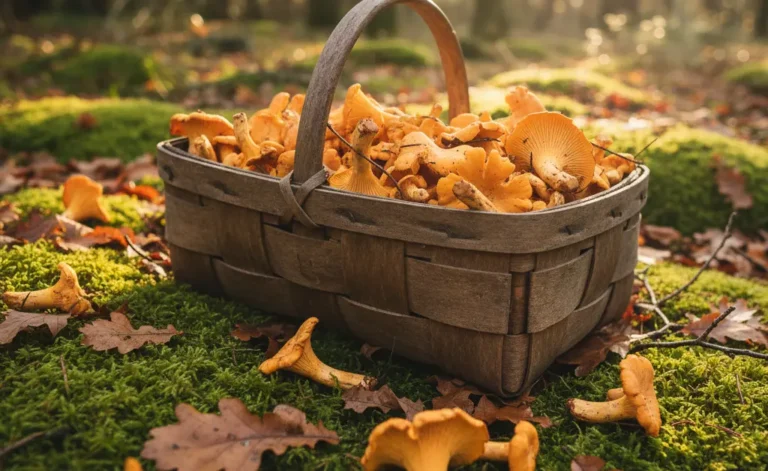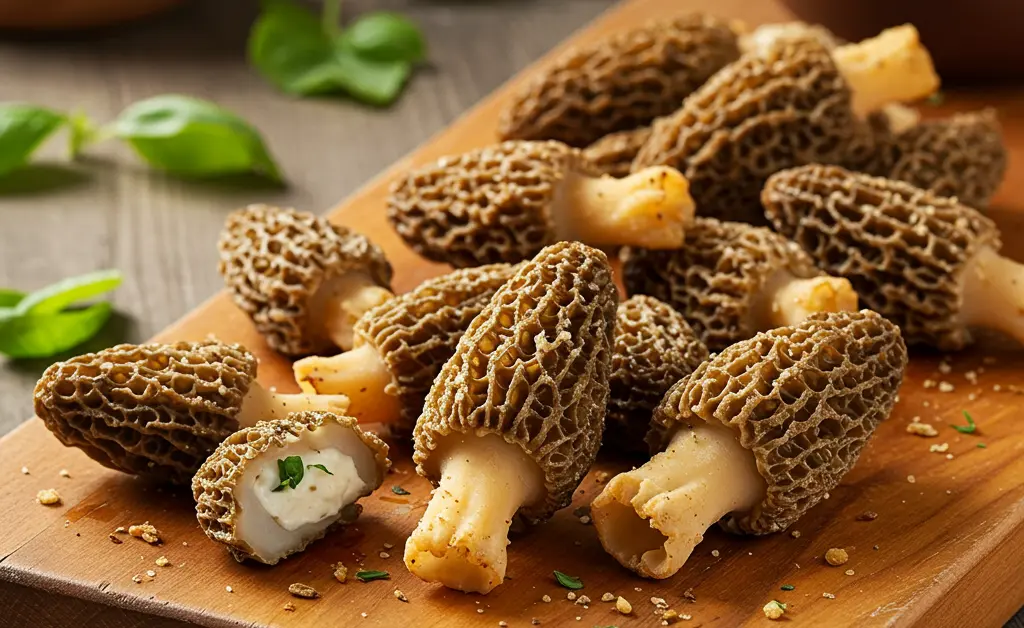
After a long morning hike through the damp woods, there’s no greater reward than a basket heavy with freshly foraged morels. The earthy, nutty aroma fills the kitchen as they’re cleaned, each one a unique honeycomb treasure. The anticipation builds for that first crispy, golden-brown bite of the season—a flavor that is both delicate and profound. Achieving that perfect texture, however, where the batter enhances rather than overwhelms the mushroom’s unique taste, can be a challenge. Over the years, I’ve found that a simple yet well-balanced morel mushroom batter recipe is the key to transforming these wild delicacies into an unforgettable dish. It’s all about creating a light, crisp coating that seals in moisture and complements the morel’s distinct flavor without being too heavy.
Morel Mushroom Batter Recipe Overview
The goal of a great morel batter is to create a delicate, crispy shell that highlights the mushroom’s earthy flavor, rather than masking it. A successful batter is thin enough to get into the morel’s unique nooks and crannies but substantial enough to provide a satisfying crunch. The ideal mixture strikes a balance, adhering well to the mushroom without becoming heavy or greasy after frying. It acts as a protective layer, steaming the morel on the inside while the outside becomes perfectly golden-brown. This overview provides the foundation for a versatile and simple morel mushroom batter recipe that can be easily adapted to your personal taste.
Simple Morel Mushroom Batter Recipe
A simple yet effective batter relies on a few fundamental ingredients that are likely already in your pantry. The classic approach involves combining all-purpose flour, an egg, and a liquid like milk or water. These components are whisked together with basic seasonings, such as salt and pepper, to form a smooth mixture. The egg provides structure and richness, while the flour creates the body of the crust. The liquid thins the batter to the proper coating consistency. This straightforward method is beloved for its reliability and for allowing the distinct, nutty taste of the morel to remain the star of the dish.
Ingredients for the Perfect Morel Batter
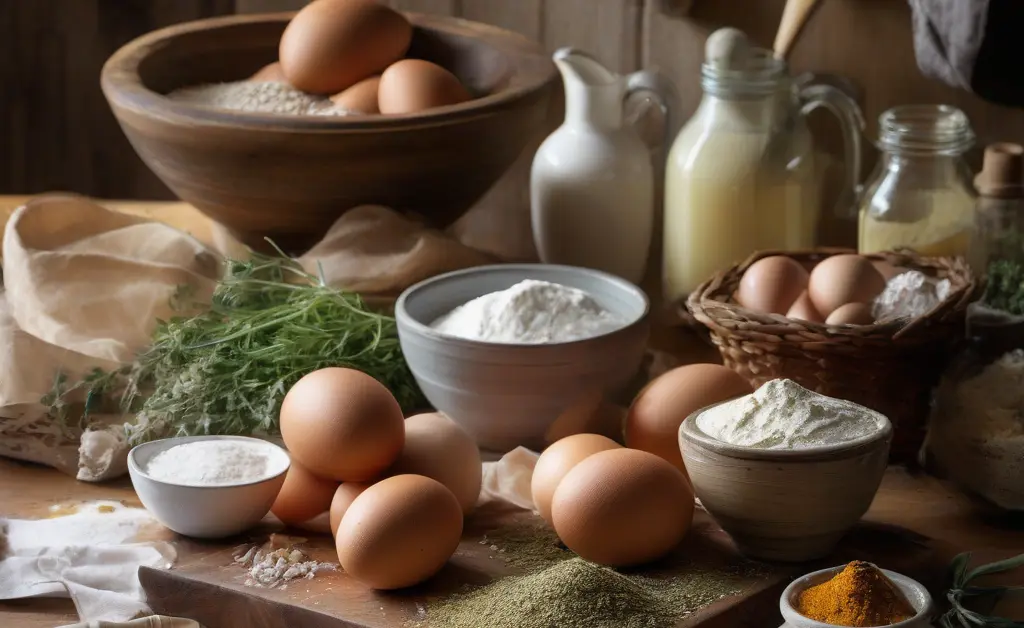
Selecting the right ingredients is the first step toward achieving a flawless coating for your morels. While a basic batter is excellent, understanding the role of each component allows for adjustments that can elevate the final product from good to great. The quality of your flour, the type of liquid you choose, and the seasonings you add all contribute to the texture and flavor profile of the finished mushrooms. A well-crafted morel mushroom batter recipe respects the delicate nature of the main ingredient.
Essential Batter Components
The core of any morel batter consists of three main parts: flour, liquid, and a binder. All-purpose flour is a reliable choice, providing a light yet sturdy structure. For the liquid component, milk or buttermilk can add a subtle tang and richness that complements the earthy mushrooms. Water is a simpler alternative that results in a slightly lighter, crisper crust. An egg is typically used as a binder, helping the batter adhere to the mushroom’s intricate surface and contributing to the golden color when fried. This is a key component for all morel mushroom and chicken recipes as well.
Optional Flavor Enhancers for the Batter
While a simple salt and pepper seasoning is sufficient, adding other spices can introduce another layer of flavor. A small amount of garlic powder or onion powder can enhance the savory notes of the dish without overpowering the morels. For a hint of warmth, a pinch of cayenne pepper or smoked paprika can be incorporated into the dry ingredients. Some cooks also enjoy adding finely chopped fresh herbs like parsley or chives to the batter, which can provide a fresh, bright contrast to the rich, fried coating.
Step-by-Step: Making and Using Your Morel Batter
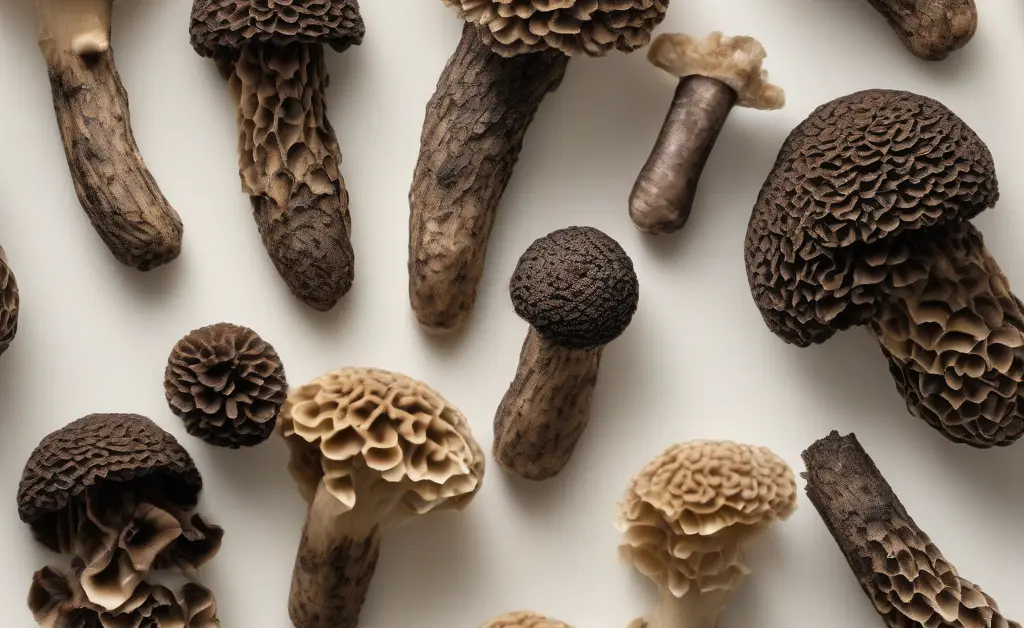
The process of preparing and using the batter is just as important as the ingredients themselves. Proper technique ensures a consistent coating and a perfectly cooked mushroom every time. Before you even begin mixing, it’s crucial to have your morels properly cleaned and prepared. A clean, dry surface is essential for the batter to adhere properly. The simple process outlined in this morel mushroom batter recipe will guide you from mixing to coating for exceptional results.
Mixing the Batter to Ideal Consistency
To prepare the batter, start by whisking your dry ingredients—flour and seasonings—in a medium-sized bowl. In a separate bowl, whisk the wet ingredients, such as the egg and milk or water. Gradually pour the wet mixture into the dry ingredients, whisking continuously until the batter is smooth. Be careful not to over-mix, as this can develop the gluten in the flour and result in a tough, chewy coating rather than a light, crispy one. The final consistency should resemble that of a thin pancake batter, able to coat the back of a spoon without being too thick or watery. This technique is essential for successful morel mushroom fried dishes.
Coating Morels Evenly
Before dipping, ensure your morels are clean and thoroughly dry. Any excess moisture will prevent the batter from sticking. You can pat them dry with a paper towel. Hold each morel by the stem and dip it into the batter, turning it to ensure the entire surface is coated. Allow any excess batter to drip off for a few seconds. A thin, even coating is ideal; a thick layer can become greasy and will obscure the delicate flavor of the mushroom. Place the coated morels on a wire rack or a plate in a single layer as you work, making sure they don’t touch.
Tips for Frying Battered Morel Mushrooms
Frying is the final, crucial step that transforms a battered morel into a crispy, golden delicacy. Success depends on several factors, including the type of oil, maintaining the correct temperature, and not overcrowding the pan. The right technique will yield mushrooms that are perfectly cooked on the inside with a crunchy, non-greasy exterior. Even the best morel mushroom batter recipe can be let down by improper frying, so paying attention to these details is key.
Beer Battered Morels
For an exceptionally light and crispy crust, consider making beer battered morels. Simply substitute a light-bodied beer, like a pilsner or lager, for the milk or water in your batter recipe. The carbonation in the beer creates tiny air pockets as the mushrooms fry, resulting in a uniquely airy and crunchy texture. The beer also adds a subtle, yeasty flavor that pairs wonderfully with the earthy morels. When frying, use a neutral oil with a high smoke point, such as canola, vegetable, or peanut oil. Maintain an oil temperature that allows the batter to turn golden brown in just a few minutes, ensuring the mushroom steams perfectly inside. Work in small batches to prevent the oil temperature from dropping, which can lead to soggy results. This method ensures great results even for morel mushrooms for kids.
Serving Your Delicious Battered Morels
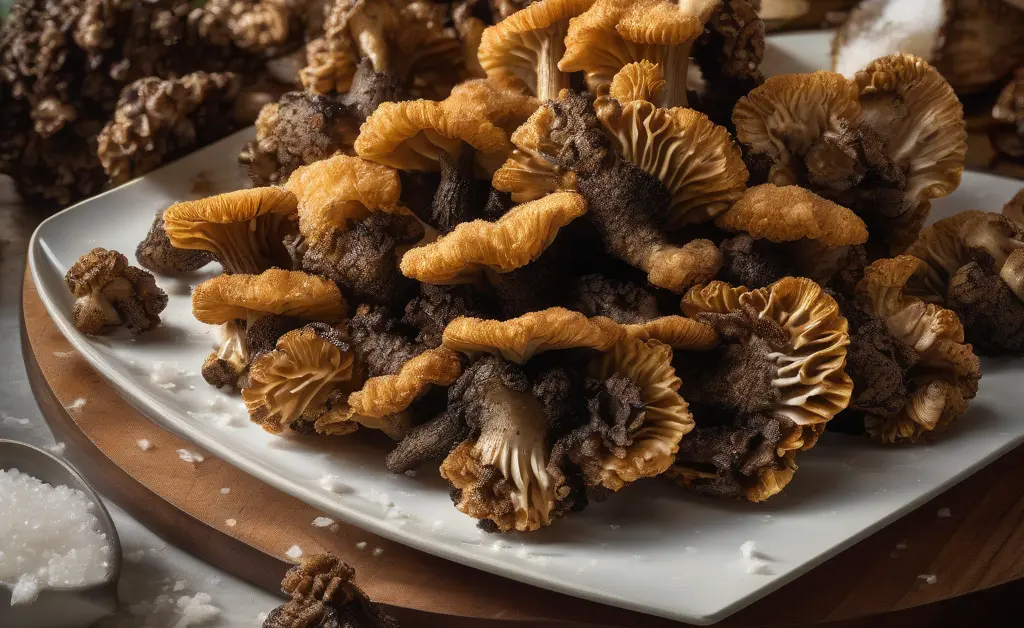
Battered morel mushrooms are at their absolute best when served immediately after frying. The contrast between the hot, crispy exterior and the tender, savory mushroom inside is the hallmark of this dish. Arrange them in a single layer on a serving platter, perhaps lined with a paper towel to absorb any residual oil. A simple sprinkle of flaky sea salt is often all that is needed to finish them. For dipping, a creamy aioli, a simple ranch dressing, or a tangy remoulade sauce makes an excellent accompaniment. To keep them crispy while you finish frying batches, you can place the cooked morels on a wire rack set over a baking sheet in a warm oven. For food safety guidelines concerning foraging and preparation, consult resources from the CDC.
In conclusion, the art of frying morel mushrooms is centered on a batter that complements rather than conceals their unique character. By using simple, quality ingredients and following proper techniques for mixing and frying, you can achieve a delightfully crispy coating that seals in the mushroom’s moisture and earthy flavor. Whether you prefer a classic preparation or a light beer batter, this seasonal delicacy offers a truly rewarding culinary experience, transforming a successful forage into an unforgettable meal.
not applicable
FAQ
What is a good batter recipe for morel mushrooms?
A classic approach involves coating morel mushrooms in a mixture of flour, egg, and breadcrumbs before frying. This creates a crispy exterior that complements the unique texture of the morels. Achieving the right consistency for the batter is key to ensuring even coating and a delightful crunch.
What ingredients are in a typical morel mushroom batter?
A typical batter for morel mushrooms usually includes all-purpose flour, eggs, and milk or water to create a coating consistency. Often, seasoned breadcrumbs are used in conjunction with or as part of the batter to enhance flavor and texture. Some recipes may also incorporate cornstarch for added crispness.
Can you make morel mushroom batter gluten-free?
Absolutely, gluten-free options for morel mushroom batter are readily achievable. By substituting traditional flour with gluten-free flour blends and using gluten-free breadcrumbs, you can create a delicious crispy coating. This adaptation ensures that individuals with gluten sensitivities can enjoy this delicacy.
What are common seasonings for morel batter?
Common seasonings for morel batter often include salt and black pepper to enhance the earthy flavor of the mushrooms. Garlic powder, onion powder, and paprika are also frequently added to provide depth and a hint of warmth. A touch of cayenne pepper can introduce a subtle kick if desired.