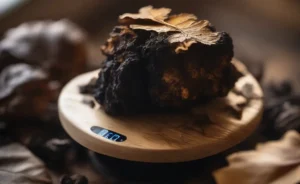

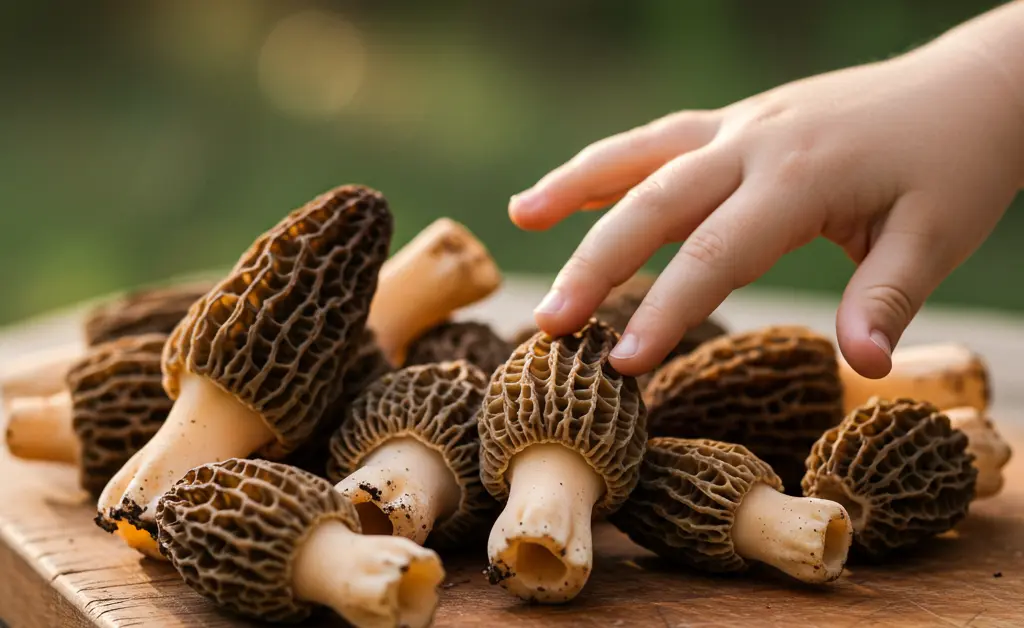
As more families embrace foraging and farm-to-table eating, unique ingredients are finding their way into the family kitchen. This shift toward natural, locally sourced foods often inspires parents to expand their children’s palates beyond the usual grocery store fare. With the arrival of spring, the prized morel mushroom becomes a focal point for many foragers and home cooks, leading many to wonder about the safety and appropriateness of serving these delicacies to younger family members. Before sharing this seasonal treat, it’s essential to understand the best practices for introducing morel mushrooms for kids, from proper identification and cooking to age-appropriate serving methods. This guide covers the key considerations for parents looking to safely share this woodland treasure.
Introducing Morel Mushrooms to Children
Bringing morel mushrooms into a child’s diet can be an exciting culinary adventure, connecting them to the seasons and the natural world. However, like any new and unique food, the introduction should be done thoughtfully and cautiously. It’s a chance to teach children about where food comes from, but the primary focus must always be on safety. Morels have a distinct, rich flavor and a unique texture that may be different from any mushroom a child has tried before. Starting slowly and presenting them in a familiar, appealing way can help make the experience positive and successful for young eaters.
Recommended age for introduction
There is no single “correct” age for introducing morels, as readiness for new foods varies greatly from one child to another. Generally, parents should consider introducing morels only after their child is comfortably eating a wide variety of solid foods, including other cooked vegetables and mushrooms with different textures. For toddlers, the ability to chew foods thoroughly is a key milestone. Because morels are a wild food with a complex structure, it is wise to wait until a child’s digestive system is more mature. The decision should align with recognizing readiness for solids and be based on the individual child’s developmental stage and dietary history, not a specific age.
Morel Mushroom Hunting with the Kids
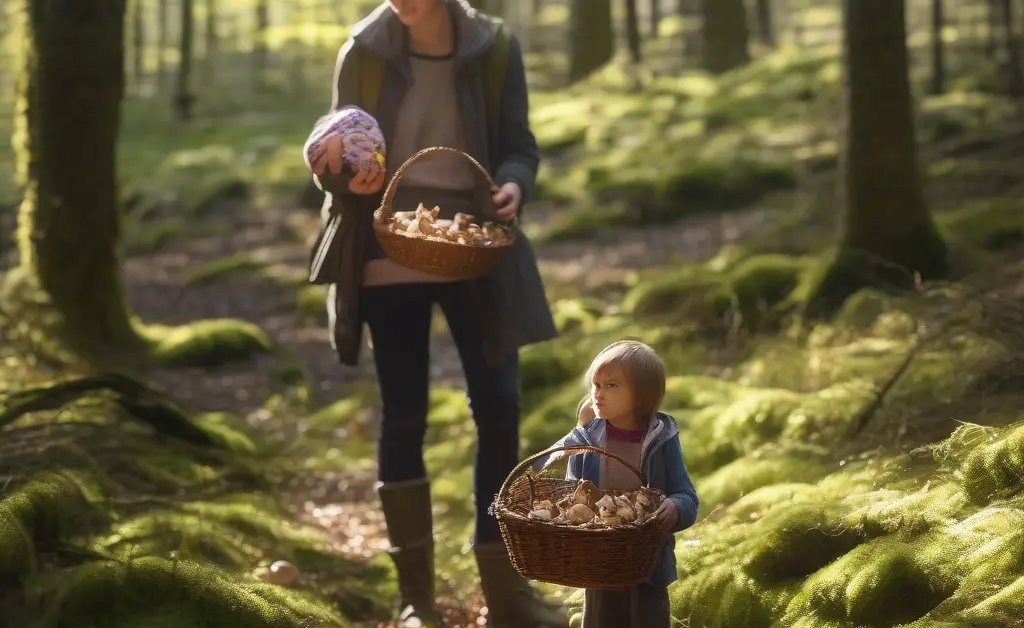
Getting kids involved in morel mushroom hunting can transform a simple walk in the woods into a thrilling treasure hunt. This activity offers a wonderful opportunity to teach children about forest ecosystems, patience, and the rewards of careful observation. When teaching kids about foraging, safety is paramount. Always supervise children closely and instill the number one rule of foraging: never eat anything directly from the wild without an expert’s positive identification and proper preparation. Arming them with their own small basket and showing them the distinctive honeycomb-like appearance of a morel can make them feel like an important part of the expedition.
Morel mushrooms for kids recipe
When preparing morels for younger palates, simplicity is key. A gentle introduction is often the most successful. Instead of serving them whole, which can be texturally overwhelming, consider a simple sauté. After thoroughly cleaning the morels, finely chop them and sauté them in butter or oil until they are completely cooked and tender. This cooked mushroom mixture can then be incorporated into familiar dishes. For example, it can be stirred into scrambled eggs, folded into an omelet, mixed into a creamy morel mushroom sauce, or blended into a mild risotto. This approach allows the child to experience the rich, earthy flavor of the morel in a subtle way, within the context of a dish they already enjoy.
For more specific culinary ideas, parents might look for dedicated morel mushroom recipes.
Safe Preparation and Serving for Young Eaters
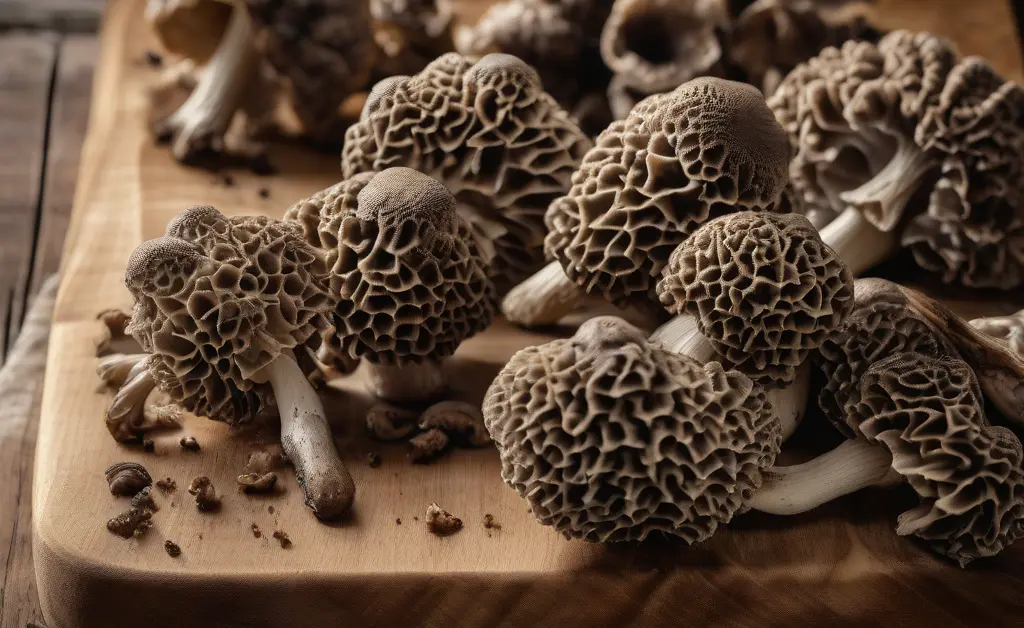
The single most important rule when serving morels—to adults or children—is that they must be cooked thoroughly. Raw or undercooked morels can cause significant stomach upset. The essential cleaning and cooking steps are not optional. Begin by cleaning the morels meticulously to remove any dirt, debris, or insects from their hollow stems and pitted caps. After cleaning, they should be cooked until tender all the way through, which ensures they are safe for consumption and easier to digest. Ensuring thorough cooking is paramount, whether you are simply sautéing them or preparing fried morel mushrooms for older family members. Observing these safety tips for eating wild mushrooms is fundamental when considering morel mushrooms for kids.
Appropriate portion sizes
When introducing any new food, especially a complex one like a wild mushroom, it is best to start with a very small portion. A single, finely chopped mushroom or a spoonful of a purée mixed into a larger dish is a sensible starting point. This cautious approach allows you to gauge how your child’s system responds to the new ingredient without overwhelming it. Based on their reaction and enjoyment, you can gradually consider slightly larger servings on future occasions, always keeping portions modest for young children.
Texture modification techniques
The meaty, somewhat chewy texture of a whole morel can be challenging for babies and toddlers. Modifying the texture is essential for safety and acceptance. For the youngest eaters who are comfortable with purées, thoroughly cooked morels can be blended with a little water, broth, or a familiar vegetable to create a smooth consistency. For toddlers, mincing or dicing the cooked mushrooms very finely before adding them to dishes like pasta sauce, mashed potatoes, or meatloaf is an excellent strategy. This breaks down the fibers and makes the mushrooms easy to chew and swallow, reducing any potential choking hazard. These techniques can also be applied to create a flavorful morel mushroom dip, perfect for crackers or vegetables.
Monitoring for adverse reactions
After your child eats morels for the first time, pay close attention to them for the next day or so, just as you would with any new food introduction. The goal is to monitor for any signs of an adverse reaction, such as digestive upset or indications of a potential food sensitivity or allergy risk. While true allergies to morels are not common, individual sensitivities can occur with any food. Introducing morels on a day when no other new foods are being served makes it easier to identify the cause if a reaction does occur. For comprehensive health information and research, resources like the NIH provide valuable insights into various dietary considerations. When dealing with morel mushrooms for kids, this observation step is a critical part of a safe introduction.
Morel Facts for Kids
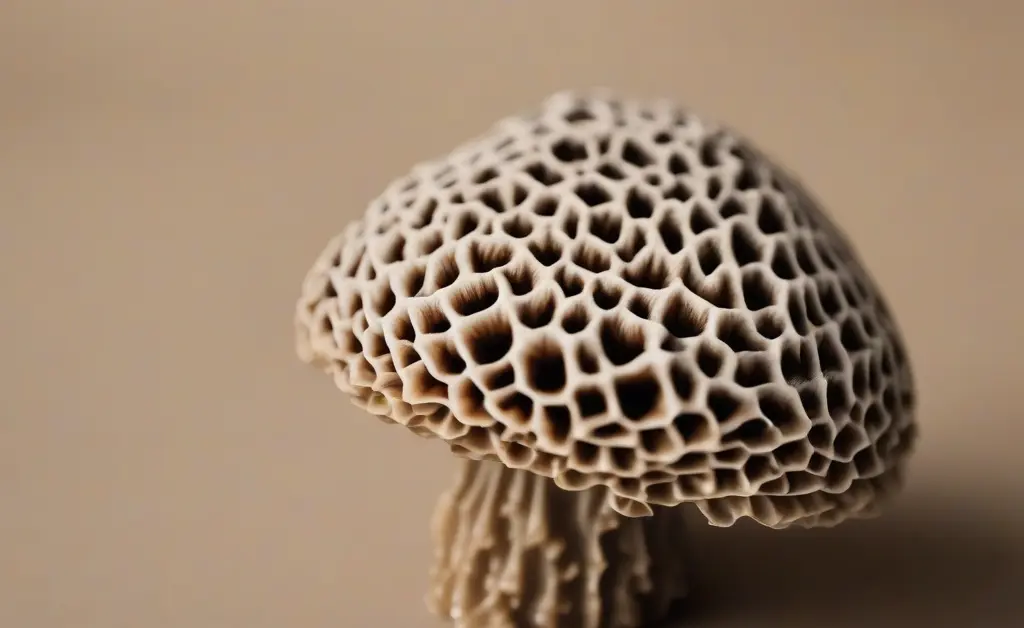
Sharing some fun facts about morels can make eating them even more exciting for children. You can explain that these special mushrooms have a brainy, honeycomb-like cap and are completely hollow on the inside, which is why they are great at hiding little bugs and bits of dirt that need to be washed out. Morels are mysterious because they only pop up in the spring for a very short time, often near certain types of trees. They are considered a wild treasure because they can’t be farmed like the mushrooms we usually see in the grocery store. Touching on the nutritional benefits of morels for kids, you can mention that they contain good things for our bodies, like some vitamins and dietary fiber that helps our tummies work well.
Introducing children to unique, natural foods like morels can be a deeply rewarding experience for the whole family. It fosters an appreciation for nature’s bounty and helps develop a more adventurous and varied palate. By prioritizing safety through positive identification, meticulous cleaning, and thorough cooking, parents can confidently share this seasonal delicacy. Starting with small, age-appropriate portions and modified textures ensures a gentle introduction. With patience and care, morel mushrooms can become a cherished family tradition, marking the arrival of spring with a special treat from the wild.
Readers should understand that this article does not offer medical diagnosis or treatment. The information provided is for educational and informational purposes only and should not be considered a substitute for professional medical or dietary advice. Parents should always consult with a pediatrician or a qualified healthcare provider for personalized guidance regarding their child’s diet and health. Decisions about introducing new foods, especially wild ones, should be made in consultation with a professional who understands your child’s specific health needs.
When can babies eat morel mushrooms?
Introducing solid foods, including mushrooms, to babies is typically recommended around six months of age. It’s important to ensure any mushrooms given to babies are thoroughly cooked and pureed to a smooth consistency to prevent choking hazards.
Are morel mushrooms safe for toddlers?
Yes, morel mushrooms can be safe for toddlers when prepared properly and introduced gradually. Ensure they are fully cooked, as raw mushrooms can be difficult to digest and may cause stomach upset.
How do I cook morel mushrooms for a child?
Morel mushrooms for children should always be cooked thoroughly to enhance digestibility and eliminate potential contaminants. Simple preparation methods like sautéing or roasting until tender are effective.
What are the health benefits of morels for kids?
Morel mushrooms offer nutrients like B vitamins and minerals that support energy metabolism and overall well-being. They can contribute to a balanced diet for growing children.
Can young children have morel mushrooms?
Young children can consume morel mushrooms once they have started solid foods and are accustomed to a variety of textures. Always ensure thorough cooking and cut them into small, manageable pieces to minimize choking risks.
Is there a risk of allergy to morel mushrooms in infants?
While uncommon, allergic reactions to any new food, including morel mushrooms, are possible in infants. Introducing any new food one at a time allows for easier identification of potential sensitivities.
What portion size of morels is suitable for a baby?
For babies just beginning solids, start with a very small portion of thoroughly cooked and pureed morel mushrooms. Observing for any adverse reactions is key before offering larger amounts.