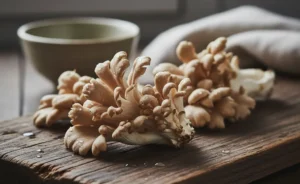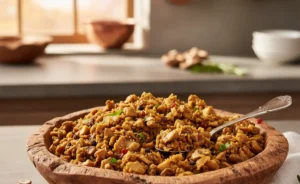

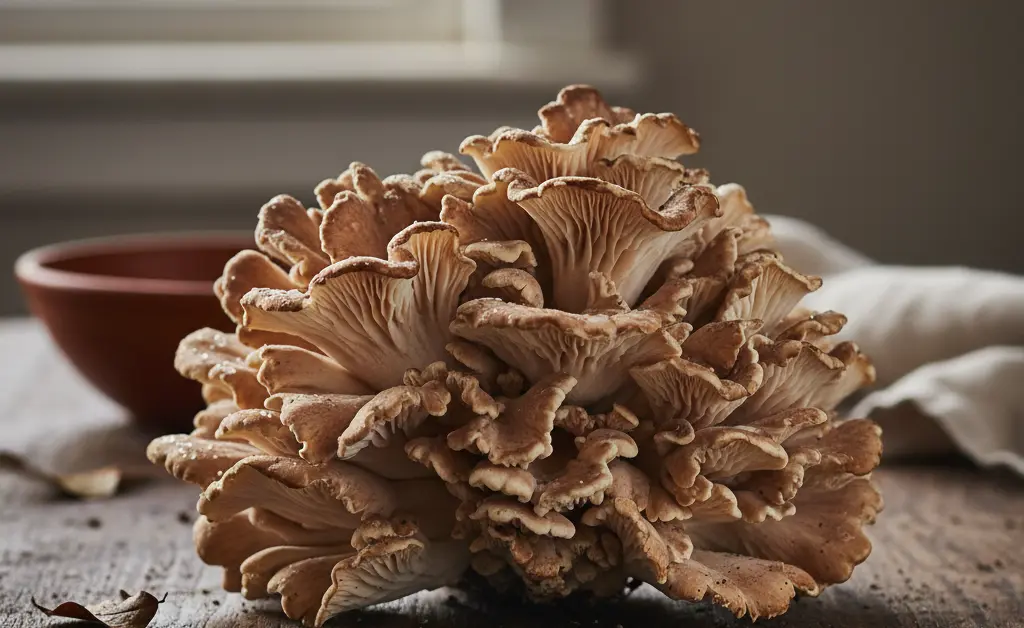
Ever wondered about the best places to find maitake mushrooms in the USA? This distinctive fungus, often called ‘Hen of the Woods’ due to its ruffled, feather-like appearance, has become a culinary and health-conscious favorite. Appreciated for its earthy flavor, unique texture, and potential health benefits, maitake is a highly sought-after ingredient in kitchens and wellness routines nationwide. From dedicated foragers exploring autumnal forests to discerning chefs sourcing the freshest produce, understanding its origins and availability is key. This comprehensive guide delves into everything you need to know about purchasing, foraging, and preparing maitake mushrooms across the United States, providing insights into its cultivation, wild habitats, market presence, and culinary versatility to help you fully appreciate this remarkable fungi.
Understanding Maitake (Hen of the Woods) Mushrooms in the USA
Maitake, scientifically known as Grifola frondosa, is a fascinating polypore mushroom celebrated for its unique appearance and potential wellness properties. In the United States, its popularity continues to grow, both among culinary enthusiasts and those interested in its traditional uses as a medicinal mushroom. While this guide focuses on the US market, the demand for the maitake mushroom in Australia is also notable. Often referred to as “Hen of the Woods” due to its clumping, feathery growth reminiscent of a brooding hen, this mushroom is recognized for its rich umami flavor and meaty texture.
Cultivated vs. Wild-Foraged in the US
The maitake mushroom available across the USA primarily comes from two sources: cultivation and wild foraging. Wild-foraged maitake typically appears in clusters at the base of trees during the fall season and is highly prized by foragers and chefs for its intense flavor and firm texture. These wild specimens often possess a robust earthiness that some find more pronounced than their cultivated counterparts. Cultivated maitake, on the other hand, is grown in controlled environments, making it more consistently available throughout the year. While it still offers the characteristic umami and texture, its flavor profile can sometimes be milder. The choice between cultivated and wild often comes down to personal preference, availability, and the specific culinary application.
Understanding Organic Certification
For those seeking cultivated maitake mushrooms, understanding organic certification is crucial. Organic certification for mushrooms in the USA ensures that the growing medium, production methods, and handling comply with strict national organic standards. This typically means the mushrooms are grown without synthetic pesticides, fertilizers, or genetically modified organisms. When purchasing cultivated maitake, looking for an organic label can provide assurance about the quality and purity of the product. This is particularly relevant for consumers interested in the potential health benefits of maitake, as it ensures a cleaner product free from unwanted chemical residues.
Maitake Mushroom USA: Where to Buy
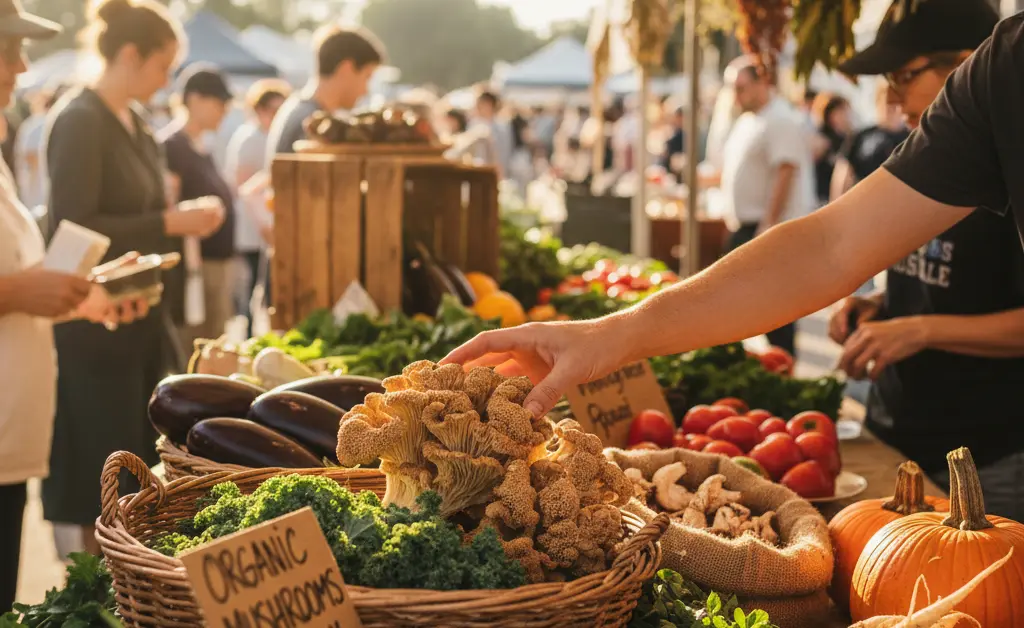
Finding high-quality maitake mushrooms in the USA can be an exciting quest, whether you’re looking for fresh, dried, or powdered forms. Knowing where to buy maitake mushroom is key to enjoying this gourmet fungi. The availability can vary significantly depending on your location and the season, but with growing demand, more options are emerging for this gourmet fungi.
Where to buy Maitake mushroom near me
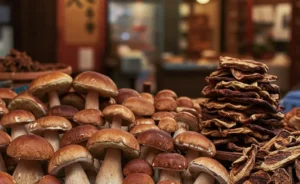
For fresh maitake, your best bet is often local specialty produce stores, health food markets, and larger grocery chains with robust produce sections. When buying fresh, look for visual cues of freshness: the mushroom should be firm to the touch, with distinct, crisp edges on its fronds. Avoid any with slimy or overly soft spots, or a strong, off-putting odor. The aroma to expect from fresh maitake is pleasantly earthy and subtle. Some areas, particularly those near prime foraging grounds, may have local suppliers or small shops that specialize in wild or cultivated mushrooms. Inquire with local gourmet food shops or reputable greengrocers about their current stock and sourcing for the maitake mushroom USA market.
Where to Find Maitake for Sale Online
Online retailers offer a convenient way to purchase various forms of maitake. You can find fresh frozen organic maitake mushrooms, which retain much of their texture and flavor, or dried organic USA maitake mushrooms, which are excellent for rehydration in broths, soups, and stews. Maitake is also commonly sold online as a supplement in powder or capsule form, often marketed for immune support or as an adaptogen due to its beta-glucans content. While many natural products are studied for their properties, it’s important to consult authoritative health resources like the WHO for established health information. When buying online, check the supplier’s reputation and customer reviews, especially for fresh products, to ensure quality and proper handling during shipping.
Checking Local Farmers’ Markets and Specialty Stores
Farmers’ markets are an excellent resource for seasonal, locally sourced produce, including maitake. During the fall, foragers or small-scale cultivators may sell fresh Hen of the Woods directly to consumers. This allows for direct interaction with the seller, offering insights into how the mushrooms were harvested or grown. Specialty stores and high-end grocery stores often carry cultivated maitake year-round due to its popularity as a gourmet ingredient. These stores are usually reliable for quality and proper storage, ensuring you get the best possible product. Asking the produce manager can sometimes lead to special orders or information about seasonal availability.
Maitake Mushroom Price Per Pound and Cost Expectations
The cost of maitake mushrooms can fluctuate significantly based on several factors, including whether they are wild-foraged or cultivated, the season, geographic location within the USA, and the retailer. Understanding these variables can help set realistic expectations when purchasing this desirable fungi.
Is maitake mushroom expensive?
Compared to common button mushrooms, maitake can be considered a more expensive specialty produce item. Wild-foraged maitake typically commands a higher price per pound due to the labor involved in foraging, its seasonal availability, and its intense, sought-after flavor profile. Cultivated maitake, while often more affordable than its wild counterpart, still falls into the gourmet mushroom category. Prices can range widely, with fresh maitake often costing more than dried or powdered forms. Factors like organic certification also contribute to the price. Despite the cost, many consumers find the unique flavor, texture, and potential benefits of maitake to be well worth the investment, especially when used in culinary applications that allow its distinct characteristics to shine.
Foraging for Maitake in the USA: Habitat and Seasonality
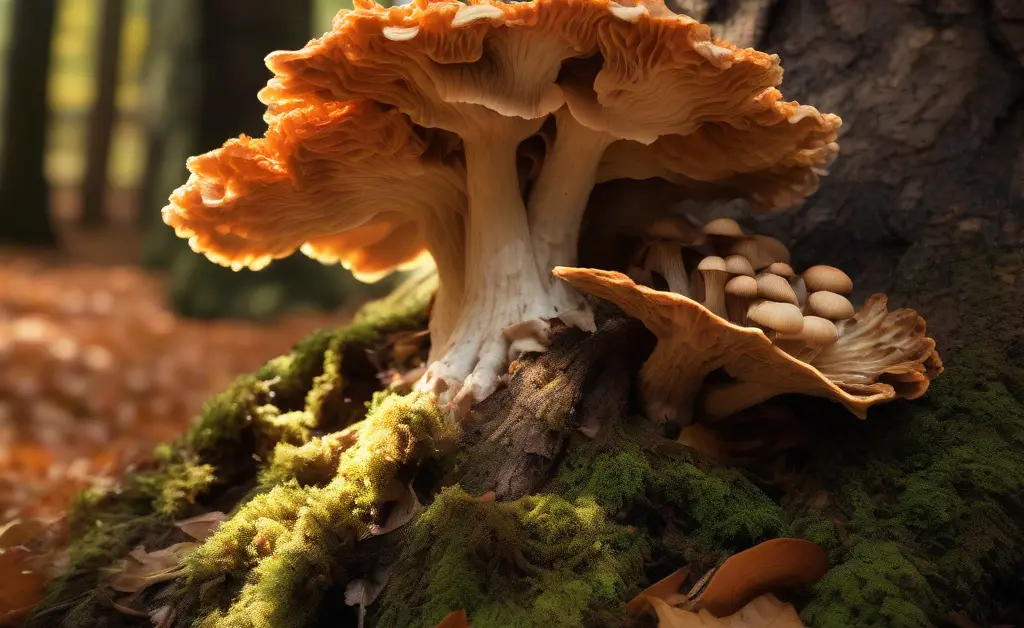
Foraging for maitake, or Hen of the Woods, is a rewarding activity for many mushroom enthusiasts in the USA. However, it requires knowledge of its preferred habitat and typical growing seasons to successfully locate this elusive and delicious fungi. Successful maitake mushroom foraging depends on these factors.
Common Trees Where Maitake Grows
Maitake is a parasitic and saprobic polypore mushroom, meaning it grows on living trees or decaying wood. It has a strong preference for certain hardwood trees, most notably oak trees. You will frequently find maitake growing at the base of older, established oaks, often near the root flare. While less common, it can also be found on maples, elms, and occasionally other hardwoods. The mushroom typically forms a large, ruffled cluster that can sometimes appear quite impressive in size and weight. Knowing these preferred host trees significantly increases your chances of a successful foraging trip for maitake mushroom USA.
Typical Foraging Seasons by US Region
The primary foraging season for maitake in the USA is the fall season, typically from late August or early September through November, depending on the region and local weather patterns. Understanding the maitake mushroom season is crucial for a successful hunt. A good indicator is when the leaves begin to turn and fall, and there’s been sufficient rainfall. In northern states and cooler climates, maitake might appear earlier in the fall, while in warmer southern regions, it could extend later into November. Ideal conditions often involve a period of rain followed by cooler temperatures. Understanding these regional nuances in foraging seasons is key for anyone looking to identify Hen of the Woods in its natural habitat. Always ensure you are positive about your identification before consuming any wild mushrooms.
Culinary Applications of Maitake in American Kitchens
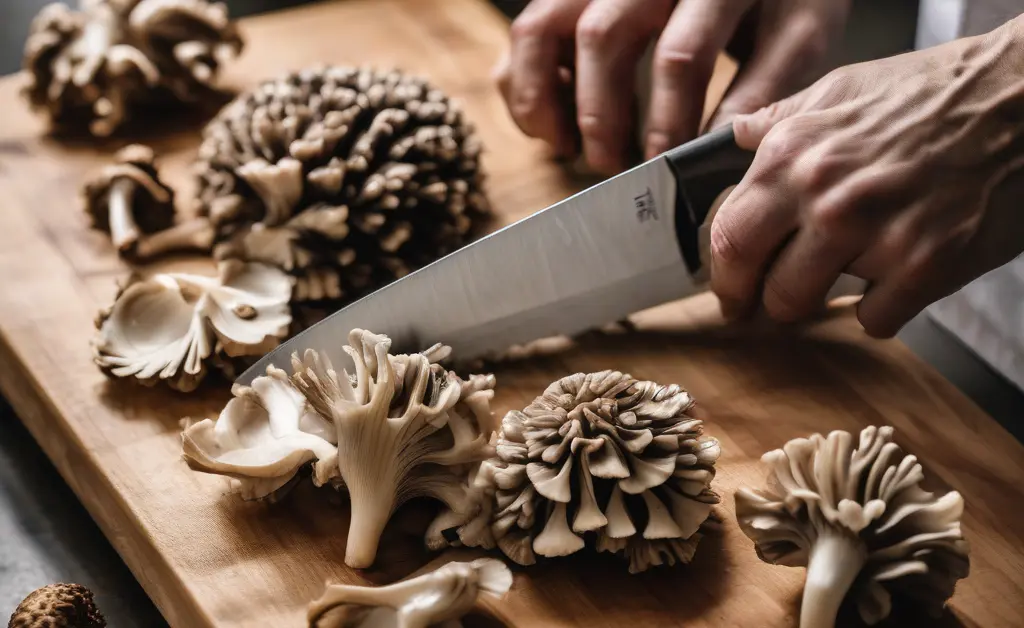
Maitake mushrooms are highly versatile in the kitchen, prized for their rich umami flavor, meaty texture, and ability to absorb other flavors. Their unique characteristics make them a favorite among chefs and home cooks seeking to elevate their dishes.
Flavor Pairings for Hen of the Woods
The earthy, slightly peppery, and intensely umami flavor of maitake makes it an excellent companion to a wide range of ingredients. It pairs wonderfully with other earthy flavors like thyme, rosemary, and garlic. Its robust taste stands up well to fatty ingredients such as butter, bacon, and rich cheeses. Hen of the Woods also complements roasted meats, poultry, and game, adding depth to savory dishes. For vegetarian preparations, it’s fantastic with grains like farro or risotto, and it can be incorporated into robust vegetable stews. Its ability to impart a hearty, savory note makes it a staple for creating satisfying and flavorful meals in the American kitchen.
Cooking Techniques: Sautéing, Roasting, and Grilling
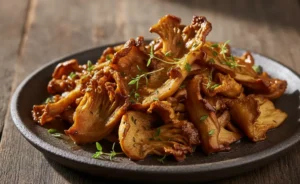
Maitake mushrooms are remarkably forgiving and delicious when prepared using various cooking techniques. Sautéing is a popular method; simply tear the clusters into smaller pieces, and cook them in butter or olive oil with garlic until golden brown and crispy, which brings out their deep flavor and slightly chewy texture. Roasting maitake at a high temperature with a little oil, salt, and pepper also yields fantastic results, creating crispy edges and a tender interior. For a smoky flavor, grilling maitake is an excellent choice; brush the clusters with oil and herbs and place them directly on the grill grates until tender and slightly charred. These simple preparation and cooking ideas highlight the mushroom’s natural attributes, making a delicious maitake mushroom recipe accessible to any home cook. Proper storage and handling of maitake mushrooms involve keeping them unwashed in a paper bag in the refrigerator, allowing them to breathe and preventing spoilage until ready to cook.
The journey of the maitake mushroom in the USA, from wild forest floors to cultivated farms and gourmet kitchens, reflects its growing appreciation. Whether you’re a seasoned forager or a curious home cook, understanding its origins, availability, and culinary potential allows for a deeper connection with this remarkable fungus. Its distinct flavor and texture continue to make it a highly sought-after ingredient, cementing its place as a cherished component of American cuisine and wellness practices.
While this article discusses health-related topics, it does not provide medical guidance. The information presented is for general knowledge and informational purposes only, and does not constitute medical advice, diagnosis, or treatment. Always consult with a qualified healthcare professional for any health concerns or before making any decisions related to your health or treatment.
FAQ
— Where can I purchase maitake mushrooms in the United States?
Fresh maitake mushrooms are often found at local farmers’ markets, specialty food stores, and some larger grocery chains with extensive produce sections. For those seeking dried forms or supplements, online retailers and health food stores are common sources. The availability of fresh maitake mushroom usa can vary by season and region.
— Can you buy maitake mushrooms at the grocery store?
Yes, many grocery stores, particularly those with well-stocked produce departments or a focus on specialty items, carry fresh maitake mushrooms. They are typically sold in clusters in the refrigerated mushroom section. Some stores also offer dried maitake, which can be found in the international foods aisle or with other dehydrated goods.
— How much do maitake mushrooms typically cost in the US?
The price of maitake mushrooms can vary significantly based on several factors, including whether they are fresh, dried, or in supplement form. Fresh maitake that is wild-foraged is often priced higher than the cultivated variety due to its seasonal nature and the labor involved in harvesting. Location and retailer also play a large role in the final cost.
— Why is the maitake mushroom also called ‘Hen of the Woods’?
The name ‘Hen of the Woods’ comes from the mushroom’s distinct appearance. Its large, overlapping, fan-shaped caps grow in a clustered formation at the base of trees, resembling the ruffled feathers of a hen sitting on her nest. This visual likeness has made the nickname a popular and descriptive alternative to its Japanese name, maitake.
— Can maitake mushrooms be eaten raw?
It is generally recommended to cook maitake mushrooms before eating them. Cooking helps to break down their tough cell walls, which are made of a substance called chitin, making the mushrooms easier to digest. This process also helps to release their nutritional compounds and enhances their rich, earthy flavor.