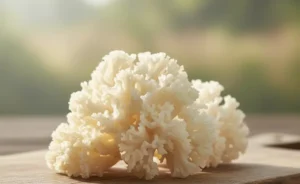
Navigating dietary restrictions, especially for conditions like IBS, requires precise information about the foods you consume. For those following a low FODMAP diet, understanding which ingredients are safe and delicious can be a continuous challenge. King oyster mushrooms, with their firm texture and savory flavor, are gaining popularity as a versatile culinary ingredient. However, their suitability for a sensitive digestive system is a common concern. This guide delves into the specifics of king oyster mushroom FODMAP levels, drawing on scientific data and expert recommendations to provide clarity. We will explore safe serving sizes, compare them to other mushroom varieties, and offer practical tips for incorporating these unique fungi into your low FODMAP meal plans, ensuring both flavor and digestive comfort.
Are King Oyster Mushrooms Low FODMAP?
For individuals managing digestive symptoms often associated with IBS, determining which foods are suitable for a low FODMAP diet is crucial. The good news for mushroom enthusiasts is that king oyster mushroom FODMAP content has been thoroughly assessed. These flavorful fungi can indeed be a safe and delicious addition to many low FODMAP meal plans. Unlike some other mushroom varieties that are high in certain short-chain carbohydrates, king oyster mushrooms are generally well-tolerated when consumed in appropriate amounts. Their unique nutritional profile contributes to their digestibility, making them a preferred choice for those following dietary restrictions. For a comprehensive overview, exploring oyster mushroom nutrition facts can provide further insights.
Monash University’s Stance on Oyster Mushrooms
Monash University in Australia is the leading authority on FODMAP testing and research. Their extensive work provides valuable guidance for anyone adhering to a low FODMAP diet. According to their findings, oyster mushrooms, including the king oyster variety, have specific low FODMAP serving sizes. This scientific backing means that individuals do not have to avoid these mushrooms entirely. Monash University’s detailed analysis helps to demystify complex food intolerances, offering clear, evidence-based recommendations that empower individuals to make informed dietary choices and manage their gut health effectively. For general food safety guidelines and information, resources from the FDA are also highly recommended.
Understanding Why King Oyster Mushrooms are Low FODMAP
The suitability of king oyster mushrooms for a low FODMAP diet stems from their specific carbohydrate composition. FODMAPs, which stands for Fermentable Oligosaccharides, Disaccharides, Monosaccharides, and Polyols, are types of short-chain carbohydrates that can be poorly absorbed in the small intestine. In sensitive individuals, these can ferment in the gut, leading to digestive symptoms like bloating and discomfort. Many common mushroom varieties contain high levels of polyols, particularly mannitol and sorbitol, or fructans, which are known culprits for triggering symptoms. However, the unique cellular structure and carbohydrate profile of king oyster mushrooms mean they contain lower amounts of these specific FODMAPs compared to other types. Additionally, knowing the king oyster mushroom macros can assist those tracking their macronutrient intake. This makes the king oyster mushroom FODMAP profile more favorable for individuals with food sensitivities, allowing for greater dietary flexibility without compromising gut comfort.
Recommended Serving Sizes for King Oyster Mushrooms on a Low FODMAP Diet
While king oyster mushrooms are generally considered low FODMAP, the key to their inclusion in a restricted diet lies in careful portion control. Even low FODMAP foods can trigger digestive symptoms if consumed in large quantities, as FODMAPs can accumulate. Therefore, understanding the recommended serving size is essential for maintaining digestive comfort. A dietitian or reliable FODMAP resource can provide guidance on appropriate amounts. Understanding king oyster mushroom calories can also be beneficial for overall dietary planning. The goal is to stay within these safe limits, especially during the initial elimination diet phase. As part of the reintroduction phase, individuals may explore their personal FODMAP tolerance, slowly increasing the serving size of king oyster mushroom to identify their comfort levels. This personalized approach to serving size ensures that the benefits of the king oyster mushroom FODMAP status are fully realized without exacerbating IBS symptoms.
King Oyster Mushrooms vs. Other Mushroom Varieties on a Low FODMAP Diet
When navigating a low FODMAP diet, understanding the distinctions between various mushroom varieties is crucial. Many common mushrooms, such as button mushrooms, portobello, and shiitake, can be high in polyols or other FODMAPs and may need to be limited or avoided depending on serving size. For example, some varieties are high in mannitol, while others may contain higher levels of GOS (Galactooligosaccharides). King oyster mushrooms, however, stand out as a more friendly option due to their lower FODMAP content. This makes them a versatile alternative for those who enjoy the flavor and texture of mushrooms but need to manage their short-chain carbohydrate intake. The overall king oyster mushroom FODMAP level is generally more favorable, making them a suitable choice for many individuals looking to maintain a diverse and flavorful diet.
FODMAP Levels in Other Oyster Mushroom Types
Beyond the king oyster variety, other types of oyster mushrooms also present different FODMAP profiles. While all oyster mushrooms tend to be better tolerated than some other mushroom categories, there can still be variations. For instance, common oyster mushrooms may also be low FODMAP in specific portion sizes, but it’s always important to refer to up-to-date testing data from reputable sources like Monash University. This helps ensure that individuals are making informed choices about the specific oyster mushroom types they consume. Checking the FODMAP levels for each distinct variety is a prudent step to avoid unexpected digestive discomfort, especially for those with heightened food sensitivity. This diligent approach ensures continued gut health management.
Tips for Incorporating King Oyster Mushrooms into Low FODMAP Meals
Integrating king oyster mushrooms into a low FODMAP diet can be both simple and delicious, thanks to their versatile texture and savory flavor. To ensure digestive comfort, always adhere to recommended serving sizes. These mushrooms can be sliced, diced, or shredded to mimic various textures, making them an excellent plant-based option for a range of dishes. They absorb flavors well, so marinades made with low FODMAP ingredients like olive oil, herbs, and certain spices can enhance their taste. Popular cooking methods include sautéing, grilling, or roasting, which can bring out their natural umami. When planning meals, consider them as a substitute for higher FODMAP ingredients in stir-fries, stews, or even as a meat alternative. Their notable oyster mushroom protein content also makes them a valuable choice for plant-based diets. The favorable king oyster mushroom FODMAP profile allows for creative culinary exploration without compromising dietary restrictions.
Low FODMAP King Oyster Mushroom Recipes
The versatility of king oyster mushrooms makes them a fantastic ingredient for creating a variety of delicious low FODMAP meals. They can be transformed into “scallops” by slicing them into rounds and pan-searing them until golden, serving them with a low FODMAP lemon-herb sauce. Another popular application is to shred them to create a “pulled pork” substitute for tacos or sandwiches, seasoned with a compliant barbecue sauce. They also work wonderfully sliced thinly and added to stir-fries alongside other low FODMAP vegetables like bell peppers and carrots, ensuring the sauce is free from high FODMAP ingredients like onion or garlic. For a comforting meal, they can be roasted with a drizzle of olive oil, salt, and pepper, then served as a side dish or added to a low FODMAP soup. Exploring recipes designed specifically for a low FODMAP diet will open up many possibilities for enjoying these unique fungi.
King oyster mushrooms offer a fantastic option for those following a low FODMAP diet, providing both culinary versatility and digestive comfort. By understanding their specific FODMAP profile, adhering to recommended serving sizes, and incorporating them thoughtfully into meals, individuals can enjoy their unique flavor and texture without triggering unwanted symptoms. Always prioritize personal tolerance and consult with a healthcare professional or registered dietitian for personalized dietary advice. With careful planning, these delightful fungi can become a regular and valued part of a healthy, low FODMAP lifestyle.
The purpose of this content is to educate, not to diagnose or treat. This article provides general information and understanding of a specific health topic and is not a substitute for professional medical advice, diagnosis, or treatment. Always seek the advice of your physician or other qualified health provider with any questions you may have regarding a medical condition. Never disregard professional medical advice or delay in seeking it because of something you have read here.
FAQ
— Is king oyster mushroom low in polyols?
Monash University has tested king oyster mushrooms and found them to be low in polyols at certain serving sizes. This means that, in moderate amounts, they are generally considered suitable for individuals following a low FODMAP diet.
— What is the recommended serving size for king oyster mushrooms on a low FODMAP diet?
The recommended serving size for king oyster mushrooms on a low FODMAP diet is determined by specific laboratory testing, often by institutions like Monash University. It is important to consult reliable resources that provide precise, tested serving information for individual guidance.
— How do king oyster mushrooms differ from other mushrooms regarding FODMAPs?
Many mushroom varieties, like button mushrooms, are higher in mannitol, a type of polyol, which contributes to their higher overall FODMAP content. In contrast, king oyster mushrooms have been found to contain lower levels of these specific carbohydrates, making them a more accessible option for those managing FODMAP intake. This difference is due to variations in their biochemical composition.
— Can I eat king oyster mushrooms if I have IBS?
Individuals following a low FODMAP approach for managing IBS symptoms often find that king oyster mushrooms are a suitable choice within tested serving sizes. This is because they are recognized for their lower content of fermentable carbohydrates compared to many other mushroom types. However, personal tolerance varies, and it is always advisable to introduce new foods cautiously.
— Does Monash University test king oyster mushrooms for FODMAPs?
Yes, Monash University, a leading authority on the low FODMAP diet, has indeed tested king oyster mushrooms for their FODMAP content. Their research provides crucial data, guiding individuals on appropriate serving sizes for managing digestive symptoms.
— Are all oyster mushrooms low FODMAP?
While king oyster mushroom fodmap content is generally recognized as low in specific amounts, not all varieties of oyster mushrooms have been tested to the same extent for their FODMAP levels. Different species within the oyster mushroom family can have varying biochemical compositions, potentially affecting their fermentable carbohydrate content. Therefore, it is prudent to rely on specific testing data rather than assuming all types are equally low FODMAP.