
It’s a common misconception that truly exceptional culinary mushrooms are either unobtainable for the average home cook or demand intricate preparation techniques. This often leads enthusiasts to shy away from exploring the full spectrum of edible fungi beyond the most common varieties. Yet, discerning the quality and unlocking the rich potential of species like fresh maitake mushrooms is far more straightforward than many believe. Known affectionately as Hen of the Woods, these distinctive fungi are celebrated for their earthy aroma, robust flavor, and unique texture, making them a gourmet addition that is surprisingly versatile. This comprehensive guide aims to demystify the entire journey, offering practical advice on how to confidently buy, expertly cook, and properly store these prized ingredients, allowing everyone to savor their unique characteristics.
Understanding Fresh Maitake Mushrooms
Exploring the world of fungi reveals a rich tapestry of flavors and textures, with fresh maitake mushrooms standing out as a true gourmet delight. Also known by their enchanting nickname, Hen of the Woods, these edible fungi are highly sought after by chefs and home cooks alike for their distinctive qualities. Understanding what sets them apart is the first step in appreciating their culinary value.
Identifying Maitake: Hen of the Woods
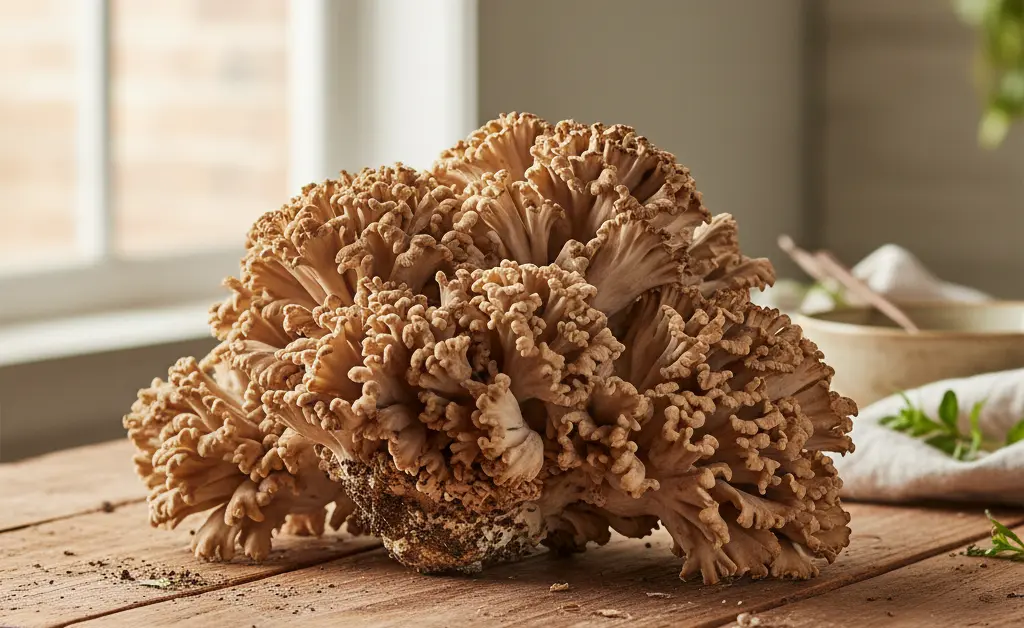
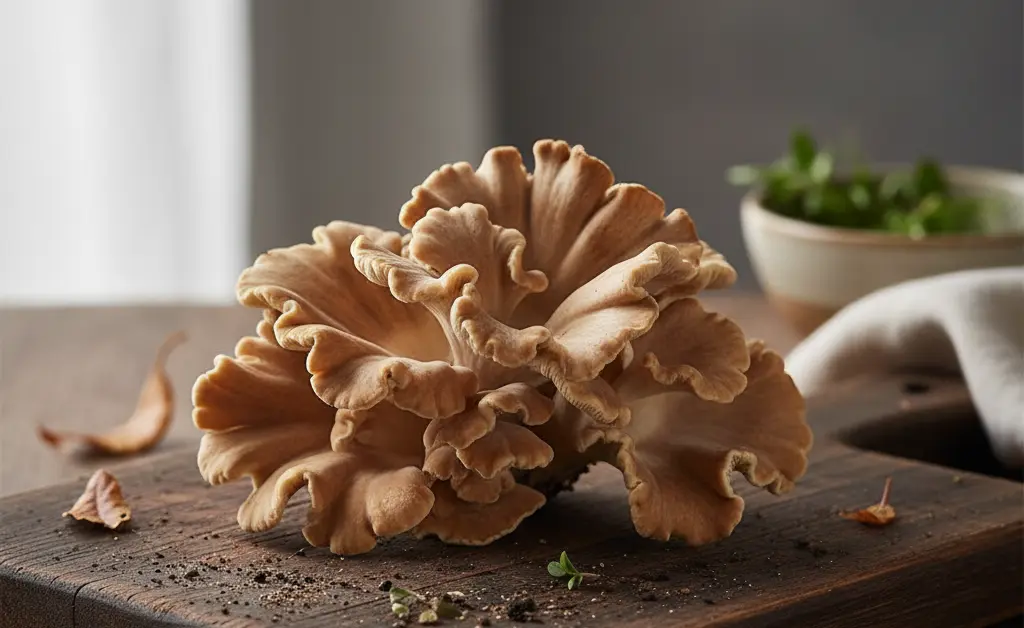
The name “Hen of the Woods” perfectly captures the appearance of maitake mushrooms. They typically grow in large, clustered formations, resembling the ruffled feathers of a brooding hen. This unique growth pattern, often described as a rosette or a collection of fronds, distinguishes them from many other mushroom varieties. Their color can range from grayish-brown to tan, often with lighter edges, blending seamlessly into their natural habitat at the base of trees, particularly oaks.
Key Characteristics of Fresh Maitake
Beyond their visual appeal, fresh maitake mushrooms are celebrated for their distinctive flavor profile and texture. They offer an earthy, savory, and subtly peppery taste with a pronounced umami depth that can elevate a wide range of dishes. The texture is firm yet tender, providing a satisfying chew without being tough. This combination of robust flavor and unique texture makes them a highly versatile ingredient in the kitchen. Furthermore, exploring maitake mushroom nutrition facts reveals their valuable contribution to a balanced diet.
Understanding Maitake’s Quality and Desirability
The desirability of maitake stems from its complex flavor, appealing texture, and perceived benefits. Quality mushrooms will feel firm and dry to the touch, with a fresh, clean aroma. Avoid any that appear slimy, excessively damp, or have an an off-putting smell. The intact rosette formation with clearly defined fronds is another indicator of a high-quality specimen. Their gourmet status is well-deserved, making them a prized addition to any culinary exploration. Considering maitake mushroom calories can also be part of understanding their overall dietary appeal.
Where to Buy and Source Fresh Maitake Mushrooms
For those looking to incorporate the rich, earthy flavors of fresh maitake mushrooms into their cooking, knowing where to find them is key. Their increasing popularity means they are becoming more accessible, though sourcing strategies may vary depending on your location and preferences.
Fresh Maitake Mushrooms Near Me
The search for fresh maitake mushrooms often begins locally. Many specialty grocery stores, high-end supermarkets, and Asian markets are starting to carry these gourmet fungi, especially during their peak season. It is always a good idea to call ahead to confirm availability, as stock can be seasonal and demand high. Local health food stores with a robust produce section may also be a good option.
Fresh Maitake Mushrooms for Sale
When you encounter fresh maitake mushrooms for sale, assess their quality indicators like firmness, dry texture, and earthy scent. Pricing can vary widely based on seasonality, origin (wild-foraged vs. cultivated), and the vendor. Comparing prices at different outlets can help ensure you get a good value for these prized ingredients.
Maitake Mushroom Pricing
Maitake mushrooms tend to be priced higher than common button mushrooms due to their gourmet status, unique flavor, and often more specialized cultivation or foraging methods. Prices are influenced by supply and demand, with wild-foraged specimens sometimes commanding a premium. Bulk purchasing, if available, may offer a slight discount, but prioritize freshness above all else.
Maitake Mushroom Suppliers
Beyond retail stores, dedicated mushroom suppliers often cater to restaurants and sometimes offer direct-to-consumer sales. These suppliers can be a reliable source for high-quality maitake, ensuring consistent availability and freshness. Researching local gourmet food distributors or contacting mushroom farms directly can reveal these specialized options.
Buying Fresh Maitake Online
For those in areas with limited local availability, buying fresh maitake online has become a viable option. Reputable online purveyors specialize in shipping fresh produce, including various mushroom varieties, directly to your door. When purchasing online, review the seller’s shipping practices, freshness guarantees, and customer reviews to ensure a positive experience.
Sourcing Maitake from Local Markets and Foragers
Farmers’ markets are excellent places to find locally grown or foraged produce, and during peak season, you may find fresh maitake from local mushroom cultivators or certified foragers. Buying directly from mushroom foragers ensures a connection to pristine conditions and often offers the freshest possible product. Always ensure foragers are certified and knowledgeable about safe mushroom identification. For general health and safety guidelines, resources like the CDC provide valuable information.
Seasonal Availability for Maitake
Maitake mushrooms are primarily a fall mushroom, thriving from late summer through autumn in many temperate regions. Their seasonal availability can affect both price and abundance. While cultivated varieties are often available year-round, wild-foraged Hen of the Woods are a true seasonal treat, and knowing their peak season can help you plan your purchases.
Organic Maitake (Hen of the Woods) Mushrooms
For those prioritizing sustainable and chemical-free options, organic maitake mushrooms are increasingly available. These are typically cultivated in controlled environments using organic substrates, ensuring a product free from synthetic pesticides or fertilizers. Look for organic certification labels when purchasing to verify their cultivation methods.
Fresh Maitake Mushroom Recipes & Preparation
The versatility of fresh maitake mushrooms makes them a coveted ingredient in a wide array of culinary applications. Their distinct flavor profile and unique texture can transform simple dishes into gourmet experiences. Proper preparation is key to unlocking their full potential.
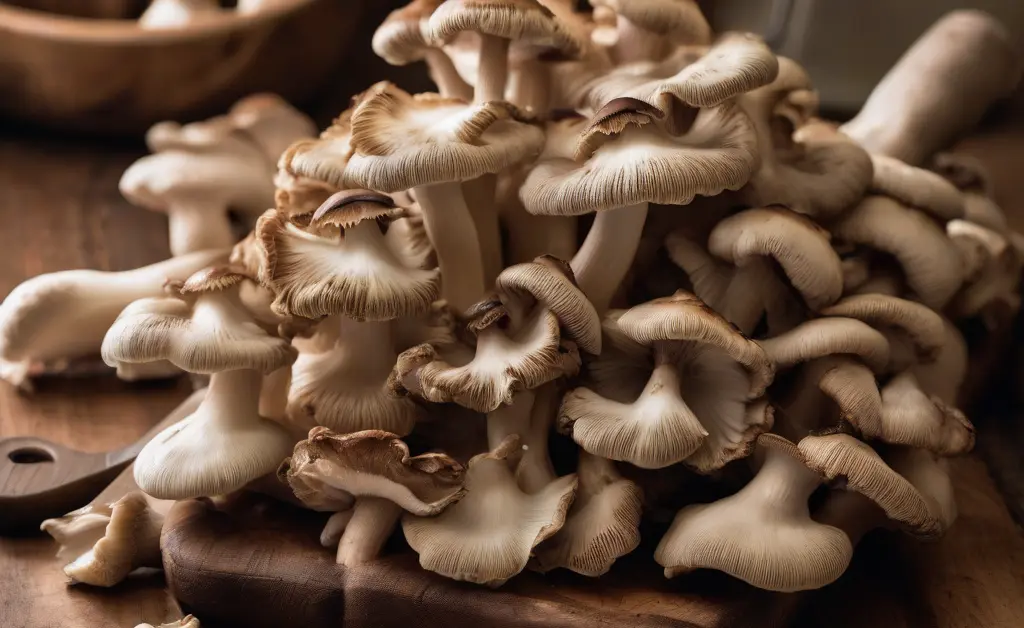
Before cooking, maitake mushrooms generally require minimal cleaning. Avoid soaking them, as they can absorb water and become soggy. Instead, gently brush off any visible dirt or debris with a soft brush or a damp cloth. The entire mushroom, including the stem, is edible, though some prefer to trim the very toughest parts of the base. The fronds can then be separated into smaller, manageable clusters or pieces, ready for cooking. It is always good practice to be aware of the maitake mushroom oxalate content when incorporating new foods into your diet, especially if you have specific dietary needs.
Maitake excels in methods such as sautéing, roasting, grilling, and even frying. When sautéed, they develop a beautiful golden-brown crispness and an intensified umami flavor. Roasting them brings out a similar depth, making them a fantastic side dish or addition to grain bowls. Their robust nature also makes them suitable for broths, soups, and stews, where they can impart their rich, earthy notes.
The Appeal of Organically Cultivated Maitake
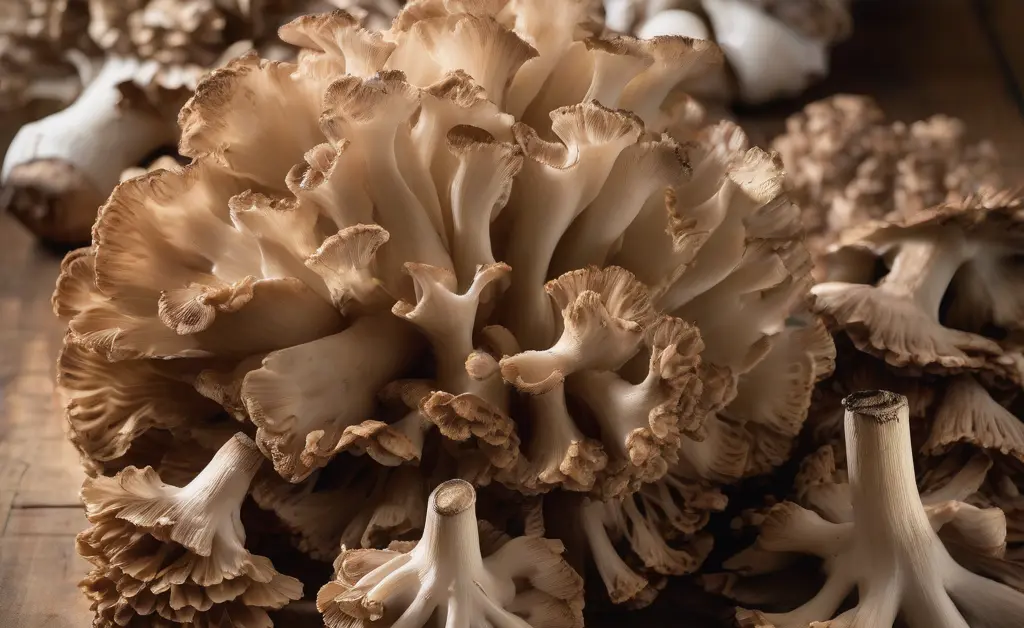
Opting for organically cultivated maitake enhances the culinary experience by ensuring that the mushrooms have been grown in conditions that prioritize natural processes and environmental stewardship. This approach often results in a product with a cleaner taste and potentially more vibrant characteristics, which can be particularly appealing when the mushrooms are the star of a dish. Knowing your mushrooms come from organic sources adds an extra layer of confidence in their quality and purity, complementing the desire for fresh, wholesome ingredients in recipes. For those with specific dietary sensitivities, understanding the maitake mushroom FODMAP classification can be beneficial for meal planning.
Handling and Storing Fresh Maitake Mushrooms
Proper handling and storage are crucial to maintaining the quality and extending the shelf life of fresh maitake mushrooms. Their delicate nature requires specific attention to preserve their unique flavor and texture until they are ready to be used in your culinary creations.
Upon bringing fresh maitake home, it’s important to inspect them for any signs of spoilage or excessive moisture. If they appear damp, gently pat them dry with a paper towel. The goal is to keep them cool and dry to prevent premature decay and maintain their freshness indicators.
Optimal Storage Methods for Freshness
The best way to store fresh maitake mushrooms is in a paper bag or loosely wrapped in a paper towel, placed inside the main compartment of your refrigerator. A paper bag allows the mushrooms to breathe, preventing moisture buildup that can lead to sliminess and spoilage. Avoid storing them in airtight plastic bags, as this traps moisture and accelerates deterioration. Stored correctly, maitake can maintain its quality for a reasonable period, allowing you to enjoy their earthy goodness in various dishes.
Embracing the world of fresh maitake mushrooms opens up a realm of exquisite flavors and culinary possibilities. From confidently selecting the finest specimens to mastering diverse preparation techniques and ensuring optimal storage, each step enhances the enjoyment of these unique fungi. Their earthy aroma and robust taste promise to elevate any dish, making them a worthwhile addition to any kitchen. Whether sourced from a local market or a trusted online purveyor, the journey with fresh maitake mushrooms is one of discovery and delicious rewards.
The information presented in this article is educational and not meant as professional medical counsel. While mushrooms have been traditionally used and studied for various properties, individual health needs vary. It is always recommended to consult with a qualified healthcare professional for any health concerns or before making any dietary changes, especially if you have pre-existing conditions or are taking medications. This content is not intended to diagnose, treat, cure, or prevent any disease.
FAQ
— Where can I buy fresh Maitake mushrooms?
You can often find Maitake mushrooms in the produce section of well-stocked grocery stores, particularly those focusing on natural or gourmet foods. Specialty Asian markets and local farmers’ markets are also excellent sources for finding this unique fungi.
— What is another name for fresh Maitake mushrooms?
Fresh Maitake mushrooms are widely known by their common name, “Hen of the Woods,” due to their feathery, multi-layered appearance resembling a hen’s ruffled feathers. Scientifically, they are classified as *Grifola frondosa*.
— How can you tell if Maitake mushrooms are fresh?
Fresh Maitake mushrooms should feel firm and somewhat dry to the touch, not slimy or brittle. Their caps typically have a vibrant, multi-tone color ranging from light brown to gray, without any dark spots or signs of decay. A subtle, earthy aroma is also a good indicator of quality.
— Do Maitake mushrooms need to be organic?
While not strictly necessary, choosing organic Maitake mushrooms can be a preference for some consumers. Organic certification ensures they are grown without synthetic pesticides or fertilizers, which is relevant given that mushrooms absorb compounds from their growing substrate. Ultimately, the decision depends on individual dietary priorities.
— What should I look for when buying fresh Maitake?
When selecting fresh maitake mushrooms, prioritize intact clusters with clearly defined, layered caps and a firm texture. Avoid any mushrooms that appear slimy, have dark or discolored spots, or show signs of excessive moisture. A clean, earthy fragrance is another excellent sign of their quality and freshness.







