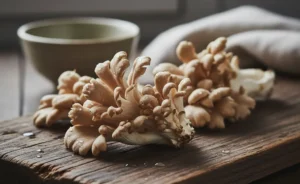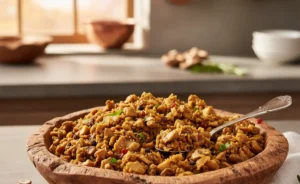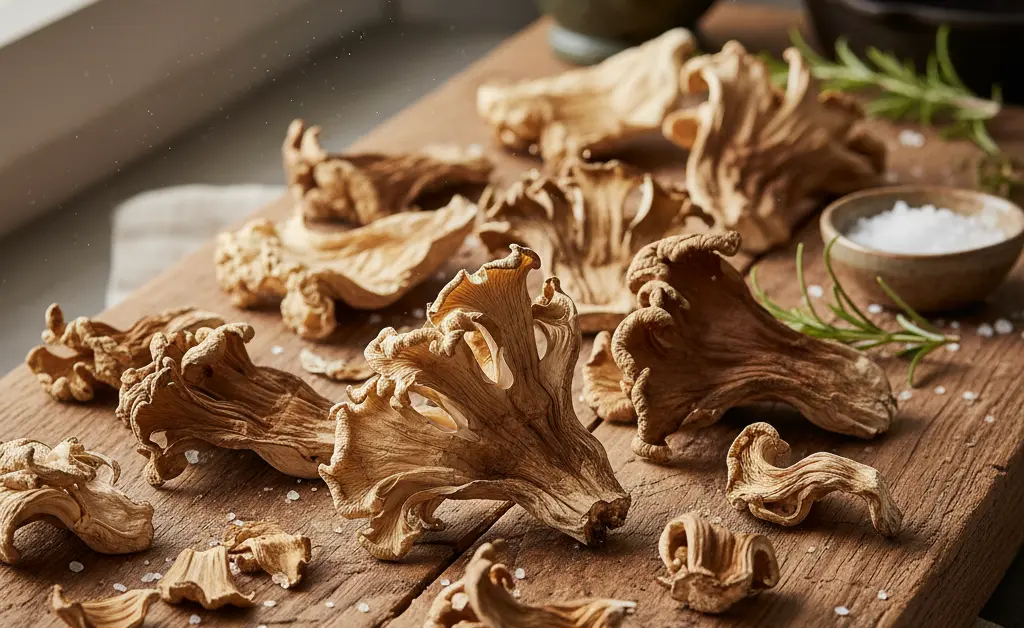
Finding fresh, high-quality maitake mushrooms can often be a challenge, especially if you live outside specific growing regions or want to enjoy their distinct flavor year-round. This limitation can make it difficult to consistently incorporate their unique taste and impressive health benefits into your meals. Fortunately, there’s an excellent solution that not only extends their shelf life but also concentrates their umami richness and nutritional potency. Understanding the versatility and advantages of using dried maitake mushrooms can transform your culinary approach, offering convenience without compromising on flavor or nutritional value. This guide explores everything from their preparation and diverse culinary applications to their health benefits and where to find them, ensuring you can harness the full potential of this exceptional fungi.
Understanding Dried Maitake Mushrooms
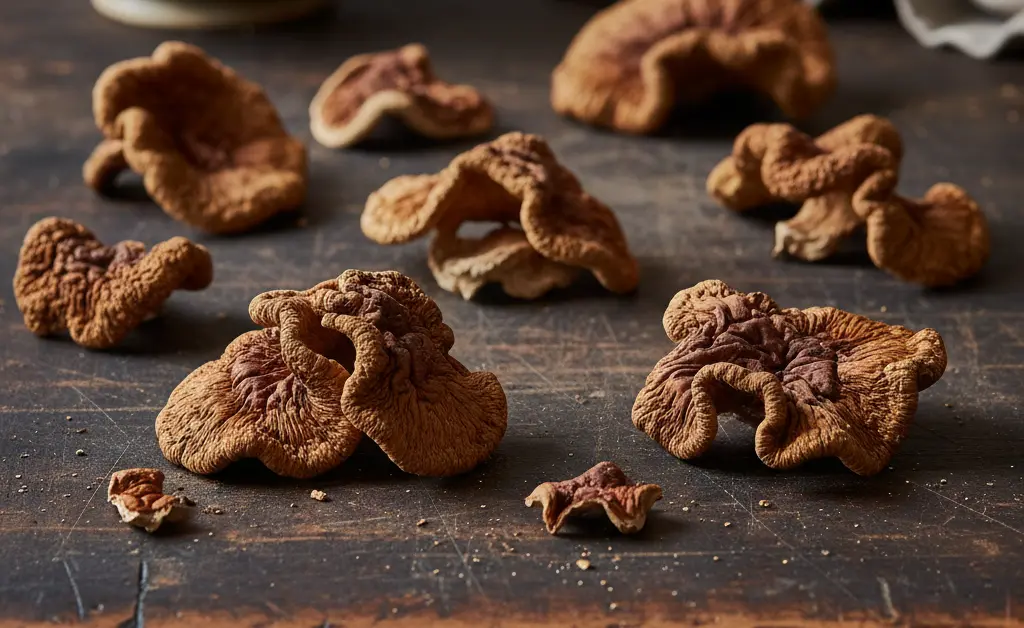
Dried maitake mushrooms offer a convenient and potent way to enjoy the distinctive qualities of this celebrated fungi. Known scientifically as Grifola frondosa, maitake mushrooms undergo a transformation when dried, concentrating their flavors and extending their usability significantly. Understanding the maitake mushroom oxalate content can be important for dietary planning. This section delves into the fundamental aspects of dried maitake mushrooms, from their basic characteristics to their health benefits and practical use.
For those with specific dietary needs, information on the maitake mushroom FODMAP content can be helpful.
Can Maitake Mushrooms Be Dried?
Absolutely, maitake mushrooms are excellently suited for the drying process. Drying is a traditional method of food preservation that effectively removes moisture, inhibiting spoilage while intensifying the natural flavors. This process can be achieved through various means, including air-drying in controlled environments or using food dehydrators. The resulting dehydrated maitake mushrooms maintain their core nutritional profile and become a shelf-stable ingredient ready for future culinary endeavors.
Why Choose Dried Maitake?
Opting for dried maitake offers several compelling advantages over their fresh counterparts. Foremost among these is their vastly extended shelf life, transforming them into a reliable pantry staple that can be stored for long periods without refrigeration. The drying process also concentrates their inherent umami flavor, leading to a more intense and complex taste profile in dishes. Furthermore, dried maitake are often more readily available than fresh varieties, especially outside peak growing seasons or specific geographical regions, making them a convenient choice for consistent culinary use. Their concentrated form also means a smaller quantity can deliver significant flavor and nutritional impact, making them a cost-effective option. It’s also useful to know the maitake mushroom calories for dietary planning.
Flavor Profile and Texture
Once rehydrated, dried maitake mushrooms present a rich, complex flavor profile characterized by deep umami notes, a distinct earthy taste, and subtle hints of nuttiness. This savory flavor is often described as more robust than that of fresh maitake, thanks to the concentration of flavor compounds during dehydration. In terms of texture, rehydrated maitake develop a satisfyingly meaty and chewy consistency, which holds up well in a variety of cooking methods, offering a pleasant mouthfeel that complements their intense taste.
Health Advantages and Properties
Maitake mushrooms are highly regarded not only for their culinary attributes but also for their potential health advantages, earning them a place among traditional medicinal mushrooms. They are particularly noted for their rich content of beta-glucans, complex polysaccharides studied for their potential to support immune system function. As an adaptogen, maitake may help the body adapt to various stressors. Research into Grifola frondosa, the scientific name for maitake, explores its broad range of beneficial compounds, indicating its role in supporting overall well-being. More detailed findings can be found on NCBI.
Nutritional Value and Dietary Impact
Dried maitake mushrooms are a valuable source of essential nutrients, contributing positively to a balanced diet. They contain various B vitamins, such as niacin and riboflavin, which are important for energy metabolism. Additionally, they provide key minerals like potassium, copper, and phosphorus. These mushrooms are also a good source of dietary fiber and boast antioxidant properties, which help protect the body’s cells. Incorporating them into meals can enhance Nutritional Value and add significant flavor without excessive calories.
Rehydrating Dried Maitake: Step-by-Step
The first step in preparing dried maitake is proper rehydration. To begin, place the dried mushroom slices or pieces in a bowl. Cover them with warm water, ensuring they are fully submerged. The ideal soaking liquid for reconstituting maitake is simply clean water, though some prefer a very light broth for added flavor. Allow them to soak for a period until they become tender and pliable; the exact rehydration time can vary depending on the thickness of the slices and the water temperature. Once softened, gently squeeze out any excess liquid, reserving the flavorful maitake mushroom soaking liquid for use in soups or sauces, as it’s infused with umami goodness.
Essential Preparation and Cooking Tips
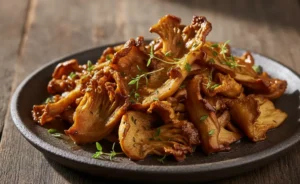
After rehydration, dried maitake mushrooms are ready for various cooking methods. Before cooking, give the rehydrated mushrooms a quick, gentle rinse to remove any potential debris. They can then be sliced, chopped, or kept whole depending on the recipe. For optimal flavor and texture, it is often best to sauté or sear them until slightly browned, which further develops their savory notes. They integrate wonderfully into stir-fries, are excellent when added to a rich mushroom broth or stock, or can be roasted to achieve a crispy exterior. Remember to cook them thoroughly to enhance both flavor and digestibility.
Versatile Culinary Applications
The robust flavor and meaty texture of dried maitake make them incredibly versatile in the kitchen, lending themselves to a wide array of culinary applications. They are an exceptional ingredient for enhancing the depth of flavor in soups and stews, providing a rich, savory foundation. Incorporate them into pasta dishes or grain bowls for added substance and umami. They can be a star component in vegetarian and vegan recipes, offering a satisfying meaty quality. Furthermore, their umami flavor elevates sauces, gravies, and even simple omelets. Explore various recipe ideas to discover the full potential of these gourmet mushrooms.
Pairing Dried Maitake with Other Ingredients
Dried maitake mushrooms possess a distinctive earthy taste and umami richness that pairs exceptionally well with a diverse range of ingredients. Their robust flavor complements red meats, poultry, and fish, adding a gourmet touch to main courses. For vegetarian dishes, they meld beautifully with tofu, tempeh, and a wide variety of vegetables, from leafy greens to root vegetables. Aromatic herbs like thyme and rosemary, as well as garlic and onions, enhance their natural profile. They also perform admirably alongside other grains, legumes, and even dairy products like creamy cheeses, creating complex and satisfying flavor combinations.
Best Practices for Storing Dried Maitake
Proper storage is crucial to maintain the quality and extend the shelf life of dried maitake. Always keep them in an airtight container to protect them from moisture and air, which can degrade their flavor and encourage spoilage. Store the container in a cool, dark, and dry place, away from direct sunlight and heat sources, such as a pantry or cupboard. When stored correctly, dried maitake can last for an extended period, ensuring you always have this flavorful ingredient on hand as a reliable pantry staple.
Where to Buy Dried Maitake Mushrooms
Finding high-quality dried maitake mushrooms is increasingly straightforward, thanks to a growing interest in specialty and gourmet ingredients. Whether you prefer the convenience of online shopping or the assurance of selecting items in person, various reputable sources offer this versatile ingredient. Knowing where to look and what to consider when purchasing can help ensure you acquire the best dried maitake mushrooms for your culinary needs.
Finding Dried Maitake Mushrooms Online
The internet offers a vast marketplace for buying dried maitake mushrooms. Specialized online gourmet food stores, Asian food retailers, and health food websites are excellent places to start. These platforms often provide a wider selection, competitive pricing, and the convenience of home delivery. When purchasing online, check product descriptions for origin, organic certifications, and customer reviews to gauge quality. Always prioritize sellers with good reputations for sourcing high-quality dehydrated maitake.
Locating Dried Maitake Mushrooms Near You
For those who prefer to shop locally, locating dried maitake mushrooms can involve visiting several types of stores. Asian grocery stores are often a reliable source, typically stocking a range of dried fungi. Health food stores and some larger, well-stocked supermarkets or specialty produce markets may also carry them, especially in regions with a strong interest in natural and gourmet foods. Calling ahead to inquire about stock can save time.
Key Factors When Purchasing Dried Maitake
When purchasing dried maitake, several important considerations for dried maitake mushrooms can help ensure you get a quality product. Look for packages that clearly state the origin of the mushrooms, and consider opting for organic if available. Inspect the appearance: the mushrooms should be largely intact, with a rich, uniform color, and minimal signs of crumbling or excessive dust. Transparent packaging allows for visual inspection. Reputable brands often indicate proper processing methods. Reading customer reviews, whether online or asking for recommendations in store, can also provide valuable insight into the product’s overall quality and flavor.
In conclusion, dried maitake mushrooms represent a remarkably versatile and beneficial addition to any kitchen. Their extended shelf life, concentrated umami flavor, and substantial nutritional profile make them an invaluable pantry staple. From enriching broths and stews to elevating stir-fries and pasta dishes, the culinary applications of dried maitake mushrooms are extensive. Embracing this dehydrated fungi allows home cooks and professional chefs alike to consistently enjoy the unique qualities of maitake, bringing depth and sophisticated flavor to a myriad of dishes year-round.
This article is meant for general informational use and awareness. It is not intended to provide medical advice, diagnosis, or treatment, and should not be used as a substitute for professional healthcare. Always consult with a qualified healthcare provider for any health concerns or before making any decisions related to your health or diet. Individual results from dietary changes or supplements may vary. The information provided is based on general knowledge and not tailored to individual medical conditions.
FAQ
— How do you rehydrate dried maitake mushrooms?
To rehydrate dried maitake mushrooms, simply place them in a bowl and cover completely with warm water. This process allows the mushroom tissue to absorb moisture, restoring their supple texture before cooking.
— Do you need to soak dried maitake before cooking?
Soaking dried maitake before cooking is generally recommended to soften their texture and make them more palatable. Without rehydration, they tend to remain tough and chewy, which can affect the overall dish experience.
— What can you make with dried maitake mushrooms?
Dried maitake mushrooms are incredibly versatile and lend a rich umami flavor to a wide range of dishes. They are excellent in soups, stews, stir-fries, sauces, or even sautéed as a side dish, adding depth and a unique texture.
— How long does it take to rehydrate dried maitake?
The rehydration time for dried maitake can vary, typically taking anywhere from 20 to 30 minutes, depending on the thickness of the mushroom pieces and the temperature of the water. You know they are ready when they feel tender and plump, similar to fresh mushrooms.
— Can you use dried maitake mushroom soaking liquid?
Absolutely, the soaking liquid from dried maitake mushrooms is a flavorful broth rich in savory compounds. Straining it to remove any sediment makes it an excellent addition to stocks, sauces, or soups, enhancing the overall depth of taste in your culinary creations.
— What is the best way to cook rehydrated maitake?
Once rehydrated, maitake mushrooms excel when sautéed, roasted, or simmered to bring out their unique texture and earthy flavor. Sautéing them until golden brown develops a deeper umami, while simmering gently integrates their taste into liquid-based dishes.