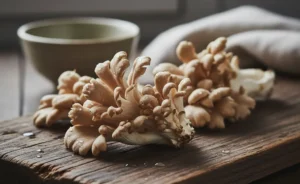
Cordyceps mushrooms, a genus of fungi highly valued in traditional medicine, are often sought after for their adaptogenic properties and potential health benefits, ranging from energy support to immune modulation. These unique fungi, sometimes referred to as caterpillar fungus, have gained significant attention in the wellness community. However, for individuals navigating the delicate period of gestation, questions frequently arise regarding the suitability and safety of various supplements. When considering cordyceps mushroom pregnancy, prospective mothers and healthcare providers alike seek clear, evidence-based guidance. This article aims to explore the current understanding of cordyceps consumption during this critical time, examining available research, expert recommendations, and the general considerations pertinent to maternal and fetal well-being.
Cordyceps Mushroom Pregnancy: Key Safety Considerations
Navigating supplement choices during gestation requires careful consideration due to the unique physiological changes and the imperative to protect fetal development. The decision regarding cordyceps mushroom pregnancy is no exception, necessitating a thorough understanding of potential implications for both the expecting mother and the unborn baby.
Why the Specific Concern During Pregnancy?
Pregnancy represents a period of profound physiological adjustment, where the body undergoes significant changes to support the growing fetus. During this time, the placenta acts as a crucial barrier, yet many substances, including components of herbal supplements, can cross it and potentially affect fetal development. The developing immune system of the fetus and the sensitivity of various maternal systems mean that what might be safe for a non-pregnant individual may pose health risks for pregnant women. Therefore, the general advice on herbal supplements during pregnancy is to exercise extreme caution and prioritize safety above all else, especially given the vulnerability of the prenatal period. Similar caution is often advised when considering cordyceps mushroom for kids, due to developmental sensitivities.
General Side Effects of Cordyceps Relevant to Pregnancy
While cordyceps is generally well-tolerated, some individuals may experience side effects such as mild digestive upset, nausea, or diarrhea. In a pregnancy context, even minor gastrointestinal discomfort can be amplified, adding to common prenatal symptoms. Some research suggests cordyceps may have mild anticoagulant properties, which could be a concern for individuals with bleeding disorders or those undergoing surgical procedures. While the extent of this effect is typically not significant for healthy individuals, any potential impact on blood clotting should be carefully evaluated during pregnancy, particularly nearing delivery or for those with specific medical conditions. Immune system modulation is another aspect of cordyceps mushroom benefits, and while beneficial for general health, any profound alteration of the immune system during pregnancy warrants professional medical advice. Many individuals seek out cordyceps mushroom capsules benefits for their adaptogenic qualities.
Can Pregnant Drink Cordyceps Flower Soup?
Cordyceps flower, often used in culinary preparations like soups, is botanically different from the traditional cordyceps mushroom species often discussed for medicinal purposes. While perceived as more of a food item, its consumption during pregnancy still falls under the broader caution for herbal supplements. Given the lack of specific clinical studies on cordyceps flower consumption in pregnant women, especially concerning fetal development and maternal health, it is prudent to approach such intake with caution. Without robust scientific evidence confirming its safety, healthcare providers generally recommend avoiding new or unstudied herbal ingredients during gestation to minimize any potential health risks.
Cordyceps and Pregnancy Safety: Research and Considerations

The scientific community emphasizes the importance of evidence-based guidance, particularly concerning maternal health and fetal development. When evaluating the safety of cordyceps mushroom pregnancy, the existing research landscape presents significant limitations.
Lack of Human Clinical Trials in Pregnant Women
A primary challenge in assessing the safety of cordyceps during pregnancy is the notable absence of human clinical trials involving pregnant women. Ethical considerations and potential health risks to both mother and fetus make it extremely difficult to conduct such studies. This gap in scientific evidence means that there is no definitive data to establish the efficacy or safety of cordyceps mushroom while pregnant. Further research can be explored on PubMed for existing studies on related topics. Consequently, healthcare professionals often advise against the use of herbal supplements like cordyceps during gestation, simply because their effects on pregnancy are not well-understood or proven safe through rigorous human studies. Even common forms, such as those seeking cordyceps mushroom gummies benefits, lack specific safety data for this sensitive period.
Insights from Animal Studies
While human trials are scarce, some animal studies have explored the effects of cordyceps on reproductive health and pregnancy. These studies, typically conducted on rodents, have sometimes shown no adverse effects on fetal development or maternal health at certain concentrations. However, other studies have indicated potential impacts on hormone levels or reproductive parameters. It is crucial to understand that findings from animal studies do not always translate directly to humans, especially when considering the complex physiological processes of human pregnancy. Differences in metabolism, dosage, species-specific responses, and the lack of comprehensive long-term data mean these insights offer only preliminary guidance and cannot confirm pregnancy safety for humans.
Expert Guidelines and Precautions for Cordyceps During Pregnancy

Due to the limited human-specific research, expert guidelines consistently advocate for a cautious approach regarding herbal supplements, including cordyceps mushroom pregnancy. The general advice is to err on the side of caution to protect both maternal and fetal well-being.
Healthcare professionals universally recommend that expecting mothers consult with their doctor consultation before considering any new herbal supplements. This includes any form of cordyceps or other fungal extracts, regardless of whether they are traditionally used or marketed for general health. While this article focuses on pregnancy, the topic of cordyceps mushroom menopause is also frequently discussed regarding female health. A thorough discussion with a qualified medical professional allows for an evaluation of individual health conditions, potential interactions with pregnancy medications, and any specific contraindications. Given the immune system modulation properties and potential impacts on reproductive health, professional medical advice is paramount.
Many prenatal care guidelines suggest avoiding all unnecessary herbal supplements during pregnancy and lactation unless specifically prescribed and monitored by a healthcare provider. This is because many herbal ingredients lack sufficient scientific evidence of safety during this critical period. When considering nutritional support or immune boosters for pregnancy, it is often safer to rely on conventional prenatal vitamins and lifestyle adjustments that have established safety profiles. If seeking alternatives for energy and vitality support, or general wellness, discussion with a doctor is key to identifying safe options that do not pose undue health risks to the unborn baby.
In summary, while the traditional use and cordyceps mushroom benefits are recognized, the specific context of pregnancy demands heightened vigilance. The lack of robust clinical studies on pregnant women makes it difficult to ascertain safety, leading experts to recommend avoidance or strict medical supervision for cordyceps during pregnancy.
The question of cordyceps mushroom pregnancy safety is frequently raised by expectant mothers interested in its potential benefits. However, the current scientific landscape, marked by a significant lack of human clinical trials, underscores the need for extreme caution. While animal studies offer some insights, they do not definitively confirm safety for humans. Given the paramount importance of maternal and fetal well-being, expert guidelines consistently recommend consulting a healthcare provider before considering any herbal supplements, including cordyceps. Prioritizing evidence-based approaches and professional medical advice remains the safest course of action throughout pregnancy.
This content is for informational use and should not be considered medical instruction. It is not intended to diagnose, treat, cure, or prevent any disease. Always consult with a qualified healthcare professional before making any decisions related to your health or before starting any new supplement regimen, especially during pregnancy or lactation. Individual results may vary, and the information provided does not substitute for professional medical advice.
FAQ
— Is cordyceps advised during pregnancy?
Current research on cordyceps’ effects specifically during pregnancy is very limited. Due to the lack of dedicated studies, there isn’t sufficient data to advise its use in pregnant individuals.
— Can taking cordyceps affect my unborn baby?
The effects of cordyceps on an unborn baby have not been thoroughly investigated in scientific studies. Therefore, without specific clinical data regarding cordyceps mushroom pregnancy, the potential impact remains unknown.
— Should I stop taking cordyceps if I’m pregnant?
Given the principle of caution during pregnancy, it is generally recommended to discuss all supplements, including cordyceps, with a healthcare provider. This ensures any potential risks are thoroughly reviewed against individual health circumstances.
— Are there any known interactions between cordyceps and pregnancy medications?
There is a general lack of specific research on interactions between cordyceps and medications commonly used during pregnancy. It is always prudent to inform your doctor about all supplements you are taking to ensure there are no unforeseen interactions with prescribed treatments.