

It’s common for parents to seek natural ways to support their children’s health, whether it’s boosting their immune system during cold and flu season, maintaining consistent energy throughout busy days, or aiding concentration for schoolwork. Navigating the world of nutritional supplements can be overwhelming, with numerous options promising various benefits. As families increasingly explore holistic approaches, functional mushrooms have emerged as a topic of interest. This comprehensive guide aims to address key questions parents have, providing clarity on the potential advantages and considerations when exploring cordyceps mushroom for kids, ensuring informed decisions about their little ones’ health and vitality.
Cordyceps Mushroom for Kids: What Parents Need to Know
Understanding Cordyceps and Its Suitability for Children
Cordyceps is a unique type of fungi, traditionally used in ancient Asian cultures for its diverse health-supporting properties. Known as a medicinal mushroom, it has been a staple in traditional remedies for centuries. For parents considering cordyceps for their children, understanding its origins and general characteristics is essential. While extensive research specifically on cordyceps sinensis for kids is ongoing, many parents are exploring its potential benefits based on its overall safety profile and historical use in adults. The key is to approach its suitability for children with an informed perspective, prioritizing products designed specifically for younger age groups.
General Safety of Functional Mushroom Supplements for Kids
The general safety of functional mushroom supplements for kids is a common parental inquiry. Many functional mushrooms, including cordyceps, are generally recognized as safe when sourced from reputable suppliers and used appropriately. When considering a mushroom supplement for kids, it is crucial to look for products that undergo rigorous third-party testing for purity and contaminants. Manufacturers specializing in children’s health products often formulate these supplements with specific consideration for children’s developing systems, which typically involves lower concentrations and age-appropriate ingredients. It is always recommended to select products explicitly labeled for pediatric use to ensure proper formulation and safety standards.
Addressing Parental Concerns About Mushroom Supplements
It is natural for parents to have concerns when introducing new supplements, especially those derived from fungi, to their children’s diet. Common questions include efficacy, potential interactions, and taste. Addressing these concerns often involves understanding that reputable brands prioritize safety and palatability for children. Many children’s mushroom supplements are formulated to mask the natural taste, often appearing as gummies or flavored powders. Transparency in sourcing and manufacturing processes can alleviate worries about product quality. Furthermore, the increasing popularity of medicinal mushrooms has led to more research and a better understanding of their properties, allowing parents to make more informed choices with peace of mind.
Key Benefits of Cordyceps for Children

Boosting Immune System Support
One of the primary reasons parents consider a cordyceps mushroom for kids is its potential to offer immune system support. Children are frequently exposed to various pathogens, especially in school or daycare settings, making robust immunity crucial. Cordyceps is studied for its potential to modulate immune responses, which may help in strengthening children’s immunity and maintaining overall resilience. By potentially supporting the body’s natural defenses, cordyceps could contribute to children’s immunity support, helping them stay healthier during challenging seasons.
Enhancing Natural Energy Levels
Children lead active lives, balancing school, extracurricular activities, and playtime. Maintaining consistent, natural energy levels without relying on stimulants is important for their development and well-being. Cordyceps has been traditionally associated with supporting stamina and vitality. For children, this might translate to sustained energy boosting for kids throughout their busy day, helping them stay engaged and active without experiencing common energy dips. This makes it an appealing option for everyday support, helping children maintain their natural vigor. Adults exploring various energy options may find value in learning about cordyceps mushroom coffee benefits.
Supporting Focus and Cognitive Function
In today’s fast-paced educational environment, supporting a child’s focus and cognitive function is a key priority for parents. Cordyceps is explored for its potential to contribute to mental clarity and concentration. While research is ongoing, some studies suggest that functional mushrooms may play a role in supporting brain health. For children, this could mean enhanced ability to concentrate on schoolwork, better retention of information, and overall improved cognitive performance, contributing positively to their child health focus.
Choosing the Right Cordyceps Supplement for Kids

Different Supplement Forms: Gummies, Powders, Tinctures
When selecting a cordyceps mushroom for kids, the form of the supplement is a critical consideration for compliance and ease of use. Gummies for kids are a popular choice due to their appealing taste and texture, making them easy for children to take daily. Powders can be mixed into drinks or food, offering flexibility, especially for very young children or those who dislike chewing supplements. Tinctures, while less common for children, offer concentrated doses and can be administered sublingually or mixed with liquids. Each form has its advantages, and the best choice often depends on the child’s age, preferences, and daily routine. For older children, understanding the cordyceps mushroom capsules benefits might also be relevant.
Key Ingredients: Organic and Natural Formulations
The quality of ingredients is paramount when choosing supplements for children. Parents should prioritize organic supplements to minimize exposure to pesticides and other harmful chemicals. Look for products with natural formulations, free from artificial colors, flavors, and preservatives. High-quality cordyceps supplements for kids will often specify that they use organic ingredients, ensuring a purer product. Checking labels for natural color ingredients and ensuring the product’s overall ingredient list is clean and understandable are good practices for informed purchasing.
Considering Allergen-Friendly and Low Sugar Options
For many families, dietary restrictions and health preferences are important. Opting for allergen-friendly options is crucial for children with sensitivities to common allergens like gluten, dairy, soy, or nuts. Additionally, children’s supplements can sometimes contain high amounts of sugar to improve taste. Choosing low sugar supplements is a healthier alternative, preventing unnecessary sugar intake while still providing the intended benefits. Many brands now offer thoughtfully formulated products that cater to these specific needs, making health-conscious choices easier for parents.
Age-Appropriate Recommendations (e.g., Ages 2+)
Supplement manufacturers typically provide age-appropriate recommendations on their packaging. It is vital to adhere to these guidelines, as dosages and formulations are tailored for specific age groups. For instance, cordyceps supplements for toddlers will have different considerations than those for older children. Always check the label for the recommended age range (e.g., Ages 2+, 4+, etc.) to ensure the product is suitable for your child. Selecting age-appropriate supplements is a key aspect of safe and effective supplementation.
Flavor Preferences for Children
The success of any children’s supplement often hinges on its palatability. Children are more likely to consistently take a supplement if they enjoy the taste. Many cordyceps products designed for kids come in appealing flavors like strawberry flavor gummies or mixed berry chews. Considering your child’s flavor preferences can significantly improve compliance, turning a potential daily struggle into an enjoyable routine. Brands that invest in natural, child-friendly flavors tend to have higher success rates with consistent usage. Many parents appreciate the ease and appeal of cordyceps mushroom gummies benefits for children’s compliance.
Safety, Dosage, and Administration for Children
Consulting Your Pediatrician Before Supplementation
Before introducing any new supplement, including a cordyceps mushroom for kids, it is always recommended to consult with your pediatrician. This step is crucial for several reasons: your child’s doctor knows their medical history, current health status, and any existing medications or conditions. They can provide personalized advice, confirm if a supplement is appropriate, and help avoid any potential interactions or contraindications. Pediatrician consultation ensures that any new addition to your child’s regimen aligns with their overall health plan. For further general health advice, resources like the NHS website can provide valuable information.
Recommended Daily Dosages for Kids
Determining the appropriate recommended daily dosages for kids can be complex, as it often depends on factors like age, weight, and the specific product’s concentration. It is vital to strictly follow the dosage instructions provided by the supplement manufacturer on the product label. These guidelines for cordyceps dosage for children are formulated to be safe and effective for the specified age groups. Avoiding arbitrary increases or decreases in dosage is important to prevent potential side effects or reduce efficacy. When in doubt, always refer back to your pediatrician for specific guidance. Understanding the practical aspects of how to take cordyceps mushroom is key for consistent and effective supplementation.
Potential Side Effects and Contraindications
While cordyceps is generally considered safe for most people, like any supplement, there is a potential for side effects. For children, these might include mild digestive upset, such as an upset stomach or diarrhea, though such occurrences are rare. It is important to be aware of potential contraindications, particularly if a child has an autoimmune condition or is taking specific medications, as cordyceps may interact with certain drugs or conditions. Always review the product’s warnings and consult a healthcare professional to understand any specific cordyceps side effects or contraindications that might apply to your child.
Monitoring Your Child for Reactions
After introducing a cordyceps mushroom for kids supplement, it is prudent for parents to monitor their child closely for any unusual reactions. This includes observing for signs of allergies, changes in mood, sleep patterns, or digestive issues. Keep a record of when the supplement was started and any observations. If any adverse reactions are noted, discontinue use immediately and consult your pediatrician. Vigilant monitoring ensures that the supplement is well-tolerated and beneficial for your child’s individual system.
Combining Cordyceps with Other Functional Mushrooms for Kids
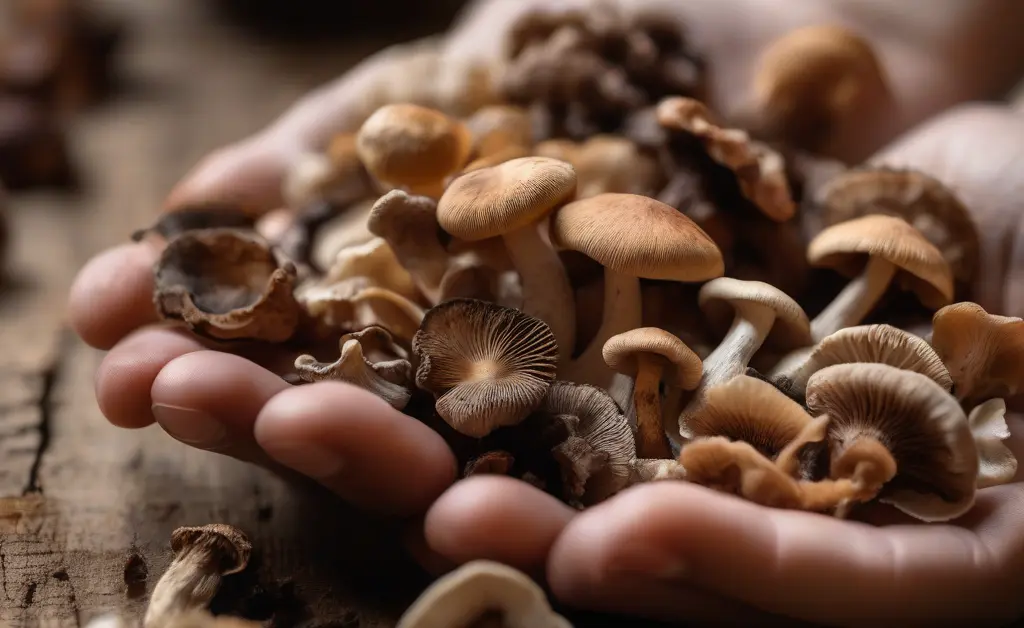
Exploring the benefits of mushroom blends for children is becoming increasingly popular among parents seeking holistic support. Many functional mushrooms, including cordyceps, may offer synergistic effects for holistic support when combined. For example, popular combinations often include Reishi mushroom for kids, known for its calming properties and immune support, or Turkey tail mushroom for kids, valued for its robust immune-modulating compounds. Lion’s Mane for kids is also a common addition, often considered for its potential cognitive benefits. Parents frequently ask, “Can kids take cordyceps with other medicinal mushrooms?” The answer often depends on the specific blend, the child’s individual needs, and, most importantly, professional guidance. Reputable brands often offer thoughtfully formulated blends designed for children, combining several mushrooms to target various aspects of health, from immunity to focus and overall well-being. Always ensure any mushroom blend is specifically designed for children and that the dosages of each component are appropriate.
In conclusion, exploring the potential of a cordyceps mushroom for kids can be a beneficial step for parents looking to support their children’s immune health, natural energy, and cognitive function. With careful consideration of supplement quality, age-appropriate forms, and an essential pediatrician consultation, cordyceps can be a thoughtful addition to a child’s wellness routine. Making informed decisions, backed by professional advice, is paramount to harnessing the potential benefits for your child’s vitality.
This material is shared for educational insight, not for clinical decision-making. The information presented is not intended to diagnose, treat, cure, or prevent any disease, nor does it constitute medical advice. It is essential to consult with a qualified healthcare professional, such as a pediatrician, before making any decisions about your child’s health or before introducing any new supplements or making changes to their current health regimen. Individual results may vary, and the suitability of any supplement depends on various personal factors.
FAQ
— Is cordyceps safe for children?
Specific research on the safety and efficacy of cordyceps in children is currently very limited. Due to the lack of extensive studies, it is generally recommended to exercise caution and consult with a pediatrician before introducing any new supplement to a child’s regimen. Children’s physiological systems are still developing and may react differently than adults.
— What are the benefits of cordyceps for kids?
Cordyceps is widely recognized for its potential to support energy levels and overall vitality in adults. However, scientific understanding of cordyceps mushroom for kids is quite limited, meaning specific benefits for this age group are not well-established through robust research. Children’s developing physiology often responds uniquely to natural compounds compared to adults.
— At what age can children start taking cordyceps?
Due to the absence of extensive clinical trials involving children, there isn’t a universally established age at which cordyceps use is deemed appropriate. Consulting with a pediatrician before considering any new supplement for a child is crucial to ensure their individual health needs are met.
— How much cordyceps should I give my child?
As a health writer, I cannot provide specific dosage recommendations for children, as that falls within medical advice. Determining appropriate amounts for children requires individualized assessment and professional guidance from a qualified healthcare provider.
— Are cordyceps gummies effective for kids’ immunity?
While cordyceps is recognized for its role in supporting the body’s natural immune responses in adults, specific evidence regarding the effectiveness of cordyceps gummies for children’s immunity is not readily available. The unique physiology of children means responses to supplements can differ significantly from adults.
— What kind of cordyceps supplements are best for toddlers?
There is insufficient research to determine which, if any, cordyceps supplements are best or even appropriate for toddlers. Introducing any new supplement to a toddler’s diet should only be done under the direct supervision and recommendation of a qualified pediatrician.
— Are there any side effects of cordyceps for children?
Specific data on cordyceps side effects in children is extremely limited, making it difficult to predict potential adverse reactions. While generally considered well-tolerated in adults, children’s systems are more sensitive and may respond differently.