
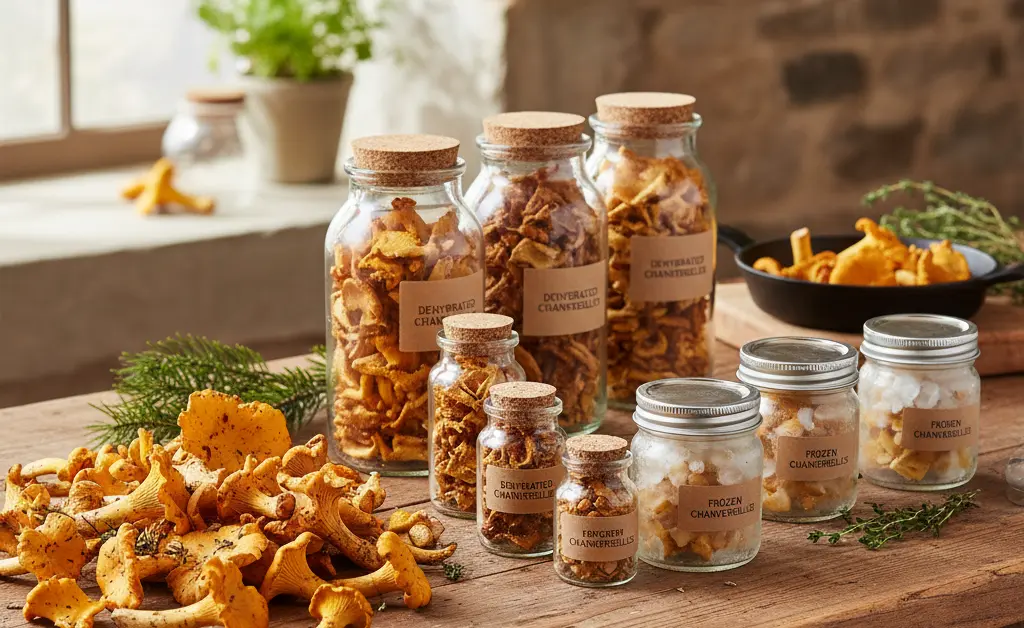
Many home cooks find themselves with an abundance of fresh chanterelle mushrooms after a successful foraging trip or a great find at the market. These delicate, flavorful fungi, however, can be notoriously tricky to store for extended periods. To prevent waste and ensure you can enjoy their unique taste long after the season ends, understanding effective chanterelle mushroom preservation techniques is key. This guide explores several popular and reliable methods, from freezing to dehydrating, helping you capture the essence of these prized mushrooms for future culinary delights. We’ll delve into the best approaches to maintain their delicate texture and earthy aroma, making sure your preserved chanterelles are ready to elevate your dishes anytime.
Chanterelle Mushroom Preservation
Preserving chanterelles is an excellent way to extend their season. Unlike many other vegetables or fungi, these mushrooms require specific preparation to maintain their coveted flavor and texture. The most common and effective methods involve either freezing after cooking or dehydrating. Both approaches have their merits and are suited for different future culinary uses. The key is to process them soon after harvesting or purchasing, as their quality can degrade quickly when stored fresh.
Why You Should Cook Chanterelles Before Freezing
Freezing raw chanterelle mushrooms is generally not recommended. When frozen uncooked, certain enzymes within the mushrooms can remain active. Upon thawing, these enzymes may cause the mushrooms to develop a bitter taste and a rubbery, unappealing texture. Cooking the chanterelles first, typically by sautéing, neutralizes these enzymes. This crucial step helps lock in their delightful peppery and fruity notes, ensuring that when you later use them in a dish, they taste nearly as good as fresh.
Dry Sauté Chanterelles for Freezing
The “dry sauté” method is a preferred technique for preparing chanterelles for the freezer. This process involves cooking the mushrooms in a pan without any added fat like oil or butter. The heat encourages the chanterelles to release their natural moisture. As this water evaporates, the mushrooms’ flavor becomes more concentrated, and their texture becomes firm rather than soggy. This method perfectly prepares them for freezing, preventing them from turning into a watery mass when thawed.
Step-by-Step Guide to Dry-Sautéing
Successfully dry-sautéing chanterelles is a straightforward process. Follow these steps for the best results:
- Clean the Mushrooms: Gently clean your chanterelles using a soft brush or a damp paper towel to remove any dirt or forest debris. Avoid soaking them in water, as they will absorb it and become soggy.
- Prepare the Pan: Place a large, dry skillet or pan over medium heat. A non-stick surface works well for this technique.
- Add the Mushrooms: Add the cleaned and trimmed chanterelles to the hot pan in a single layer. Do not overcrowd the pan; cook in batches if necessary.
- Cook and Evaporate: Let the mushrooms cook, stirring occasionally. They will soon begin to release their water. Continue to cook until all the liquid has evaporated from the pan. The mushrooms should appear slightly browned and significantly reduced in size.
- Cool Completely: Remove the mushrooms from the heat and spread them on a baking sheet or plate to cool down completely before proceeding with packaging for the freezer.
How to Preserve Chanterelles
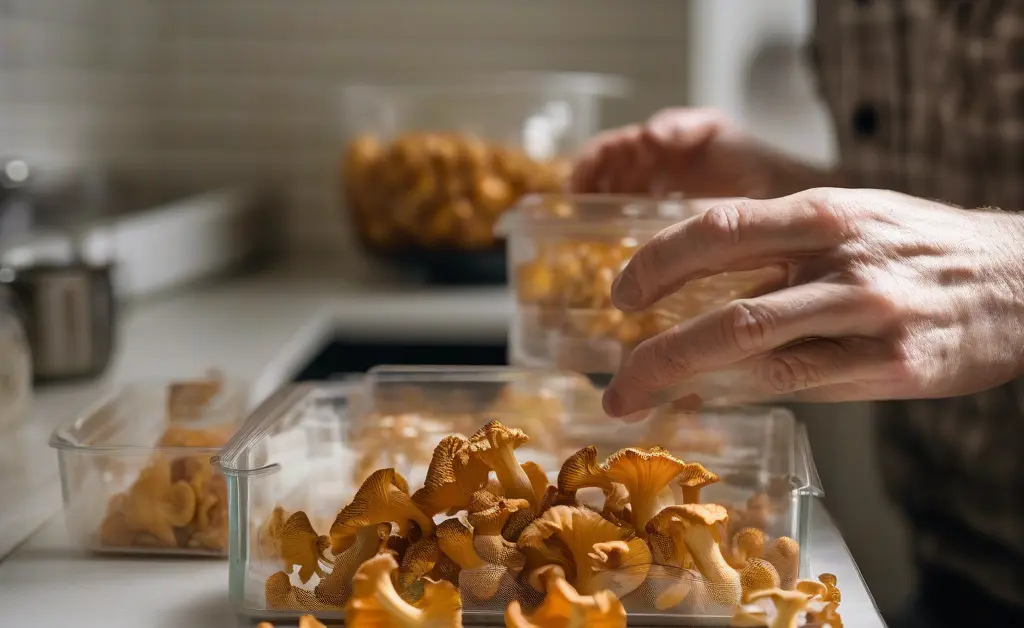
Beyond the initial preparation, the next phase of preserving chanterelles involves proper packaging and storage to protect them from the harsh freezer environment. The goal is to minimize exposure to air and moisture, which are the primary culprits behind freezer burn and flavor loss. Whether you choose vacuum sealing or traditional freezer bags, the care you take in this step directly impacts the quality of your mushrooms months later. Effective chanterelle mushroom preservation ensures your culinary efforts are rewarded with delicious, well-preserved fungi.
Can You Vacuum Seal and Freeze Chanterelles?
Yes, vacuum sealing is an excellent method for freezing cooked chanterelles. After you have dry-sautéed and completely cooled the mushrooms, placing them in a vacuum-seal bag and removing all the air provides superior protection. This process dramatically reduces the risk of ice crystal formation and freezer burn, which can ruin the texture and taste. By creating an airtight environment, you effectively extend their lifespan in the freezer and preserve their unique flavor profile more successfully than with standard freezer bags.
Packaging and Freezing for Optimal Freshness
For the best results, consider flash-freezing your cooked and cooled chanterelles before final packaging. Spread the individual mushrooms in a single layer on a baking sheet and place it in the freezer for an hour or two, or until they are frozen solid. This step prevents them from clumping together into a single large mass. Once frozen, you can easily transfer the mushrooms into freezer bags, vacuum-seal bags, or airtight containers. Squeeze out as much air as possible from regular freezer bags before sealing to further protect them.
Preparing Chanterelles for Preservation
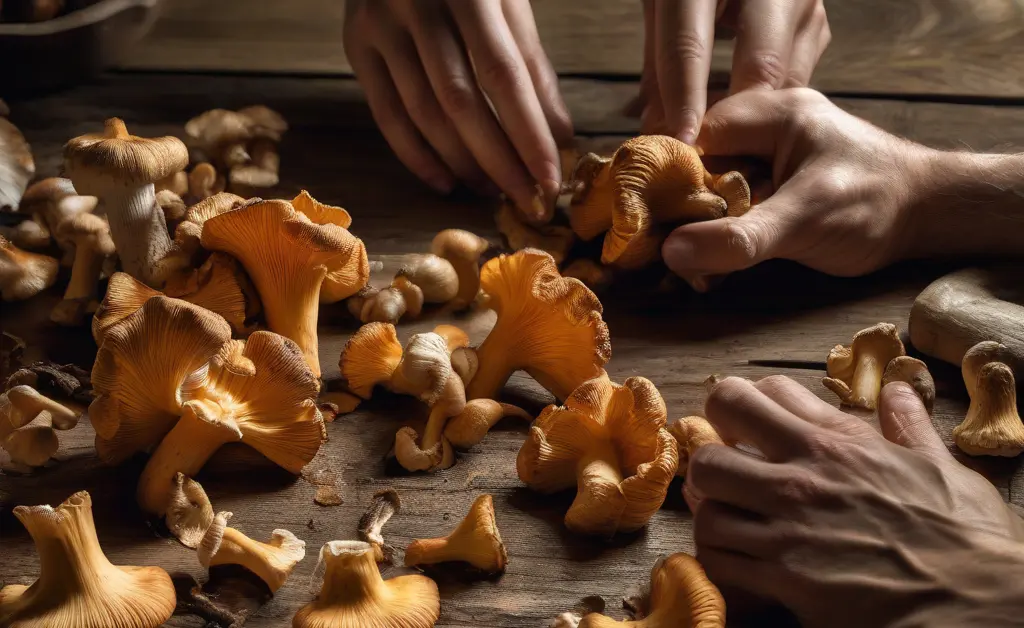
Before you begin any preservation method, proper preparation is essential. Start by carefully cleaning your chanterelles. As they are delicate, use a soft mushroom brush or a slightly damp cloth to wipe away any dirt. Avoid rinsing them under running water if possible. After cleaning, trim the very end of the stems, which can be tough, and slice away any damaged or soft spots. If you have mushrooms of varying sizes, you can slice larger ones to ensure more uniform pieces for even cooking or drying.
Choosing Containers: Jars vs. Vacuum-Sealed Bags
When it comes to storing your preserved chanterelles, both glass jars and vacuum-sealed bags have their advantages. Vacuum-sealed bags are ideal for freezer storage, as they are space-efficient and provide the best protection against freezer burn by removing nearly all air. For dried chanterelles, airtight glass jars are an excellent choice. They offer a perfect seal against moisture and pests, are reusable, and allow you to see the contents easily. Your choice will depend on your preservation method and storage space.
Labeling and Dating Your Stash
One of the most crucial yet often overlooked steps in food preservation is labeling. Always label your containers or bags with the contents and the date they were preserved. For chanterelles, you might write “Sautéed Chanterelles” or “Dried Chanterelles” followed by the month and year. This simple habit helps you keep track of your inventory, ensuring you use older batches first and can easily identify what you have without guessing. Proper labeling prevents waste and helps you enjoy your preserved goods at their peak quality. For broader guidelines on food safety and consumer protection, you can consult resources like the European Food Safety Authority (EFSA).
How to Freeze Chanterelle Mushrooms
Freezing is one of the most popular ways to preserve chanterelles, but it must be done correctly. The most important rule is to cook them first. Raw chanterelles do not freeze well and often become bitter. The best approach is to clean the mushrooms thoroughly, then dry-sauté them until they have released their liquid and it has evaporated. Once cooked, allow them to cool completely. You can then flash-freeze them on a baking sheet before transferring them to an airtight container or vacuum-sealed bag. This comprehensive approach to chanterelle mushroom preservation helps maintain their signature texture and flavor for future dishes.
Dehydrating Chanterelles for Long-Term Storage
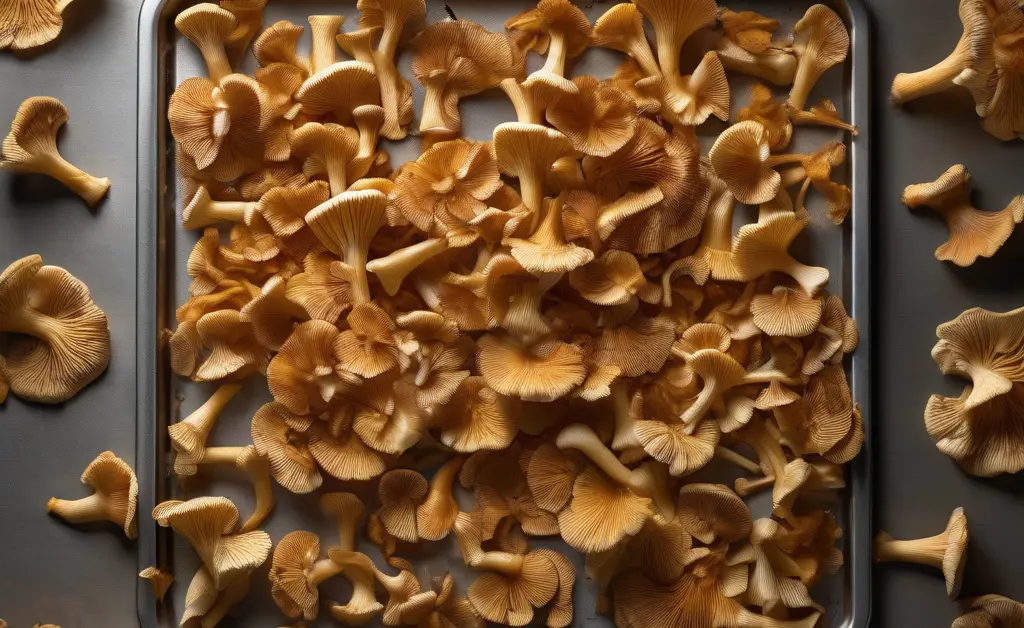
Dehydration is another fantastic method of chanterelle mushroom preservation that results in a shelf-stable product with an intensified, concentrated flavor. Dried chanterelles take up very little space and can be stored for long periods. When you are ready to use them, they can be rehydrated in water, broth, or wine, and the leftover soaking liquid makes a wonderfully flavorful addition to sauces and stocks. This method is particularly well-suited for foragers who end up with a very large harvest.
Using a Food Dehydrator
A food dehydrator offers the most consistent and reliable results for drying chanterelles. To use one, start by cleaning the mushrooms and slicing them into uniform pieces to ensure they all dry at the same rate. Arrange the slices in a single layer on the dehydrator trays, making sure there is space between them for air to circulate. Set your dehydrator to a low temperature setting. The mushrooms are fully dry when they are crisp and snap easily. The process can take several hours, depending on the thickness of the slices and the humidity in the air.
Drying Chanterelles in the Oven
If you don’t own a food dehydrator, you can use your oven to dry chanterelles. Set your oven to its lowest possible temperature. Arrange the cleaned, sliced mushrooms in a single layer on baking sheets lined with parchment paper. To allow moisture to escape, it’s important to prop the oven door open slightly with the handle of a wooden spoon. Check the mushrooms regularly and rotate the trays to promote even drying. This method requires more supervision than a dehydrator to prevent the mushrooms from cooking or burning instead of drying.
Best Practices for Storing Preserved Chanterelles
Once you have successfully frozen or dehydrated your mushrooms, proper storage is the final step to ensure their longevity. For frozen chanterelles, the key is to maintain a consistent, cold freezer temperature and use airtight packaging to prevent quality degradation. For dried mushrooms, the storage environment is just as important. Following best practices for storage completes the process of chanterelle mushroom preservation and guarantees you have a delicious ingredient ready for your kitchen.
Properly Storing Dried Mushrooms
To store dehydrated chanterelles, place them in a completely airtight container. Glass jars with tight-fitting lids are an excellent option. Store the container in a cool, dark, and dry place, such as a pantry or a cupboard away from the stove. Exposure to light, heat, and humidity can cause the dried mushrooms to lose their flavor and potentially spoil. When stored correctly, they will remain a potent and flavorful ingredient for many months.
Expected Shelf Life of Frozen vs. Dried Chanterelles
The shelf life of preserved chanterelles varies depending on the method used. Cooked and properly frozen chanterelles generally maintain their best quality for several months. While they can remain safe to eat for longer, their texture and flavor may gradually decline over time. In contrast, dehydrated chanterelles that are stored in airtight containers in a cool, dark place can last for a year or even longer. Their flavor becomes more concentrated with drying, and as long as they are kept free from moisture, their quality remains stable for an extended period.
This article aims to inform, not to replace professional healthcare advice. The information provided is for educational and culinary purposes regarding food preservation. Individuals with specific food allergies, sensitivities, or health conditions should consult with a healthcare provider or a registered dietitian before consuming new foods. Always follow established food safety guidelines when harvesting, preparing, and preserving wild mushrooms.
FAQ
What is the best way to preserve chanterelle mushrooms?
The optimal method for preserving chanterelle mushrooms depends on your intended use, with drying being a popular and effective choice for long-term storage. This process concentrates their flavor and makes them easy to store for later culinary applications. Other methods like freezing or pickling also extend their shelf life, each offering distinct advantages for different dishes.
Can you freeze chanterelles without cooking them first?
Freezing chanterelles without cooking them first is not recommended if you want to maintain their ideal texture. Raw mushrooms contain a lot of water, and when frozen, these water molecules form ice crystals that break down the cell walls. This can result in a mushy consistency upon thawing.
How long do dried chanterelle mushrooms last?
Dried chanterelle mushrooms can last for an extended period, typically up to a year or even longer, when stored properly in an airtight container away from light and moisture. This method of chanterelle mushroom preservation effectively removes water, preventing spoilage and preserving their concentrated flavor.
Should you wash chanterelles before freezing?
It is generally advisable to clean chanterelles before freezing, but washing them thoroughly with water is not the best approach. Instead, gently brush off any dirt or debris with a damp cloth or a soft brush. Excess moisture can contribute to ice crystal formation and a less desirable texture after freezing.