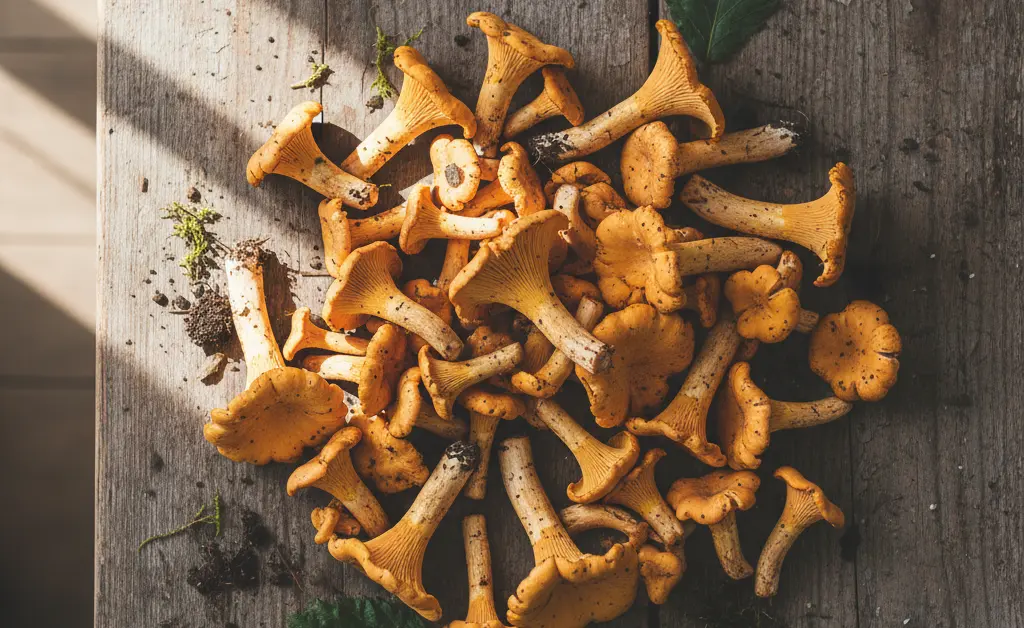
Transforming fresh chanterelle mushrooms from their earthy state to kitchen-ready is a straightforward process when approached correctly. Initially, they might appear coated in forest debris, seemingly delicate and prone to damage. However, with a few simple techniques, you can effectively remove dirt and grit, revealing the vibrant, aromatic mushroom beneath. This guide offers a practical approach to preparing chanterelles, ensuring their unique flavor and texture are preserved for your culinary creations, moving from their initial, uncleaned appearance to a state of pristine readiness for the pan.
Best Process for Cleaning Chanterelles
The best process for cleaning chanterelle mushrooms prioritizes preserving their delicate structure and unique flavor profile. Unlike many other vegetables, chanterelles have a porous texture that can absorb water, which can lead to a soggy final dish and diluted taste. For this reason, the traditional wisdom has often been to avoid water altogether. However, a more balanced approach is often necessary, especially for mushrooms gathered from the wild.
The ideal method starts with a dry cleaning technique to remove as much surface debris as possible. This is often sufficient for relatively clean specimens. For mushrooms with more ingrained dirt, a very quick rinse is acceptable, but prolonged soaking should always be avoided. The goal is to minimize water contact while ensuring the mushrooms are free of grit. This complete chanterelle mushroom cleaning guide will walk you through the nuanced steps to achieve perfectly prepared mushrooms every time.
Essential Tools for Cleaning Chanterelle Mushrooms
Having the right tools on hand makes the cleaning process efficient and gentle. You don’t need specialized equipment; a few common kitchen items will suffice.
- Soft-bristled brush: A mushroom brush, a soft-bristled toothbrush, or even a delicate pastry brush is perfect for whisking away loose dirt, pine needles, and other forest floor debris without bruising the mushroom’s flesh.
- Small paring knife: A sharp knife is essential for trimming the tough, woody base of the stem and for carefully excising any damaged or spoiled spots.
- Colander: If you need to rinse your chanterelles, a colander allows you to do so quickly under running water, preventing them from sitting in a pool.
- Paper towels or a clean kitchen towel: These are crucial for thoroughly drying the mushrooms immediately after rinsing to prevent them from becoming waterlogged.
Step-by-Step Guide to Cleaning Chanterelles
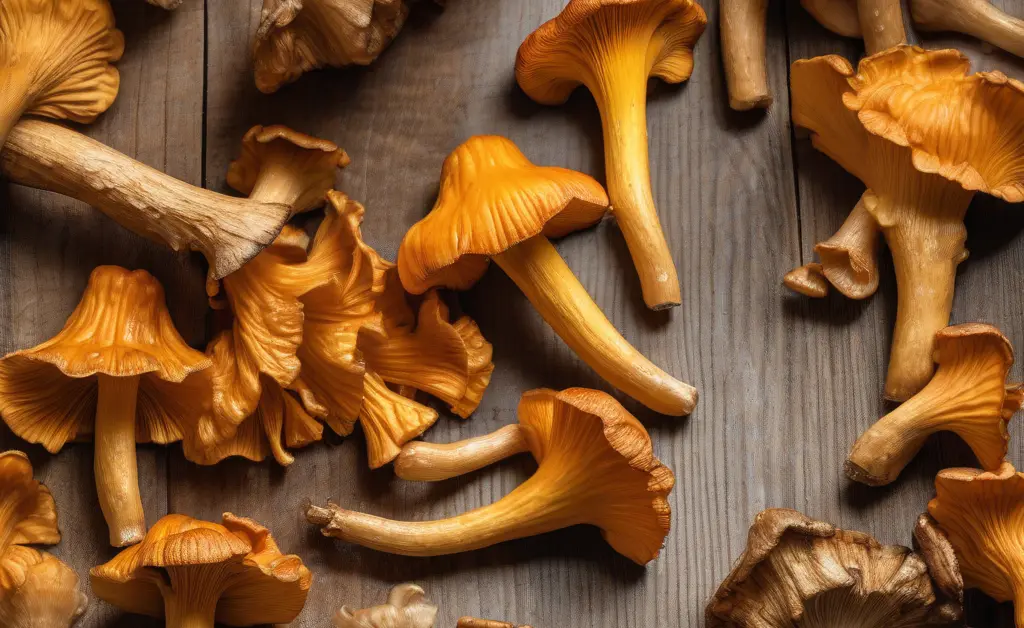
Following a systematic approach ensures that your chanterelles are perfectly cleaned with their texture and flavor intact. The key is to assess the condition of your mushrooms and apply the gentlest method possible to get them clean. This step-by-step chanterelle mushroom cleaning guide breaks the process down into manageable actions, from the initial inspection to the final preparation for cooking.
Step 1: Initial Inspection and Trimming
Before you begin any cleaning, spread your chanterelles out on a clean surface. Inspect each mushroom individually. Look for any signs of decay, extensive insect damage, or soft, slimy spots, and discard any that seem compromised. Use a small, sharp paring knife to trim off the very end of the stem, which is often tough and caked with soil. You can also use the knife to carefully cut away any small blemishes on the cap or gills.
Step 2: The Dry Brush Method for Light Debris
For most chanterelles, especially those that appear relatively clean, the dry brush method is the first and often only step needed. Hold a mushroom gently in one hand and use your soft-bristled brush to sweep away any visible dirt, pine needles, or leaf fragments. Pay close attention to the underside, as debris can get trapped in the false gills. Brush from the top of the cap downwards and work your way around the entire mushroom. This method effectively removes surface grit without introducing any moisture.
Step 3: The Quick Rinse Method
The question of whether to wash chanterelles with water is a common debate. While soaking is discouraged, a quick rinse is sometimes unavoidable for mushrooms with stubborn, embedded dirt. Place the brushed mushrooms in a colander. Run them under a gentle stream of cool water, using your fingers to lightly dislodge any remaining grit. This process should be very fast—no more than a few seconds. Immediately after rinsing, transfer the chanterelles to a tray lined with paper towels or a clean kitchen towel. Pat them dry gently but thoroughly to remove all surface moisture.
Dealing with Heavily Soiled Chanterelles
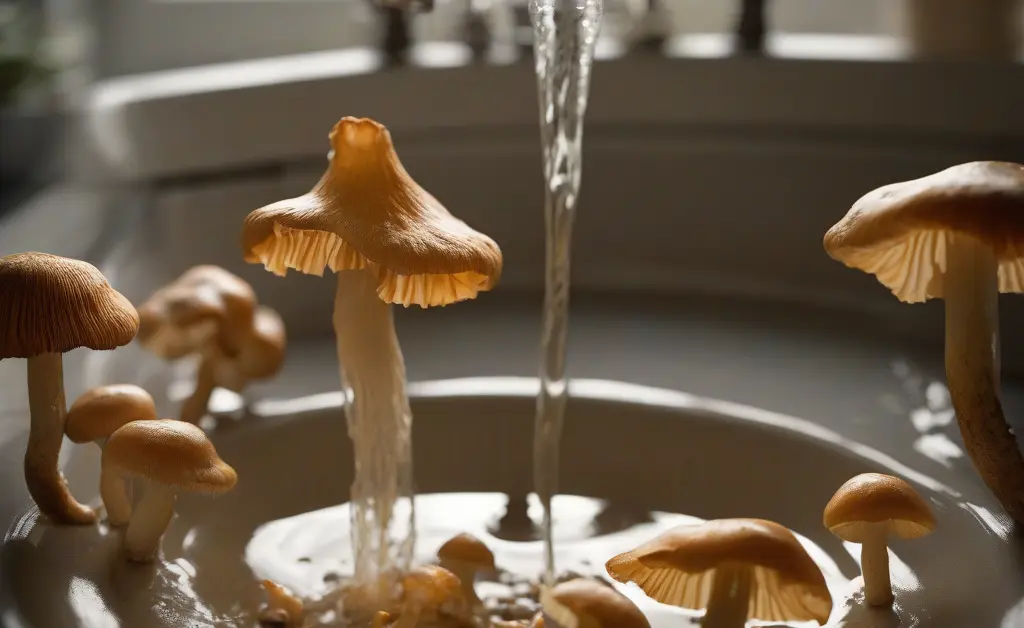
Occasionally, you may encounter a batch of chanterelles that are particularly caked in mud or sand, especially after a heavy rain. In these situations, the dry brush method alone won’t be enough to render them clean enough for consumption. Addressing heavily soiled mushrooms requires a bit more intervention, but the core principle of minimizing water exposure still applies. This part of our chanterelle mushroom cleaning guide provides a method for tackling even the dirtiest specimens without sacrificing their quality.
Step 4: Dealing with Heavily Soiled Mushrooms
For exceptionally dirty chanterelles, a quick dunk may be necessary. Fill a large bowl with cold water. Working in small batches, place a few mushrooms in the water and swish them around gently with your hands for just a few seconds to loosen the heavy soil. Immediately lift them out of the water with your hands or a slotted spoon, rather than pouring the whole bowl into a colander, which would just pour the dirty water back over them. Place the rinsed mushrooms in a colander and give them a final quick rinse under running water. As with the standard rinse method, drying is the most critical final step. Pat them completely dry right away to prevent them from absorbing excess water.
Common Mistakes to Avoid When Cleaning Chanterelles
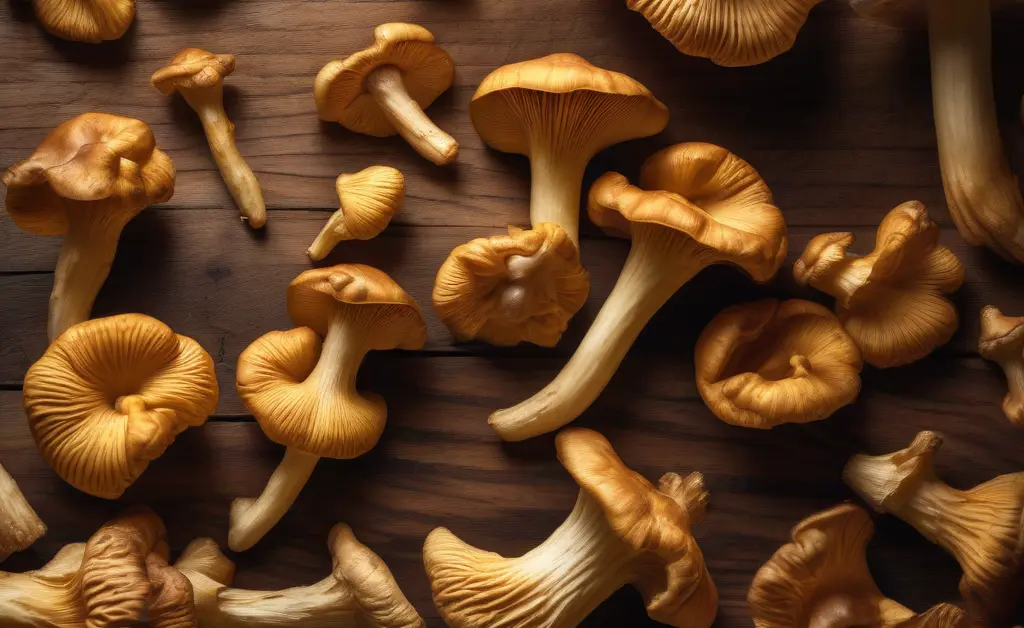
Properly preparing chanterelles is as much about what not to do as what to do. Avoiding a few common pitfalls will ensure your mushrooms retain their sought-after flavor and firm texture. The most significant error is treating them like hardy root vegetables. Chanterelles are delicate and require a gentle touch throughout the process. Following a proper chanterelle mushroom cleaning guide helps prevent these mistakes, but being aware of them is the first step toward perfect preparation.
The primary mistake to avoid is soaking the mushrooms. Chanterelles act like sponges, and leaving them submerged in water will cause them to become saturated, resulting in a rubbery texture when cooked. Another common error is using a brush with stiff bristles, which can easily tear the mushroom’s delicate flesh and gills. Always opt for the softest brush you can find. For further information on general health and food safety, resources like the NIH provide comprehensive guidelines.
Finally, improper storage after cleaning can ruin your efforts. Never store chanterelles in a sealed plastic bag or container, as this traps moisture and accelerates spoilage. After cleaning and thoroughly drying them, place the mushrooms in a paper bag or a bowl covered with a damp cloth in the refrigerator. This allows them to breathe while preventing them from drying out too quickly. For long-term storage, proper chanterelle mushroom preservation techniques can extend their usability.
In summary, the key to success lies in a gentle hand and minimal water exposure. By starting with a dry brush and only resorting to a quick rinse when absolutely necessary, you preserve the integrity of these prized wild mushrooms. The time spent carefully cleaning your chanterelles will be rewarded with their wonderful aromatic flavor and perfect texture in your final dish.
This article aims to inform, not to replace professional healthcare advice. The information provided is for general culinary and educational purposes only and does not constitute recommendations for foraging or consuming wild foods. Always rely on your own judgment when handling and preparing wild mushrooms, and consult with a professional mycologist or experienced forager if you are uncertain about any aspect of identification or preparation.
FAQ
How do you get all the dirt out of chanterelles?
Chanterelle mushrooms have a delicate, funnel-like shape that can trap soil. Gently brushing away loose dirt with a soft brush or a damp cloth is the most effective initial step. For any remaining particles, a quick rinse under cool running water followed by immediate patting dry with a clean towel helps remove stubborn grit without waterlogging the mushrooms.