Finding wild mushrooms can be an exciting culinary adventure, and many foragers eagerly seek out the delicious chanterelle. However, the woods also harbor a look-alike, the Jack O’Lantern mushroom, which is toxic and can cause significant gastrointestinal distress. Making a clear distinction between these two species is crucial for anyone venturing into mushroom hunting. The subtle yet significant differences in their physical characteristics, growth habits, and internal structures are key to a safe and rewarding harvest. Understanding the specific traits of each mushroom ensures you can confidently identify the edible chanterelle mushroom vs jack o lantern impostor.
Chanterelle Mushroom vs Jack O Lantern Identification
Proper mushroom identification is a skill that blends careful observation with mycological knowledge. When it comes to telling these two species apart, foragers must look beyond a simple color match and examine multiple features. The process involves a systematic check of where the mushroom is growing, its overall structure, and, most importantly, the characteristics of its underside. Relying on a single feature for identification can lead to dangerous mistakes, making a holistic approach essential for foraging safety.
Chanterelles vs. Jack-o’lantern Mushrooms
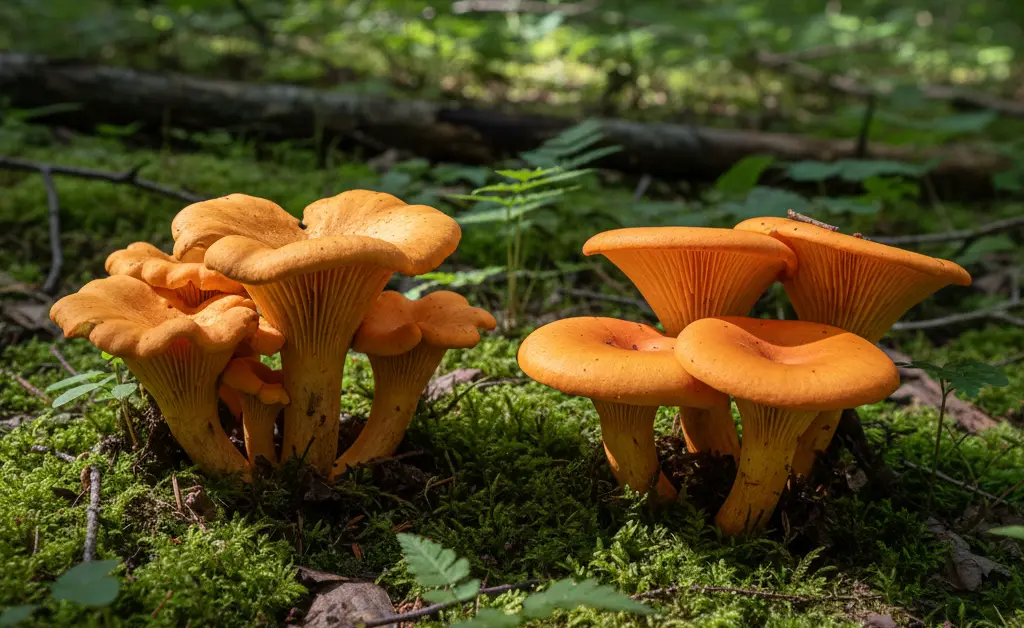
At a glance, both chanterelles and Jack O’Lanterns can appear as vibrant orange fungi, which is why they are so often confused. Chanterelles are prized edible mushrooms with a fruity aroma, often described as smelling like apricots. For culinary purposes, it’s useful to know if there is a good chanterelle mushroom substitute. They are myco-rhizal, meaning they form a symbiotic relationship with the roots of trees. In contrast, Jack O’Lanterns are saprobic, feeding on dead or decaying wood. They are toxic to humans and known for their potential to cause severe digestive upset.
How to tell the difference between a chanterelle and a jack-o’-lantern mushroom?
To differentiate them, you must perform a close inspection. The most definitive feature is the underside of the cap. Chanterelles have false gills, which are actually forked, blunt ridges that run down the stem. They look as though they are a melted part of the mushroom. Jack O’Lanterns, on the other hand, have true gills. These are sharp, blade-like structures that are clearly distinct from the stem. Other key differences include their growth habit (singly from the soil vs. in clusters on wood) and the color of their internal flesh. Understanding the nuances of a chanterelle mushroom vs oyster mushroom is another common comparison for foragers.
Comparing Orange Hues and Flesh Color
While both mushrooms are orange, the specific shade and internal color can be telling. Chanterelles typically display a uniform egg-yolk or golden-orange color. When you slice a chanterelle open, the flesh inside is pale, usually white or a very light yellow, and does not change color when cut. Jack O’Lanterns often have a brighter, more pumpkin-orange hue. A critical clue is that their internal flesh is also orange, matching the exterior, rather than being pale like a chanterelle’s.
Typical Size Differences at Maturity
Size can be a helpful but less reliable indicator, as it varies with environmental conditions. Generally, chanterelles are smaller and more delicate. Their caps are often wavy and irregular, reaching a few inches in diameter. Jack O’Lanterns can grow much larger and more robustly. They often form impressive, dense clusters with individual caps that can become quite broad, sometimes spanning several inches across. Their appearance is more classic and less gracefully irregular than a chanterelle’s.
Contrasting Cap and Stem Structures
The cap and stem of a chanterelle often appear to be one continuous, vase-like structure. The stem is solid and tapers downwards, and the false gills run seamlessly from the cap down the stem. There is no clear line where the cap ends and the stem begins. The Jack O’Lantern has a more defined structure with a distinct cap and central stem. The true gills stop abruptly at the point where they connect to the stem, which is a key structural difference.
Key Differences: Chanterelle vs. Jack-O’Lantern
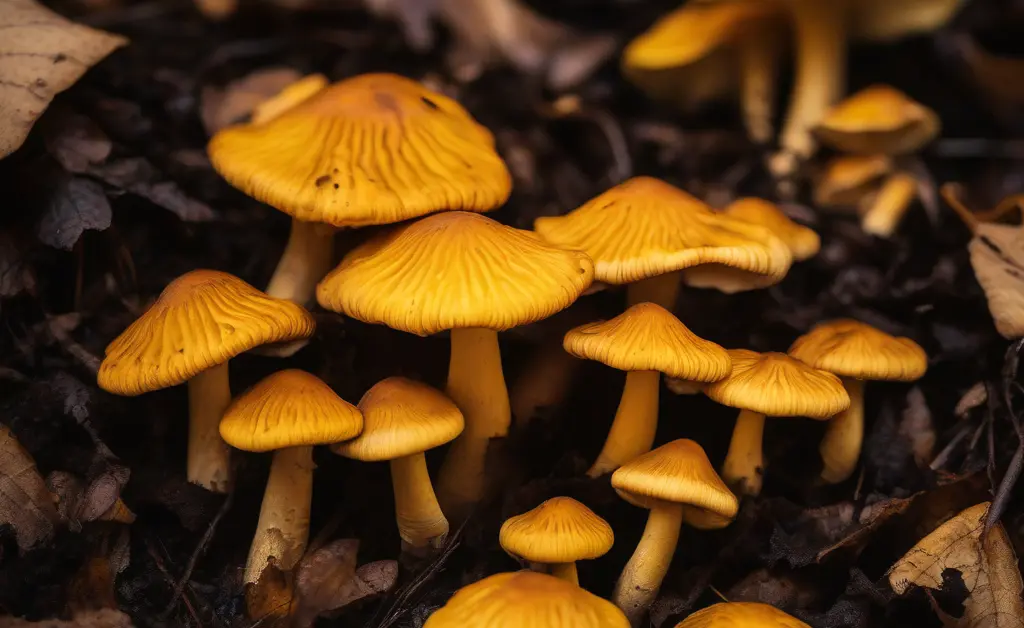
Understanding the fundamental distinctions between these mushrooms is non-negotiable for safe foraging. The most critical differences lie in their gill structure, growth substrate, and clustering habit. While color and size offer clues, these primary characteristics are the most reliable for avoiding a toxic lookalike. Mastering the comparison of the chanterelle mushroom vs jack o lantern is a foundational skill in mycology.
Identifying the True Gills of a Jack O’Lantern
A Jack O’Lantern possesses true gills. These structures are thin, deep, and knife-like, similar to what you would find on a common store-bought portobello or button mushroom. If you run your finger across them, they feel delicate and can be easily broken or separated. They are clearly attached to the underside of the cap but are separate structures that do not blend into the stem. This feature alone is a major red flag that you are not looking at a chanterelle.
Recognizing the Forked Ridges of a Chanterelle
The underside of a chanterelle cap features what mycologists call false gills or, more accurately, ridges. These are not separate, blade-like structures. Instead, they are folds or wrinkles in the flesh of the mushroom itself. They appear melted onto the underside and run down the stem in a decurrent fashion. These ridges are blunt, interconnected, and have a forked or cross-veined appearance. They cannot be easily separated from the cap without tearing the flesh.
Jack O’Lantern’s Habit of Growing in Clusters on Wood
Where a mushroom grows is just as important as what it looks like. Jack O’Lanterns are saprotrophic, meaning they decompose organic matter. You will almost always find them growing in large, dense clusters directly on wood, such as stumps, buried roots, or at the base of dead or dying hardwood trees. If you see a group of bright orange mushrooms sprouting together from a single point on wood, you should immediately be suspicious that they are Jack O’Lanterns.
Chanterelle’s Tendency to Grow Singly From Soil
Chanterelles are mycorrhizal and have a symbiotic relationship with living trees, often oaks and conifers. Because of this, they grow from the soil, not directly on wood. While they can appear in groups scattered across a patch of forest floor, they typically sprout individually. You will not find them fused together in a large, dense clump like Jack O’Lanterns. Each chanterelle will have its own stem emerging from the ground.
Gills vs. Ridges: The Primary Distinguishing Feature
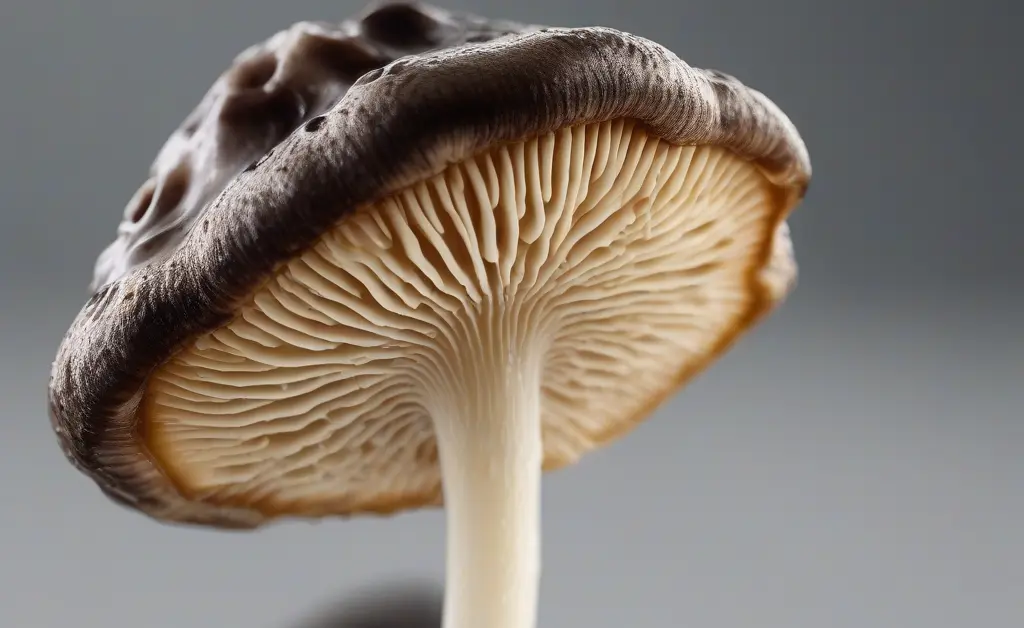
The single most reliable way to distinguish a chanterelle from a Jack O’Lantern is by examining the structures underneath the cap. This feature, the difference between true gills and false gills, is the bedrock of safe identification for these species. True gills, found on the poisonous Jack O’Lantern, are thin, deep, and fragile, like pages in a book. They are distinct from the cap and stem. In contrast, the edible chanterelle has forked ridges, also known as false gills. These are simply folds in the mushroom’s flesh that are shallow, blunt, and run smoothly down the stem, appearing as though they were melted onto the surface. Anyone learning to differentiate the chanterelle mushroom vs jack o lantern must master this specific detail.
Visual Comparison: Color, Size, and Shape
A side-by-side visual comparison highlights several key differences. The chanterelle typically exhibits a golden, egg-yolk yellow color and possesses an irregular, wavy cap shape that flows into the stem, creating a funnel-like appearance. Its flesh is white inside. The Jack O’Lantern is usually a brighter, more pumpkin-like orange, with a more classic, rounded cap that is clearly separate from its central stem. Its internal flesh is orange, not white. Furthermore, Jack O’Lanterns grow in large, shelf-like clusters on wood, whereas chanterelles grow scattered and singly from the ground. Paying close attention during this visual inspection of the chanterelle mushroom vs jack o lantern is critical for avoiding misidentification.
The Bioluminescence Test for Jack O’Lanterns
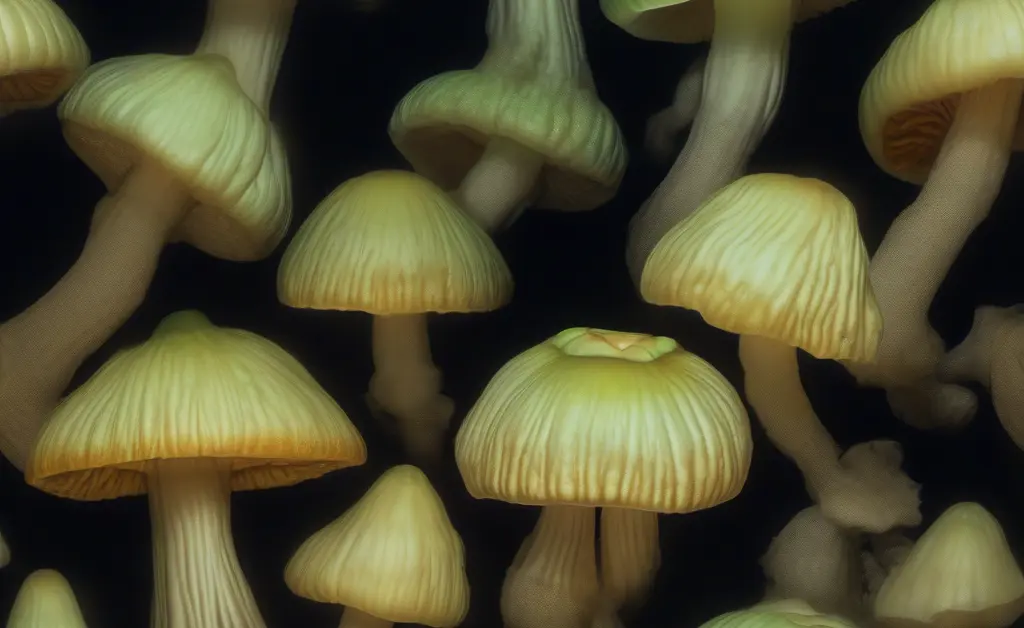
A fascinating and unique characteristic of the Jack O’Lantern mushroom is its bioluminescence. This means the mushroom can produce its own light, emitting a faint, eerie green glow in the dark. The ability to glow is most pronounced in fresh specimens, and the gills are typically the brightest part. To test this, you can take a fresh Jack O’Lantern into a completely dark room and allow your eyes to adjust. While the glow can sometimes be very faint and hard to see, its presence is a definitive confirmation that you have a Jack O’Lantern, not a chanterelle. Chanterelle mushrooms do not glow. The natural chemical reaction that causes this light is a compelling aspect of this mushroom’s biology.
Toxicity and Symptoms of Jack O’Lantern Poisoning
Mistaking a Jack O’Lantern for a chanterelle and consuming it can lead to unpleasant consequences. This poisonous lookalike contains toxins that cause significant gastrointestinal distress. Symptoms of Jack O’Lantern poisoning typically appear within a few hours of ingestion and can include severe stomach cramps, nausea, vomiting, and diarrhea. While poisonings are not generally considered life-threatening for healthy adults, the experience can be intensely uncomfortable and may lead to dehydration. If you suspect you have eaten a Jack O’Lantern mushroom, seeking guidance from a healthcare professional or poison control center is advised. For comprehensive health information, resources from the NIH can be valuable. This risk underscores the importance of absolute certainty when engaging in mushroom identification.
In conclusion, while the chanterelle and Jack O’Lantern mushrooms share a similar color, they are fundamentally different species with distinct characteristics. The most crucial differences are in the gill structure (ridges vs. true gills), growth habit (from soil vs. on wood), and internal flesh color (white vs. orange). By carefully examining each of these features, foragers can confidently avoid the toxic Jack O’Lantern and safely enjoy the culinary delights of the true chanterelle. When in doubt, it is always best to err on the side of caution and consult an expert or a reliable field guide.
The information presented in this article is educational and not meant as professional medical counsel. Consuming wild mushrooms carries inherent risks, and misidentification can lead to serious illness. This content should not be used as a sole resource for mushroom identification. Always consult with a mycology expert or use multiple reputable field guides before consuming any wild fungus. If you suspect you have ingested a poisonous mushroom, contact a poison control center or seek immediate medical attention.
FAQ
How can you tell the difference between a chanterelle and a Jack O’Lantern?
Chanterelles typically have blunt, ridge-like folds under the cap, not true gills, and often possess a more delicate, fruity aroma. Jack O’Lanterns, on the other hand, have sharp, blade-like gills that run down the stem and are known for their orangey color throughout. The chanterelle mushroom is also generally more firm and may have wavy or irregular cap edges.
Do chanterelles have true gills?
Chanterelles do not possess true gills; instead, they feature gill-like folds or ridges that are blunt and decurrent, meaning they run down the stipe. These structures are more like wrinkles or veins than the thin, sharp lamellae found on many other mushrooms. This unique feature is one of the key identifiers for chanterelles.
Where do Jack O’Lantern mushrooms typically grow?
Jack O’Lantern mushrooms are saprophytic fungi that commonly grow in dense clusters or troops on decaying wood, particularly at the base of stumps or on buried roots. They are often found in deciduous forests and are known for their tendency to fruit after significant rainfall. Their presence on wood is a distinguishing characteristic.
Are Jack O’Lanterns orange inside?
Jack O’Lantern mushrooms are typically orange both on the outside and throughout their flesh, which can be quite striking. The gills are also a vibrant orange and extend down the length of the stem. This consistent coloration is a notable characteristic of this species.