
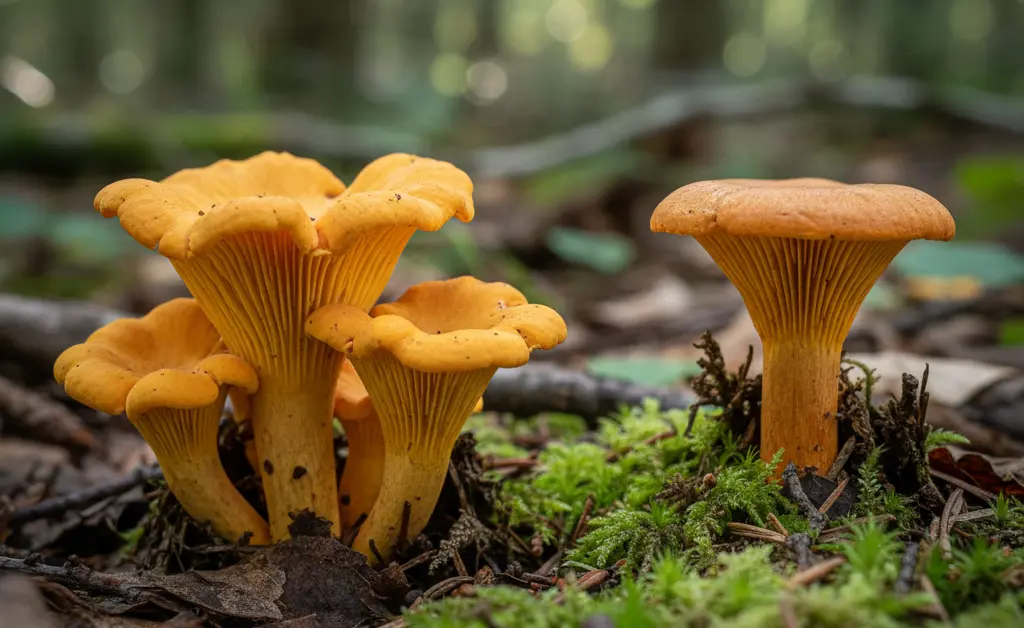
Many people enjoy the culinary delight of chanterelle mushrooms, prized for their unique flavor and aroma. However, distinguishing these edible fungi from their less desirable, and sometimes toxic, counterparts can be a significant challenge for foragers. Most home cooks and mushroom enthusiasts encounter various species that bear a striking resemblance to the golden chanterelle, leading to potential confusion. Understanding the specific characteristics that differentiate true chanterelles from other species is crucial for safe and successful foraging. This guide aims to clarify the identification process, helping you confidently recognize a chanterelle mushroom look alike and avoid common misidentifications that could lead to an unpleasant experience or even health issues. We will explore key features and provide a clear overview to ensure you can forage with confidence.
Chanterelle Identification and Look-Alike Species
Proper chanterelle mushroom identification hinges on observing a few key characteristics. True chanterelles belong to the Cantharellus genus and are celebrated edibles. However, several other fungi share a similar color and shape, leading to common misidentifications. The primary species of concern are the False Chanterelle and the toxic Jack-O’-Lantern mushroom. Recognizing the subtle but critical differences between these fungi is the most important skill for a chanterelle forager.
False Chanterelle vs Chanterelle
The most common point of confusion is between the true chanterelle and the False Chanterelle. The primary difference lies in their underside. A true chanterelle does not have true gills; instead, it has blunt, vein-like ridges that run down the stem. These are often called false gills. In contrast, the False Chanterelle has true, knife-like gills that are clearly distinct from the stem. Additionally, the color of a False Chanterelle is often a more intense, uniform orange, whereas true chanterelles typically have a more golden or yellowish hue.
Winter Chanterelle vs False Chanterelle
The Winter Chanterelle, also known as the Yellowfoot, is another edible mushroom that can sometimes be confused with the False Chanterelle. Winter Chanterelles are distinguished by their dark brown to yellowish-brown cap and a distinctly hollow, yellow stem. Their underside features the same blunt, vein-like ridges as other true chanterelles, though they are often more spaced out and less pronounced. The False Chanterelle, by comparison, has a solid stem and true gills, making the distinction clear upon closer inspection.
How to identify a False Chanterelle?
To identify a False Chanterelle, look for a combination of features. First, examine the underside of the cap. It will have thin, sharp-edged gills that are typically forked and can be easily separated from the cap. The texture of the mushroom is generally softer and more fragile than a true chanterelle. The color is often a vibrant orange that is more uniform than the golden-yellow of a true chanterelle. Finally, False Chanterelles often grow on decaying wood or very rich soil, whereas true chanterelles grow in a mycorrhizal relationship with living trees, emerging from the soil itself.
Is there a poisonous mushroom that looks like a chanterelle?
Yes, there is a poisonous mushroom that looks like a chanterelle, and it is crucial for foragers to know. The most notable toxic look-alike is the Jack-O’-Lantern mushroom. While it shares a similar orange color, it has several key differences. Most importantly, it grows in dense clusters on wood, stumps, or buried roots, while chanterelles grow scattered on the forest floor. The Jack-O’-Lantern also has true, non-forking gills and is known for being bioluminescent, meaning it can glow faintly in the dark.
The Most Common Chanterelle Look-Alikes
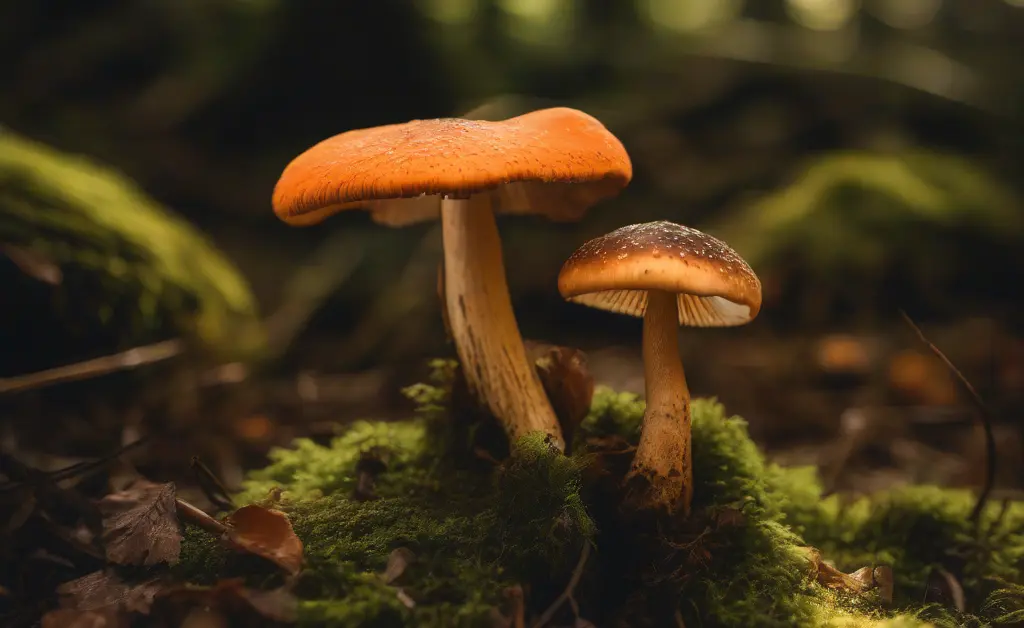
When foraging for chanterelles, you are likely to encounter at least two common species that can cause confusion. These are the Jack-O’-Lantern and the False Chanterelle. While both can resemble a true chanterelle from a distance, a closer examination reveals fundamental differences that are essential for safe identification. Learning to spot these imposters is just as important as knowing what a true chanterelle looks like. One could even say that finding a chanterelle mushroom look alike is a common part of the foraging experience.
The Jack-O’-Lantern Mushroom (Omphalotus olearius)
The Jack-O’-Lantern mushroom is the most dangerous chanterelle look-alike due to its toxicity. It is a vibrant orange fungus that often grows in large, impressive clusters at the base of trees, on stumps, or over buried wood. Unlike chanterelles, which grow individually or in loose patches on the ground, Jack-O’-Lanterns are saprobic, meaning they feed on decaying wood. Their most defining feature is their set of true, sharp gills that are not forked and do not run down the stem in the same way as a chanterelle’s ridges. Consuming this mushroom can lead to severe gastrointestinal distress.
The False Chanterelle (Hygrophoropsis aurantiaca)
The False Chanterelle is another common source of misidentification. While not as toxic as the Jack-O’-Lantern, it can cause digestive upset in some individuals and is considered an undesirable edible. It is typically more orange and has a softer texture than a true chanterelle. The key identifier is its underside, which features true, thin, and deeply forked gills. These gills look much more like the classic mushroom gills seen on a portobello, rather than the fused, blunt ridges of a true chanterelle. They tend to grow on soil or on well-decayed wood.
Key Distinguishing Features: True Chanterelles vs. Imposters
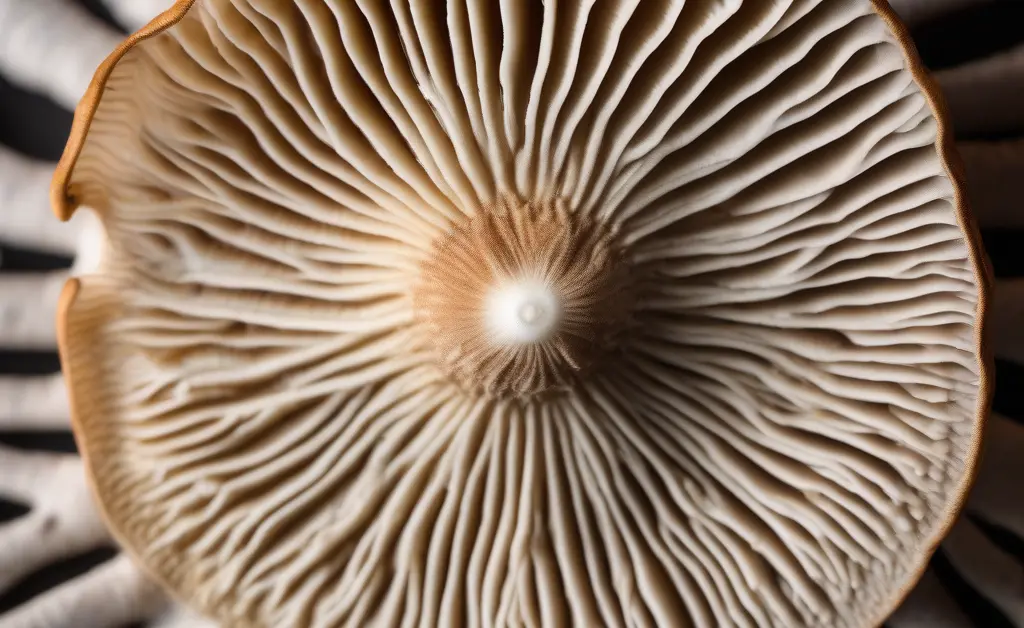
The ability to confidently differentiate true chanterelles from their look-alikes comes down to paying close attention to a few specific anatomical details. Novice foragers can be misled by color and shape alone, but experienced hunters know that the most reliable clues are found on the mushroom’s underside, in its flesh, and in its habitat. Understanding these key features is fundamental to avoiding a potentially dangerous chanterelle mushroom look alike.
Gills vs. False Gills (Ridges)
The most critical distinguishing feature is the structure on the underside of the cap. True chanterelles do not have true gills. Instead, they possess “false gills,” which are better described as forked, blunt ridges or veins that are part of the mushroom itself. These ridges run down from the underside of the cap onto the stem (a feature called ‘decurrent’) and cannot be easily separated from the flesh. In contrast, look-alikes such as the Jack-O’-Lantern and False Chanterelle have true gills. These are blade-like, papery structures that are clearly distinct and can be individually plucked or separated from the cap.
Flesh and Stem Interior Color
Another helpful clue is the appearance of the flesh when the mushroom is cut or torn open. A true chanterelle, such as the golden chanterelle, has a solid stem and its flesh is typically pale white to a light yellow. When you tear it apart, it often peels like string cheese. The interior color is uniform and does not significantly differ from the exterior. Some look-alikes may have a different interior color or a hollow stem. For example, the edible Winter Chanterelle has a distinctly hollow stem, which helps differentiate it from other species. Learning about different chanterelle mushroom varieties can further enhance your foraging knowledge.
Habitat: Growing on Soil vs. Wood
Where a mushroom is growing is a vital piece of the identification puzzle. True chanterelles are mycorrhizal, meaning they form a symbiotic relationship with the roots of living trees. Therefore, they are always found growing out of the soil on the forest floor, though often near trees. They never grow directly on logs, stumps, or decaying wood. Conversely, the toxic Jack-O’-Lantern mushroom is saprobic and grows exclusively on wood, often in dense clusters. If you find an orange mushroom growing on a log, it is not a chanterelle.
Toxicity and Symptoms of Chanterelle Look-Alikes
While the allure of foraging for wild mushrooms is strong, safety must always be the top priority. Misidentifying a chanterelle can lead to unpleasant or even severe health consequences. The symptoms caused by ingesting a chanterelle look alike can range from mild gastrointestinal upset to more serious poisoning, depending on the species consumed and the individual’s sensitivity. It is crucial to be aware of the potential risks associated with the common look-alikes.
Symptoms of Jack-O’-Lantern Poisoning
The Jack-O’-Lantern mushroom contains a toxin known as muscarine. Consumption of this mushroom typically leads to severe gastrointestinal symptoms. Individuals may experience nausea, vomiting, abdominal cramps, and diarrhea. The onset of these symptoms usually occurs within a few hours of ingestion. While rarely fatal for healthy adults, the experience can be extremely unpleasant and may require medical attention to manage symptoms and prevent dehydration.
Effects from Consuming False Chanterelles
The False Chanterelle is not considered deadly poisonous, and many sources describe it as edible, albeit of poor quality. However, a significant number of people report experiencing adverse effects after eating it. The most common reactions include gastrointestinal distress, such as indigestion, cramps, or diarrhea. For this reason, it is widely recommended to avoid consuming this species. The effects are generally mild compared to Jack-O’-Lantern poisoning but can still be quite unpleasant.
What to Do If You’ve Eaten a Look-Alike
If you suspect you have consumed a toxic chanterelle mushroom look alike, it is essential to seek professional medical help immediately. Do not wait for symptoms to appear. If possible, bring a sample of the mushroom you ate with you for identification purposes, as this can greatly assist medical professionals in determining the appropriate course of action. Do not attempt to self-treat or induce vomiting unless specifically advised to do so by a poison control center or a healthcare provider. For reliable guidance on food safety and mushroom identification, resources from the FDA can be consulted.
A Forager’s Quick-Check Guide to Avoid Misidentification
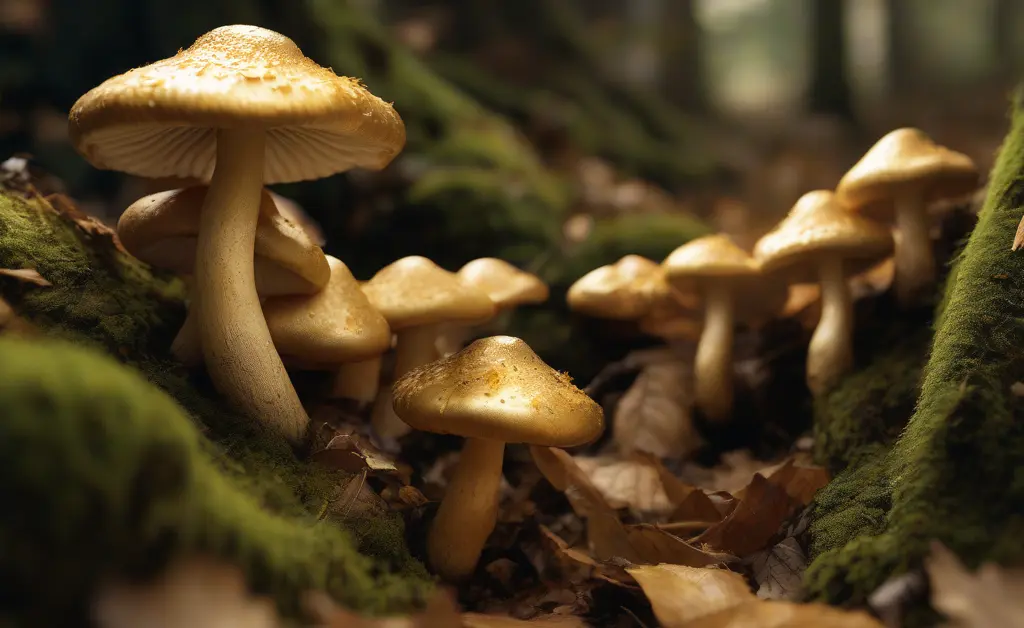
To ensure safety and confidence while foraging, it helps to have a mental checklist of features to verify before harvesting any mushroom believed to be a chanterelle. Rushing an identification based on color alone is a common mistake. By systematically checking several key characteristics, you can significantly reduce the risk of misidentifying a chanterelle mushroom look alike and bringing home the wrong fungus.
Verify the Underside Structure
Before anything else, turn the mushroom over and examine its underside. Is it covered in blade-like, papery gills that can be easily flaked off? If so, it is not a chanterelle. A true chanterelle will have blunt, interconnected ridges that are fused to the cap and stem and look more like melted veins than separate blades.
Confirm the Growth Location
Pay close attention to where the mushroom is growing. Is it emerging from the soil on the forest floor, perhaps scattered loosely under oak or beech trees? This is the correct habitat for a chanterelle. If the mushroom is growing in a tight cluster directly on a log, stump, or from the base of a tree, it is a major red flag and likely a wood-decomposing species like the Jack-O’-Lantern.
Check for Uniform Color Inside the Stem
Tear the mushroom in half from top to bottom. A golden chanterelle should have solid flesh that is white or pale yellow all the way through. This flesh often has a texture that pulls apart like string cheese. An interior that is a different color or a stem that is hollow may indicate you have found a different species.
Observe the Growth Pattern
Consider how the mushrooms are arranged. True chanterelles typically grow as single specimens, in small groups, or in scattered patches across a wide area. They do not grow in dense, fused clusters from a single point. If you see a large, tightly packed clump of orange mushrooms, it is almost certainly not a patch of chanterelles.
Ultimately, the practice of mushroom foraging requires patience, careful observation, and a healthy dose of caution. Chanterelles are a wonderful culinary ingredient, but their safe enjoyment depends on accurate identification. By learning the distinct characteristics of true chanterelles and familiarizing yourself with their common look-alikes, you can build the confidence needed to forage safely. When in doubt, it is always best to leave the mushroom where you found it. Consulting with local mycological societies or experienced foragers is an excellent way to verify your finds and deepen your knowledge.
The content presented here is not a substitute for professional medical guidance. This article is for informational purposes only and is not intended to be a definitive guide for mushroom identification. Never consume a wild mushroom unless you are 100% certain of its identity, and it is highly recommended to have your finds verified by an expert. If you suspect mushroom poisoning, contact a poison control center or seek emergency medical attention immediately.
FAQ
How do you tell the difference between a chanterelle and a Jack O’Lantern?
Chanterelles have blunt, forked ridges that run down the stem, while Jack O’Lantern mushrooms possess true, sharp gills. The chanterelle typically has a more irregular, vase-like shape and a distinct fruity aroma, often compared to apricots. Jack O’Lanterns tend to grow in dense clusters on wood and can emit a faint glow in the dark.
Is the false chanterelle poisonous?
The false chanterelle, also known as *Hygrophoropsis aurantiaca*, is not considered highly poisonous but can cause gastrointestinal upset in some individuals. Its edibility is debated, and consuming it is generally not recommended due to potential digestive issues and confusion with true chanterelles. Foragers typically avoid it because it does not offer the same culinary or medicinal benefits.
Do any poisonous mushrooms look like chanterelles?
While there are several mushrooms that may superficially resemble chanterelles, the most commonly cited dangerous look-alike is the Jack O’Lantern mushroom (*Omphalotus olearius*). Other species, like the False Chanterelle (*Hygrophoropsis aurantiaca*), are not deadly poisonous but are often mistaken for the prized edible variety. It is crucial to be able to accurately identify the distinguishing features of a true chanterelle.
How can you tell a chanterelle from a look alike?
True chanterelles are identified by their blunt, wavy ridges running down the stem, rather than sharp, distinct gills. Their flesh is typically firm and white throughout, and they often have a pleasant, fruity aroma. Careful observation of gill structure, cap shape, and scent are key when distinguishing them from any chanterelle mushroom look alike.