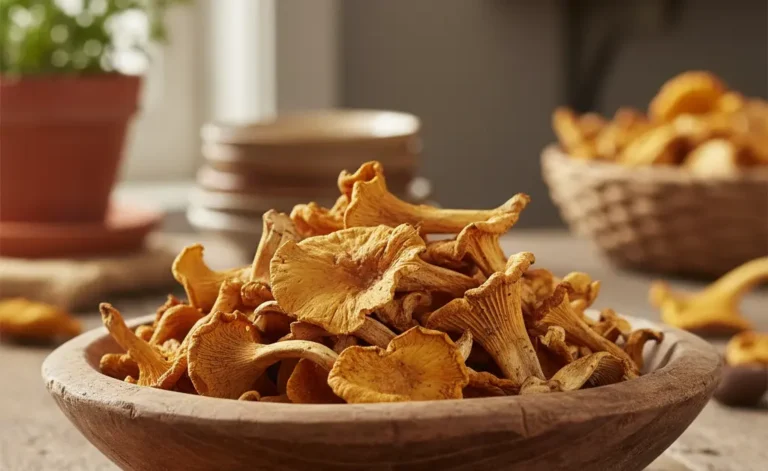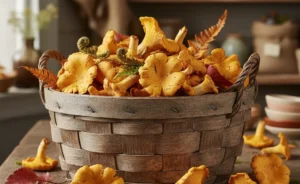

Many people are captivated by the allure of wild mushrooms, often seeking out the distinctive and flavorful chanterelle. These prized fungi are celebrated by most home cooks and professional chefs alike for their peppery taste and fruity aroma. While the golden chanterelle is perhaps the most widely recognized, a lot of readers might not be aware of the diverse range of chanterelle mushroom varieties that exist. Understanding these different types, their unique characteristics, and their habitats is essential for both foraging enthusiasts and culinary explorers. This guide aims to shed light on the various species, offering insights into their identification and culinary applications, helping you navigate the exciting world of these forest treasures.
Understanding Chanterelle Mushroom Varieties
The term “chanterelle” does not refer to a single mushroom species but rather a group of related fungi within the Cantharellus genus and its close relatives. While they share core characteristics, learning to recognize the distinct traits of the different chanterelle mushroom varieties is key to successful identification. The most critical feature to learn across all true chanterelles is the presence of false gills. Unlike the separate, blade-like gills of many other mushrooms, chanterelles have blunt, forked ridges or wrinkles that run down from the underside of the cap onto the stem. This feature, along with their solid flesh and often fruity aroma, helps distinguish them from potentially dangerous look-alikes. Familiarizing yourself with the specific traits of each type will enhance your appreciation for this remarkable group of edible mushrooms.
Golden Chanterelle (Cantharellus cibarius)
The Golden Chanterelle is the most famous and widely sought-after member of the chanterelle family. Its cap is typically a vibrant egg-yolk yellow to golden-orange color. When young, the cap is convex, gradually becoming flat and then funnel-shaped or vase-like with a wavy, irregular margin as it matures. The most telling feature is the underside, which features the characteristic blunt, decurrent (running down the stem) false gills. The flesh is firm, white, and does not change color when cut. A key identifier for the Golden Chanterelle is its distinct and pleasant aroma, often described as being similar to apricots or peaches. For accurate information on fungal identification and health implications, resources from the National Institutes of Health can be consulted.
White Chanterelle (Cantharellus subalbidus)
As its name suggests, the White Chanterelle stands out for its coloration. It typically has a whitish to creamy-white cap, which can sometimes develop yellowish or brownish stains with age or handling. Structurally, it is very similar to the Golden Chanterelle, possessing a robust, fleshy build and a funnel shape in maturity. The false gills are also well-developed, forked, and run down the stem. It shares the solid white flesh characteristic of the genus. While its aroma might be milder than its golden cousin, it is still considered a prized edible mushroom. Ensuring proper identification prevents confusion with potential chanterelle mushroom look-alikes.
Yellowfoot Chanterelle (Craterellus tubaeformis)
Also known as the Winter Chanterelle or Funnel Chanterelle, the Yellowfoot is often found later in the season. It looks quite different from the classic Golden Chanterelle. Its cap is typically yellowish-brown to grayish-brown and is deeply funnel-shaped, often with a hole in the center that extends down into the stem. The stem is its most identifiable feature: a distinct, often bright yellow and hollow tube. The underside has much less pronounced ridges than other chanterelles, appearing more like shallow veins or wrinkles. These mushrooms are often found in large troops, carpeting mossy ground in coniferous forests.
Cinnabar-Red Chanterelle (Cantharellus cinnabarinus)
The Cinnabar-Red Chanterelle is a smaller but visually striking species. Its most notable feature is its brilliant color, which ranges from pinkish-red to a vibrant cinnabar or flame-orange. It has the classic chanterelle shape, becoming vase-shaped with age, and features the tell-tale forked ridges on the underside of its cap. These ridges are typically a lighter shade than the cap itself. While smaller than the Golden Chanterelle, its solid flesh and chanterelle structure make it easily recognizable once you are familiar with its distinctive hue.
Smooth Chanterelle (Cantharellus lateritius)
The Smooth Chanterelle is very similar in color and stature to the Golden Chanterelle, typically exhibiting a bright yellow to orange-yellow cap. The defining characteristic that gives this mushroom its name is its nearly smooth underside. Instead of the well-defined, deep ridges of *Cantharellus cibarius*, the Smooth Chanterelle has a surface with very shallow, blunt, and often interconnected veins. From a distance, it might appear almost completely smooth. The flesh is solid and pale, and it shares the same general habitat and vase-like development as its more wrinkled relatives.
Proper identification is the most critical skill for anyone interested in wild mushrooms. True chanterelles are distinguished by their false gills, solid stems, and unique aroma. However, there are dangerous look-alikes, such as the poisonous Jack-O’-Lantern mushroom, which has true, sharp gills and grows in clusters on wood, unlike chanterelles which grow from the ground. The False Chanterelle is another common look-alike; while not considered deadly, it has true gills and a less desirable texture and flavor. Never consume a wild mushroom unless you are absolutely certain of its identity, preferably confirmed by an experienced expert.
The information in this article is intended for knowledge purposes only. Identifying wild mushrooms requires expertise, and misidentification can lead to serious health consequences. This guide is not a substitute for in-person training with a mycological expert. Never consume any wild fungus unless you are 100% certain of its identification.
FAQ
How many varieties of chanterelles are there?
There are many different species and varieties of chanterelles found worldwide, with several commonly recognized types. These fungi exhibit diverse characteristics influenced by their specific growing environments and genetic makeup.
Are all types of chanterelle mushrooms edible?
While many chanterelle mushroom varieties are delicious and sought after, not all species are edible. Some can cause digestive upset or are simply unpalatable, making accurate identification crucial.
What is the most common chanterelle variety?
The Golden Chanterelle, also known as Cantharellus cibarius, is widely considered one of the most common and recognizable chanterelle mushroom varieties. It is popular in Europe and has spread to other regions.
Do different chanterelles taste the same?
Flavor profiles can vary significantly among different chanterelles. While many share a delicate, fruity, and peppery aroma and taste, specific notes can differ based on the species and its habitat.
What color are chanterelle mushrooms?
Chanterelles are typically known for their vibrant golden-yellow to orange hues. However, some varieties might present with paler yellow or even whitish colors, depending on the species and its growing conditions.