
Chaga mushroom has gained significant attention for its potential health benefits and natural origins. In New Zealand, interest in this unique fungus is growing, with many seeking reliable information on its properties, sourcing, and applications. This guide aims to provide a comprehensive overview of chaga mushroom nz, highlighting its wellness benefits, traditional uses, and how to identify quality products locally. Whether you are a newcomer or have some experience with chaga, understanding the essentials can help you make informed decisions about incorporating it into your wellness routine. From preparation techniques to ethical sourcing practices, this article covers key aspects to ensure safe and effective use of chaga in New Zealand.
Understanding Chaga Mushroom: A General Overview
Understanding Chaga’s Natural Origin
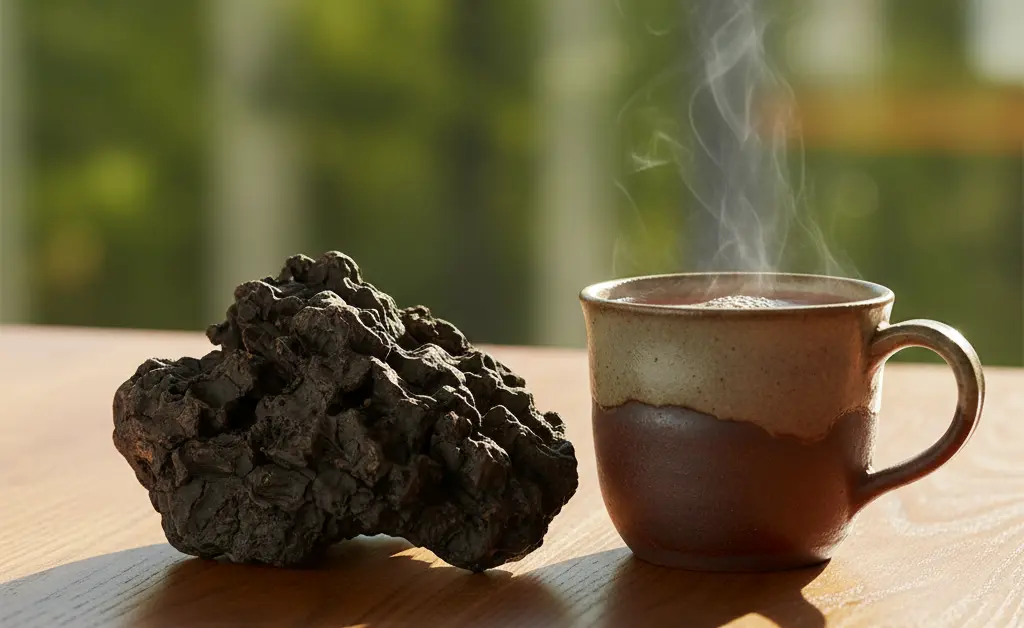
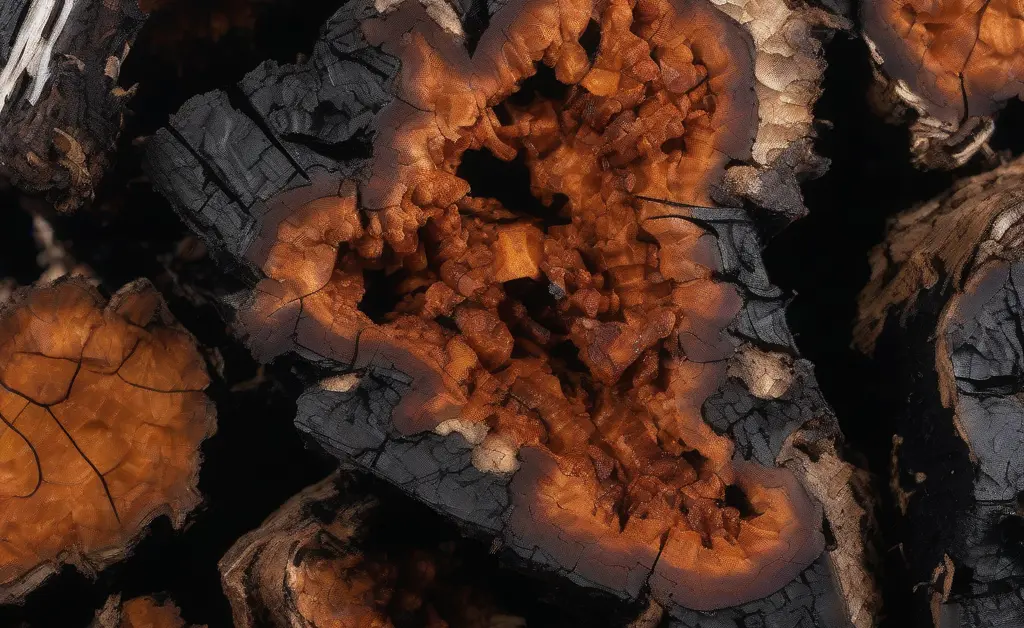
Chaga, scientifically known as *Inonotus obliquus*, is a type of fungus that primarily grows on birch trees in cold climates, such as those found in Siberia, Northern Europe, Canada, and parts of the northern United States. The ideal growing conditions mean that chaga mushroom Finland is often considered a premium source. It is not a typical mushroom with a cap and stem; instead, it forms a hardened, charcoal-like mass on the tree’s bark, known as a sclerotium. This dark, cracked exterior hides a softer, golden-brown interior.
Chaga has a parasitic relationship with its host tree. It draws a rich array of nutrients directly from the birch, concentrating them within its own structure. This process is incredibly slow, with a chaga conk often taking many years to mature. It is this unique life cycle and its absorption of compounds from the birch tree, such as betulinic acid, that contribute to its distinctive composition.
Potential Wellness Benefits of Chaga

General Wellness Support
Chaga is often classified as an adaptogen, a term used to describe natural substances that are believed to help the body adapt to various forms of stress. Traditionally, it has been consumed as a tonic to promote overall vitality and resilience. Its dense nutritional profile includes a variety of vitamins, minerals, and plant-based compounds that may contribute to general well-being. People often incorporate chaga into their routines to support energy levels and maintain a sense of balance in their daily lives.
Chaga’s Antioxidant Characteristics
One of the most studied aspects of chaga is its high concentration of antioxidants. These compounds help the body combat oxidative stress, a natural process caused by unstable molecules called free radicals. The dark, black outer layer of chaga is particularly rich in melanin, a powerful antioxidant that contributes to its characteristic color. By providing the body with a source of antioxidants, chaga may help protect cells and support long-term health. The growing interest in `chaga mushroom nz` is often linked to its reputation as an antioxidant-rich superfood.
Immune System Balance and Chaga
Chaga contains complex polysaccharides, particularly beta-glucans, which have been studied for their potential to support and modulate the immune system. Rather than simply boosting it, these compounds are thought to help the immune system function more intelligently and efficiently. Research into the effects of beta-glucans on the immune system is ongoing, with institutions like the NIH providing extensive information on related studies. This balancing effect may help the body maintain its natural defense mechanisms, making chaga a popular choice for those looking to support their immune health year-round.
Traditional Uses and Preparation Methods
Traditional Use in Various Cultures
The use of chaga dates back centuries, with deep roots in the folk traditions of Siberia and Russia. Indigenous peoples of the region, such as the Khanty, have long revered it as a health-promoting tonic. It was traditionally brewed into a tea and consumed to enhance stamina, support digestive wellness, and promote longevity. In Northern European cultures, it was also used to support the body’s natural resilience against environmental challenges. This long history of traditional use has paved the way for its modern popularity as a wellness supplement.
Methods for Preparing Chaga Tea
The most traditional way to consume chaga is by brewing it into a tea. This method involves a hot water extraction process to release its beneficial water-soluble compounds. To prepare it, small chunks or ground powder of chaga are gently simmered in water. It is important not to boil the chaga, as excessively high temperatures may degrade some of its delicate components. The mixture is typically steeped for an extended period, allowing the water to take on a dark, rich color similar to coffee. The resulting tea has a mild, earthy flavor and can be enjoyed plain or with a natural sweetener.
Selecting Quality Chaga Products
Key Aspects of Quality Chaga Selection
When choosing a chaga product, quality is paramount. The most potent chaga is wild-harvested from mature birch trees in cold, pristine environments. Look for products that specify their origin and harvesting methods. A high-quality chaga chunk should feel hard and dense, with a deeply blackened, cracked outer layer and a vibrant golden-brown or rust-colored core. For powders and extracts, transparency from the supplier regarding sourcing and processing is a key indicator of quality. While quality is the main priority, understanding the average chaga mushroom price per kg can also help consumers make an informed purchase. A reputable source of `chaga mushroom nz` will provide clear information about where their product comes from.
Why Organic Chaga is Preferred
Mushrooms are highly absorbent and can accumulate substances from their environment, including pollutants and heavy metals. Opting for certified organic chaga helps ensure that the product is free from pesticides, herbicides, and other contaminants. Organic certification guarantees that the chaga was harvested from trees in a clean, unpolluted forest, leading to a purer and safer final product for consumption.
Ethical Harvesting and Sustainability
Chaga is a slow-growing organism, and its rising popularity has raised concerns about over-harvesting. Ethical and sustainable harvesting practices are crucial to ensure its long-term availability. Responsible harvesters only remove a portion of the chaga conk, leaving enough behind to allow it to regenerate. They also take care not to damage the host birch tree, as a healthy tree is necessary for the chaga to continue thriving. Supporting companies that prioritize sustainability helps protect both the chaga mushroom and the delicate forest ecosystems where it grows.
Chaga Mushroom NZ: Products, Sourcing, and Availability
Forms of Chaga Products Common in NZ
In New Zealand, chaga is available in several convenient forms to suit different preferences and lifestyles. These commonly include:
- Raw Chunks or Nuggets: Ideal for traditional tea brewing, allowing for multiple extractions.
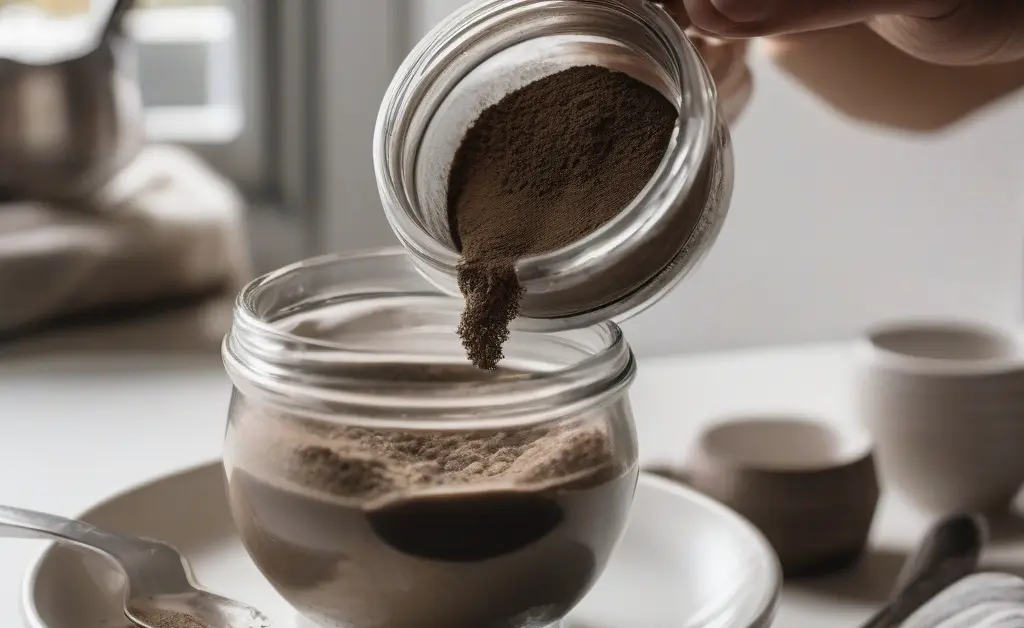
- Ground Powder: A versatile option that can be brewed as tea or easily added to smoothies, coffee, or other beverages.
- Dual-Extract Tinctures: These liquid extracts use both hot water and alcohol to capture a fuller spectrum of the mushroom’s compounds. They offer a convenient, potent form for quick use.
- Capsules: Pre-measured doses in capsule form provide a simple and tasteless way to incorporate chaga into a daily supplement routine.
Examples of Chaga Mushroom Products in NZ
Consumers in New Zealand can find a range of products designed to deliver the benefits of chaga. Offerings typically include packaged chaga mushroom powder, ready-to-brew chaga tea blends, and potent liquid extracts. Some wellness companies also incorporate chaga into broader functional mushroom blends, often combining it with other adaptogens like Reishi or Lion’s Mane mushroom. This variety ensures that consumers looking for `chaga mushroom nz` have multiple options to suit their needs and wellness goals.
Sourcing and Buying Chaga in New Zealand
Sourcing high-quality chaga in New Zealand involves finding reputable suppliers who are transparent about their harvesting and processing practices. When considering chaga mushroom for sale, this transparency is crucial. Look for brands that provide clear information on whether their chaga is wild-harvested, its country of origin, and if it is organic. Trustworthy suppliers often provide details on their commitment to sustainability, which is a good indicator of a premium product.
Local Retailers and Online Availability
Chaga products are becoming increasingly accessible throughout New Zealand. They can be found in health food stores, organic grocers, and at some herbal apothecaries in larger cities. Additionally, a growing number of online retailers specialize in functional mushrooms and superfoods, offering a wide selection of chaga products that can be delivered nationwide. This online availability means consumers can access chaga from various global sources, including non-traditional ones such as chaga mushroom Kenya. These online stores often provide extensive product information, helping consumers make informed choices.
Important Considerations When Using Chaga
General Consumption Guidelines
When incorporating any new supplement into your wellness routine, it is wise to start with a small amount to see how your body responds. Always follow the usage recommendations provided by the manufacturer on the product packaging. Consistency is often more important than quantity. Listening to your body and adjusting accordingly is a sensible approach for anyone exploring functional mushrooms. Those new to `chaga mushroom nz` should begin mindfully to understand how it fits into their personal health regimen.
Considerations Before Use
While chaga is generally well-tolerated, it is not suitable for everyone. Individuals with certain pre-existing health conditions or those taking specific medications, particularly related to blood sugar regulation, immune disorders, or blood thinning, should exercise caution. Due to a lack of research, it is also recommended that pregnant or breastfeeding women avoid its use. It is essential to consult with a qualified healthcare professional before starting chaga or any other herbal supplement to ensure it is appropriate for your individual circumstances.
In conclusion, chaga offers a fascinating connection to traditional wellness practices, backed by a growing body of research into its antioxidant and immune-supporting properties. As interest grows, consumers can find a variety of products, but the key to a positive experience lies in selecting high-quality, ethically sourced supplements from trusted suppliers. By understanding its origins, preparation methods, and important usage considerations, individuals can make informed decisions when exploring the potential benefits of `chaga mushroom nz` as part of a balanced lifestyle.
This article is for informational purposes only and does not constitute medical advice. The information provided is not intended to diagnose, treat, cure, or prevent any disease. Always consult with a qualified healthcare professional before beginning any new supplement or making changes to your health routine. Individual results may vary.
FAQ
— What forms of Chaga mushroom are available in NZ?
In New Zealand, Chaga mushroom is often found in dried chunks, powdered form, and sometimes as extracts or tinctures. These various forms allow for different methods of preparation and use depending on personal preference or intended application.
— Where can I purchase Chaga mushroom products in New Zealand?
Chaga mushroom products in New Zealand can typically be sourced from health food stores, specialty herbal shops, and online retailers. It’s advisable to seek out reputable sellers who provide clear information about the origin and quality of their products.
— What are the commonly understood benefits of Chaga mushroom?
Chaga mushroom is traditionally referenced for its potential to support immune health and promote overall wellness. While scientific research is ongoing, it is often discussed in holistic health circles for its antioxidant properties and possible role in reducing oxidative stress.
— How is Chaga mushroom typically prepared for use?
Preparation of Chaga mushroom usually involves making a decoction by simmering the chunks or powder in water to extract its beneficial compounds. This method is preferred because it allows the active constituents to be released effectively into a consumable form.
— Is it important to choose organic Chaga mushroom?
Choosing organic Chaga mushroom may be significant for those concerned about contaminants or pesticide residues. Organic certification can provide reassurance about the harvesting practices, particularly since the mushroom grows on birch trees in natural environments.
— Are there general guidelines for consuming Chaga?
General guidelines for consuming Chaga often suggest moderation due to its potent nature and the variability of individual reactions. Consulting with a healthcare professional or a knowledgeable herbalist is commonly recommended before incorporating it regularly into one’s routine, especially for those with underlying health conditions.







