
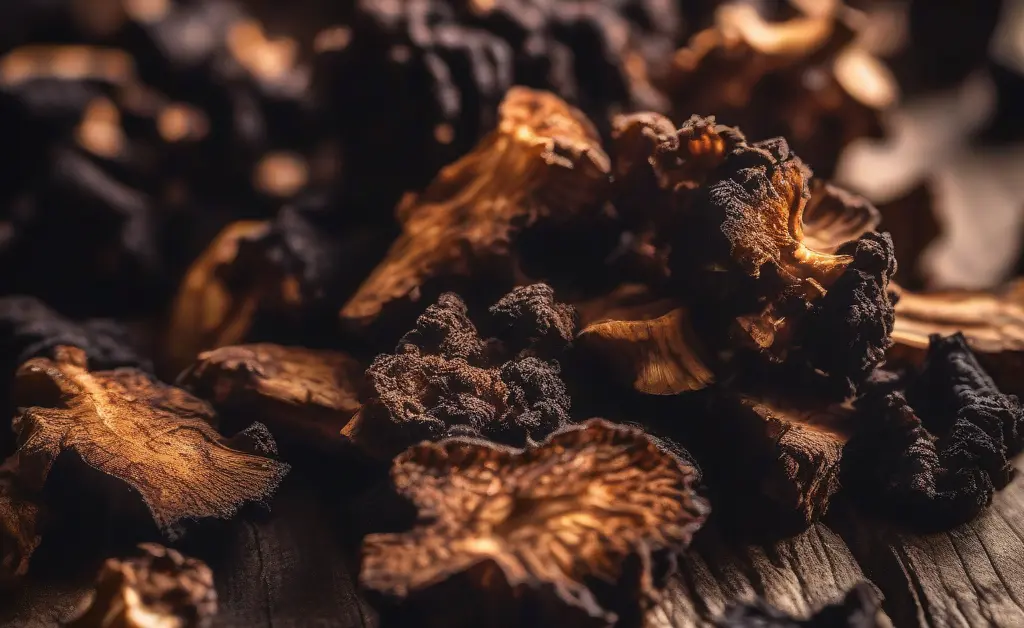
Chaga mushroom has gained popularity for its purported health benefits, but concerns about potential liver toxicity have emerged among consumers and healthcare professionals alike. While it is often used as a natural supplement, understanding how chaga mushroom interacts with liver function is crucial to ensuring safe consumption. This article delves into the scientific and clinical evidence surrounding chaga mushroom liver toxicity, exploring the compounds that may contribute to adverse effects, the influence of dosage and preparation methods, and the specific risks for certain populations. By examining current research and reported cases, readers can better grasp the complexities involved and make informed decisions regarding chaga mushroom use and liver health.
Introduction to Chaga Mushroom and Liver Toxicity
Chaga mushroom, a fungus primarily found on birch trees in cold climates, is traditionally valued for its antioxidant and anti-inflammatory properties. Despite its long history in folk medicine, contemporary concerns have arisen regarding its safety profile, particularly related to liver toxicity. Liver toxicity, or hepatotoxicity, refers to liver damage caused by exposure to toxic substances, which can impair liver function and may lead to serious health complications. Given the liver’s central role in metabolizing compounds and detoxifying the body, substances like chaga mushroom that interact with liver enzymes warrant careful consideration. Understanding the balance between chaga’s potential benefits and its risks, especially concerning liver health, is essential for consumers and healthcare providers alike.
Potential Risks and Toxic Compounds in Chaga Mushroom

Possible Toxic Compounds in Chaga
Chaga mushroom contains a variety of bioactive compounds, including polysaccharides, triterpenoids, and phenolic compounds, which contribute to its reputed health effects. However, some constituents may carry risks for liver toxicity. Notably, oxalates present in chaga have been associated with nephropathy, but their role in liver toxicity is under investigation. Additionally, certain triterpenoids found in chaga, while exhibiting anti-inflammatory effects, may influence liver metabolism and enzyme activity in ways that could lead to hepatic stress. The presence of these and other compounds suggests a complex chemical profile that may underlie adverse liver effects in susceptible individuals or under prolonged exposure. For more details on adverse reactions, see chaga mushroom side effects.
Differences in Toxicity Based on Preparation Methods
The method by which chaga mushroom is prepared can significantly influence its chemical composition and, consequently, its potential for liver toxicity. Traditional extraction techniques, such as hot water decoction, tend to favor water-soluble polysaccharides and antioxidants, which are generally considered safer. Conversely, alcohol-based tinctures or concentrated extracts may increase the concentration of certain triterpenoids and other lipophilic compounds, possibly heightening the risk of hepatotoxicity. Moreover, variability in preparation can lead to inconsistent dosing of both beneficial and potentially harmful constituents. Understanding these differences is critical for assessing the safety profile of chaga products on the market.
Duration and Dosage Impact on Liver Toxicity
The relationship between chaga mushroom consumption and liver toxicity is also influenced by the duration and amount of intake. Although the exact parameters are not fully established, prolonged or high-intensity use may increase hepatic burden due to cumulative exposure to toxic compounds. Variability in product concentration and lack of standardized dosing complicate assessments of what constitutes excessive intake. Consumers should be aware that chronic consumption, especially without medical supervision, may elevate the risk of liver stress or injury. Clinical observations suggest that intermittent or short-term use may carry fewer risks, but further research is needed to clarify safe consumption patterns.
Scientific Evidence and Case Reports on Chaga Mushroom Liver Toxicity
Reported Cases of Liver Toxicity
Several case reports have documented instances of liver toxicity temporally associated with chaga mushroom use. These clinical observations describe symptoms consistent with hepatic injury, including jaundice, elevated liver enzymes, and in some cases, acute hepatitis. While causality can be difficult to establish definitively due to confounding factors, such as concurrent medication use or underlying conditions, these reports highlight the need for caution. The heterogeneity of cases suggests that individual susceptibility and product variability may play significant roles in the development of hepatotoxic effects linked to chaga mushroom consumption.
Animal Studies on Chaga Mushroom and Liver Effects
Preclinical studies in animal models have investigated the hepatic effects of chaga mushroom extracts, providing insights into potential mechanisms of toxicity. Some studies have reported alterations in liver enzyme levels and histopathological changes following administration of concentrated chaga extracts, suggesting possible hepatocellular stress or damage. Conversely, other research has demonstrated protective antioxidant effects, underscoring the complexity of chaga’s impact on liver tissue. These mixed findings reflect differences in study design, extract composition, and dosage, emphasizing the need for standardized toxicological and epidemiological studies to better define the risk profile. The U.S. Food and Drug Administration provides guidelines and warnings relevant to herbal supplements like chaga mushroom, which can be found on the FDA website.
Risk Factors, Vulnerable Populations, and Interactions with Chaga Mushroom

Pre-existing Liver Conditions
Individuals with pre-existing liver conditions, such as chronic hepatitis, cirrhosis, or fatty liver disease, may be at increased risk of adverse effects from chaga mushroom consumption. Compromised liver function can reduce the organ’s capacity to metabolize and detoxify compounds, potentially exacerbating hepatotoxicity. In such populations, even substances with mild hepatotoxic potential may precipitate significant liver injury. Therefore, understanding the status of liver health before initiating chaga use is crucial, as is careful monitoring to detect early signs of liver stress or dysfunction.
Concurrent Medication Use and Drug Interactions
Chaga mushroom may interact with various medications metabolized by the liver’s cytochrome P450 enzyme system, potentially altering drug efficacy or toxicity. These interactions could either potentiate hepatotoxic effects or interfere with therapeutic outcomes, especially in patients on drugs with narrow therapeutic windows. Furthermore, chaga’s influence on liver enzyme activity may lead to unpredictable changes in drug metabolism, increasing the risk of adverse events. Awareness of such potential drug interactions is important for healthcare providers and consumers considering chaga mushroom supplements. Additionally, allergic reactions to chaga can complicate clinical scenarios. More information about chaga mushroom allergy is available for those concerned.
Biological Effects of Chaga Mushroom on Liver Function
Biochemical Pathways and Mechanisms of Toxicity
The biochemical mechanisms underlying chaga mushroom-associated liver toxicity involve complex interactions with hepatic metabolic pathways. Some toxic compounds in chaga may induce oxidative stress, disrupt mitochondrial function, or provoke inflammatory responses within liver cells. Additionally, interference with phase I and phase II liver enzymes can impair detoxification processes, leading to accumulation of harmful metabolites. These mechanisms contribute to hepatocellular injury and may trigger cellular apoptosis or necrosis. Understanding these pathways is essential for elucidating how chaga mushroom impacts liver function at the molecular level.
Liver Enzyme Changes Associated with Chaga Use
Alterations in liver enzyme levels, such as elevations in alanine aminotransferase (ALT) and aspartate aminotransferase (AST), have been observed in some cases of chaga mushroom consumption. These enzymes serve as biomarkers of liver cell injury and inflammation. While mild transient increases may occur without clinical significance, sustained or marked elevations can indicate hepatic stress or damage. Monitoring these enzymes provides a useful tool for assessing liver response during chaga use, aiding in early detection of potential toxicity.
Signs of Liver Stress Related to Chaga Consumption
Signs suggestive of liver stress associated with chaga mushroom intake may include fatigue, abdominal discomfort, nausea, and changes in appetite. Laboratory findings might reveal abnormal liver function tests or the presence of inflammatory markers. Although these signs are not specific to chaga-induced toxicity, their occurrence warrants further evaluation, particularly in individuals consuming chaga supplements regularly or at high doses. Early recognition of liver stress can facilitate timely intervention and reduce the risk of progression to more severe hepatic injury. Additionally, some users report digestive symptoms such as diarrhea, which may coincide with liver stress. Further information on chaga mushroom diarrhea is helpful for understanding these effects.
Symptoms and Outcomes of Liver Toxicity
In cases where chaga mushroom intake contributes to liver toxicity, symptoms can range from mild discomfort to severe hepatic dysfunction. Clinical manifestations may include jaundice, dark urine, pruritus, and coagulopathy in advanced scenarios. The outcomes depend on the severity of liver injury, underlying health status, and timely management. While some individuals may experience complete recovery upon cessation of chaga use, others could develop chronic liver damage or require medical intervention. These variable outcomes underscore the importance of cautious use and awareness of hepatotoxic risks.
Preventive Measures and Monitoring for Chaga Mushroom Liver Toxicity

Monitoring Liver Health During Chaga Use
Given the potential for chaga mushroom to influence liver function adversely, monitoring liver health is a prudent approach for those choosing to consume this supplement. Periodic assessments of liver enzyme levels and clinical evaluation can help identify early signs of hepatic stress. Additionally, consumers should seek products from reputable sources with standardized preparation methods to minimize exposure to harmful compounds. Awareness of personal risk factors, such as pre-existing liver disease or concurrent medication use, can further guide safe consumption practices. Preventive measures and vigilant monitoring are key to mitigating the risk of chaga mushroom liver toxicity.
In summary, while chaga mushroom is commonly associated with antioxidant and anti-inflammatory benefits, its relationship with liver health requires careful consideration. Scientific evidence and case reports indicate that chaga mushroom liver toxicity is a potential concern influenced by toxic compounds, preparation methods, dosage, and individual risk factors. Understanding these dynamics enables informed decisions and highlights the importance of monitoring liver function during chaga consumption.
Disclaimer: This article is intended for informational purposes only and does not constitute medical advice. The content should not be used to diagnose, treat, or prevent any health condition. Individuals considering chaga mushroom supplements should consult qualified healthcare professionals, especially if they have existing liver conditions or are taking other medications. Research on chaga mushroom liver toxicity is ongoing, and new findings may emerge that further clarify its safety profile.
FAQ
— Can chaga mushroom cause liver damage?
Chaga mushroom has been traditionally used for its potential health benefits, but some reports suggest it may be associated with liver toxicity in rare cases. Scientific evidence is limited and inconclusive, so caution is advised, particularly for vulnerable individuals.
— What are the symptoms of liver toxicity from chaga mushroom?
Symptoms that might indicate liver toxicity include fatigue, abdominal discomfort, jaundice, and dark urine. However, these symptoms are nonspecific and can arise from many causes, so professional evaluation is necessary for an accurate diagnosis.
— Is chaga mushroom safe for people with liver disease?
People with existing liver conditions should exercise particular caution, as their liver function may already be compromised. It is generally recommended to consult a healthcare professional before using chaga mushroom or any herbal supplement.
— Are there any reported cases of chaga mushroom causing liver problems?
There have been some isolated case studies and anecdotal reports linking chaga mushroom consumption to liver injury. These instances are rare and often involve other contributing factors, making it difficult to establish a direct cause-effect relationship.
— How does chaga mushroom affect liver function?
Chaga mushroom contains bioactive compounds that have been studied for their antioxidant properties, which might influence liver metabolism. However, its overall impact on liver function remains unclear and may vary depending on individual health and dosage.
— Who is at higher risk of liver toxicity from chaga mushroom?
Individuals with pre-existing liver disease, those taking medications metabolized by the liver, or people with compromised immune systems may be at increased risk. Additionally, excessive or prolonged use might raise the potential for adverse effects.
— What precautions should be taken when consuming chaga mushroom?
It is advisable to obtain chaga from reputable sources and avoid self-medicating, especially if there are underlying health concerns. Monitoring for any unusual symptoms and consulting a healthcare provider prior to use can help mitigate potential risks.
— Can the method of preparing chaga mushroom influence liver toxicity?
Preparation methods may affect the concentration of active compounds in chaga mushroom, potentially influencing its safety profile. For example, improper extraction or contamination during processing could contribute to unwanted effects, underscoring the importance of careful preparation.







