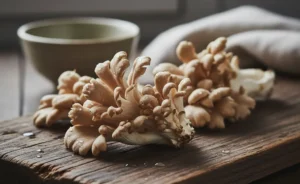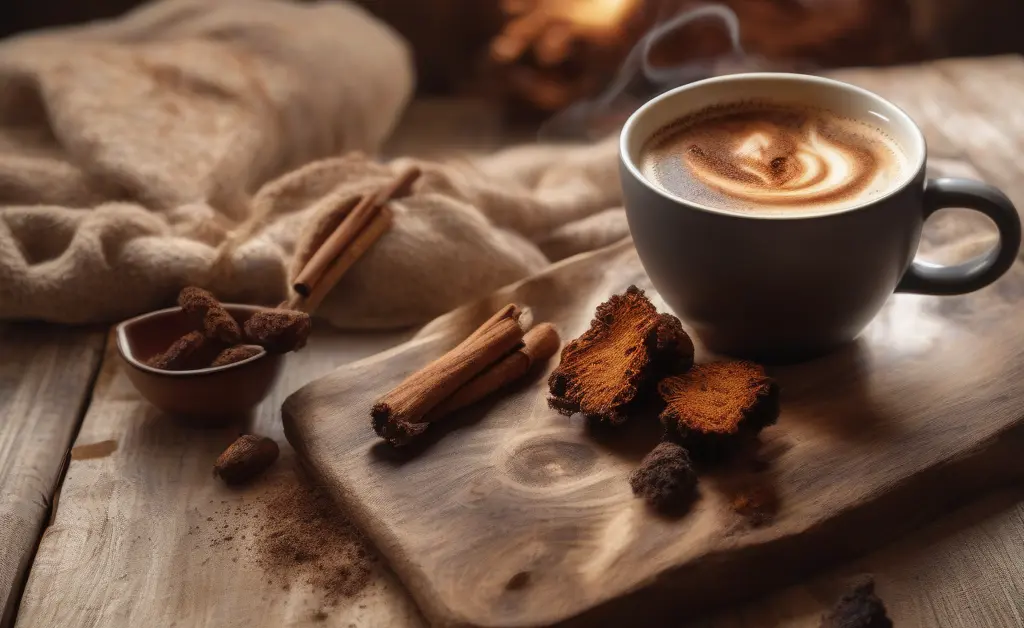
The chaga mushroom latte has gained popularity as a unique and healthful beverage that combines earthy flavors with potential wellness benefits. Unlike traditional coffee or tea, this latte offers a distinctive taste profile derived from the chaga mushroom, a fungus known for its adaptogenic properties. Whether you are new to this drink or looking to deepen your understanding, exploring its preparation methods, health advantages, and variations can enhance your appreciation and enjoyment. From selecting quality chaga mushroom powder to mastering brewing techniques, this guide covers essential details to help you incorporate this intriguing latte into your daily routine. Understanding the balance of ingredients and potential health impacts will empower you to make informed choices about including chaga mushroom latte in your diet.
What is a Chaga Mushroom Latte?
A chaga mushroom latte is a warm, comforting beverage that blends brewed chaga mushroom tea with milk or milk alternatives and various flavor enhancers. Unlike conventional coffee or espresso-based lattes, this drink substitutes traditional caffeine sources with an herbal infusion known for its adaptogens and antioxidant properties. The chaga mushroom, a medicinal fungus harvested primarily from birch trees, imparts a rich, earthy taste complemented by spices such as cinnamon and cacao, making it both a flavorful and functional beverage. This latte serves as an appealing option for those seeking a caffeine-free or low-caffeine alternative while exploring the health benefits associated with functional mushrooms.
Choosing the Right Chaga Mushroom Powder
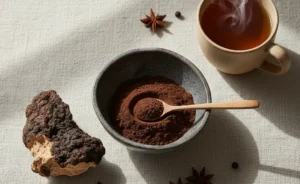
Selecting high-quality chaga mushroom powder is fundamental to crafting a flavorful and beneficial chaga mushroom latte. The powder is typically made from dried and ground chaga chunks or from a finely milled form that facilitates quicker extraction. When choosing chaga powder, look for products sourced from reputable suppliers who harvest sustainably and test for purity and contaminants. Wild-harvested chaga from mature birch trees is often preferred due to its higher concentration of bioactive compounds. Additionally, the particle size of the powder influences brewing time and flavor intensity, with finer powders extracting more rapidly but sometimes leading to a more bitter taste. Understanding these factors can help consumers choose a powder that aligns with their taste preferences and desired health attributes.
Brewing Techniques for Optimal Flavor
Brewing chaga mushroom powder effectively is key to unlocking its full flavor and potential health benefits. Traditional methods involve simmering the powder in water over low heat for an extended period to extract its compounds fully, resulting in a deep, robust infusion often described as earthy and slightly bitter. Modern approaches may include using slow cookers, French presses, or tea infusers designed to steep chaga over time. Some enthusiasts recommend combining brewing with coffee or espresso preparation to create hybrid drinks that balance mushroom earthiness with familiar coffee notes. Controlling brewing duration and temperature allows for tailoring the strength and flavor profile of the latte, ensuring a satisfying and smooth experience without overpowering bitterness.
Equipment Needed for Preparing Chaga Mushroom Latte
Preparing a chaga mushroom latte requires some basic kitchen equipment tailored to both the brewing of chaga tea and the frothing of milk or milk alternatives. Essential tools include a pot or slow cooker for simmering the chaga powder, a fine mesh strainer or cheesecloth to separate the solids from the liquid, and a milk frother or steam wand for creating creamy foam. Additionally, a French press can serve as a convenient method for steeping and straining. For those who wish to combine chaga with espresso, an espresso machine or stovetop espresso maker is necessary. Having the right equipment facilitates a streamlined preparation process and helps achieve the desired texture and flavor balance in the final latte.
Health Benefits of Chaga Mushroom Latte
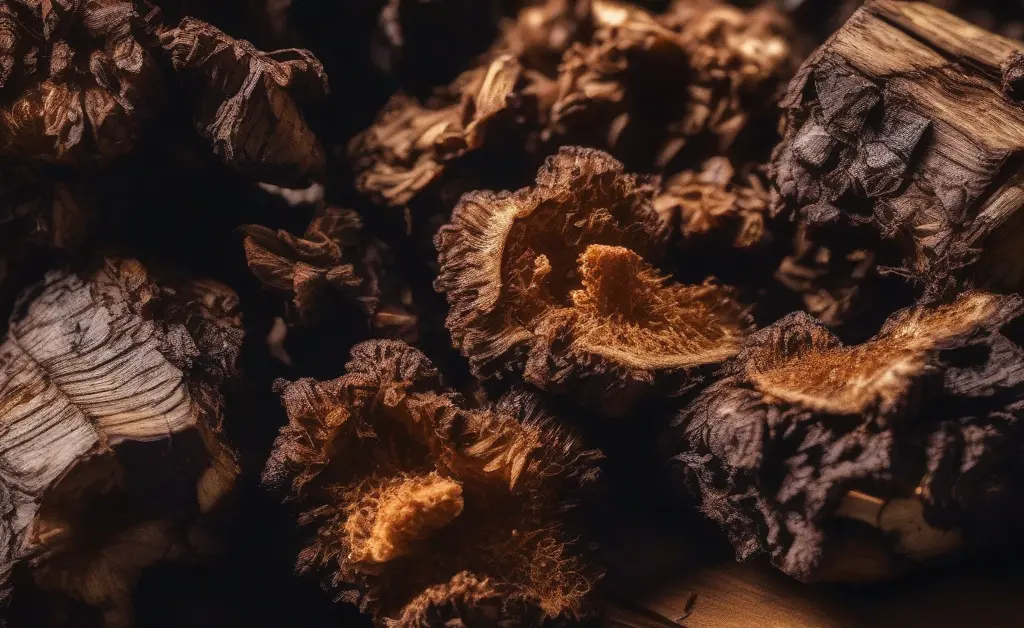
The chaga mushroom latte is commonly associated with numerous health benefits largely attributed to the medicinal properties of chaga mushrooms. Rich in antioxidants and compounds classified as adaptogens, chaga is believed to support the body’s natural defense mechanisms and promote overall wellness. Its antioxidant-rich profile may help combat oxidative stress, a factor linked to aging and various chronic conditions. Additionally, chaga has been traditionally used as a natural remedy to support immune function and inflammatory response. While scientific research continues to explore these effects, the chaga mushroom latte offers a flavorful way to incorporate this superfood into a daily routine, often enjoyed by those interested in functional mushrooms and holistic health. For more detailed insights on the benefits, you can visit chaga mushroom coffee benefits.
Spiced Chaga Mushroom Latte (Recipe + Health Benefits)
The spiced chaga mushroom latte enhances the base infusion with warming ingredients such as cinnamon, cacao, and natural sweeteners, which not only elevate the flavor but also contribute additional health-supporting properties. Cinnamon is known for its anti-inflammatory and blood sugar balancing qualities, while cacao provides mood-enhancing antioxidants and a rich taste that complements the earthiness of chaga. Combining these spices with chaga mushroom powder creates a synergistic blend thought to support immune health and provide a comforting sensory experience. This variation appeals to those seeking an indulgent yet healthful beverage option that embodies the principles of herbal infusion and adaptogenic synergy.
Chaga Mushroom Latte Calories and Caffeine Content
Chaga mushroom latte is often favored by individuals looking for a caffeine-free or low-caffeine alternative to traditional coffee or tea lattes. The chaga mushroom itself contains no caffeine, making the latte naturally caffeine-free unless combined with espresso or coffee. This characteristic makes it an attractive option for those sensitive to caffeine or seeking to reduce intake while still enjoying a latte experience. Regarding calories, the content primarily depends on the choice of milk or milk alternatives and any added sweeteners or flavorings. Thus, the calorie profile of a chaga mushroom latte can vary widely, offering flexibility for different dietary preferences, including low-calorie or nutrient-dense formulations.
Ingredients Needed for Chaga Mushroom Latte
Creating a chaga mushroom latte involves a few essential ingredients centered around the chaga mushroom powder and complemented by liquids and flavor enhancers. The foundational ingredient is high-quality chaga mushroom powder or chunks, which are brewed to make a concentrated tea. This infusion is then mixed with milk or plant-based alternatives such as almond, oat, or coconut milk to achieve a creamy texture. Flavor enhancers such as cinnamon, raw cacao, vanilla extract, or natural sweeteners like maple syrup or honey are commonly added to balance the earthiness and enrich the latte’s profile. The combination of these ingredients allows for customization according to taste preferences and dietary needs.
Combining Ingredients
The process of blending ingredients in a chaga mushroom latte is important for achieving a harmonious balance of flavors and textures. After brewing the chaga tea to the desired strength, it is combined with warmed milk or milk alternatives. This mixture can then be frothed or whisked to introduce a silky creaminess characteristic of lattes. Adding spices such as cinnamon or cacao at this stage allows their flavors to meld seamlessly with the mushroom infusion. Sweeteners, if used, are typically incorporated last to adjust the sweetness to taste. The careful integration of these components results in a well-rounded beverage that highlights both the unique qualities of chaga and the comforting attributes of a latte.
Using Alternative Sweeteners
Many who enjoy chaga mushroom latte seek alternatives to refined sugar to maintain the beverage’s healthful reputation. Natural sweeteners such as maple syrup, agave nectar, coconut sugar, or stevia are popular choices that complement the earthy and spicy notes of the latte without overwhelming its subtle complexities. These alternatives often add depth and nuance to the flavor profile while aligning with dietary preferences like veganism or low-glycemic diets. Selecting the right sweetener can enhance the overall experience and provide a satisfying balance that supports the latte’s role as both a comforting treat and a functional beverage.
Step-by-Step Recipe to Make Chaga Mushroom Latte
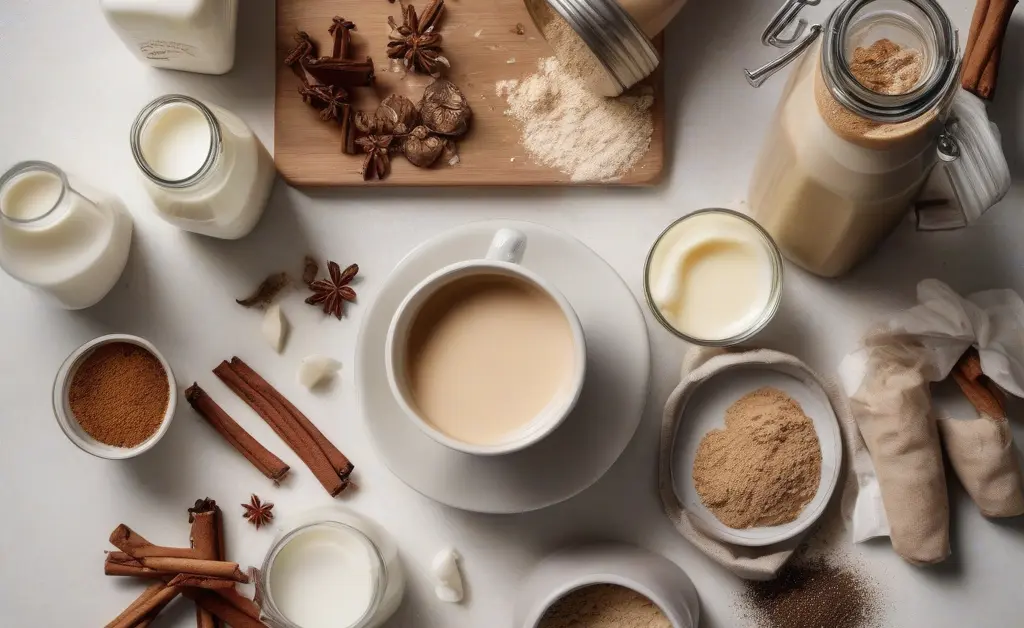
Preparing a chaga mushroom latte at home involves several key steps to ensure the extraction of beneficial compounds and the creation of a creamy, flavorful drink. The process begins with simmering the chaga mushroom powder in water to create a strong, concentrated tea. This base is then strained to remove solids before being combined with warmed milk or milk alternatives. Following this, spices and sweeteners are incorporated to taste, and the mixture is frothed or whisked for a smooth texture. Attention to each phase—from brewing to blending—allows for customization and refinement of the latte’s taste and functional qualities.
Chagaccino: How to Make the Mushroom Latte Recipe
The “Chagaccino” is a popular variation of the chaga mushroom latte that incorporates espresso or coffee elements to create a hybrid drink blending the adaptogenic benefits of chaga with the familiar intensity of coffee. To make a chagaccino, brewed chaga tea is combined with a shot of espresso or strong brewed coffee, followed by milk or milk alternatives and optional spices like cinnamon or cacao. This fusion provides a flavorful alternative for those who enjoy the ritual of coffee but seek the added wellness qualities of medicinal mushrooms. The preparation emphasizes balancing the robust flavors so that neither the chaga nor the coffee overwhelms the other, resulting in a harmonious and energizing beverage. For more on chaga mushroom coffee, see chaga mushroom coffee.
Variations and Tips for Enhancing Your Chaga Mushroom Latte
Exploring variations of the chaga mushroom latte can enhance enjoyment and allow adaptation to personal tastes and dietary requirements. Adjustments in ingredients, preparation methods, and presentation enable this beverage to suit different occasions and preferences. Incorporating different spices, experimenting with milk types, or altering sweetness levels can transform the latte from a morning energizer to a soothing evening drink. Understanding these options enriches the experience and encourages creative engagement with this functional mushroom beverage.
Adjusting Sweetness and Spices
Personalizing the sweetness and spice levels in your chaga mushroom latte is a simple yet effective way to tailor the drink to your palate. Some prefer a lightly spiced latte with subtle hints of cinnamon or nutmeg, while others may enjoy bolder flavors enhanced by raw cacao or ginger. Sweetness can be modified by varying the type and amount of sweetener, balancing the natural bitterness of chaga with the desired level of sweetness. Adjusting these elements not only influences flavor but can also affect the overall sensory experience, allowing the chaga mushroom latte to feel either indulgent or understated according to preference.
Making it Vegan or Dairy-Free
For those following vegan or dairy-free lifestyles, the chaga mushroom latte offers great flexibility in milk choice. Plant-based milks such as almond, oat, coconut, or soy milk serve as excellent alternatives to dairy, each contributing unique textures and flavors that complement the earthiness of chaga. Some milk alternatives create a creamier foam, enhancing the latte experience, while others provide a lighter consistency. Selecting the right milk substitute can also cater to dietary sensitivities or preferences, making the chaga mushroom latte accessible to a broad audience while maintaining its comforting appeal.
Serving Suggestions
Serving the chaga mushroom latte in an aesthetically pleasing manner can elevate the drinking experience. Presentation ideas include garnishing with a sprinkle of cinnamon, cacao powder, or nutmeg on top of the frothy milk, adding a visual and aromatic appeal. Using clear glass mugs or ceramic cups enhances the rustic, natural vibe associated with mushroom lattes. Additionally, serving alongside complementary snacks such as nut-based pastries or mildly spiced baked goods can create a harmonious pairing, enhancing both taste and enjoyment.
Pairing Chaga Mushroom Latte with Foods
The subtle, earthy flavors of chaga mushroom latte pair well with a variety of foods, particularly those with mild or complementary taste profiles. Lightly sweetened baked goods, whole grain breads, and nut-based snacks enhance the latte without overpowering its delicate flavor. Additionally, foods rich in healthy fats and proteins, like avocado toast or roasted nuts, can create a balanced snack that supports sustained energy. Thoughtful pairing encourages a holistic approach to enjoying the latte as part of a nourishing and satisfying meal or snack.
Seasonal Variations of Chaga Mushroom Latte
Seasonal adaptations of the chaga mushroom latte allow it to reflect the flavors and moods of different times of the year. In colder months, adding warming spices such as cloves, cardamom, or star anise enhances the comforting quality of the latte. During warmer seasons, the latte can be enjoyed iced or blended with refreshing ingredients like coconut water or chilled plant-based milks. Incorporating seasonal sweeteners such as maple syrup in autumn or honey in spring further ties the beverage to the natural cycle, making it a versatile and year-round functional drink.
Frequently Asked Questions About Chaga Mushroom Latte
Common inquiries about chaga mushroom latte often relate to its health effects, preparation, and flavor. Questions such as “Is chaga mushroom coffee good for you?” or “Is there caffeine in chaga mushroom latte?” reflect curiosity about its benefits and suitability for various lifestyles. Many also seek guidance on how to brew chaga tea effectively or how to incorporate the latte into a daily routine. Addressing these questions helps demystify the drink and supports informed choices for those interested in medicinal mushrooms and superfood beverages.
History and Cultural Significance of Chaga Mushroom Latte
The chaga mushroom has a rich history rooted in traditional medicine systems of Northern Europe, Siberia, and parts of Asia, where it has been revered as a natural remedy for centuries. Indigenous peoples and herbalists have long used chaga to support immune health and vitality, often preparing it as a tea or infusion. The modern chaga mushroom latte blends this heritage with contemporary tastes, adapting traditional practices into a latte format that appeals to today’s consumers. This cultural evolution reflects a broader interest in functional mushrooms and natural remedies, positioning the chaga mushroom latte as both a nod to ancient wisdom and a modern superfood trend.
How to Store and Preserve Chaga Mushroom Latte Ingredients

Proper storage of chaga mushroom powder and other latte ingredients is essential to maintain their potency, flavor, and freshness. Chaga powder should be kept in an airtight container, stored in a cool, dark, and dry place to prevent exposure to moisture and light, which can degrade its bioactive compounds. Similarly, spices and sweeteners should be stored away from heat and humidity to preserve their aromatic qualities. Milk and milk alternatives require refrigeration and should be used within their freshness period. Following these storage guidelines helps ensure that each preparation of the chaga mushroom latte delivers consistent quality and health-related properties. For more information on chaga mushroom drink preparations, see chaga mushroom drink.
Exploring the chaga mushroom latte offers an opportunity to enjoy a caffeine-free chai spiced chaga mushroom latte that marries tradition with modern wellness trends. This beverage, crafted from chaga powder and complemented by spices and milk alternatives, provides a unique espresso alternative appreciated for its adaptogens and antioxidant-rich beverage qualities. As interest in medicinal mushrooms and natural remedies grows, the chaga mushroom latte stands out as a flavorful and functional choice that supports immune health while delighting the palate.
Disclaimer: This article is intended for informational purposes only and does not constitute medical advice. The health benefits of chaga mushroom latte are based on traditional use and emerging research but are not guaranteed. Individuals should consult healthcare professionals before making significant changes to their diet or using herbal supplements, especially if they have underlying health conditions or are taking medications. Always source ingredients from reputable suppliers to ensure safety and quality.
Scientific research on herbal supplements like chaga mushroom continues to evolve. Reliable sources such as the NIH provide updated information and guidance on natural products and their health implications.
FAQ
— What does chaga mushroom latte taste like?
Chaga mushroom latte typically has an earthy and slightly bitter flavor, often complemented by creamy and sweet notes depending on the milk and sweeteners used. Some describe it as reminiscent of roasted tea with a subtle woodsy undertone.
— How do you make a chaga mushroom latte at home?
To prepare a chaga mushroom latte, one usually brews chaga mushroom extract or tea and combines it with steamed milk or a milk alternative. Sweeteners or spices like cinnamon can be added to enhance the flavor profile according to personal preference.
— What are the benefits of drinking chaga mushroom latte?
Chaga mushroom latte is often discussed for its potential antioxidant properties and immune support benefits linked to chaga mushrooms. While research is ongoing, traditional use highlights its role in promoting overall wellness and vitality.
— Can I use regular coffee instead of espresso in a chaga latte?
Yes, regular coffee can be used as a base in a chaga latte, though the flavor will differ from using espresso. The combination of coffee’s robust taste with chaga’s earthy notes creates a unique beverage experience.
— Is chaga mushroom latte caffeine-free?
Chaga mushroom itself is naturally caffeine-free, so a chaga mushroom latte without coffee or espresso would not contain caffeine. However, if combined with coffee or espresso, the caffeine content will depend on those ingredients.
— How long does a chaga mushroom latte last after preparation?
A prepared chaga mushroom latte is best enjoyed fresh, as the flavor and texture might change over time. Refrigeration may extend its usability slightly, but consuming it promptly ensures optimal taste and quality.
— Can I prepare chaga mushroom latte in advance?
While it is possible to prepare a chaga mushroom latte ahead of time, it is recommended to store it properly and reheat gently before drinking. This helps maintain its flavor and prevents separation of ingredients.
— What types of milk work best in a chaga mushroom latte?
Many types of milk can complement a chaga mushroom latte, including dairy and various plant-based options like almond, oat, or coconut milk. Each milk choice brings its own texture and flavor nuances, allowing for customization based on dietary preferences and taste.