

Chaga mushroom has gained considerable attention in recent years for its potential health benefits, particularly in supporting weight management efforts. As a natural supplement, it is prized for its rich nutritional profile and bioactive compounds that may influence metabolic processes. This article explores the scientific basis behind the use of chaga mushroom for weight loss, examining how it interacts with the body’s digestion, metabolism, and overall wellness. By understanding its mechanisms and practical applications, individuals can make informed decisions about incorporating chaga into their health routines. We will also discuss safety considerations and broader benefits beyond weight control, providing a comprehensive look at this intriguing natural product.
Understanding Chaga Mushroom: A Nutritional Overview
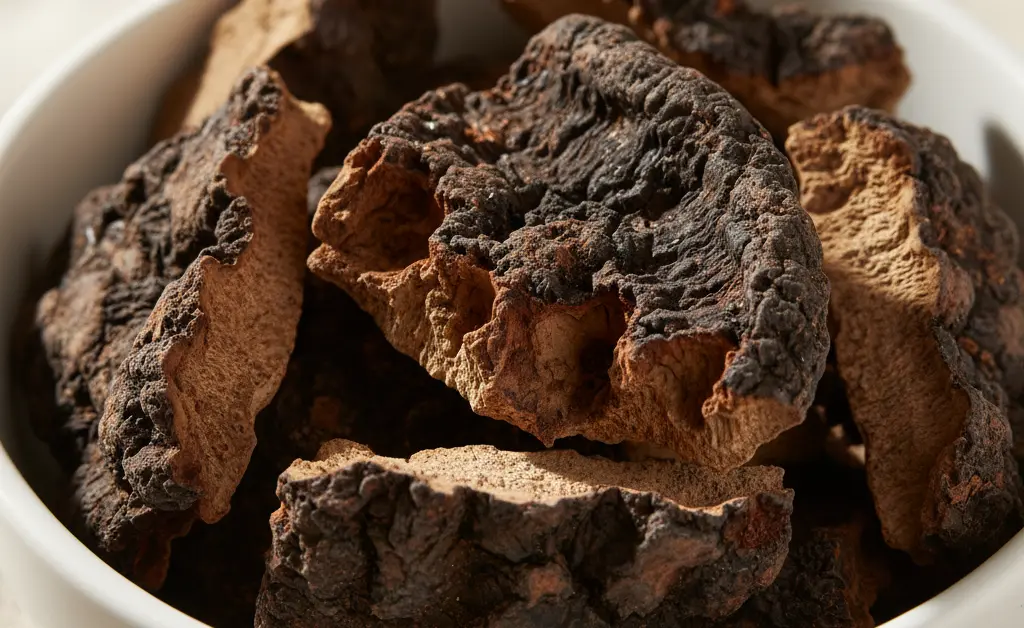
Chaga mushroom (Inonotus obliquus) is a type of fungi that grows primarily on birch trees in cold climates. Unlike typical mushrooms with caps and stems, chaga has a rough, blackened exterior that resembles burnt charcoal, while its interior is a softer, rust-colored mass. This unique appearance is the result of a high concentration of melanin. For centuries, it has been used in traditional medicine in Siberia and other parts of Asia for its therapeutic properties. Its reputation stems from a dense nutritional profile packed with compounds that contribute to its health-supporting effects.
Key bioactive compounds in chaga
Chaga’s powerful properties are attributed to its unique combination of bioactive compounds. It is particularly rich in polysaccharides, including beta-glucans, which are known for their role in supporting the immune system. Another significant component is betulinic acid, which the chaga fungus absorbs and concentrates from the bark of its host birch trees. This compound has been the subject of extensive scientific research. Additionally, chaga contains various triterpenes and sterols that contribute to its overall effects on the body.
Antioxidant properties of chaga
One of chaga’s most celebrated attributes is its exceptionally high antioxidant content. These antioxidants, including melanin and superoxide dismutase (SOD), help neutralize free radicals in the body. Free radicals are unstable molecules that can cause oxidative stress, a process linked to cellular damage and aging. By combating oxidative stress, the compounds in chaga help protect cells and support overall systemic health, creating a more stable internal environment conducive to well-being.
Vitamins and minerals present in chaga
Beyond its complex organic compounds, chaga is also a source of essential vitamins and minerals. It contains B-complex vitamins, which are crucial for energy metabolism, as well as minerals like potassium, zinc, iron, and magnesium. While not a replacement for a balanced diet, the presence of these nutrients adds to its value as a holistic supplement, providing micronutrients that support various bodily functions necessary for maintaining health.
The role of adaptogens in the body
Chaga is classified as an adaptogen, a term used for natural substances that help the body adapt to various stressors, whether physical, chemical, or biological. Adaptogens work by supporting the stability of internal systems and promoting homeostasis, or balance. Instead of having a specific stimulating or sedating effect, they help normalize bodily functions. This can lead to improved resilience, stable energy levels, and a better response to the daily pressures that can sometimes disrupt metabolic health and weight management efforts.
Chaga Mushroom for Weight Loss: Mechanisms and Efficacy

While chaga is not a direct weight-loss agent, it may support weight management through several indirect mechanisms related to digestion, gut health, and metabolic function. The conversation around using **chaga mushroom for weight loss** centers on its ability to create a healthier internal environment, making it easier for the body to maintain a healthy weight when combined with proper diet and exercise. It acts as a supportive element rather than a primary driver of fat loss.
Does chaga make you lose weight?
There is no scientific evidence to suggest that consuming chaga will directly cause weight loss. It does not function as a fat burner or appetite suppressant in the conventional sense. Instead, its potential benefits are linked to its ability to support systems that, when functioning optimally, contribute to a healthy metabolism and weight. For example, by helping to manage inflammation and oxidative stress, chaga may support metabolic efficiency. The potential of using chaga mushroom for inflammation is a key aspect of its supportive role in overall health. Weight management is a complex process, and chaga should be viewed as one component of a holistic lifestyle approach.
Impact on digestion and nutrient absorption
Healthy digestion is fundamental to weight management. Chaga contains dietary fiber and other compounds that may support the digestive process. By promoting regular digestion and the efficient breakdown of food, the body can better absorb essential nutrients. Improved nutrient absorption ensures that cells receive the fuel they need to function correctly, which is vital for maintaining energy levels and a healthy metabolism. When the digestive system works smoothly, it can also help reduce feelings of bloating and discomfort.
Chaga and gut microbiome balance
The gut microbiome—the vast community of bacteria and other microorganisms in your digestive tract—plays a critical role in everything from immunity to weight regulation. An imbalance in gut bacteria has been linked to various metabolic issues. The polysaccharides in chaga may act as prebiotics, which are non-digestible fibers that feed the beneficial bacteria in the gut. By nourishing these good bacteria, chaga helps foster a balanced and diverse microbiome, which is strongly associated with better metabolic health and a reduced risk of weight-related problems.
How Chaga Supports Metabolic Health
Metabolic health is the cornerstone of effective and sustainable weight management. Chaga contains compounds that may influence key metabolic processes, such as blood sugar regulation and energy production. By supporting these functions, chaga can contribute to a more stable and efficient metabolism. These effects underscore the holistic approach of using **chaga mushroom for weight loss**, where the goal is to improve overall systemic function rather than just targeting fat cells.
Influence on blood sugar regulation
Maintaining stable blood sugar levels is crucial for managing appetite, cravings, and energy. Large spikes and crashes in blood sugar can lead to overeating and fat storage. Some research suggests that the polysaccharides and other compounds in chaga may help support balanced blood glucose levels. By promoting stability, chaga may help reduce the intense cravings for sugary or high-carbohydrate foods that can derail weight management goals, making it easier to adhere to a healthy eating plan.
Chaga’s potential for energy metabolism
Consistent energy levels are essential for an active lifestyle, which is a key component of weight management. As an adaptogen, chaga helps the body maintain energy without relying on stimulants like caffeine. It supports the adrenal glands and helps the body cope with stress, which can otherwise drain energy reserves. This sustained, natural energy can make it easier to engage in regular physical activity, from daily walks to more intense workouts, thereby supporting calorie expenditure and overall metabolic rate.
Integrating Chaga into a Healthy Lifestyle

Incorporating chaga into your daily routine is straightforward, as it is available in several convenient forms. The key is to find a method that fits seamlessly into your lifestyle, ensuring consistency. Whether you prefer a warm tea, a quick supplement, or an addition to your morning coffee, chaga can be an easy and enjoyable part of a health-conscious regimen.
Common forms of chaga consumption
Chaga is most commonly sold in a few different forms. Raw chaga chunks or nuggets are pieces of the mushroom that can be simmered to make tea. Chaga powder is a more convenient option that can be stirred into hot water or other beverages. For those who prefer not to taste it, chaga is also available in extracts, such as tinctures or capsules, which offer a concentrated form of its bioactive compounds. Each form has its own preparation method and level of convenience.
Chaga tea preparation methods
Making chaga tea is the most traditional way to consume the mushroom. To prepare it from chunks, you simply simmer a few pieces in a pot of water over low heat for at least an hour, though some prefer to simmer it for longer to create a darker, richer brew. The water should not reach a rolling boil, as high heat can degrade some of the beneficial compounds. For chaga powder, the process is quicker: just stir the powder into hot water until it dissolves. The resulting tea has a mild, earthy flavor with a hint of vanilla.
Tips for incorporating chaga into daily routines
Beyond tea, chaga is versatile enough to be added to various foods and drinks. Chaga powder can be mixed into your morning coffee or smoothie for an antioxidant boost. It can also be added to soups, stews, or broths, where its mild flavor will not overpower the dish. For a convenient option on the go, capsules or tinctures can be taken with a glass of water. The goal is to make chaga consumption a simple and sustainable habit.
Potential Benefits of Chaga Beyond Weight Management
While many are interested in **chaga mushroom for weight loss**, its health benefits extend far beyond metabolic support. As a nutrient-dense superfood and powerful adaptogen, chaga contributes to overall wellness in several ways, most notably by supporting the immune system and promoting systemic balance. Exploring the full range of chaga mushroom benefits reveals its potential for enhancing vitality. These broader benefits make it a valuable addition to a proactive health regimen.
Immune system support from chaga
Chaga is widely recognized for its effects on the immune system. The beta-glucans and other polysaccharides it contains are known to modulate immune function. This means they can help support the body’s natural defense mechanisms without overstimulating them. By promoting a balanced and responsive immune system, chaga can help the body stay resilient against daily environmental challenges, which is a foundational aspect of long-term health.
Chaga’s role in promoting overall wellness
By combining antioxidant, adaptogenic, and immune-supporting properties, chaga works holistically to enhance overall vitality. Its ability to help the body manage stress, reduce oxidative damage, and maintain internal balance contributes to a greater sense of well-being. This comprehensive support can lead to better energy, improved resilience, and a solid foundation upon which other health goals, including weight management, can be built. While not its primary use, some traditional practices explore the potential chaga mushroom benefits for fertility as part of this holistic approach to wellness.
Safety Profile and Considerations for Chaga Consumption
While chaga is generally considered safe for most people, it’s important to be aware of potential side effects and interactions. Like any supplement, quality and responsible use are key. Understanding its safety profile helps individuals make informed decisions, especially when considering **chaga mushroom for weight loss** as part of a broader health strategy.
General safety guidelines for chaga
It is crucial to source chaga from reputable suppliers. Chaga harvested from polluted areas or from trees other than birch may lack beneficial compounds or contain contaminants. Additionally, chaga is high in oxalates, which can be problematic for individuals with a history of kidney stones or kidney disease. This has led some to question if chaga mushroom is good for kidneys, highlighting the importance of moderation. Consuming it in moderation is always recommended to minimize any potential risks.
Potential interactions with other substances
Chaga may interact with certain medications due to its natural properties. Because it may influence blood sugar levels, individuals on diabetes medications should use it with caution. It also contains compounds that may have a mild blood-thinning effect, so those taking anticoagulant or antiplatelet drugs should avoid it unless cleared by a healthcare provider. These potential interactions highlight the need for professional guidance.
Consulting a health professional before use
Before adding chaga or any new supplement to your routine, it is essential to consult with a doctor or another qualified health professional. This is especially important for individuals who are pregnant, breastfeeding, have pre-existing medical conditions, or are taking prescription medications. A professional can provide personalized advice based on your health history and help you determine if chaga is an appropriate choice for you. For general guidance on supplements and health, you can refer to trusted authorities like the NHS.
In conclusion, chaga mushroom serves as a supportive supplement rather than a standalone solution for weight management. Its true value lies in its rich profile of bioactive compounds that promote overall wellness, from balancing the gut microbiome to supporting metabolic health and immune function. By integrating it into a lifestyle that includes a nutritious diet and regular exercise, individuals can leverage its benefits to create a healthier internal environment. Ultimately, the journey with **chaga mushroom for weight loss** is about fostering holistic health and systemic balance.
Disclaimer: This article is for informational purposes only and does not constitute medical advice. The information contained herein is not intended to diagnose, treat, cure, or prevent any disease. Always consult with a qualified healthcare professional before making any changes to your diet, supplement routine, or lifestyle, especially if you have a medical condition or are taking medication. The statements in this article have not been evaluated by the Food and Drug Administration.
FAQ
— Is chaga mushroom good for losing weight?
Chaga mushroom for weight loss is often discussed in wellness communities, but scientific evidence supporting its direct effect on weight reduction is limited. Some people believe its antioxidant properties may support general health, which can be a component of a healthy lifestyle. However, it should not be relied upon as a primary weight loss method.
— How does chaga mushroom aid in metabolism?
Chaga is thought to contain compounds that might influence metabolic processes, potentially supporting energy balance and digestion. Research is still emerging, and while traditional use suggests benefits, the exact mechanisms remain under study. It may contribute indirectly through its antioxidant effects rather than directly altering metabolism.
— What are the health benefits of chaga mushroom?
Chaga mushroom is traditionally valued for its antioxidant and anti-inflammatory properties. It is often used to support immune function and promote overall health. Some studies suggest it may help combat oxidative stress, though more research is needed to fully understand its therapeutic potential.
— Can I drink chaga mushroom tea every day?
Many people consume chaga tea regularly as part of their daily routine, but it is important to consider individual health circumstances. Long-term effects are not well documented, so moderation and consultation with a healthcare professional are advisable. Drinking it daily may be safe for most, but monitoring for any adverse reactions is recommended.
— Are there any downsides to consuming chaga?
Potential downsides include interactions with certain medications and effects on blood sugar or blood pressure levels. Because chaga can act as a blood thinner, caution is advised for individuals with bleeding disorders or those on anticoagulant therapy. Allergic reactions, although rare, may also occur.
— Does chaga help with overall wellness?
Chaga is commonly referenced as a natural supplement that may support general wellness through its antioxidant activity. It is often used to help maintain immune health and reduce inflammation, which can contribute to a sense of well-being. However, claims about comprehensive wellness benefits should be approached with careful consideration of current evidence.
— What is the best way to consume chaga for health?
Chaga is most often consumed as a tea or infusion, which allows for extraction of its beneficial compounds. Some also use powdered forms in capsules or tinctures, depending on personal preference. Preparation methods can influence the potency and efficacy, so sourcing high-quality chaga and following recommended extraction techniques is important.







