

In the pursuit of sustained vitality and improved focus, many individuals are exploring natural alternatives to conventional stimulants. The world of fungi offers a wealth of potential health benefits, with certain species gaining recognition for their adaptogenic properties. Among these, chaga mushroom has emerged as a subject of significant interest, particularly for its traditional use and contemporary investigation into how it might support overall well-being. This article delves into the unique characteristics of chaga and assesses its efficacy as a natural energizer. We will compare its mechanisms and benefits against other well-known botanical powerhouses, exploring scientific evidence, traditional wisdom, and practical considerations for its incorporation into a wellness routine to understand how chaga mushroom for energy stands up.
Understanding Chaga Mushroom and Its Energy Benefits
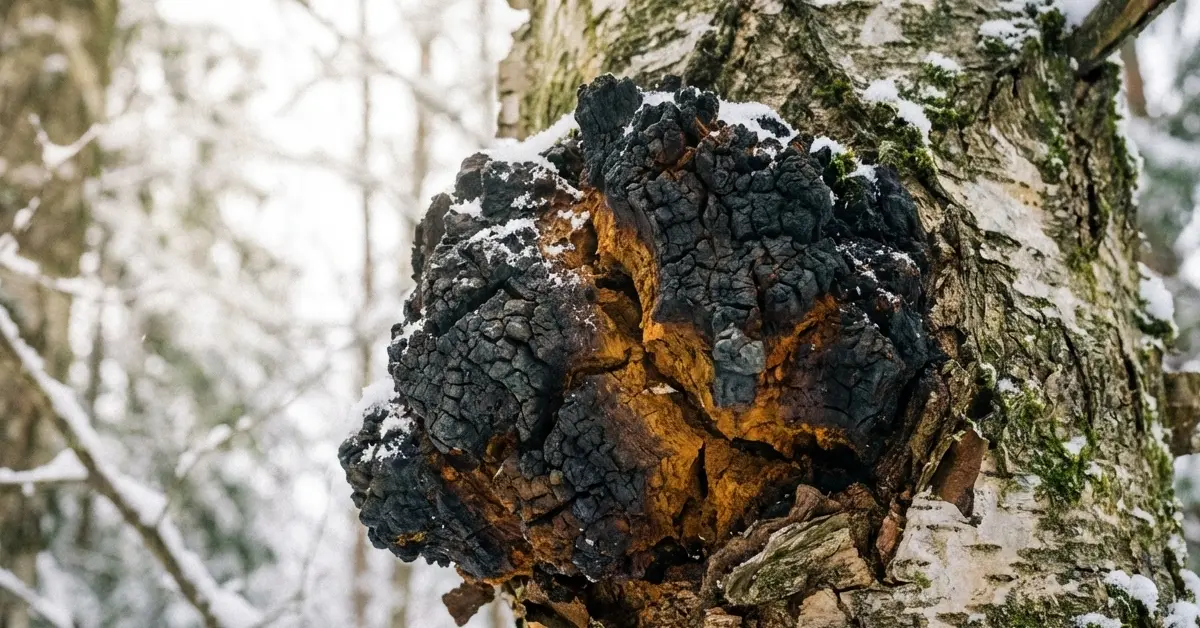
Chaga mushroom, scientifically known as *Inonotus obliquus*, is a type of fungus that grows primarily on birch trees in cold climates, particularly across Northern Europe, Russia, and Canada. Historically, it has been revered in folk medicine for centuries, often described as the “King of Medicinal Mushrooms” due to its rich composition of bioactive compounds. Unlike many other mushrooms, chaga has a unique appearance, forming a hardened, charcoal-like mass on the tree trunk rather than a typical cap and stem. Its perceived energy benefits are not rooted in a stimulant effect, like caffeine, but rather in its adaptogenic properties, which are believed to help the body adapt to stress and support overall vitality. Many turn to chaga mushroom for energy as a way to potentially enhance their natural physiological processes, contributing to a sense of sustained well-being rather than a fleeting jolt. Additionally, traditional uses sometimes highlight chaga mushroom benefits for hair health.
Preparation Methods Impacting Energy Benefits
The way chaga mushroom is prepared can significantly influence the availability and concentration of its beneficial compounds. Traditionally, chaga is often brewed into a tea, where hot water extraction helps release water-soluble polysaccharides and other healthful constituents. For those seeking convenience, chaga is also available in powdered form, which can be added to smoothies, coffees, or other beverages. Concentrated extracts, often dual-extracted using both hot water and alcohol, are another popular option designed to maximize the bioavailability of a broader spectrum of compounds, including triterpenes that may not be fully extracted by water alone. Each method aims to make the mushroom’s therapeutic properties accessible, though the specific profile of extracted compounds can vary, potentially affecting the overall impact on vitality and energy.
Safety Considerations When Using Chaga for Energy
While generally considered safe for most people, it’s important to approach chaga use with an understanding of potential considerations. Chaga is not a stimulant and does not contain caffeine, so it will not cause the jitters or sleep disturbances associated with traditional stimulants. However, like any herbal supplement, it can interact with certain medications, particularly anticoagulants or drugs for diabetes, due to its potential effects on blood clotting and blood sugar levels. Individuals with specific health conditions or those who are pregnant or breastfeeding should consult a healthcare professional before incorporating chaga into their routine. Sourcing quality chaga is also crucial, as contaminants can be an issue. It is always advisable to refer to reputable health organizations like the WHO for general health information. Being mindful of these aspects helps ensure a safe and beneficial experience when considering chaga for its energy-supporting properties.
Variability in Energy Response Among Users
It’s important to acknowledge that the energy response to chaga mushroom can vary considerably from person to person. Factors such as individual metabolism, existing health status, lifestyle, and the consistency of use can all play a role in how one experiences its effects. Some individuals may report a noticeable increase in sustained energy and mental clarity, while others might perceive a more subtle improvement in overall well-being or resilience to stress. Unlike immediate stimulant effects, the adaptogenic benefits of chaga often accumulate over time, suggesting that consistent, long-term use may yield more profound results. This variability underscores the personalized nature of natural health supplements and the importance of paying attention to one’s own body’s responses.
How Chaga Mushroom Supports Natural Energy and Endurance

Chaga mushroom contributes to natural energy and endurance through its adaptogenic nature, rather than acting as a direct stimulant. Adaptogens are substances believed to help the body resist various stressors, whether physical, chemical, or biological, by normalizing physiological functions. For those looking to use chaga mushroom for energy, this means a potential improvement in the body’s ability to cope with daily demands, leading to sustained vitality. By supporting cellular health and the body’s natural stress response mechanisms, chaga may help reduce fatigue and enhance overall resilience. This can translate into a more consistent energy level throughout the day, without the typical peaks and crashes associated with artificial energy boosters.
Effects on Endurance and Stamina
The potential of chaga mushroom to enhance endurance and stamina is often linked to its effects on cellular energy production and its antioxidant properties. Research suggests that compounds within chaga may help improve metabolic efficiency and reduce oxidative stress, which are crucial for sustained physical activity. By protecting cells from damage and supporting healthy inflammation responses, chaga could contribute to better muscle function and recovery, allowing individuals to maintain physical effort for longer periods. This makes it an appealing natural support for athletes or anyone seeking to improve their physical staying power in daily life.
Potential Cognitive Effects Related to Energy
Beyond physical endurance, chaga mushroom may also have indirect cognitive effects that contribute to a sense of mental energy and focus. Its adaptogenic properties, which help the body manage stress, can in turn support clearer thinking and reduced mental fatigue. By promoting a more balanced physiological state, chaga may help improve concentration and overall cognitive function, allowing for better mental stamina throughout the day. This isn’t about a direct stimulant effect on the brain, but rather creating an optimal internal environment where cognitive processes can perform more efficiently and sustainably.
Scientific Research on Chaga Mushroom and Energy
Scientific interest in chaga mushroom for energy and other health benefits has grown significantly, leading to numerous studies, predominantly *in vitro* and animal models. These investigations explore chaga’s rich array of bioactive compounds, including polysaccharides, triterpenes, and phenolic compounds, and their potential mechanisms of action. While human clinical trials specifically focused on “energy” as a primary outcome are still emerging, existing research often points to underlying physiological benefits – such as antioxidant activity, immune modulation, and anti-inflammatory effects – that indirectly support vitality and combat fatigue. These foundational studies help build a scientific understanding of how chaga might contribute to overall well-being, which in turn influences perceived energy levels.
Chaga Mushroom and Physical Performance
Several studies, primarily conducted in animal models, have explored chaga mushroom’s impact on physical performance. These investigations often examine parameters such as endurance, fatigue, and recovery markers. The findings suggest that chaga may contribute to improved exercise capacity and reduced fatigue by supporting cellular energy metabolism and mitigating oxidative stress induced by physical exertion. While these results are promising, it is important to note that direct human trials on elite athletic performance or general physical endurance are needed to fully confirm these observed effects in people.
Duration of Effects on Energy and Stamina
Understanding the duration of chaga mushroom’s effects on energy and stamina is crucial for users. Unlike immediate stimulants, the adaptogenic benefits of chaga are typically not experienced as a sudden jolt. Instead, its impact is often described as more gradual and cumulative. Regular, consistent use is generally believed to be necessary to experience its full potential in supporting sustained energy levels and improved stamina over time. The body’s adaptogenic response builds resilience and balances physiological systems, which is a process that unfolds progressively rather than instantaneously, suggesting long-term integration for optimal results.
Chaga Mushroom for Energy: Traditional Perspectives
The use of chaga mushroom for energy and vitality is deeply rooted in traditional medicinal practices across various northern cultures, particularly in Russia, Siberia, and parts of Eastern Europe. For centuries, indigenous communities have prized chaga not just for its perceived health benefits, but specifically for its ability to bolster resilience and sustain physical and mental vigor in harsh environments. These traditional perspectives often highlight chaga’s role as a tonic, believed to fortify the body and mind against various stressors, thereby indirectly promoting a consistent and robust sense of energy. The long history of its traditional application provides a rich backdrop for contemporary interest in chaga mushroom for energy.
Traditional Uses of Chaga Mushroom for Vitality
In traditional Siberian shamanism and Russian folk medicine, chaga mushroom was revered as a powerful remedy for promoting overall vitality and longevity. It was commonly consumed as a brewed tea, used to enhance endurance during hunting expeditions, to ward off illness, and to support the body during periods of intense physical labor. The mushroom was also traditionally believed to purify the body, strengthen the immune system, and promote a general sense of well-being, all of which contribute to an individual’s perceived energy levels and zest for life. These historical applications underscore chaga’s long-standing reputation as a natural support for sustained health and vigor.
Potential Mechanisms Behind Chaga Mushroom’s Energy Effects
The potential mechanisms behind chaga mushroom’s energy-supporting effects are multifaceted, primarily stemming from its rich biochemical composition and its adaptogenic nature. Unlike direct stimulants that artificially heighten physiological activity, chaga is believed to work by helping the body achieve a state of balance or homeostasis. Its influence on energy levels is thought to be an indirect result of its impact on cellular health, stress response, and metabolic processes. By addressing underlying factors that can contribute to fatigue, such as oxidative stress and inflammation, chaga may help optimize the body’s natural capacity to generate and sustain energy.
Active Compounds in Chaga That May Influence Energy
Chaga mushroom is a powerhouse of bioactive compounds, many of which are believed to contribute to its adaptogenic and energy-supporting properties. Key among these are polysaccharides, particularly beta-glucans, which are known for their immune-modulating effects and their potential role in cellular communication and energy metabolism. Triterpenes, such as betulin and betulinic acid (derived from its birch host), along with various polyphenols, flavonoids, and melanins, also contribute to chaga’s robust antioxidant and anti-inflammatory profile. These compounds collectively may help protect cells, reduce systemic stress, and support efficient physiological functioning, all of which are foundational to sustaining natural energy levels.
Antioxidant Properties Related to Energy Levels
One of the most significant mechanisms through which chaga mushroom may support energy levels is its potent antioxidant capacity. Oxidative stress, caused by an imbalance between free radicals and antioxidants in the body, can lead to cellular damage, inflammation, and fatigue. Chaga is exceptionally rich in antioxidants, including superoxide dismutase (SOD), polyphenols, and melanins, which help neutralize free radicals and protect cells from oxidative damage. By reducing this cellular stress, chaga may support the optimal functioning of mitochondria, the “powerhouses” of cells, thereby enhancing the body’s natural energy production and reducing feelings of exhaustion.
Comparing Chaga Mushroom with Other Natural Energy Sources

When evaluating natural options for energy, chaga mushroom stands out due to its unique adaptogenic approach, contrasting sharply with many common stimulants. While popular choices like coffee or green tea provide a quick, caffeine-driven boost, chaga aims for sustained vitality through physiological balance rather than direct excitation. This distinction is crucial for individuals seeking a more even and resilient energy profile throughout their day, without the potential for jitters, crashes, or sleep disruption often associated with traditional stimulants. The comparison highlights chaga as a potential ally in long-term well-being and consistent energy, rather than an immediate pick-me-up.
Comparison with Other Energy Sources and Mushrooms
Traditional energy sources like caffeine-containing beverages operate by blocking adenosine receptors, leading to increased alertness. While effective for short-term boosts, this mechanism can result in tolerance and dependency. In contrast, chaga mushroom, like other adaptogens, is believed to work by supporting the body’s stress response systems, helping to normalize various physiological functions over time. When compared to other natural stimulants such as guarana or ginseng, chaga offers a non-stimulatory alternative, focusing on cellular health and resilience. Among other energy-boosting mushrooms, chaga shares some adaptogenic qualities but has a distinct profile of active compounds and traditional uses, emphasizing its unique contribution to overall vitality rather than a direct energetic push.
Differences Between Chaga and Other Adaptogenic Mushrooms
While chaga mushroom is an adaptogen, it possesses distinct characteristics that differentiate it from other popular adaptogenic mushrooms like Reishi, Cordyceps, and Lion’s Mane. Reishi is often prized for its calming and immune-modulating properties, frequently associated with relaxation and sleep support. Cordyceps is well-known for its potential to enhance athletic performance and oxygen utilization, making it a favorite for physical endurance. Lion’s Mane is predominantly recognized for its neurotrophic properties, supporting cognitive function and nerve health. Chaga, while sharing general adaptogenic benefits, is particularly noted for its exceptionally high antioxidant content and its traditional use for overall vitality and immune support, positioning it uniquely among its fungal counterparts for sustained, resilient energy.
Chaga mushroom offers a compelling natural alternative for individuals seeking sustained energy and improved well-being through its adaptogenic and antioxidant properties. Unlike traditional stimulants, chaga works by supporting the body’s innate ability to manage stress and optimize cellular function, fostering a sense of vitality that is both balanced and enduring. As research continues to unfold, its traditional uses for resilience and sustained energy are gaining modern scientific validation. For those exploring natural paths to enhanced vitality, integrating chaga mushroom for energy into a daily routine represents a promising approach to nurturing long-term health and consistent energy.
**Disclaimer:** This article is for informational purposes only and does not constitute medical advice. It is not intended to diagnose, treat, cure, or prevent any disease. Always consult with a qualified healthcare professional before making any changes to your diet, supplements, or health regimen, especially if you have pre-existing medical conditions or are taking medications. Individual results may vary.
FAQ
— Does chaga mushroom provide a natural energy boost?
Chaga is often recognized for its adaptogenic properties, meaning it may help the body adapt to various stressors. This general support for physiological balance is sometimes discussed in relation to sustained vitality rather than an immediate stimulant effect.
— Is chaga mushroom a good alternative to caffeine?
Chaga is not considered a stimulant like caffeine; it does not typically offer a quick jolt. Instead, it is often explored by those seeking support for general well-being and a balanced sense of vigor. The experience is usually more gradual and subtle compared to the direct impact of caffeine.
— How does chaga mushroom affect endurance and stamina?
Traditionally, chaga has been associated with supporting overall physical vitality. Some individuals explore chaga mushroom for energy to support their physical performance and general stamina. It is thought to contribute to a sense of well-being that can underpin consistent activity.
— Can chaga mushroom be used daily for energy?
Many individuals incorporate adaptogens like chaga into their daily routines as part of a consistent wellness practice. The general approach for such ingredients often involves regular, sustained use to potentially support the body’s adaptive responses. It’s always prudent to consider individual circumstances.
— Are there any side effects of using chaga mushroom for energy?
While generally well-tolerated, individual responses to any natural product can vary. As with introducing any new component into your regimen, it is advisable to consult a qualified health professional for personalized guidance regarding its suitability for your specific health needs.
— What is the best way to consume chaga mushroom for energy?
Chaga can be consumed in various forms, including teas, extracts, or powdered supplements. The optimal method often depends on individual preference and the specific preparation of the chaga product. Integrating it into a consistent wellness routine is a common approach.
— How long does it take to notice energy benefits from chaga mushroom?
The experience of potential benefits from adaptogenic substances like chaga is highly individual and generally not immediate. Unlike stimulants, effects often develop gradually with consistent use over a period. Patience and regularity are often key considerations.
— Can chaga mushroom improve mental energy and focus?
Supporting overall physiological well-being can indirectly contribute to various aspects of health, including cognitive functions. While not a direct cognitive enhancer, chaga’s adaptogenic qualities are sometimes associated with a sense of sustained clarity and balance that may positively influence mental vitality.







