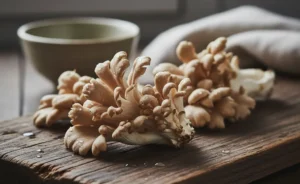
Chaga mushroom has gained considerable attention for its potential health-promoting properties, often hailed as a natural supplement with a variety of therapeutic effects. Rooted in traditional medicine and increasingly studied by modern science, this unique fungus offers a complex profile of bioactive compounds. Exploring the chaga mushroom benefits and side effects is essential for understanding how it may support overall wellness, from immune system enhancement to antioxidant activity. However, like any supplement, it is important to approach its use with a clear awareness of potential risks and limitations. This article delves into the diverse effects of chaga, its nutritional value, historical context, scientific research, and safety considerations to provide a comprehensive overview for informed decision-making.
Chaga Mushroom Benefits and Health Effects
The chaga mushroom is recognized for a broad spectrum of effects that contribute to health and wellness. Its bioactive compounds are commonly associated with immune modulation, antioxidant properties, and anti-inflammatory effects, which together may support the body’s natural defenses and overall vitality. Many people turn to chaga mushroom as a natural remedy that complements other health practices, appreciating its traditional reputation and emerging scientific interest. The health effects linked to chaga mushroom consumption span various systems in the body, potentially influencing immune response, oxidative stress reduction, and cardiovascular health.
Chaga Benefits for Women
Among women, chaga mushroom benefits are often explored in the context of immune support and hormonal balance. The antioxidant and anti-inflammatory effects may contribute to managing oxidative stress that can affect skin health and aging. Additionally, traditional herbal medicine sometimes highlights chaga’s role in supporting overall vitality, which can be particularly valued during times of hormonal fluctuations. While research specifically targeting women’s health remains limited, anecdotal evidence and general immunomodulatory effects suggest potential advantages in maintaining well-being.
Chaga Benefits for Men
For men, the chaga mushroom is frequently considered for its potential to support heart health and reduce cholesterol. Its anti-inflammatory effects may assist in managing systemic inflammation that is often linked to cardiovascular risk factors. Moreover, the immune-boosting properties may help sustain energy and resilience, which are common priorities in men’s health. Although clinical studies focused exclusively on men are sparse, the overall profile of chaga’s bioactive compounds suggests it could be a beneficial addition to a health-conscious lifestyle.
Chaga Benefits for Brain Health
Chaga mushroom’s antioxidant properties are highly relevant when considering brain health. Oxidative stress is a factor in cognitive decline and neurodegenerative conditions, so compounds in chaga that neutralize free radicals may contribute to protecting brain cells. Additionally, its anti-inflammatory effects might support neural function by reducing inflammation that can impair cognitive processes. While direct evidence from clinical trials on brain health is still emerging, the biological activities of chaga mushroom align with mechanisms important for maintaining mental clarity and cognitive resilience.
Immune System Support
One of the most celebrated effects of chaga mushroom is its role as an immune booster. The fungal extract contains polysaccharides and other bioactive compounds that are commonly studied for their ability to modulate the immune system. This immune modulation may enhance the body’s ability to respond to pathogens and maintain balance within the immune network. Both traditional uses and scientific research underscore chaga’s potential in strengthening immune defenses, which is a key aspect of its growing popularity as a natural supplement.
Antioxidant Properties
Chaga mushroom is noted for its impressive antioxidant properties, which stem from a variety of phenolic compounds and melanin pigments found within the fungus. These antioxidants help combat oxidative stress by scavenging harmful free radicals that can damage cells and tissues. This activity is crucial in protecting the body from environmental stressors and supporting healthy aging. The antioxidant capacity of chaga mushroom often surpasses that of many other natural products, making it a valuable component in strategies aimed at reducing oxidative damage.
Anti-Inflammatory Effects
Chaga’s anti-inflammatory effects are among its key health attributes. Chronic inflammation is implicated in numerous health conditions, and substances that can help mitigate inflammation are of significant interest. Components in chaga mushroom have been studied for their ability to inhibit inflammatory pathways, potentially contributing to reduced tissue inflammation and improved overall health. These effects complement its antioxidant action and immune support, positioning chaga as a multifaceted natural remedy.
Cholesterol and Heart Health
Research into chaga mushroom includes its potential impact on cholesterol levels and heart health. The fungal extract’s bioactive compounds may influence lipid metabolism and inflammation, factors that are important in cardiovascular wellness. While more extensive clinical data is needed, preliminary studies and traditional use suggest that chaga could play a role in supporting healthy cholesterol balance and protecting cardiovascular function, aligning with broader natural approaches to heart health maintenance.
Nutritional Profile of Chaga Mushroom
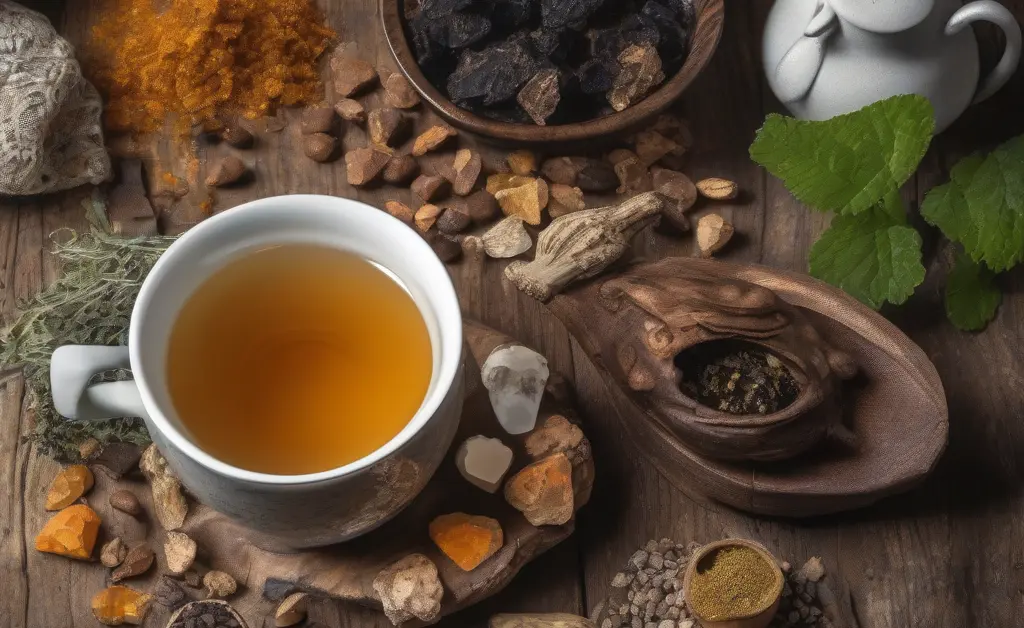
The nutritional profile of chaga mushroom reveals a complex mixture of vitamins, minerals, and bioactive molecules. Its composition contributes not only to its potential health benefits but also to its value as a dietary supplement. Understanding the nutrient content helps clarify how chaga’s various effects arise and supports its integration into health and wellness routines.
Nutrient Content in Chaga Mushroom
Chaga mushroom contains a range of nutrients including trace minerals such as potassium, calcium, and magnesium, which are essential for physiological functions. It also offers various phenolic compounds and polysaccharides that contribute to its antioxidant and immune-modulating properties. The presence of betulinic acid and inotodiol, unique to chaga, adds to its distinctive therapeutic profile. These nutrients and compounds collectively support the biological activities attributed to chaga mushroom.
Traditional Uses of Chaga Mushroom
Chaga mushroom has a long history of use in traditional herbal medicine, especially in regions where it naturally grows. Its applications have been shaped by cultural practices and empirical knowledge passed through generations, providing a rich context for its contemporary use.
Historical and Cultural Uses of Chaga
Historically, chaga mushroom has been used by indigenous peoples in Siberia, Northern Europe, and parts of Asia to support health and vitality. It was often brewed as a tea or applied topically for various ailments. Traditional uses emphasize its role as an immune tonic and a remedy for digestive and inflammatory conditions. These cultural practices highlight chaga’s status as a valued natural remedy, reflecting centuries of observational knowledge that continues to influence modern interest.
Scientific Research on Chaga Mushroom Benefits

Scientific inquiry into chaga mushroom benefits has expanded in recent years, with numerous studies investigating its bioactive compounds and potential health effects. This research helps delineate the biological mechanisms behind traditional claims and guides future applications.
Overview of Scientific Studies on Chaga
Current scientific studies on chaga mushroom have examined its antioxidant capacity, immune modulation, anti-inflammatory effects, and potential anticancer properties. Laboratory and animal studies have provided insights into how chaga’s compounds interact with cellular pathways involved in oxidative stress and inflammation. Some clinical studies have explored its effects on immune markers and general well-being, although human trials remain relatively limited. These studies collectively support many of the traditional uses and suggest promising avenues for further research. For more detailed information, you can visit NHS.
Limitations of Current Chaga Research
Despite encouraging findings, the research on chaga mushroom also faces notable limitations. Many studies rely on in vitro or animal models, which may not fully translate to human health outcomes. The variability in chaga preparations and dosing complicates direct comparisons across studies. Additionally, large-scale, placebo-controlled clinical trials are scarce, making it difficult to draw definitive conclusions about efficacy and safety. These gaps underscore the need for cautious interpretation and highlight the importance of ongoing scientific investigation.
Chaga Mushroom Side Effects and Risks
While chaga mushroom is generally considered safe for many individuals, awareness of potential side effects and risks is crucial. Understanding these aspects helps users make informed choices and avoid adverse outcomes.
Allergic Reactions
Some individuals may experience allergic reactions to chaga mushroom, especially those with sensitivities to fungi or mold. Symptoms can range from mild skin irritation to more pronounced responses. Being mindful of any unusual reactions when trying chaga for the first time is important, and discontinuation is advised if allergic symptoms occur. These allergic reactions, although not widespread, represent a key consideration in evaluating chaga’s safety profile.
Interactions with Medications
Chaga mushroom may interact with certain medications, particularly those that affect blood clotting or immune function. Its bioactive compounds can influence drug metabolism pathways, potentially altering the effectiveness or safety of concurrent treatments. People taking anticoagulants, immunosuppressants, or other prescription drugs should exercise caution and consult healthcare professionals before incorporating chaga mushroom interactions with medications into their regimen. Awareness of these possible drug interactions is essential to minimize risks.
Possible Toxicity Concerns
Concerns about toxicity with chaga mushroom use arise primarily from the presence of oxalates and other compounds that could affect kidney function in susceptible individuals. While typical use is unlikely to cause toxicity, excessive or prolonged consumption without proper guidance may raise risks. Additionally, quality control issues in chaga supplements, such as contamination or misidentification, can contribute to safety concerns. These factors emphasize the importance of sourcing chaga products responsibly and using them with consideration of individual health status.
Safety Considerations for Chaga Mushroom Use

Ensuring the safe use of chaga mushroom involves understanding who may need to avoid it, recognizing potential interactions, and following general guidelines to reduce risks. Safety considerations are integral to making the most of chaga’s health benefits while minimizing adverse effects.
Precautions and Who Should Avoid It
Certain groups should exercise particular caution or avoid chaga mushroom altogether. This includes individuals with bleeding disorders, those on blood-thinning medications, people with compromised immune systems, and pregnant or breastfeeding women due to limited safety data. Additionally, anyone with known allergies to fungi should be wary of potential allergic reactions. Consulting healthcare providers before use is especially important for these populations to ensure safety and appropriateness.
Guidelines for Safe Consumption
Safe consumption of chaga mushroom typically involves choosing high-quality products from reputable sources to avoid contamination. Forms such as tea, powder, or extract are common, each with varying concentrations of active compounds. Users are advised to start with low exposure and monitor their body’s response. Awareness of product labeling and adherence to recommended use practices helps reduce the risk of side effects. Ultimately, integrating chaga mushroom safe consumption requires informed awareness and attention to individual health circumstances.
Exploring the chaga mushroom benefits and side effects reveals a complex picture of potential health advantages balanced by necessary safety considerations. Its rich nutritional profile and traditional uses, supported by emerging scientific research, position chaga as a notable natural remedy with immune booster, antioxidant properties, and anti-inflammatory effects. Nonetheless, understanding the possible allergic reactions, medication interactions, and toxicity risks is vital for responsible consumption. Approaching chaga mushroom with informed caution enables individuals to appreciate its health effects while minimizing potential adverse outcomes.
Disclaimer: This article is intended for informational purposes only and does not constitute medical advice. The health effects of chaga mushroom are still being researched, and individual responses may vary. Before using chaga or any supplement, it is recommended to consult with a qualified healthcare professional, especially if you have existing health conditions or are taking medications. The information provided here should not replace professional medical guidance.
FAQ
— What are the main health benefits of chaga mushroom?
Chaga mushroom is often discussed for its potential antioxidant properties and its role in supporting immune health. Some traditional beliefs also highlight its use in promoting overall wellness and reducing inflammation. However, scientific validation is still evolving.
— Are there any side effects of taking chaga mushroom?
Some individuals might experience mild digestive discomfort or allergic reactions when consuming chaga mushroom. It is generally considered safe for many, but side effects can vary depending on personal health conditions and sensitivities.
— Can chaga mushroom interact with medications?
Chaga mushroom may interact with certain medications, especially those that affect blood clotting or immune system function. It is important to consult with a healthcare professional before combining it with prescription drugs to avoid potential interactions.
— What traditional uses does chaga mushroom have?
Traditionally, chaga mushroom has been used in folk medicine to support digestive health, boost energy, and enhance immune resilience. It has also been valued for its adaptogenic qualities in helping the body manage stress.
— Is there scientific evidence supporting chaga mushroom benefits?
Scientific studies on chaga mushroom benefits and side effects are ongoing, with some preliminary research indicating antioxidant and anti-inflammatory effects. However, more rigorous clinical trials are needed to firmly establish its therapeutic potential.