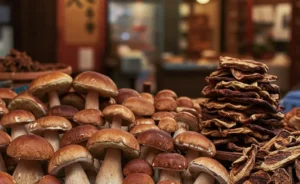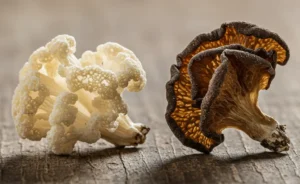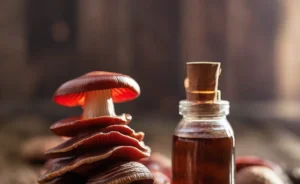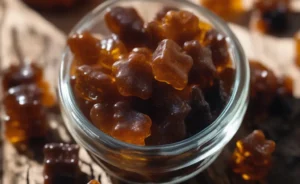

Chaga mushroom has gained significant popularity in recent years due to its purported health benefits and unique bioactive compounds. As demand grows, understanding the pricing dynamics becomes essential for consumers, retailers, and suppliers alike. This article delves into the various factors that affect the cost of chaga mushrooms, including harvest location, quality grades, and processing methods. By examining regional price differences and market trends, readers will gain a comprehensive perspective on what influences the chaga mushroom price per kg. Whether you are a buyer seeking the best value or a seller aiming to price competitively, the insights presented here will provide a clear understanding of the current market landscape.
Understanding Chaga Mushroom Price Per KG
Understanding Chaga Mushroom Market Value
The market value of chaga mushroom is driven by its growing reputation as a functional food and a key ingredient in the wellness industry. Unlike common culinary mushrooms, chaga’s value is tied to its unique composition, rich in antioxidants and other bioactive compounds. Consumer demand, fueled by interest in natural health alternatives, plays a significant role in establishing its price point. As research into the potential chaga mushroom benefits continues, its perceived value and market demand are likely to grow, influencing its overall cost in the global marketplace. The value is also determined by its rarity and the specific conditions required for it to grow, making wild, mature chaga a prized commodity.
Key Factors Influencing Chaga Mushroom Prices
Impact of Harvest Location on Chaga Price
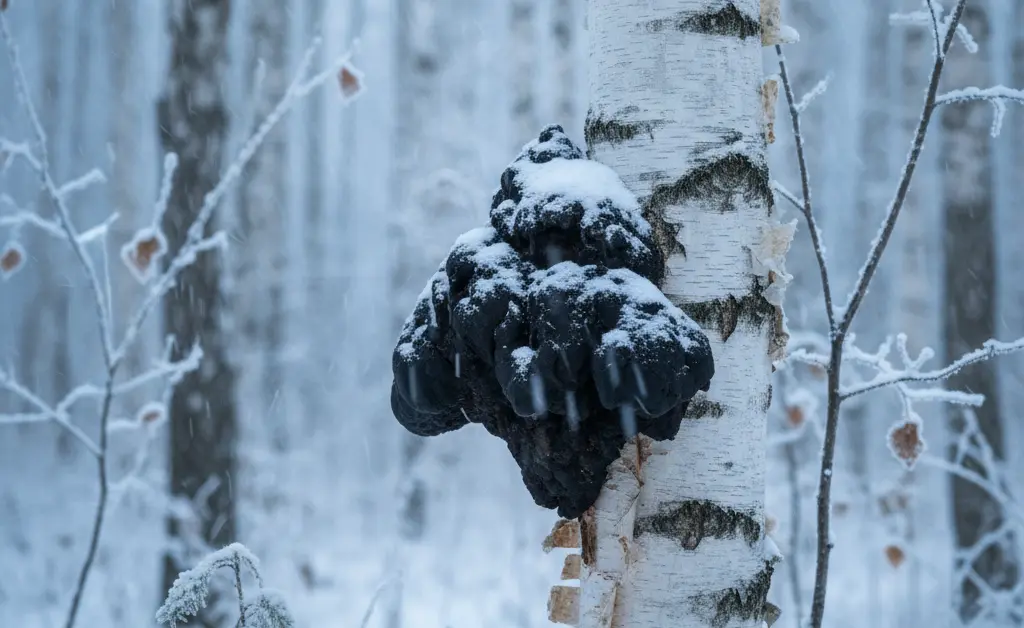
The geographic origin of chaga has a profound impact on its price. Chaga harvested from trees in extremely cold climates, such as Siberian chaga, is often considered superior in quality and potency. The harsh environmental conditions are thought to stimulate the mushroom to produce higher concentrations of protective compounds. Consequently, chaga sourced from these remote, pristine regions typically commands a higher price. The logistical challenges and costs associated with harvesting in these difficult-to-access areas also contribute to the premium price tag. In contrast, chaga from more temperate or accessible locations may be priced more moderately.
Wild-Harvested vs. Cultivated Chaga Pricing Differences
A primary driver of price variation is whether the chaga is wild-harvested or cultivated. Wild-harvested chaga grows naturally on birch trees and must be sourced from mature forests, a labor-intensive and time-consuming process. The expertise required for proper identification and sustainable harvesting practices adds to the cost. This method ensures the chaga sclerotium develops its full profile of compounds over many years. Cultivated chaga, grown in a controlled lab environment, is more predictable and scalable, resulting in a lower production cost and a more accessible price point. However, many purists and consumers prefer wild chaga, believing it to be more potent, which keeps its price significantly higher. The wild-harvested factor is a key determinant of the final Chaga Mushroom Price Per KG.
Understanding Processing Costs for Chaga Products
The journey from a raw chaga chunk on a birch tree to a finished product on a shelf involves several processing steps, each adding to the final cost. After harvesting, raw chaga must be cleaned, dried to a specific moisture level to prevent mold, and broken into smaller chunks or pieces. For products like chaga powder, further milling is required. Creating chaga extract is an even more complex and costly process, involving sophisticated extraction techniques to concentrate the mushroom’s key compounds. Each of these stages requires specialized equipment, energy, labor, and rigorous quality assurance checks, all of which are factored into the price of the final chaga product.
Comparing Chaga Mushroom Price Per KG Across Different Quality Grades
Certified Organic Chaga Price Premiums
Quality grades play a crucial role in determining the price of chaga mushrooms. Products that carry a certified organic label command a premium. This certification guarantees that the chaga was harvested from an area free from pesticides, herbicides, and other environmental pollutants. Health authorities like the CDC often provide guidelines on contaminants and food safety that certified organic producers adhere to. The certification process itself is costly for suppliers, involving third-party audits and strict adherence to harvesting and processing protocols. This quality assurance provides consumers with confidence in the purity and safety of the product, justifying the higher cost. The premium for organic certification is a significant factor affecting the overall Chaga Mushroom Price Per KG for discerning buyers.
Price of Chaga Mushrooms by Form and Unit Weight
Pricing for Whole Chaga Mushrooms
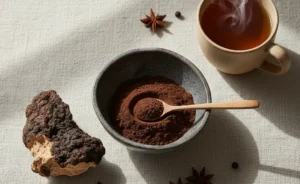
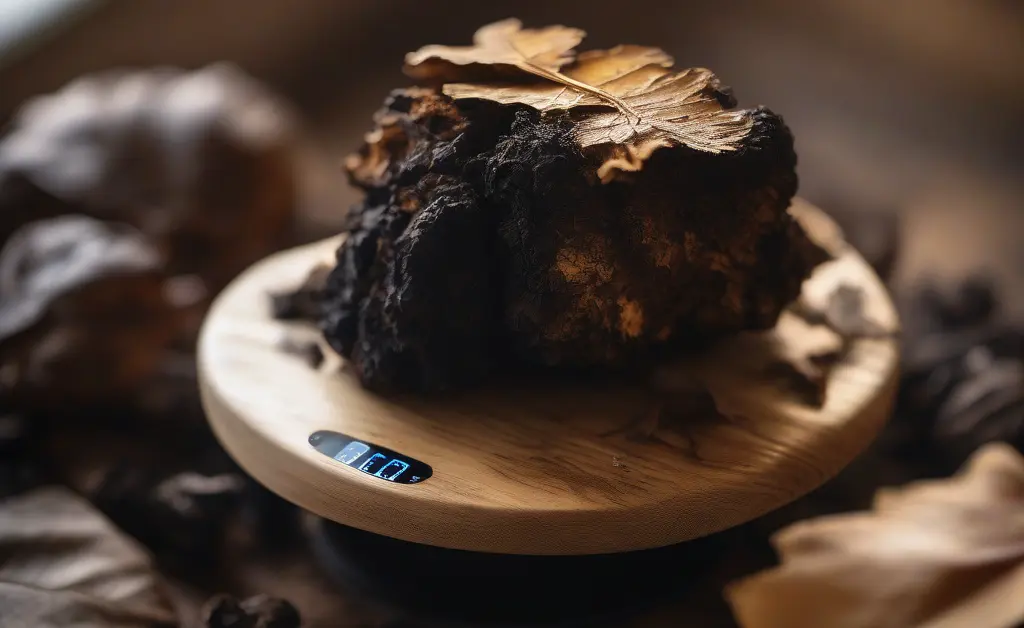
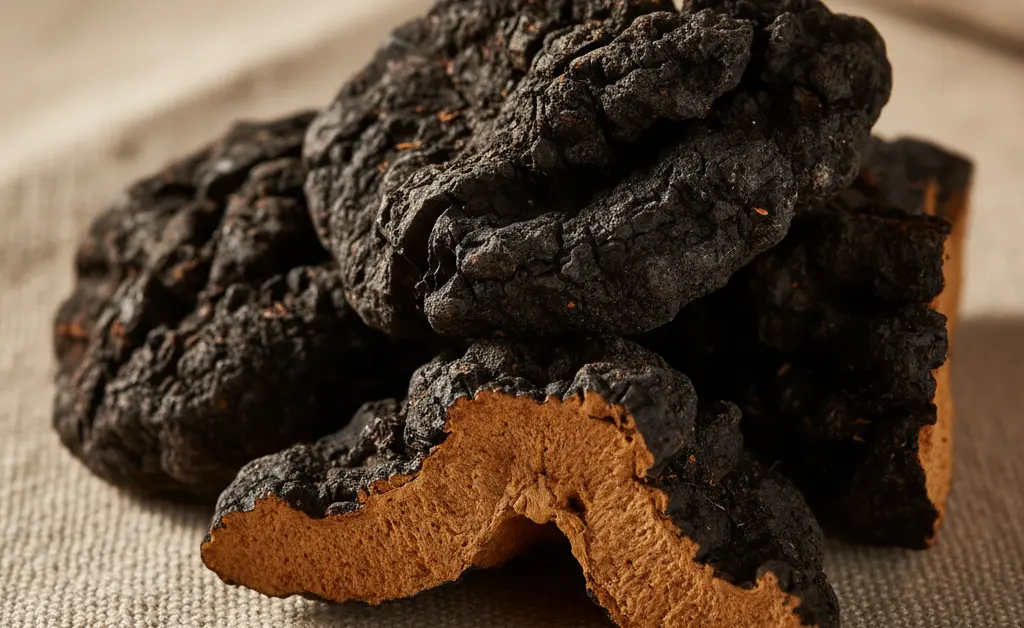
Whole chaga, often sold as large, raw chaga chunks or pieces of the sclerotium, is the least processed form available. Its pricing is typically lower on a per-kilogram basis compared to powders or extracts because it requires the end-user to perform the cleaning, drying, and grinding. This form appeals to consumers who prefer to handle the processing themselves to ensure maximum freshness and control over the final preparation. The price reflects the raw material’s value plus the costs of harvesting and basic handling.
Pricing for Dried Chaga Mushrooms
Dried chaga mushrooms, usually available as smaller, ready-to-use chunks, are a popular option for making teas and tinctures. The drying process is critical for long-term storage and preservation of the mushroom’s properties. This step removes moisture, concentrating the chaga and making it shelf-stable. The cost of drying, which requires controlled temperature and humidity, adds to the price compared to raw chaga. Consumers pay for the convenience of a product that is prepared for immediate use without the need for initial processing.
Pricing for Chaga Mushroom Extract Powder
Chaga mushroom extract powder is generally the most expensive form due to the extensive processing required to produce it. The extraction process isolates and concentrates the most valuable bioactive compounds, such as polysaccharides and triterpenes, resulting in a more potent and bioavailable product. This requires specialized equipment and scientific expertise to ensure quality and efficacy. The higher concentration means a smaller amount of extract is needed compared to raw chaga, which is reflected in its premium price. This form’s value is based on its potency and ease of use, making the Chaga Mushroom Price Per KG for extract significantly higher than for other forms.
Average Price Ranges for Bulk Chaga Purchases
Purchasing chaga in bulk, typically by the kilogram, can offer significant savings compared to buying small retail packages. Suppliers often provide tiered pricing, where the price per gram or kilogram decreases as the purchase volume increases. This is a cost-effective option for individuals who use chaga regularly or for small businesses that formulate their own products. While the initial outlay is higher, the long-term value is substantial. Buyers should consider storage requirements and the shelf life of the product when making a bulk purchase to ensure the chaga maintains its quality over time.
Chaga Mushroom Pricing: Regional Variations and Global Trends
Chaga Mushroom Price in the USA
In the United States, chaga mushroom prices are influenced by a combination of domestic harvesting and imports. The availability of USA chaga mushrooms is growing as domestic harvesting becomes more established. Chaga is harvested in colder states like Alaska, Maine, and Minnesota, but a significant portion of the market supply, particularly high-grade Siberian chaga, is imported. The final retail price in the USA reflects import duties, shipping costs, marketing expenses, and the high consumer demand within the booming wellness market. Prices can vary widely between suppliers based on their sourcing, certifications, and brand positioning.
Chaga Mushroom Price in India
The market for chaga mushrooms in India is emerging, driven by a growing interest in global wellness trends and the country’s deep roots in traditional medicine. As chaga is not native to India, the supply is entirely dependent on imports, primarily from Russia and Eastern Europe. Consequently, prices in India include significant costs related to importation, logistics, and currency exchange rates. As consumer awareness grows, the demand and pricing landscape may evolve, but for now, it remains a niche, premium product.
Global Chaga Mushroom Price Overview
Globally, the price of chaga is dictated by a classic supply-and-demand model. The primary supply regions are the boreal forests of Siberia, Canada, Northern China, and parts of Northern and Eastern Europe. The demand is concentrated in North America, Western Europe, and increasingly in Asia. The complex supply chain, from remote forests to international consumers, involves multiple intermediaries, each adding to the final cost. Factors like sustainability regulations, harvesting quotas, and geopolitical events can disrupt this supply chain, causing fluctuations in the global Chaga Mushroom Price Per KG.
Historical Chaga Mushroom Price Trends
Over the past decade, the price of chaga has seen a steady upward trend. This increase is directly correlated with its rising popularity in Western markets and the proliferation of scientific studies exploring its potential health properties. As media coverage and consumer testimonials have grown, demand has outpaced the sustainable supply of high-quality, wild-harvested chaga. This imbalance has pushed prices higher. While there can be seasonal fluctuations, the long-term trajectory points towards continued price appreciation as chaga solidifies its place as a high-value medicinal mushroom.
Tips for Finding the Best Chaga Mushroom KG Price
Bulk Purchase Discounts and Their Value
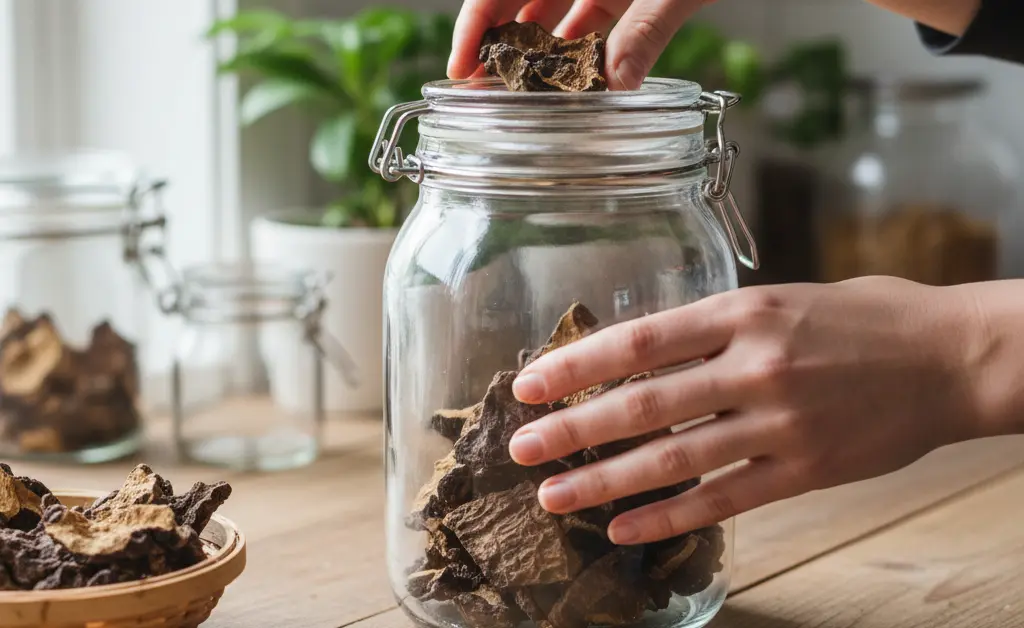
One of the most effective ways to secure a better price for chaga is to purchase it in larger quantities. Suppliers are often willing to offer substantial discounts for bulk orders because it reduces their own costs for packaging and handling. For regular consumers, buying a kilogram at a time instead of small, monthly packages can lead to significant savings over the year. When considering a bulk purchase, it is vital to vet the supplier for quality assurance, checking for third-party testing and organic certifications. For those looking for a reliable source, finding high-quality chaga mushroom for sale from a reputable supplier is key to ensuring you get the best value. Proper storage in an airtight container away from light and moisture is also essential to preserve the mushroom’s integrity and value.
In conclusion, a variety of interconnected factors determine the Chaga Mushroom Price Per KG. The origin of the mushroom, particularly if it is wild-harvested from a cold climate like Siberia, plays a foundational role in its valuation. Furthermore, the final form of the product, whether it is sold as raw chunks, dried pieces, or a concentrated extract powder, introduces significant price differentiation based on processing costs and potency. Quality certifications, market demand, and global supply chain logistics all contribute to the final cost for the consumer. By understanding these dynamics, buyers can make more informed decisions when purchasing this unique medicinal mushroom.
This article is for informational purposes only and does not constitute medical advice. The information provided is not intended to diagnose, treat, cure, or prevent any disease. Always consult with a qualified healthcare professional before making any decisions about your health or lifestyle, or before starting any new supplement regimen. The authors and publishers of this content are not responsible for any adverse effects or consequences resulting from the use of any suggestions, preparations, or procedures described in this text.
FAQ
— How much does 1kg of chaga mushroom cost?
The cost of 1kg of chaga mushroom can vary widely depending on quality, source, and form. Market demands and harvesting methods also play a role in determining its price.
— What is the average price for Siberian chaga chunks?
Siberian chaga chunks are often regarded for their quality, which may influence their pricing to be higher compared to other sources. The average price is subject to supply conditions and vendor pricing strategies.
— What factors influence the price per kilogram of chaga?
Several factors can impact chaga mushroom price per kg, including the mushroom’s grade, form (powder, chunks, extract), harvesting season, and regional availability. Certification and organic status might also affect pricing.
— Is there a significant price difference between chaga forms?
Yes, different forms such as raw chunks, powdered, or extracted chaga often have varying price points. Processing costs and convenience contribute to these differences in the marketplace.
— How does regional origin affect chaga mushroom pricing?
The origin of chaga, such as Siberia, North America, or other regions, can influence its price due to factors like local harvesting regulations, environmental conditions, and transport expenses. Regional reputation may also impact consumer perception and cost.
— Can I expect price fluctuations for chaga mushrooms throughout the year?
Price variations for chaga mushrooms may occur due to seasonal availability, harvesting cycles, and market demand shifts. These fluctuations are often tied to natural growth patterns and supply chain dynamics.