Reishi mushroom has gained attention for its potential to influence hormonal health, particularly in conditions like hirsutism, where excessive hair growth occurs due to elevated androgen levels. This natural remedy is being explored for its unique properties that may help regulate hormone balance and reduce symptoms associated with androgen excess. By examining the scientific literature and anecdotal reports, we can better understand how this traditional mushroom could support those managing hirsutism. This article delves into the mechanisms behind reishi mushroom’s effects, its safety profile, and how it compares to other natural treatments, providing a comprehensive overview for individuals seeking alternative options to manage unwanted hair growth.
Reishi mushroom for hirsutism
Anti-Androgenic Effects and Impact on Hormonal Balance
Reishi mushroom is traditionally valued for its adaptogenic and hormone-regulating properties, which are largely attributed to bioactive compounds such as triterpenes and polysaccharides. Among these effects, its potential anti-androgenic activity is of particular interest in managing hirsutism. These compounds may influence the endocrine system by modulating androgen production or activity, thereby contributing to a more balanced hormonal environment. By potentially reducing the levels or effects of androgens like testosterone, reishi mushroom could help mitigate the excessive hair growth that characterizes hirsutism. This balancing effect is thought to support the body’s natural hormone regulation mechanisms without the aggressive interventions associated with pharmaceutical anti-androgens. For a detailed overview of these benefits, see reishi mushroom benefits.
User Experiences and Anecdotal Evidence
Anecdotal reports from individuals using reishi mushroom for hirsutism frequently highlight subtle but noticeable improvements over time, including reduced facial hair growth and improved skin quality. Many users describe the mushroom as a gentle herbal option that complements other lifestyle changes aimed at hormonal health. While personal experiences vary and are influenced by factors such as the underlying cause of hirsutism and individual hormonal profiles, these accounts contribute to the growing interest in reishi mushroom as a natural remedy. It is important to consider that anecdotal evidence does not replace clinical research but can provide valuable insights into potential benefits and tolerability. The role of reishi in supporting hair health is discussed further in reishi mushroom benefits for hair.
How Reishi Mushroom Affects Hirsutism and Androgen Levels

Studies on Reishi Mushroom and Androgen Levels
Scientific investigations into reishi mushroom have begun to explore its effects on androgen levels, particularly in contexts related to hormonal imbalances. Some studies point to reishi’s ability to influence enzymes involved in steroidogenesis, which may contribute to modulation of androgen synthesis. While direct evidence linking reishi mushroom to significant changes in androgen concentrations remains limited, preliminary research supports its potential role in supporting endocrine balance. These findings are especially relevant for conditions marked by androgen excess, such as hirsutism associated with polycystic ovary syndrome (PCOS). It is important to note that using reishi mushroom during pregnancy requires caution and guidance; more information can be found in reishi mushroom during pregnancy.
Clinical Observations in PCOS-related Hirsutism
PCOS is a common underlying cause of hirsutism due to its characteristic hormonal dysregulation, including elevated androgens. Clinical observations suggest that reishi mushroom, through its adaptogenic and hormone-modulating effects, may help alleviate some symptoms linked to PCOS, such as irregular menstrual cycles and excess hair growth. While not a standalone treatment, reishi is often considered as part of a broader natural approach to managing PCOS symptoms. Its influence on insulin sensitivity and inflammatory pathways may also contribute indirectly to improving hormonal balance, which is crucial in addressing PCOS-related hirsutism.
Mechanisms Behind Reishi Mushroom’s Influence on Hair Follicles
Beyond its systemic hormonal effects, reishi mushroom may impact hair follicles directly through several mechanisms. The mushroom’s anti-inflammatory and antioxidant compounds can help reduce oxidative stress around the hair follicle environment, which is often implicated in abnormal hair growth and scalp conditions. Additionally, reishi’s ability to support blood circulation may enhance nutrient delivery to hair follicles, promoting healthier hair growth patterns. These multifaceted actions suggest that reishi could support follicular health by both hormonal and local pathways, potentially influencing the quality and growth rate of hair in hirsutism.
Reishi Mushroom’s Role in Reducing Inflammation Related to Hirsutism
Chronic low-grade inflammation is increasingly recognized as a factor contributing to hormonal imbalances and conditions like hirsutism. Reishi mushroom contains potent anti-inflammatory compounds that may help modulate immune responses and reduce inflammatory markers associated with hormonal disorders. By alleviating inflammation, reishi might indirectly support the normalization of androgen levels and improve skin and follicle health. This immunomodulatory effect aligns with traditional uses of reishi in herbal medicine, where it has been employed to promote overall system balance and resilience. Additionally, reishi mushroom’s benefits for lung health also stem from its anti-inflammatory properties, as described in reishi mushroom benefits for lungs.
Using Reishi Mushroom Safely for Managing Hirsutism
Recommended Dosage and Forms
Reishi mushroom is available in various forms including dried whole mushroom, powders, tinctures, and standardized extracts. The choice of form often depends on individual preferences and availability, with extracts typically providing a concentrated dose of active compounds like triterpenes. Dosage recommendations vary widely due to differences in preparation and product quality, and labeling practices differ between manufacturers. Consumers generally seek products with clear information on active constituents to better understand potency. While traditional use offers some guidance, the variability in formulations means that users should approach dosing with awareness of these differences and consider professional advice when integrating reishi into their regimen.
Potential Side Effects and Precautions
Reishi mushroom is regarded as safe for most people when used appropriately, but some may experience mild side effects such as digestive disturbances or allergic reactions. Individuals with specific health conditions or those taking immunosuppressive medications should exercise caution, as reishi’s immune-modulating properties might interact with underlying treatments. Monitoring for adverse reactions is advisable, especially during initial use. Additionally, the quality and purity of the product can influence safety, making it important to source reishi from reputable suppliers.
Interactions with Other Herbal Supplements
When combined with other herbal supplements, reishi mushroom may have additive or synergistic effects, particularly concerning immune function and hormone regulation. Careful consideration is necessary to avoid potential interactions that could amplify effects unexpectedly or lead to imbalance. Combining reishi with other anti-androgenic herbs or adaptogens requires awareness of their cumulative impact on the endocrine system. Consulting knowledgeable herbal practitioners or healthcare providers can help navigate these interactions safely. For authoritative guidance on herbal supplement safety and interactions, resources from WHO can be consulted.
Long-term Use and Effects on Hormonal Health
Long-term use of reishi mushroom has been traditionally considered safe and is often associated with sustained benefits in hormonal health and general well-being. However, scientific data on extended consumption specifically for hirsutism or hormonal modulation remain limited. Continuous monitoring of hormone-related symptoms and overall health is important to assess ongoing suitability. The adaptogenic nature of reishi suggests it supports the body’s ability to maintain balance over time rather than forcing abrupt changes, which may be advantageous in chronic conditions like hirsutism.
Guidelines for Selecting Quality Reishi Mushroom Products
Quality selection is critical when choosing reishi mushroom products to ensure efficacy and safety. High-quality products typically provide standardized extracts with quantified levels of active compounds such as triterpenes and polysaccharides. Organic certification, transparent sourcing, and third-party testing for contaminants enhance product reliability. Consumers should be wary of supplements lacking detailed ingredient information or those making unsupported health claims. Evaluating the form, extraction method, and company reputation can help in selecting a product that aligns with individual needs and expectations.
Scientific Research on Reishi Mushroom and Hair Growth
Differences Between Reishi Mushroom Extracts and Whole Mushroom
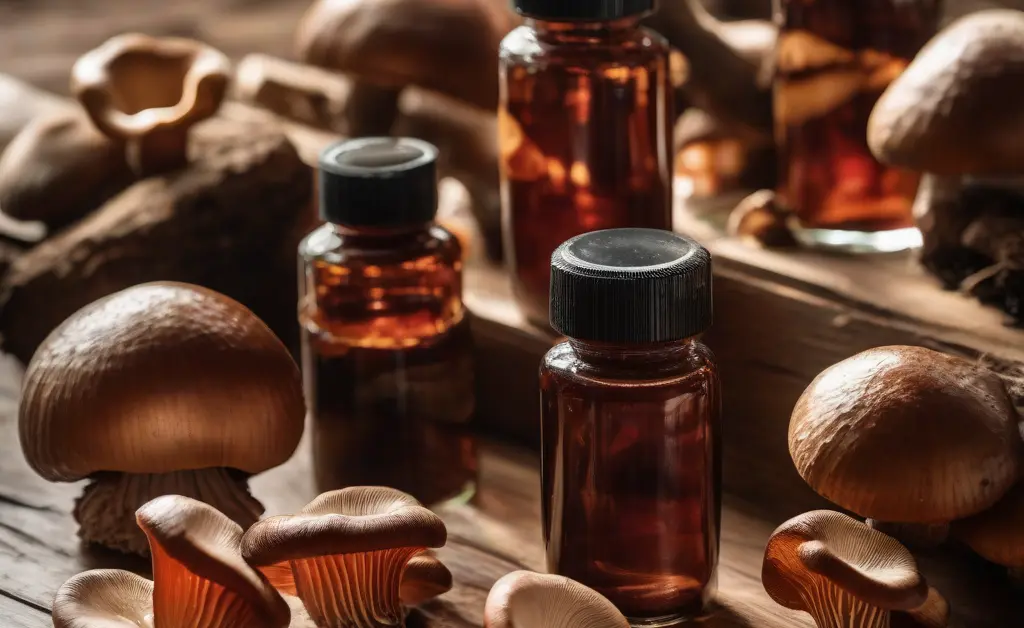
Extracts of reishi mushroom are concentrated preparations that isolate specific bioactive compounds, offering targeted potency and consistency. These are often preferred in research settings and for therapeutic purposes due to standardized content. In contrast, whole mushroom products provide a broader spectrum of constituents, which may work synergistically but with less predictable potency. The choice between extracts and whole mushroom depends on the desired effect, with extracts typically favored for anti-androgenic and hormonal modulation purposes relevant to hirsutism. Understanding these differences is important for interpreting research findings and for consumers aiming to optimize their natural treatment approach.
Comparing Reishi Mushroom with Other Natural Remedies for Hirsutism
Several natural remedies are traditionally used to address hirsutism, including spearmint tea, saw palmetto, and licorice root, which also exhibit anti-androgenic properties. Compared to these, reishi mushroom offers a unique combination of adaptogenic, anti-inflammatory, and immune-supportive effects, potentially providing broader systemic benefits. While some herbs focus primarily on androgen reduction, reishi’s multifaceted actions may contribute to hormonal balance and overall endocrine health. The choice of remedy often depends on individual tolerance, underlying causes, and complementary therapies, highlighting the importance of personalized approaches in managing excess hair growth.
Potential Benefits of Reishi Mushroom Beyond Hirsutism

Beyond its role in managing hirsutism, reishi mushroom is widely recognized for its extensive health-promoting properties. It is commonly used to support immune function, combat oxidative stress, and improve cardiovascular health. Its adaptogenic qualities help the body respond to stress, which can indirectly influence hormonal balance and metabolic health. Additionally, reishi’s anti-inflammatory effects may benefit conditions characterized by chronic inflammation, including certain skin disorders. These broad-spectrum benefits make reishi a valuable herbal medicine with potential applications extending well beyond hair growth regulation.
In summary, reishi mushroom presents a promising natural option for those exploring alternative ways to manage hirsutism. Its anti-androgenic effects, combined with immune modulation and anti-inflammatory properties, may contribute to hormone regulation and reduction of unwanted hair growth. While more clinical research is needed to fully elucidate its efficacy and optimal use, current evidence and traditional knowledge suggest it could be a valuable complement to other natural remedies and lifestyle approaches aimed at addressing hormonal imbalance and excess hair growth.
Disclaimer: The information provided in this article is for educational purposes only and does not constitute medical advice. Reishi mushroom and other natural remedies should not replace professional healthcare or prescribed treatments. Individuals interested in using reishi for hirsutism or any health condition are encouraged to consult qualified healthcare providers to ensure safety and appropriateness. Effects may vary between individuals, and ongoing research continues to clarify the role of herbal supplements in managing hormonal health.
FAQ
— How does reishi mushroom reduce unwanted facial hair?
Reishi mushroom is often discussed in relation to hormonal balance, which may influence the factors contributing to unwanted facial hair. It is thought to interact with the body’s endocrine system, potentially helping to moderate hormone levels that play a role in hair growth.
— Is reishi mushroom effective for treating hirsutism caused by PCOS?
The effectiveness of reishi mushroom for hirsutism related to PCOS is not definitively established, but some traditional practices reference its use for supporting hormonal health. Research in this area remains limited, and reishi mushroom may be considered as part of a broader approach rather than a standalone solution.
— What is the recommended dosage of reishi mushroom for hirsutism?
Specific dosage recommendations for reishi mushroom in the context of hirsutism are not well-defined in scientific literature. Dosage tends to vary based on product formulation and individual health factors, so consulting a healthcare professional is advised for personalized guidance.
— Are there any side effects of using reishi mushroom for hormonal balance?
Though generally regarded as safe, reishi mushroom can sometimes cause mild side effects such as digestive upset or allergic reactions in sensitive individuals. It is important to approach its use cautiously, especially for those with existing health conditions or who are taking other medications.
— Can reishi mushroom be combined with other natural treatments for hirsutism?
Reishi mushroom is frequently considered compatible with various natural therapies aimed at hormonal regulation. Combining it with other treatments may offer synergistic effects, but professional advice should be sought to avoid interactions and ensure safety.
— How long does it take to see results from using reishi mushroom for hirsutism?
The timeline for observing any changes when using reishi mushroom for hirsutism can be quite variable and is not firmly established. Effects, if any, may emerge gradually and depend on individual differences and underlying causes.
— Is reishi mushroom suitable for all ages when managing hirsutism?
Suitability of reishi mushroom across different age groups is not universally confirmed, and caution is generally advised, particularly for children and elderly individuals. Age-related factors and overall health status should be considered before use.
— What forms of reishi mushroom are best for addressing hirsutism?
Reishi mushroom is available in various forms including extracts, powders, and teas, each with differing concentrations of active compounds. Extracts standardized for certain bioactive ingredients are often preferred in research settings, though the optimal form for hirsutism specifically has yet to be conclusively identified.