Reishi mushroom has long been celebrated in various cultures for its potential health-enhancing properties. As a natural supplement, it is increasingly gaining attention for its role in supporting overall wellness, from boosting the immune system to promoting relaxation and better sleep quality. Understanding how reishi mushroom works and how it can be integrated into daily routines is essential for those considering its use. This article explores the origins, benefits, and practical applications of reishi mushroom, as well as the scientific research that supports its traditional uses. Whether you are new to this remarkable fungus or looking to deepen your knowledge, this guide offers a comprehensive overview of everything you need to know.
What is Reishi Mushroom?
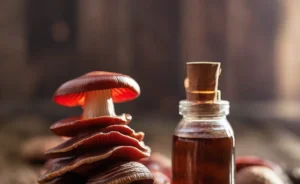
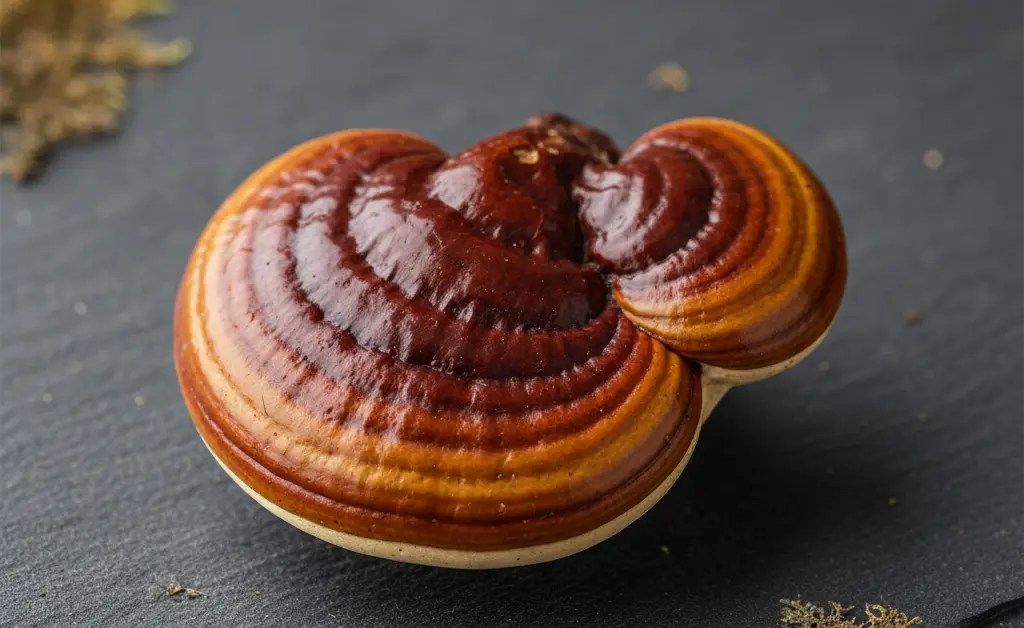
Reishi mushroom, also known as Lingzhi in traditional Chinese medicine, is a type of fungus that has been revered for centuries due to its wide range of reputed health benefits. It is classified as an adaptogen, meaning it may assist the body in adapting to various stressors and maintaining balance. Its unique composition includes bioactive compounds such as polysaccharides, triterpenes, and antioxidants, which are thought to contribute to its therapeutic effects. This mushroom grows naturally on hardwood trees, particularly in humid, temperate climates, and has a distinctive glossy, reddish appearance.
How Reishi Mushroom is Cultivated
Cultivation of this functional fungus involves a controlled process that replicates its natural growing conditions to ensure quality and potency.. The cultivation typically occurs on hardwood logs or sawdust blocks, providing a nutrient-rich substrate for the fungi to develop. Environmental factors such as humidity, temperature, and light exposure are carefully managed to optimize growth. Modern techniques have also introduced indoor cultivation, which allows for year-round production and better control over contamination. The harvesting process is timed to collect the mushrooms when their active compounds are at peak levels, which is crucial for maximizing their potential benefits.
Reishi Mushroom Benefits

Immune System Support
This medicinal fungus is widely recognized for its potential to enhance immune system function. The polysaccharides and triterpenes present in reishi are believed to modulate immune responses by activating various immune cells, including natural killer cells, macrophages, and T-cells. This immune modulation may help the body defend against pathogens and maintain overall immune balance.
In a similar way, other medicinal mushrooms such as
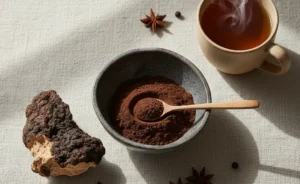
Chaga mushroom
are also known for their powerful antioxidant properties and immune-supporting compounds, making them a valuable complement to reishi in holistic wellness routines. As a result, reishi is often incorporated into herbal regimens aimed at supporting immune health and resilience.. More detailed information on reishi mushroom benefits can be found here.
Stress Reduction
As an adaptogen, reishi extract is traditionally used to help the body cope with physical and mental stress. Its compounds may influence the hypothalamic-pituitary-adrenal (HPA) axis, which regulates stress hormones, thereby promoting a calming effect and reducing feelings of anxiety. Many users report improved mood and a greater sense of relaxation when incorporating reishi into their wellness routines. This natural stress relief is especially valued in herbal medicine practices where balancing the body’s response to stress is a key focus.
Sleep Improvement
This traditional medicinal mushroom has been used to enhance sleep quality, offering a natural alternative to common sleep aids. It is thought to support relaxation and reduce restlessness, contributing to deeper and more restorative sleep cycles. The calming properties of reishi may help regulate the nervous system, making it beneficial for individuals who experience difficulty falling asleep or maintaining restful sleep. While scientific evidence is still emerging, reishi continues to be a popular choice for those seeking natural ways to improve sleep patterns.
Reishi Mushroom Supplement and Powder
Forms of Reishi Mushroom Supplements
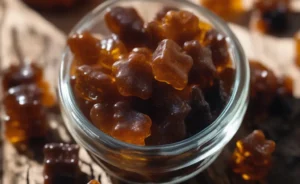
Reishi-based supplements are available in various forms to accommodate different preferences and uses. These include dried whole mushrooms, powders, capsules, extracts, and tinctures. Powders are often used for blending into beverages or recipes, while capsules provide a convenient, measured dose. Extracts, particularly those standardized for specific bioactive compounds, may offer more concentrated effects. The choice of form can affect the absorption and bioavailability of the active ingredients, so consumers often select based on their lifestyle and desired outcomes. For comprehensive guidance, see our detailed page on reishi mushroom supplement.
Recommended Dosages
Reishi mushroom supplements come with a range of suggested dosages, reflecting differences in preparation, concentration, and traditional usage. However, dosages can vary widely depending on the product and individual factors. Labels typically provide guidance based on the form and potency of the supplement, but there is no universally established amount recognized for all situations. Consumers are encouraged to consider these variations and consult knowledgeable sources when selecting a dosage that aligns with their wellness goals.
Differences Between Raw and Processed Reishi
Raw reishi mushroom refers to the unprocessed fruiting bodies of the fungus, which contain a full spectrum of natural compounds but may be tough and bitter in taste. Processed reishi products often undergo extraction or drying methods designed to concentrate specific active components such as polysaccharides and triterpenes, enhance bioavailability, and improve palatability. Processing can also remove certain indigestible fibers, making the supplement easier to consume. The choice between raw and processed forms depends on personal preference and the intended use, with processed forms often favored for standardized supplementation.
Storage and Shelf Life of Reishi Products
Proper storage is essential to maintain the potency and quality of reishi mushroom supplements. Most products should be kept in a cool, dry place away from direct sunlight to prevent degradation of active compounds. Moisture and heat can accelerate spoilage or reduce efficacy. Shelf life varies based on the form and packaging, with powdered and extracted products often having longer stability compared to fresh or raw mushrooms. Consumers are advised to check expiration dates and storage instructions to ensure optimal preservation of their supplements.
Potential Risks and Side Effects of Reishi Mushroom

Common Side Effects
While generally considered safe for many individuals, reishi preparations can cause mild side effects in some cases. These may include digestive upset such as nausea or stomach discomfort, dry mouth, or dizziness. Allergic reactions are rare but possible. It is important to recognize that side effects can vary depending on the preparation, dosage, and individual sensitivity. Awareness of these potential reactions helps users make informed decisions about incorporating reishi into their wellness routines. More information on side effects is available at reishi mushroom side effects.
Who Should Avoid Reishi Mushroom
Certain populations may need to exercise caution or avoid using reishi mushroom altogether. Individuals with bleeding disorders or those taking anticoagulant medications should be mindful, as reishi may influence blood clotting processes. Pregnant and breastfeeding individuals are typically advised to consult healthcare professionals before use due to limited safety data. Additionally, people with specific allergies or underlying health conditions should consider potential interactions and sensitivities. Seeking professional guidance can help ensure safe use.
How to Use Reishi Mushroom
Incorporating this adaptogenic ingredient into a daily routine can be done through various methods depending on the form chosen. It may be brewed as a tea from dried slices or powder, taken as capsules or tinctures, or added to smoothies and other foods. Traditional preparations often involve simmering the mushroom for extended periods to extract beneficial compounds. The versatility of reishi allows it to be adapted to individual preferences and lifestyle needs, making it accessible for both newcomers and experienced users.
Scientific Research on Reishi Mushroom
Clinical Studies Overview
Scientific interest in Ganoderma lucidum has grown, with numerous clinical studies investigating its effects on immune modulation and stress response, and other health parameters. Research often focuses on isolated compounds such as polysaccharides and triterpenes to understand their mechanisms of action. While many studies highlight promising results, particularly in immune support and antioxidant activity, the body of evidence continues to evolve. Clinical trials vary in design, population, and methodology, contributing to a nuanced understanding of reishi’s potential. Authoritative information on medicinal mushrooms can be found on the NHS website.
Efficacy and Safety Findings
Findings from clinical research generally indicate that reishi mushroom exhibits a favorable safety profile when used appropriately. Efficacy results support its traditional use in immune enhancement, stress relief, and sleep improvement, although outcomes can be influenced by product quality and study conditions. Some studies note variability in individual responses and emphasize the need for further rigorous research to establish standardized protocols. Overall, reishi is regarded as a valuable herbal supplement with a balance of efficacy and safety considerations.
History and Traditional Uses of Reishi Mushroom
Traditional Preparation Methods
Historically, reishi mushroom has been prepared using techniques passed down through generations, particularly within traditional Chinese medicine. Common methods include drying the fruiting bodies for later use, boiling or simmering them in water to create decoctions, and combining reishi with other herbs to enhance therapeutic effects. These preparations aimed to extract the polysaccharides and triterpenes believed to provide health benefits. The cultural significance of reishi as a symbol of longevity and vitality underscores its longstanding role in herbal medicine traditions.
Nutritional Profile of Reishi Mushroom
Nutrient Content in Reishi Mushroom
This adaptogenic mushroom contains a variety of bioactive compounds rather than conventional nutrients like vitamins and minerals found in edible mushrooms. Its nutritional profile is characterized by polysaccharides, which are complex carbohydrates linked to immune modulation, and triterpenes, which have been studied for their anti-inflammatory and antioxidant properties. Additionally, reishi contains small amounts of proteins, fibers, and trace minerals that contribute to its overall health effects. This unique composition distinguishes reishi as a functional mushroom valued more for its medicinal qualities than its macronutrient content.
Reishi mushroom remains an intriguing natural supplement with a rich history and a growing body of research supporting its diverse applications. From immune system support and stress reduction to sleep enhancement, it offers a multifaceted approach to wellness. Its adaptogenic properties and complex bioactive compounds continue to inspire both traditional use and modern scientific inquiry.
Disclaimer: This article is for informational purposes only and does not constitute medical advice. Reishi mushroom supplements should not replace professional healthcare consultation. Individuals interested in incorporating reishi into their routine should discuss it with a qualified healthcare provider, especially if they have existing health conditions or are taking medications. The effects of reishi mushroom may vary, and its safety and efficacy are still being studied.
FAQ
— What are the main benefits of reishi mushroom?
Reishi mushroom is often discussed for its potential to support immune health, promote relaxation, and contribute to overall wellness. Research suggests it may have antioxidant properties and could assist in modulating inflammation. These effects have made it a subject of interest in traditional and modern herbal practices.
— Are there any side effects of taking reishi mushroom?
Some individuals may experience mild digestive discomfort or allergic reactions when using reishi mushroom. It is important to consider personal health conditions and consult with a healthcare professional, as the effects can vary. Reports of more serious side effects are relatively uncommon but warrant caution.
— How do I take reishi mushroom safely?
Safety considerations typically include choosing high-quality supplements from reputable sources and discussing use with a healthcare provider, especially if you have existing health issues or are taking other medications. Monitoring for any adverse reactions when starting is advisable. Taking the supplement as recommended by the manufacturer is also important.
— Can reishi mushroom help with stress and sleep?
Reishi mushroom has traditionally been referenced for its calming properties and use in promoting better sleep quality. Some studies indicate that compounds in reishi may interact with the nervous system in ways that support relaxation, though individual responses can differ. It is often incorporated into wellness routines aimed at stress reduction.
— Is reishi mushroom effective for boosting the immune system?
The reishi mushroom is commonly studied for its potential immunomodulatory effects, which may contribute to enhanced immune function. Certain bioactive compounds found in the mushroom are thought to influence immune cell activity. However, evidence is still evolving, and it is not considered a substitute for medical treatment.
— What is the history of reishi mushroom use?
Reishi mushroom has a long history in traditional Asian medicine, where it was prized as an herb for longevity and vitality. Historical texts often describe it as a tonic for health maintenance and spiritual well-being. Its use spans centuries, reflecting cultural significance in herbal healing practices.
— What forms of reishi mushroom supplements are available?
Reishi mushroom supplements come in various forms including capsules, powders, tinctures, and teas. Each form offers different conveniences and potency profiles depending on preparation methods. Consumers often select based on preference for ease of use or desired absorption.
— How is reishi mushroom traditionally prepared?
Traditionally, reishi mushroom is prepared by simmering the dried fruiting body in water to make a decoction or tea. This method extracts many of the active compounds, although the taste can be quite bitter. Sometimes, it is combined with other herbs to balance flavor and enhance effects.