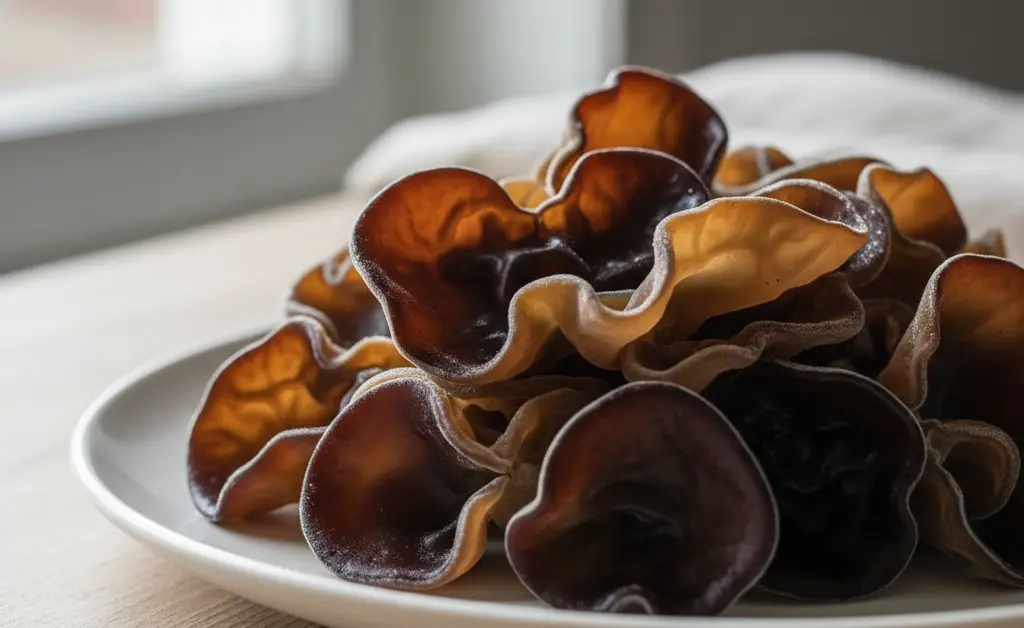
Navigating the world of fungi can sometimes feel like deciphering a secret code, especially when a single ingredient goes by so many different labels. The humble wood ear mushroom is a prime example, celebrated in kitchens and traditional medicine across the globe, yet rarely known by just one name. Its unique texture and culinary versatility have led to a rich tapestry of nomenclature, reflecting its appearance, habitat, and cultural significance. Understanding these various appellations is key to appreciating its widespread use and distinguishing it from other edible and medicinal fungi.
Wood Ear Mushroom Other Names Explained
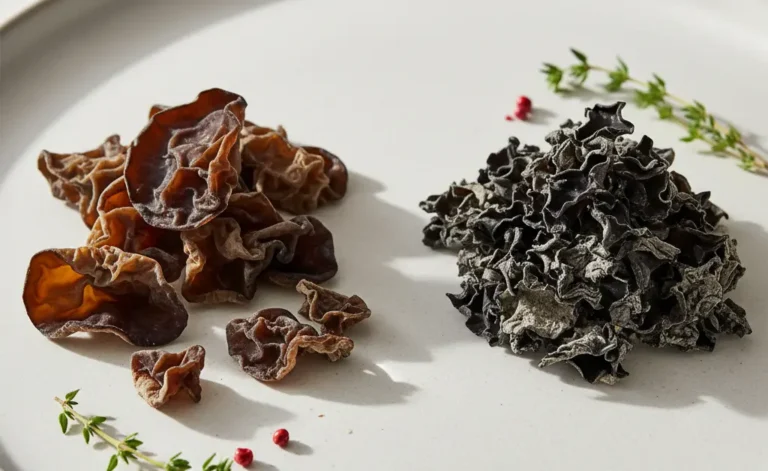
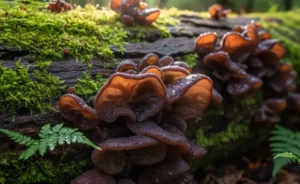
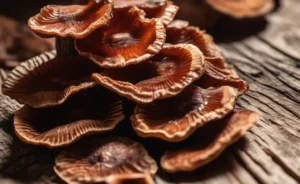
The wood ear mushroom is known by a fascinating variety of descriptive names that often highlight its distinct physical characteristics. These labels typically refer to its color, texture, or shape, making them quite intuitive once you are familiar with the fungus. Many of these names are direct translations from other languages, reflecting its global culinary footprint. This exploration of wood ear mushroom other names helps illustrate how different cultures perceive and categorize this unique ingredient. The distinctive wood ear mushroom appearance is key to its popular names.
Jelly Ear Mushroom
One of the most common descriptive names is “jelly ear.” This name perfectly captures two of the mushroom’s most prominent features: its gelatinous, slightly wobbly texture and its uncanny resemblance to a human ear. When fresh or rehydrated, the fungus has a firm yet pliable, jelly-like consistency. The name serves as a straightforward and accurate description for those unfamiliar with it, immediately conveying its unusual texture and form. The unique wood ear mushroom texture is highly prized in various culinary dishes.
Wood Jellyfish
A more poetic but equally descriptive name is “wood jellyfish.” This term emphasizes the mushroom’s translucent and somewhat slippery quality, especially when moist. As it grows on wood, the first part of the name grounds it in its natural habitat. The “jellyfish” comparison evokes its delicate, almost ethereal appearance and texture when floating in soups or sauces, where it absorbs liquid and becomes plump and tender.
Cloud Ear Fungus
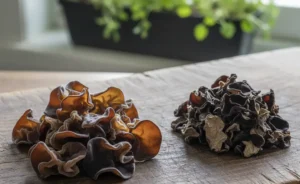
“Cloud ear fungus” is another popular name, often used in the context of Asian cuisine. This name may refer to certain varieties that are lighter in color, or it could describe the way these mushrooms often grow in large, billowy clusters on logs and trees, resembling clouds. When dried, they are lightweight and brittle, but upon rehydration, they expand into soft, ear-shaped forms. This name is frequently seen on packaging for the dried version of the mushroom sold in Asian markets.
Black Fungus
Perhaps the most widespread culinary name, particularly in Chinese and other Asian cuisines, is simply “black fungus.” This name points directly to the mushroom’s dark, often black or deep brownish-purple coloration, which deepens upon drying and cooking. While several related species can fall under this general term, it almost always refers to a member of the *Auricularia* genus used in cooking. It is a functional, no-frills label that clearly identifies the ingredient for culinary use.
Scientific and Common Names for Wood Ear
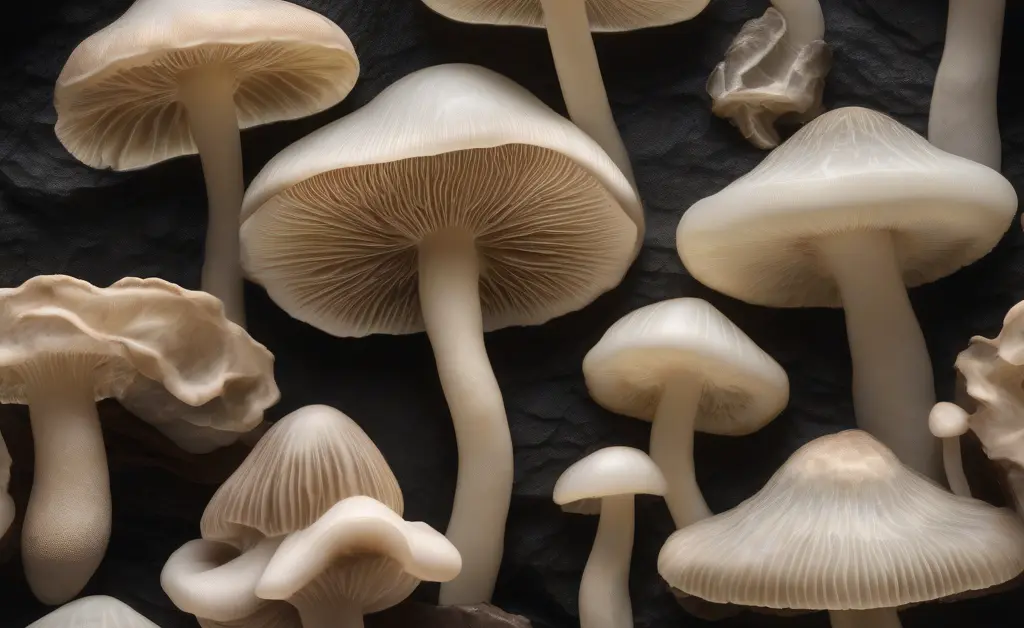
Beyond the descriptive culinary labels, the wood ear mushroom is identified through a more formal system of scientific and common names. The primary scientific name for the true wood ear is *Auricularia auricula-judae*, though other closely related and edible species like *Auricularia polytricha* are also widely used and sold under the same common names. Understanding the formal classification helps distinguish it from unrelated fungi and clarifies the relationships between the many varieties. The sheer number of wood ear mushroom other names often leads to questions about which terms are interchangeable and which refer to distinct species. Careful wood ear mushroom identification ensures safe consumption.
Is Black Fungus the Same as Wood Ears?
In most culinary and commercial contexts, the terms “black fungus” and “wood ear” are used interchangeably to refer to the same type of mushroom. Both names typically point to edible fungi from the *Auricularia* genus. However, “black fungus” can be a slightly broader category that sometimes includes closely related species with a similar appearance and texture. For the average cook, there is no significant functional difference between mushrooms labeled as wood ear and those labeled as black fungus; both provide the characteristic crunchy, gelatinous texture desired in dishes.
What is the Name of Wood Ear Mushroom in Your Country?
The name for wood ear mushroom varies dramatically from one country to another, reflecting its integration into local cuisines and languages. In China, it is known by a name that translates to “wood ear.” In Japan, a common name for it translates to “wood jellyfish.” In many European languages, the name often derives from its ear-like shape and the historical “Judas’s ear” legend. These regional variations highlight the mushroom’s long history of human use and its adaptation into diverse cultural and culinary traditions worldwide.
Understanding Wood Ear Mushroom Names

The history behind the names of the wood ear mushroom is as rich and complex as its culinary applications. Many names have evolved over centuries, influenced by folklore, historical events, and linguistic shifts. These names often provide clues about the mushroom’s perceived origins, its physical properties, or its role in traditional stories and medicine. Tracing the etymology of wood ear mushroom other names reveals a fascinating intersection of botany, culture, and history. Further research into its medicinal properties can be found through resources like NCBI.
Regional and Translated Names
Many of the mushroom’s names are direct translations or regional adaptations. One of the most famous historical names is “Judas’s ear.” This name originates from Christian folklore, which tells that the wood ear mushroom first grew on the elder tree where Judas Iscariot, the apostle who betrayed Jesus, was said to have hanged himself. The ear-like shape of the fungus was seen as a manifestation of his guilt. Over time, this name was corrupted in some languages to “Jew’s ear,” a term that is now widely considered archaic and offensive due to its potential for misinterpretation. Modern usage overwhelmingly favors more descriptive or neutral terms like wood ear, jelly ear, or the scientific name *Auricularia* to avoid historical baggage and promote clarity.
The journey through the many identities of the wood ear mushroom reveals more than just a list of labels; it uncovers a story of global culinary exchange and cultural perception. From the descriptive “jelly ear” to the functional “black fungus,” each name offers a unique window into how this versatile fungus is viewed and utilized. Appreciating the full spectrum of wood ear mushroom other names allows for a deeper understanding of its place on our plates and in our shared history, connecting kitchens and cultures across continents.
This information should be viewed as educational rather than medical advice. The content provided in this article is for informational purposes only and is not intended to be a substitute for professional medical advice, diagnosis, or treatment. Always seek the advice of your physician or another qualified health provider with any questions you may have regarding a medical condition or dietary changes. Never disregard professional medical advice or delay in seeking it because of something you have read here.
FAQ
What are wood ear mushrooms also called?
Wood ear mushrooms are also known by several other common names that describe their unique texture and appearance. These names often reflect their gelatinous, ear-like shape, which can vary in color.
Are wood ear mushrooms known as black fungus?
Yes, wood ear mushrooms are frequently referred to as black fungus, particularly in culinary contexts. This name highlights their dark coloration and somewhat gelatinous texture when rehydrated.
Is ‘jelly ear’ another name for wood ear mushrooms?
Indeed, ‘jelly ear’ is another common moniker for wood ear mushrooms. This descriptive term accurately captures the mushroom’s characteristic soft, gelatinous consistency that develops when it absorbs moisture.