
Tired of encountering unfamiliar ingredients in recipes and not knowing their proper names or origins? It’s a common culinary frustration, especially when trying to recreate authentic Asian dishes or explore the diverse world of edible fungi. You might have come across that distinctively textured, jelly-like mushroom and wondered, “What *is* that, and what’s its real name?” Understanding the specific scientific classification, such as the wood ear mushroom scientific name, is crucial for accurate identification, safe foraging, and effective use in cooking and traditional practices. This exploration delves into the nomenclature and characteristics of this fascinating fungus.
Auricularia: The Wood Ear’s Scientific Name
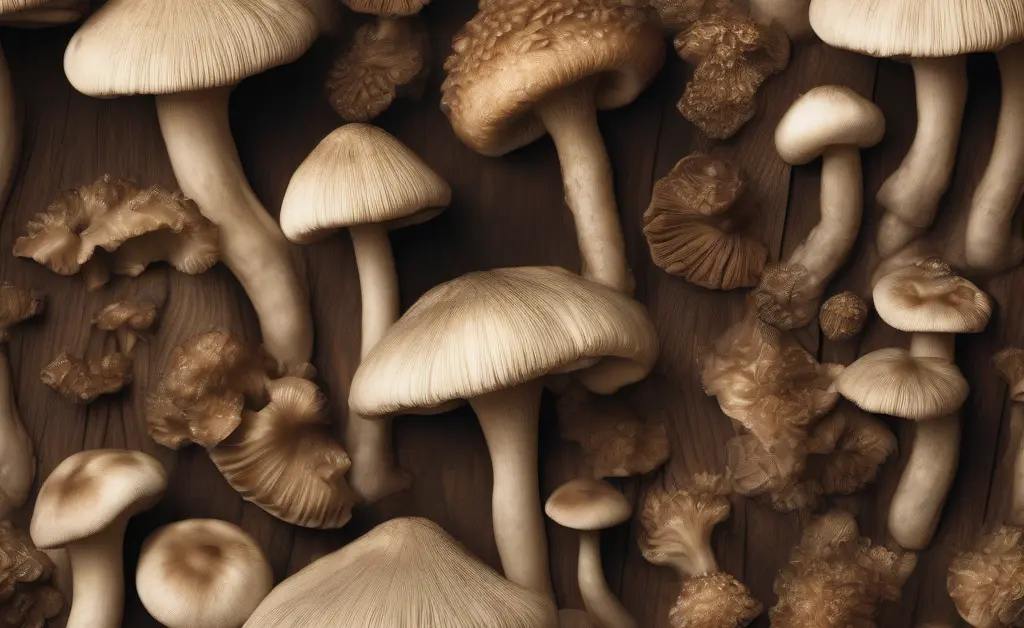
The fungus commonly known as wood ear belongs to the genus Auricularia. This group encompasses several closely related species of fungi celebrated for their unique gelatinous texture and culinary versatility. While multiple species exist globally, the most frequently cited and historically recognized wood ear mushroom scientific name is Auricularia auricula-judae. This binomial name provides a precise way for botanists, chefs, and foragers to identify and discuss this specific fungus, avoiding the confusion that can arise from its many regional and common names. Although primarily valued for texture, understanding what does wood ear mushroom taste like is also part of its culinary profile.
The name itself offers clues to its appearance. Auricularia is derived from the Latin word “auricula,” meaning “little ear,” a direct reference to the fungus’s uncanny resemblance to a human ear. The specific epithet, “auricula-judae,” translates to “Judas’s ear.” This name originates from European folklore, which tells a story that these mushrooms first grew on the elder tree upon which Judas Iscariot hanged himself. Due to this historical association, an older common name for the fungus is “Jew’s ear,” though this term is now largely considered archaic and has been replaced by more descriptive and neutral names like wood ear or jelly ear in modern culinary and scientific contexts.
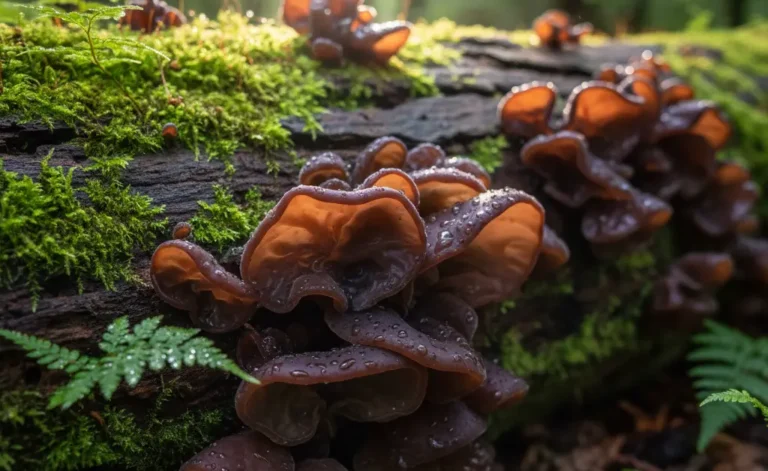
Wood ear (Auricularia-auricula judae) identification
Proper identification of Auricularia auricula-judae is essential for anyone interested in foraging or using this fungus. It has several distinct characteristics that set it apart from other fungi. The fruiting body is typically thin, rubbery, and gelatinous, with a shape that often contorts into ear-like or cup-like forms. Its color can range from a pale tan or grayish-brown to a deep reddish-brown or nearly black, often darkening with age. The upper or outer surface is frequently covered in a very fine, downy hair, giving it a velvety feel, while the inner surface is smooth and may have gentle folds or veins.
This fungus is a saprobic species, meaning it grows on and decomposes dead or dying wood. It has a strong preference for hardwood trees, with a particular affinity for elder trees, which is another reason for its historical association with the Judas folklore. While it is considered a widely distributed and relatively common mushroom, absolute certainty in identification is paramount. Inexperienced foragers should always consult with a mycologist or a reliable field guide before consuming any wild fungus, as look-alikes can exist in nature. For in-depth scientific studies on fungi and their properties, reliable sources like PubMed can be consulted.
Jelly Ear (Auricularia auricula-judae)
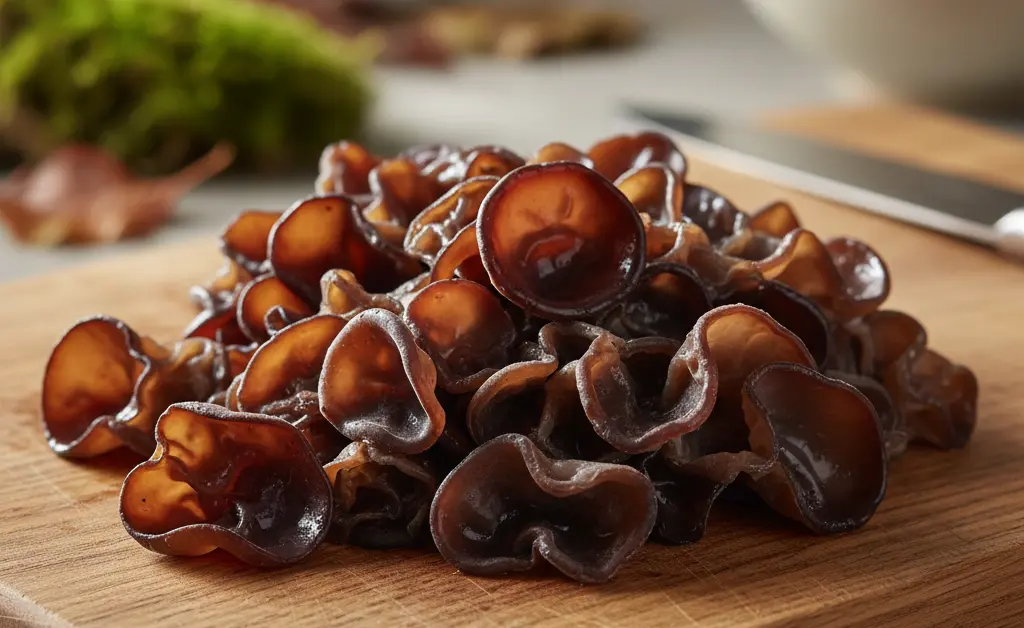
“Jelly Ear” is another widely used common name for Auricularia auricula-judae, and it perfectly encapsulates the fungus’s most prized characteristic: its texture. When fresh, the mushroom is soft, pliable, and has a distinct jelly-like consistency. This unique texture is central to its culinary appeal. Unlike many other mushrooms valued for their earthy or savory flavors, the wood ear is very mild and primarily used to add a satisfyingly crunchy, chewy element to dishes.
This name also highlights its remarkable ability to be preserved. When dried, wood ear mushrooms become hard and brittle, shrinking to a fraction of their original size. However, upon rehydration in water, they spring back to life, regaining their signature gelatinous, rubbery form. This quality makes them a staple pantry ingredient in many Asian cuisines, where they are added to soups, stir-fries, and salads to provide textural contrast. The name Jelly Ear serves as a more modern, descriptive, and universally understood alternative to its more antiquated and controversial historical names.
In summary, understanding the scientific name Auricularia auricula-judae is the key to accurately identifying the fungus known as wood ear, jelly ear, and historically, Judas’s ear. This distinctive fungus, recognized by its ear-like shape and gelatinous texture, primarily grows on dead hardwood. Its culinary value lies not in its mild flavor but in the unique textural crunch it adds to a variety of dishes. Whether for foraging or cooking, knowing its proper name ensures clarity and safe appreciation of this fascinating natural ingredient.
This article aims to inform, not to replace professional healthcare advice. The information presented is for educational purposes regarding the nomenclature and characteristics of the wood ear mushroom. Individuals should always consult with a qualified mycologist for the definitive identification of any wild fungi before consumption. For any health-related questions or before using any fungus for therapeutic purposes, it is essential to seek guidance from a licensed healthcare provider.
FAQ
What are the benefits of wood ear mushrooms?
Wood ear mushrooms are known for their unique chewy texture and are a source of dietary fiber, which supports digestive health. They also contain various polysaccharides that have been studied for their potential immune-modulating properties.
What is the scientific name for wood ear mushroom?
The scientific name for the wood ear mushroom is Auricularia auricula-judae. This nomenclature distinguishes it within the fungal kingdom and clarifies its species.
How do I prepare wood ear mushrooms?
Dried wood ear mushrooms require rehydration in warm water until they soften and expand. Once rehydrated, they can be added to a variety of dishes, including stir-fries, soups, and salads, where their gelatinous texture is appreciated.
Are wood ear mushrooms edible?
Yes, wood ear mushrooms are edible and have been consumed for centuries, particularly in Asian cuisine. Their distinct texture adds a pleasant chewiness to dishes.