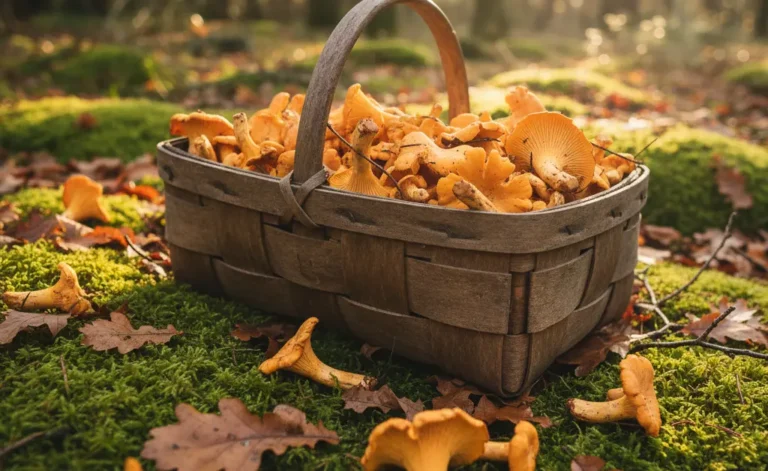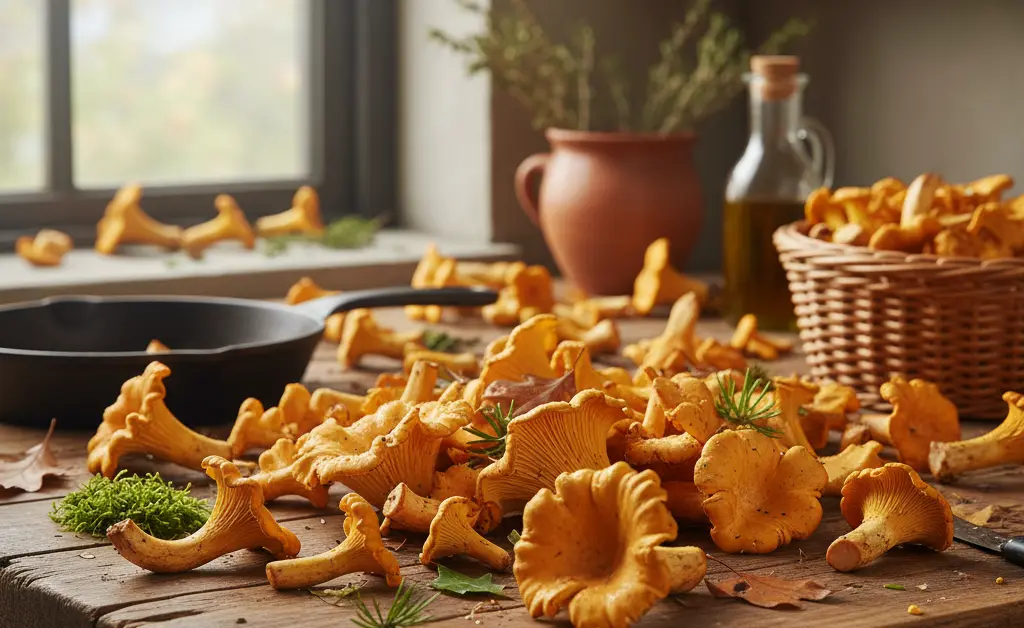
Imagine you’re in the kitchen, carefully cleaning a basket of freshly foraged chanterelle mushrooms, their vibrant color and earthy aroma filling the air. As you prepare them for a delicious meal, a thought might cross your mind: what exactly is this culinary treasure? Beyond its common name, understanding the precise classification offers a deeper appreciation for this sought-after fungus. Delving into the scientific nomenclature not only satisfies curiosity but also aids in accurate identification, especially crucial when distinguishing edible varieties from less desirable look-alikes in the wild. This exploration provides clarity on the chanterelle mushroom scientific name, ensuring you know exactly what you’re cooking or foraging.
What is the Scientific Name of the Chanterelle Mushroom?
While many people know this mushroom by its common name, its formal classification provides a universal language for mycologists, foragers, and chefs worldwide. The scientific name distinguishes it from other fungi and helps clarify its specific characteristics and relationships within the fungal kingdom. This article provides key insights into the scientific naming, but for a broader range of chanterelle mushroom facts, further resources are available.
Cantharellus cibarius: The Primary Scientific Name
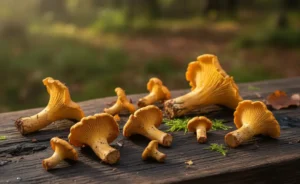
The most widely recognized scientific name for the common golden chanterelle is Cantharellus cibarius. This two-part name, or binomial nomenclature, is rooted in classical languages that describe the mushroom’s key attributes. The genus name, Cantharellus, is derived from the Greek word ‘kantharos,’ which means ‘tankard’ or ‘drinking cup,’ aptly describing the funnel or vase-like shape of the mushroom. The specific epithet, cibarius, comes from Latin and translates to ‘pertaining to food,’ directly referencing its long-standing status as a choice edible mushroom.
Cantharellus chanterelle mushroom scientific name
The genus Cantharellus encompasses all fungi that are classified as chanterelles. While Cantharellus cibarius is the most famous species, it is just one member of a large and diverse family. Therefore, when discussing the broader group, the genus name Cantharellus is the correct starting point. Understanding the complete chanterelle mushroom scientific name, including both the genus and specific epithet, is essential for pinpointing the exact species in question, as there are many variations with unique features.
Chanterelle Mushroom Scientific Name Variations
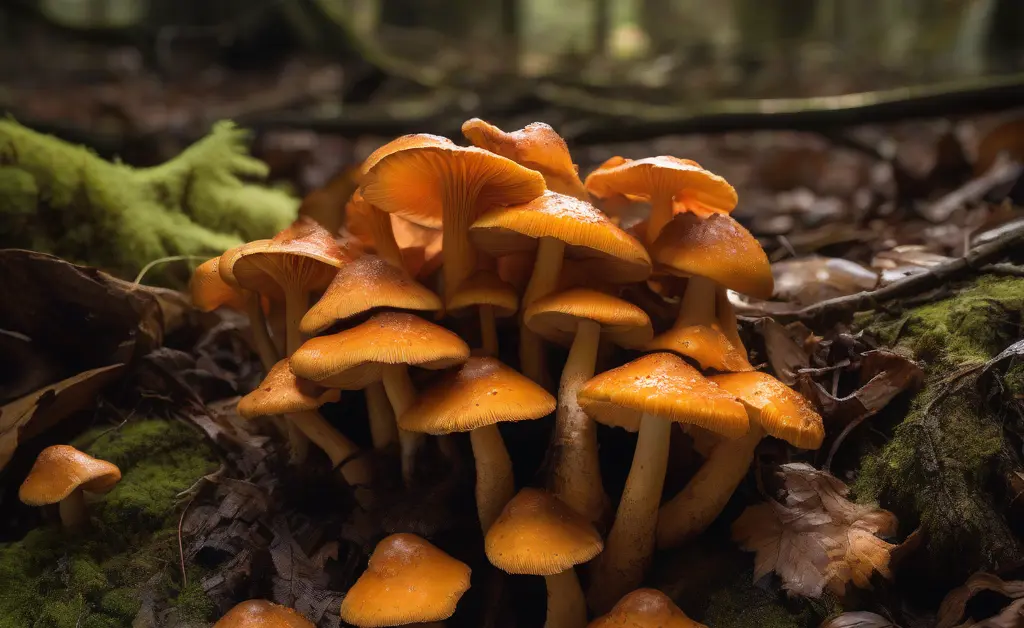
The term ‘chanterelle’ does not refer to a single species but rather a group of closely related mushrooms. Modern DNA analysis has revealed that what was once considered one species, Cantharellus cibarius, is actually a complex of many different species found across the globe. These variations often have their own unique scientific names, reflecting differences in appearance, habitat, and genetic makeup.
White chanterelle mushroom scientific name
One notable variation is the white chanterelle, scientifically known as Cantharellus subalbidus. As its name suggests, this species is distinguished by its creamy white to pale tan coloration. It shares the same desirable culinary properties as its golden cousins but has a distinct appearance. It is typically found in the Pacific Northwest of North America, often growing in association with conifers. Its specific epithet, ‘subalbidus,’ means ‘whitish,’ clearly marking its primary identifying feature.
Yellow chanterelle mushroom scientific name
The yellow chanterelle is often used as a common name for the classic Cantharellus cibarius. However, the term can also refer to other closely related yellow-hued species. For example, in eastern North America, several species previously grouped under C. cibarius have been given their own names, such as Cantharellus flavus and Cantharellus appalachiensis. These distinctions are often subtle and require careful examination of their physical traits and regional growth patterns.
Golden chanterelle scientific name
Similar to the yellow chanterelle, the ‘golden chanterelle’ is the common name most associated with Cantharellus cibarius. This name perfectly captures its brilliant, egg-yolk hue. Other species that share this golden coloration include Cantharellus lateritius, known as the smooth chanterelle because its underside is less gill-like and more wrinkled. Each chanterelle mushroom scientific name helps to differentiate these species, which is crucial for both mycological study and safe foraging.
Chanterelle Mushroom Scientific Name Identification
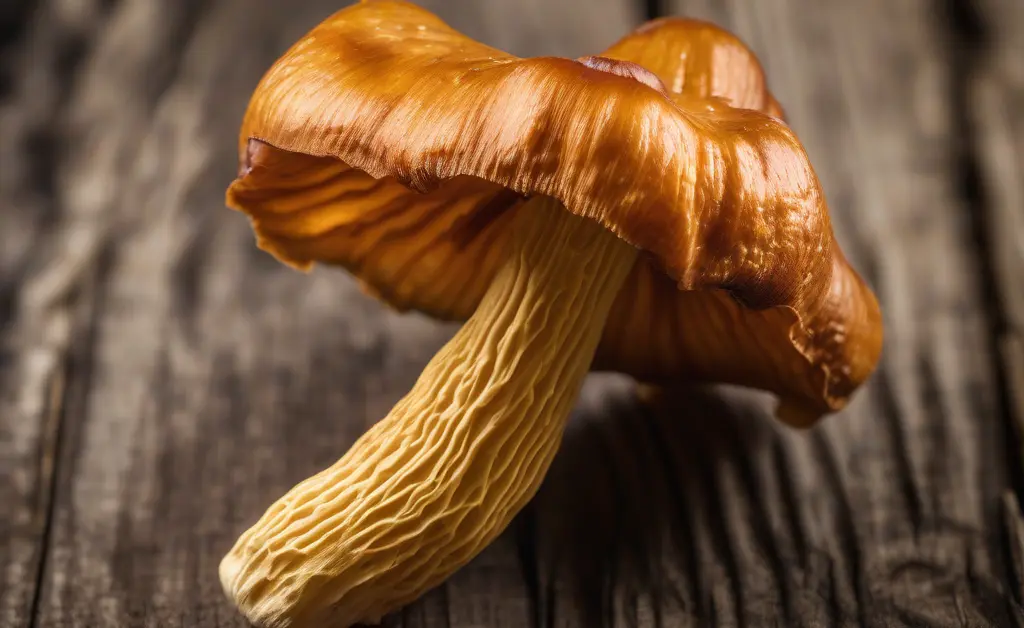
Correct identification is the most critical skill for anyone interested in chanterelle mushrooms. Relying on a scientific name is only useful if you can match it to the physical specimen in front of you. Chanterelles have several key characteristics that set them apart from other fungi, including potentially dangerous look-alikes. One of the most defining features is the presence of false gills. Unlike the true, blade-like gills of many mushrooms, chanterelles have blunt, forked ridges that run down the stem. The flesh of a true chanterelle is solid and white when cut open, and it typically has a pleasant, fruity aroma often compared to apricots. Distinguishing these features is essential for avoiding false chanterelles, such as Hygrophoropsis aurantiaca, which has true, unforked gills, and the toxic Jack-o’-lantern mushroom, Omphalotus olearius, which grows in clusters on wood and has sharp, non-forked gills. Such vigilance aligns with food safety guidelines provided by the European Food Safety Authority. Understanding these details is a fundamental part of using the chanterelle mushroom scientific name for practical identification.
Chanterelle Mushroom Scientific Name Classification
The scientific classification of the chanterelle places it within a specific framework in the vast kingdom of Fungi. This hierarchical system helps to understand its evolutionary relationships with other organisms. The classification for the genus Cantharellus is as follows:
- Kingdom: Fungi
- Phylum: Basidiomycota
- Class: Agaricomycetes
- Order: Cantharellales
- Family: Cantharellaceae
- Genus: Cantharellus
This taxonomy shows that chanterelles belong to the phylum Basidiomycota, which includes most of the fungi commonly known as mushrooms. The order Cantharellales contains other related fungi that share certain microscopic and macroscopic traits. As research evolves, particularly with advancements in DNA sequencing, the classification of species within the Cantharellus genus is constantly being refined. This dynamic process helps to clarify the complex relationships between different chanterelle species around the world, making the chanterelle mushroom scientific name an ever-more precise tool for mycologists.
In conclusion, the world of chanterelles is more complex than a single name suggests. While Cantharellus cibarius stands as the classic golden chanterelle, it represents just one branch of a large and diverse family. Exploring the different scientific names for white, yellow, and other regional varieties reveals a fascinating story of fungal diversity. Ultimately, understanding the nomenclature is not just an academic exercise; it is a vital tool for accurate identification, promoting a deeper appreciation and safer enjoyment of these celebrated edible mushrooms.
This article is written for general understanding and not for medical decision-making. The information provided should not be used as the sole basis for identifying and consuming wild mushrooms, as misidentification can lead to severe health consequences. Always consult with an experienced mycologist or a local expert before consuming any foraged fungus. Never eat a mushroom unless you are absolutely certain of its identity.
FAQ
What does ‘cibarius’ mean in the scientific name?
The specific epithet ‘cibarius’ in the chanterelle mushroom scientific name, Cantharellus cibarius, translates from Latin to mean “pertaining to food” or “edible.” This designation directly reflects its long-standing reputation as a culinary mushroom.
What is the common name for Cantharellus cibarius?
Cantharellus cibarius is widely known by its common name, the golden chanterelle. This name arises from its distinctive, bright yellow-orange coloration.
Where do chanterelle mushrooms grow?
Chanterelle mushrooms typically grow in association with tree roots in a mycorrhizal relationship. They are often found in deciduous and coniferous forests, preferring areas with mossy ground and dappled sunlight.
Are chanterelle mushrooms edible?
Chanterelle mushrooms are highly regarded as edible and are a popular choice in gourmet cooking. Their unique fruity aroma and mild peppery flavor make them a sought-after ingredient.
Is chanterelle a poisonous mushroom?
No, the true chanterelle, Cantharellus cibarius, is not considered a poisonous mushroom. It is a well-established edible species enjoyed by foragers and chefs alike.
Are all chanterelles edible?
While many chanterelle species are edible, not all members of the Cantharellus genus are. It is crucial to positively identify any wild mushroom before consumption, as some look-alikes may not be edible.