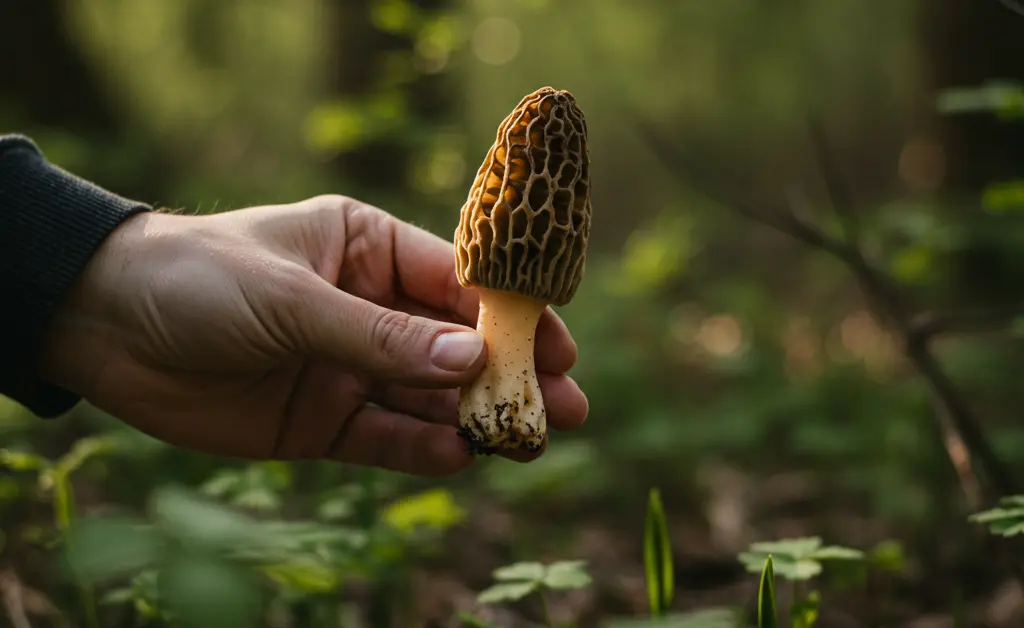
I remember my first time in the woods, the damp earth smell and the dappled sunlight through the canopy of newly leafed-out trees. I’d been told to look near elms and ash, but for the first hour, I saw nothing but last year’s leaves. Just as I was about to give up, I spotted it—a small, honeycombed cone pushing up through the duff. The thrill of that first find was electric, turning a simple walk into a treasure hunt and sparking a passion that continues every spring. Successfully navigating the learning curve of morel mushroom hunting for beginners requires patience, a keen eye, and a bit of knowledge about where to look. This guide is designed to provide that foundation, helping you experience the same excitement on your first successful foray into the woods.
Morel Mushroom Hunting for Beginners
Morel hunting is an engaging outdoor activity that combines the peacefulness of a walk in the woods with the thrill of a treasure hunt. These elusive fungi are prized by chefs and foragers for their unique, nutty flavor and meaty texture, making the reward of a successful hunt especially satisfying. For those new to foraging, morels are often considered a great starting point due to their distinctive appearance. However, success hinges on understanding the core principles of the hunt: knowing when and where to look, how to properly identify the mushrooms, and the techniques that increase your chances of finding them. This journey into foraging is about developing a new way of seeing the forest floor and learning to read the subtle clues nature provides.
When and Where to Find Morel Mushrooms
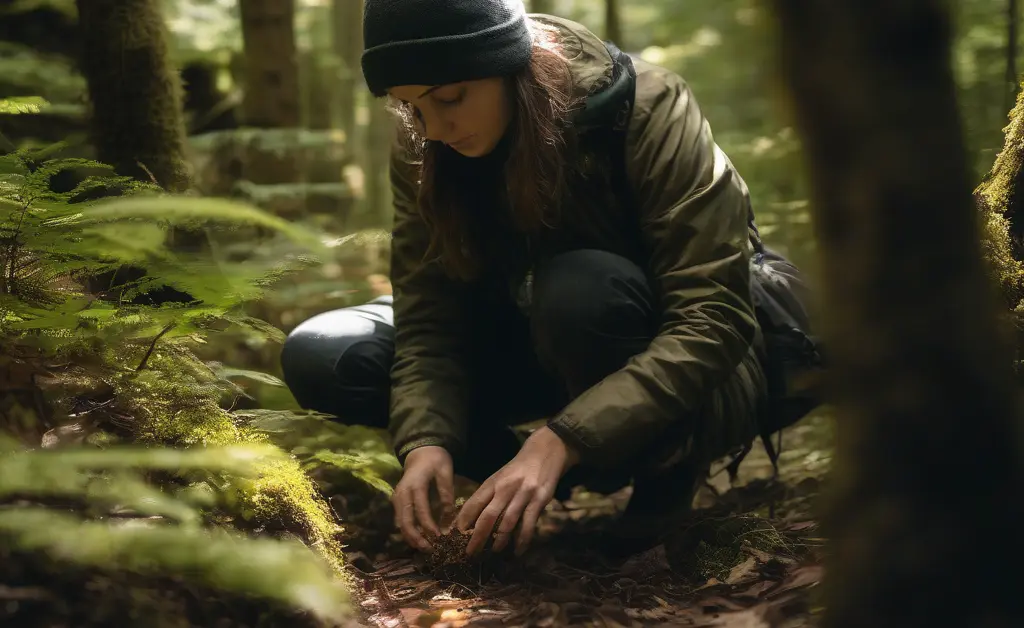
Timing and location are the two most critical factors in finding morels. These mushrooms have a fleeting season and a specific set of environmental preferences. Learning to recognize the right conditions is a fundamental skill for any aspiring forager. The excitement of the hunt truly begins when you start to connect the dots between the calendar, the weather, and the landscape around you. Mastering this aspect is a significant step forward in the rewarding journey of morel mushroom hunting for beginners.
Optimal Morel Hunting Season
The morel season is a brief but magical window in the spring. It is not dictated by specific dates but rather by ground temperature and moisture. The season typically begins when the soil warms up consistently and daytime air temperatures are mild, following spring rains. Many seasoned hunters use nature’s calendar, watching for other signs of spring’s arrival, such as the blooming of certain wildflowers or the budding of trees. The season can last anywhere from a few weeks to over a month, progressing from south to north and from lower to higher elevations as the weather warms. Learn more about morel mushroom weather.
Geographic Locations for Morels
Morel mushrooms grow across a wide swath of North America and in other temperate regions around the world. In the United States, they are particularly abundant in the Midwest, the Appalachian region, and parts of the Pacific Northwest. Different species of morels favor different regions, but the general principles of finding them hold true in most locations. They are forest dwellers, almost never found in open, grassy fields. Their widespread distribution is one reason why foraging for them has become such a popular springtime tradition in so many communities.
Ideal Morel Habitats (Trees, Soil, Conditions)
Morels form symbiotic or saprophytic relationships with specific trees, making tree identification a vital skill for hunters. They are famously associated with certain hardwoods, including ash, elm (especially dying or recently dead ones), and tulip poplar. Old, overgrown apple orchards can also be incredibly productive spots. Look for loamy, well-drained soil that holds some moisture but isn’t waterlogged. South-facing slopes often warm up first in the season, making them good early-season spots, while north-facing slopes may produce later. Disturbed ground, such as areas affected by logging, flooding, or forest fires from the previous year, can also trigger prolific morel growth.
Essential Morel Mushroom Hunting Gear
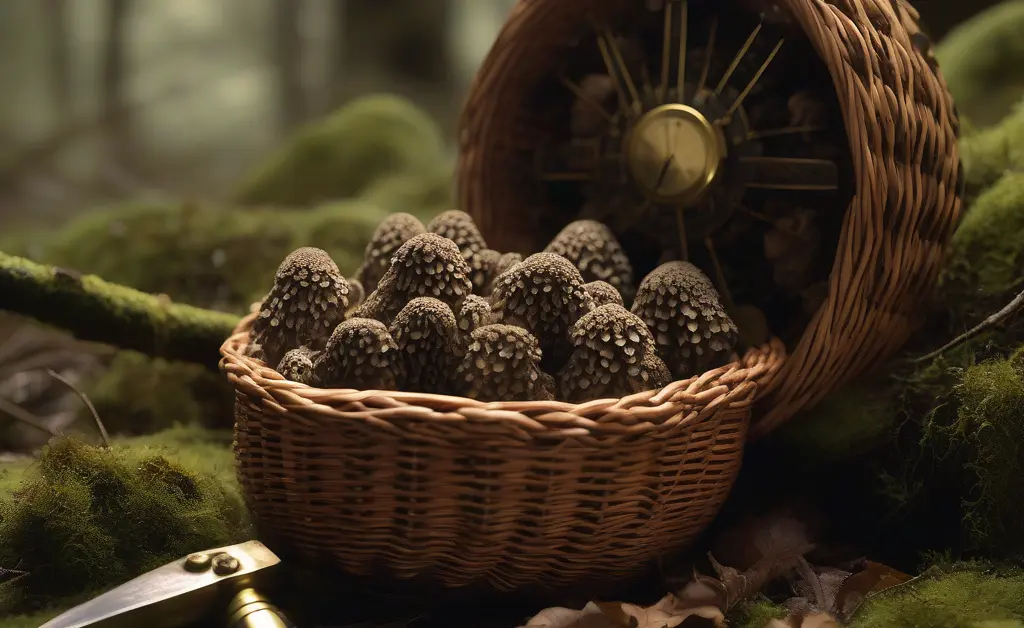
While you don’t need a lot of expensive equipment, having the right gear makes the experience safer, more comfortable, and more successful. The focus is on personal protection, proper harvesting tools that are good for the mushroom population, and basic safety equipment for any trip into the woods. Assembling a simple kit is a wise investment for anyone taking up morel mushroom hunting for beginners.
What to Wear for Morel Hunting
Dressing appropriately is key to a comfortable hunt. Long-sleeved shirts and long pants are essential to protect your skin from scratches, biting insects like ticks and mosquitoes, and contact with irritating plants such as poison ivy. Sturdy, waterproof hiking boots with good ankle support provide stability on uneven and potentially slippery terrain. A hat is useful for sun protection and for keeping bugs out of your hair. Some hunters also prefer to wear light-colored clothing to make it easier to spot ticks.
Tools for Gathering Morels
The most important tool for a morel hunter is a mesh bag. An onion bag, a purpose-made mushroom bag, or a wicker basket works perfectly. These containers allow the mushroom spores to disperse as you walk through the woods, which helps ensure future generations of morels can grow. Avoid using plastic bags, as they prevent spore dispersal and can cause the mushrooms to become slimy. A small pocketknife is useful for cleanly slicing the morel at the base of its stem. A walking stick or hiking pole can provide stability and is also helpful for gently moving aside leaves and forest debris to reveal hidden mushrooms.
Navigation and Safety Equipment
Getting lost is a real risk when your focus is on the forest floor. Always carry reliable navigation tools. A compass and a physical map are dependable backups to a GPS unit or a smartphone with offline maps downloaded. Ensure your phone is fully charged before you head out. It’s also wise to carry a small first-aid kit, plenty of water to stay hydrated, and some high-energy snacks. Letting someone know where you are going and when you plan to return is a crucial safety practice.
How to Identify Morel Mushrooms
Positive identification is the most important skill in all of mushroom foraging. While true morels have distinct features, several look-alike species exist, some of which are toxic. Learning the difference is not just for a successful hunt, but for your safety. Taking the time to master identification is a non-negotiable part of morel mushroom hunting for beginners.
Characteristics of True Morels
True morels, belonging to the genus *Morchella*, have a very distinctive appearance. Their most recognizable feature is the cap, which is covered in a network of deep pits and ridges, resembling a honeycomb or a natural sponge. The cap shape can range from conical to more rounded or oblong. Critically, the cap is fully attached to the stem from the top all the way down its edge. The most definitive feature is revealed when the mushroom is sliced in half lengthwise: a true morel is completely hollow from the tip of the cap down through the entire stem.
Distinguishing Morels from False Morels
The term “false morel” refers to several species that appear in the spring and can be confused with true morels. The primary way to tell them apart is by looking at their interior and cap attachment. Unlike the completely hollow true morel, false morels are not hollow. They may contain cottony fibers, chambers, or be mostly solid inside. Furthermore, their caps often have a brain-like, wrinkled, or folded appearance rather than the distinct pits and ridges of a true morel. The cap on many false morels hangs freely from the top of the stem, like a skirt, rather than being fully attached.
Key Features of Edible Morels
To summarize the key identifiers of edible true morels, remember these two rules. First, the mushroom must be completely hollow inside, from the very top of the cap to the bottom of the stem. There should be no fibrous material or solid parts within. Second, the bottom edge of the cap must be fused directly to the white or cream-colored stem. If the cap hangs loose around the stem, it is not a true morel.
Common False Morel Look-alikes
Two common groups of false morels are the *Gyromitra* species and the *Verpa* species. *Gyromitra* mushrooms are often called “brain mushrooms” or “beefsteaks” due to their reddish-brown, convoluted caps that look more like a brain than a sponge. When cut open, they are chambered or filled with a wispy substance. *Verpa* mushrooms, or “thimble caps,” are more deceptive because they have a wrinkled cap. However, their key giveaway is that the cap attaches only at the very apex of the stem, allowing you to easily lift the cap’s skirt away from the stalk. Both of these should be avoided by beginners.
Importance of Positive Identification
There is no room for error in mushroom identification. The golden rule of foraging is: “When in doubt, throw it out.” Consuming a misidentified mushroom can lead to severe illness. Never eat a wild mushroom unless you are 100% certain of its identity. It is highly recommended that beginners consult with experienced local foragers or use multiple reliable field guides to confirm their finds before ever considering consumption. For comprehensive information on mushroom identification and safety, consult resources like NIH.
Best Morel Mushroom Hunting Techniques
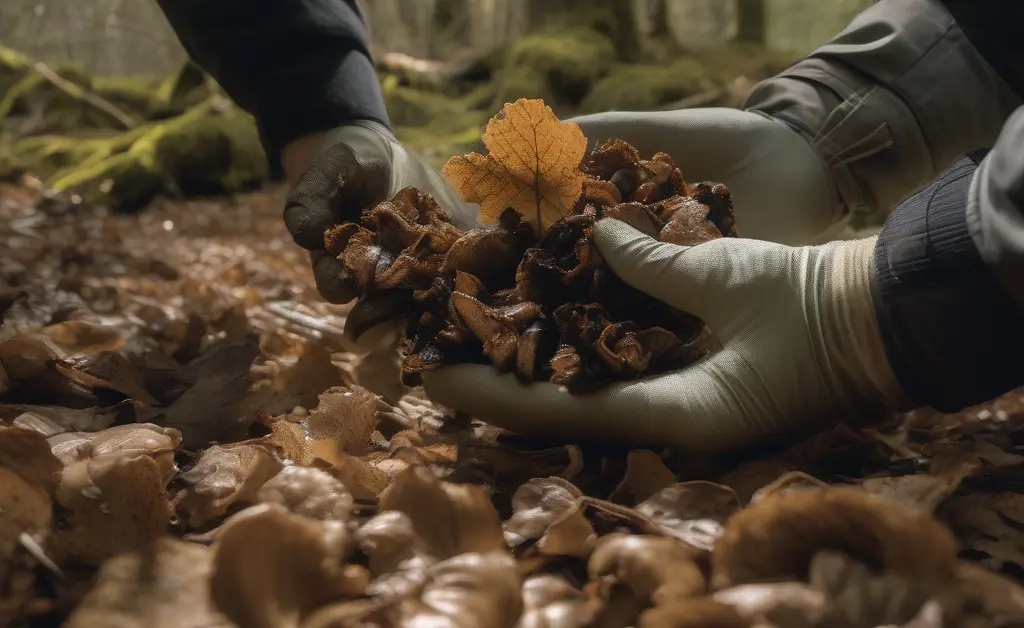
Finding morels consistently is a skill that develops with practice. It involves training your eyes to spot their unique pattern and learning how to move through the forest methodically. These techniques will help you transition from hopeful wandering to strategic searching, which is the essence of effective morel mushroom hunting for beginners.
Scanning Techniques for Morels
Morels are masters of camouflage, blending in perfectly with the leaf litter on the forest floor. The key to spotting them is to slow down and train your eyes to look for patterns, not just colors. Instead of scanning broadly while walking, stop every few feet and carefully survey the area around you from different angles. Squatting down to look across the ground, rather than just down at it, can often reveal the distinct conical shape of a morel popping up through the leaves. Once you find one, stop and search the immediate area very carefully, as morels often grow in groups. Learning the fastest way to find morel mushrooms can greatly enhance your success.
Working Terrain Effectively
To cover an area thoroughly, it helps to have a system. On hillsides, many hunters use a zigzag pattern, walking back and forth as they move across the slope. In flatter areas, a grid search can be effective. Pay close attention to transition zones, such as the edge of a wooded area, the borders of clearings, or where one type of tree gives way to another. These “edge habitats” are often productive. Remember your path so you can cover new ground without accidentally retracing your steps.
Using Clues to Locate Morels (e.g., dying trees, ash trees)
Successful hunters are detectives, constantly looking for environmental clues. Learning to identify key tree species is paramount. Seek out areas with a high concentration of mature ash, tulip poplar, and especially elm trees that are in a state of decline. The symbiotic relationship between morels and the root systems of these dying trees is well-documented. Look for trees with peeling bark or dead upper branches. These are prime indicators that the conditions might be right for a flush of morels at their base.
Ethical Foraging and Safety Tips
Responsible foraging is about ensuring the long-term health of the mushroom population and the forest ecosystem. It also involves taking necessary precautions to ensure your own safety while in the woods. Following ethical guidelines and safety protocols is a sign of a respectful and knowledgeable forager.
Sustainable Harvesting Practices
To forage sustainably, always use a mesh bag or basket to allow spores to be released back into the environment. When you find a morel, use a knife to cut it at the base of the stem. This leaves the underground mycelial network—the organism’s main body—undisturbed and able to produce more mushrooms in the future. Avoid pulling the mushroom out of the ground. Additionally, practice moderation. Never harvest every single mushroom in a patch; leaving some behind ensures they can mature and release spores for next year’s crop.
What to Avoid When Hunting Morels
Be mindful of where you are foraging. Avoid areas that could be contaminated with harmful substances. This includes the sides of busy roads, which can have runoff from vehicle exhaust and chemicals, as well as railroad tracks, industrial areas, or agricultural fields that may have been treated with pesticides or herbicides. Only collect fresh, firm mushrooms. Avoid any that are old, mushy, discolored, or show signs of insect infestation.
Staying Safe in the Woods
Beyond navigation, personal safety in the woods involves being aware of your surroundings. Be alert for wildlife and know how to react. Carry and know how to use bug spray to protect against ticks, which can carry diseases. Familiarize yourself with the appearance of poisonous plants common to your area, like poison ivy, oak, and sumac. Always inform someone of your intended location and estimated time of return before you leave for your hunt.
What to Do After You Find Morels
The journey doesn’t end when you spot the mushroom. Properly handling, cleaning, and storing your harvest is crucial to enjoying its culinary delights safely. After a successful day in the woods, taking the right steps back in the kitchen ensures your treasure is treated with the care it deserves.
First, clean your morels. They are full of nooks and crannies where dirt, debris, and tiny insects can hide. Many foragers prefer to use a soft brush, like a mushroom brush or a paintbrush, to gently whisk away debris. Some use cans of compressed air for a water-free cleaning. If they are particularly dirty, a very quick rinse under cool water can be used, but avoid soaking them as they will absorb water like a sponge. It is a very good practice to slice each morel in half lengthwise to inspect the hollow interior for any hidden insects or dirt. Consider carrying a specialized morel mushroom knife for easier cleaning.
For storing fresh morels, breathability is key. Place them in a paper bag or a bowl covered with a damp paper towel in the refrigerator. Stored this way, they can last for several days. Do not store them in a sealed plastic bag or airtight container, as this will trap moisture and cause them to spoil quickly.
Finally, and most importantly, morel mushrooms must always be cooked thoroughly before eating. They contain compounds that can cause stomach upset if consumed raw. Cooking breaks these compounds down and makes them safe and delicious. Sautéing them in butter with a little garlic and salt is a classic preparation that lets their unique, earthy flavor shine.
The path to becoming a proficient morel hunter is a rewarding one, filled with learning, patience, and the unique satisfaction of finding your own food. It transforms a simple walk in the woods into an engaging quest. By mastering identification, understanding their habitat, and practicing ethical harvesting, you are not only setting yourself up for success but also becoming a steward of the forest. The thrill of spotting that first honeycombed cap is an unforgettable experience that will likely have you eagerly awaiting the arrival of spring each year.
This content is for informational use and should not be considered medical instruction. The practice of foraging for wild mushrooms requires absolute certainty in identification, as misidentification can lead to serious or fatal poisoning. Always consult multiple credible field guides, and ideally, learn from an experienced local expert before consuming any wild mushroom. When in doubt about a mushroom’s identity, do not consume it. The information provided here is not a substitute for expert guidance.
FAQ
When is the best time to hunt for morel mushrooms?
Morel mushroom hunting for beginners is most successful in the spring, typically when the weather transitions from cold to warm. This is often signaled by soil temperatures warming up and certain plants beginning to bloom, creating the ideal conditions for morels to fruit. The exact timing can vary depending on your geographic location and the specific climate patterns of the year.
What kind of trees do morel mushrooms grow near?
Morel mushrooms are known to associate with a variety of deciduous trees, showing a preference for those in moist, well-drained soil. Commonly found near ash, elm, and oak trees, they also grow near disturbed areas like old burn sites or logging areas. Their presence is often linked to specific soil conditions and the presence of certain host trees.
How can you tell if a morel mushroom is real?
True morels have a distinctive honeycomb-like appearance on their cap, with deep pits and ridges that are continuous with the stem. The cap is typically attached directly to the stem or has a very short, fused stem. In contrast, false morels often have a convoluted or brain-like cap and are not truly hollow inside.
What gear do you need for morel mushroom hunting?
Essential gear for foraging includes a mesh bag to allow spores to disperse as you walk, a good knife for harvesting, and comfortable, sturdy footwear for navigating varied terrain. A field guide for mushroom identification is also highly recommended, along with a compass or GPS for navigation and insect repellent. Layers of clothing are wise to adapt to changing spring weather.
Are there any poisonous mushrooms that look like morels?
Yes, there are certain species, commonly referred to as false morels, that can be mistaken for true morels and are toxic. These impostors, such as the false morel (Gyromitra esculenta), often have a brain-like or lobed cap and may not be completely hollow. It is crucial to be absolutely certain of a mushroom’s identification before considering it for consumption.