
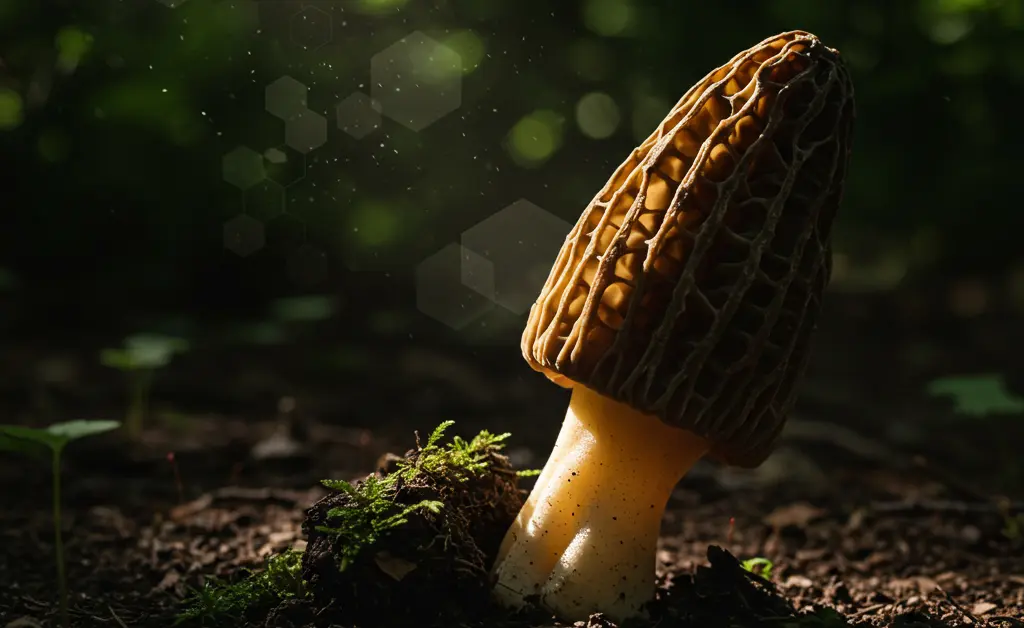
A renewed interest in foraging and farm-to-table cooking has brought unique natural ingredients into the spotlight, with the distinctive morel mushroom leading the charge. This fascination isn’t limited to culinary circles; it has also found a home in the imaginative realms of popular media. Exploring the Morel Mushroom in Games and Fiction reveals how this real-world treasure is reimagined as a valuable resource, a narrative device, or a symbol of the wild. Its presence, from board games celebrating the hunt to video game survival quests, speaks to its unique cultural cachet. We will examine its various portrayals across these platforms, uncovering how creators translate the allure of this prized fungus into compelling interactive and narrative experiences for audiences.
Morels Board Game
The cultural fascination with morel mushrooms has been perfectly captured in the world of tabletop gaming. The translation of the quiet, patient hunt for this elusive fungus into a competitive and strategic format offers a unique experience for players, blending the themes of nature and resource management.
Notable Games Featuring Morels
The most prominent example is the aptly named board game “Morels,” a two-player card game designed by Brent Povis. This game is celebrated for distilling the essence of a walk through the woods in search of mushrooms. Players compete to gather various types of mushrooms, with the morel being one of the most valuable. Its elegant design and thematic depth have made it a beloved title within the board gaming community, especially among those who enjoy nature-themed games. Find more about the morel mushroom in our comprehensive guide.
Gameplay Mechanics Involving Morels
In “Morels,” gameplay directly simulates the act of foraging. Players draw cards from a central “forest” row, representing their walk. They collect sets of matching mushrooms, which can then be “cooked” for points. Morels are special; they are rare and can be collected individually rather than in sets, reflecting their prized status in the real world. The game also includes mechanics like baskets to hold more cards and cider to trade for valuable cards, adding layers of strategy to the simulated hunt.
Player Discussions and Community Mentions
The community response to “Morels” has been overwhelmingly positive, with players often praising its calm, strategic gameplay and beautiful artwork. On forums and social media, it’s common to see players share their love for the game, sometimes posting photos of it being played outdoors or alongside a successful real-life forage. These discussions highlight how the game resonates with both seasoned gamers and nature enthusiasts, successfully bringing a piece of the **Morel Mushroom in Games and Fiction** theme to the kitchen table.
Morel Mushrooms in Video Games
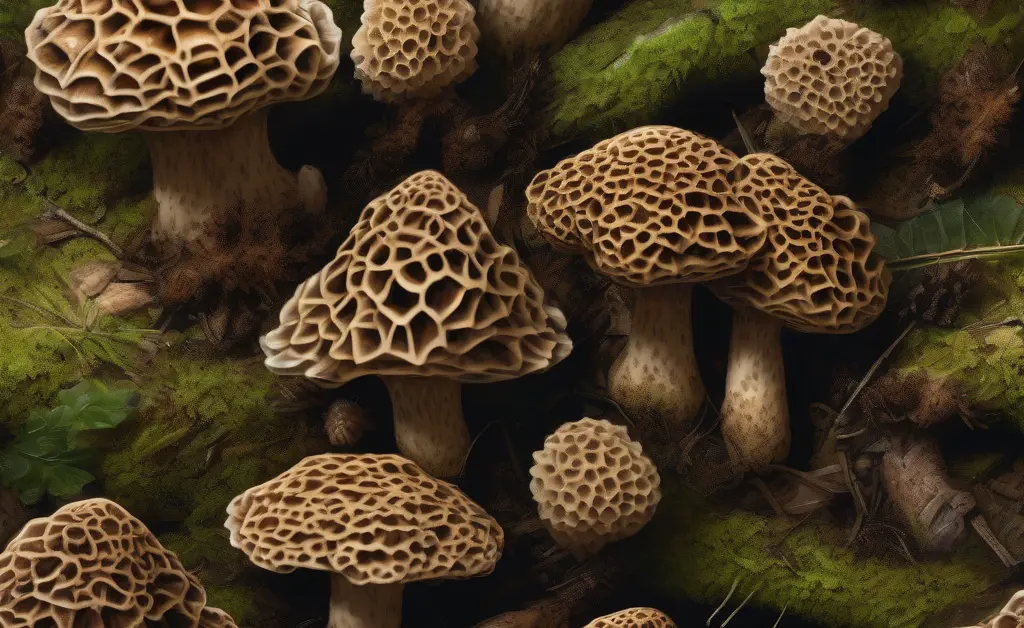
Video games, particularly in the survival, role-playing, and life-simulation genres, frequently incorporate foraging as a core mechanic. In these digital worlds, morel mushrooms often appear as a valuable and recognizable resource. Players might find them in forested areas of games like *Stardew Valley* or *The Long Dark*, where they can be collected to restore health, fulfill quests, or be sold for a high price. Their inclusion adds a layer of realism and depth to the game’s world, rewarding players who take the time to explore their surroundings. The representation of the **Morel Mushroom in Games and Fiction** in these interactive environments often mirrors its real-world reputation as a prized, seasonal find. In Stardew Valley, finding these mushrooms is a key part of the foraging experience, you can learn more about the morel mushroom in Stardew Valley.
Literary Works with Morel References
This same symbolic weight is evident in literature, where the morel mushroom often serves as more than just a culinary ingredient. In nature writing, authors use the hunt for morels to explore themes of patience, connection to the land, and the changing of the seasons. In fiction, a character’s ability to find morels can signify their resourcefulness or deep-seated knowledge of the natural world. The discovery of a morel patch can become a pivotal scene, representing a moment of quiet triumph, a shared secret between characters, or a brief respite from a story’s central conflict.
Morels in Cinematic Appearances
On screen, morels act as a powerful visual shorthand. A chef in a film delicately placing morels on a plate immediately conveys a sense of culinary excellence and luxury. In contrast, a scene of characters foraging for them in a forest can establish a rustic, self-sufficient setting or a return to a simpler way of life. Their distinctive, honeycomb-like appearance makes them instantly recognizable, allowing filmmakers to use them to quickly set a scene’s tone and context without needing extensive dialogue.
Authorial Intent and Fictional Portrayals
Ultimately, the inclusion of morels across these different media speaks to their rich cultural symbolism. Authors and creators use them to evoke feelings of discovery, rarity, and a connection to the wild. Whether as a high-scoring card in a board game, a valuable item in a video game, or a narrative device in a novel, the morel represents a treasure waiting to be found. Its portrayal is a testament to how a simple element from the natural world can be imbued with significant meaning in our fictional stories. The “Fields of Mistria” features unique morel mushrooms. Learn about the morel mushroom in Fields of Mistria.
Morel Mushrooms in Literature and Film
The presence of morels in literature and film often taps into a deeper collective appreciation for wild, seasonal treasures. Unlike more common ingredients, their appearance signals a specific time and place, grounding a narrative in the rhythms of nature. Writers and directors leverage this to build atmosphere, develop characters, and create memorable sensory details for the audience. The exploration of the **Morel Mushroom in Games and Fiction** is incomplete without acknowledging how these more traditional storytelling forms have solidified its status as a cultural icon, representing everything from rustic charm to gourmet sophistication.
Culinary Delights and Their Fictional Representation
The foundation of the morel’s fictional power is its real-world culinary reputation. Because it is known to be delicious, rare, and difficult to cultivate, its appearance in a story carries immediate weight. A meal featuring morels is never just a meal; it is an event. It can signify a celebration, an act of love, or a display of wealth or skill. This fictional representation reinforces the morel’s status as an aspirational food, a natural luxury that connects characters—and by extension, the audience—to the exquisite flavors of the wild.
The safe consumption of wild mushrooms is paramount. Always consult reliable sources for identification. For more information on mushroom safety and regulations, you can refer to the FDA.
FAQ
What video games feature morel mushrooms?
Morel mushrooms appear in several video games, often as collectible items or crafting ingredients. Their inclusion can add a touch of realism to virtual environments, enriching the player’s experience. Sometimes, their rarity in the game mirrors their real-world elusiveness.
Are there any books or movies that mention morel mushrooms?
Yes, morel mushrooms are mentioned in various books and movies, particularly those focusing on nature, foraging, or rural life. These mentions often serve to evoke a sense of season, place, or a particular culinary experience. The Morel Mushroom in Games and Fiction is a niche but growing area of interest.
How are morel mushrooms depicted in fictional works?
In fictional works, morels are typically portrayed as highly prized, elusive delicacies sought after by characters with an interest in nature or gourmet food. Their appearance often signifies spring, a successful hunt, or a moment of connection with the natural world. Their unique honeycomb appearance also lends itself to visual descriptions.
What is the meaning of morel mushrooms in stories or games?
Morel mushrooms often symbolize rarity, reward, and the bounty of nature in stories and games. They can represent a successful quest, a moment of ephemeral beauty, or the simple pleasures of foraging. Their presence can add depth to a narrative by highlighting themes of patience and discovery.