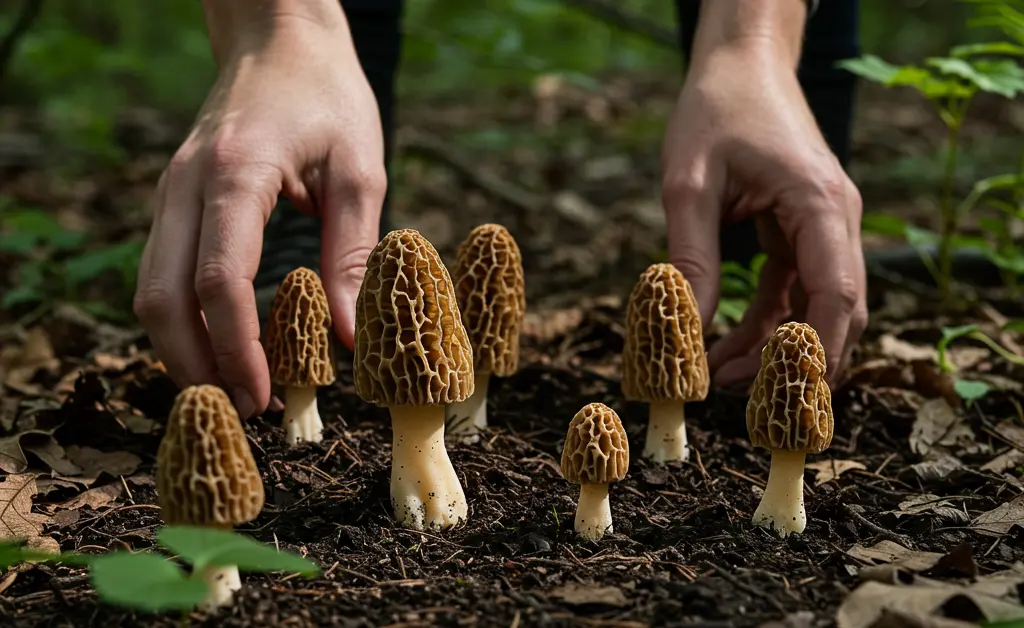
Have you ever wondered what makes a patch of woods the perfect place for morels to pop up? Foraging for these elusive fungi is a rewarding challenge, but success often hinges on recognizing specific environmental cues. Factors like tree types, soil conditions, and recent ground disturbances all play a critical role in their development. Understanding the complex interplay of these elements is key to locating a productive Morel Mushroom Habitat. This guide explores the science behind where morels thrive, from their symbiotic relationships with trees to the ideal moisture and temperature levels. By learning to read these signs in the landscape, you can significantly improve your chances of a successful hunt.
Understanding Morel Mushroom Habitat
The appearance of morel mushrooms is not a random event; it is the culmination of specific environmental factors coming into alignment. The underground portion of the fungus, a vast network of mycelium, can lay dormant for years. It requires a precise combination of soil temperature, moisture, and nutritional triggers to produce the fruiting bodies we recognize as morels. Understanding these underlying conditions is the first step for any aspiring forager looking to move beyond luck and into the realm of informed searching.
Mycorrhizal Associations and Morel Fruiting
Morels are known to form complex relationships with the root systems of certain trees. This symbiotic connection, known as a mycorrhizal association, involves the fungal mycelium exchanging soil nutrients and water with the tree for sugars produced during photosynthesis. However, the exact nature of this relationship is still debated among mycologists. Some believe morels are purely symbiotic, while others suggest they can be saprophytic, feeding on dead organic matter. Often, morel fruiting seems to be triggered by stress or the death of their host tree, suggesting the fungus switches its strategy to reproduce when its primary food source is threatened. This is why areas with dying elm or ash trees can be particularly productive.
Soil Temperature and Moisture
Soil temperature is a critical trigger for morel growth. They typically begin to fruit after the ground has sufficiently thawed from winter freezes but before the full heat of summer arrives. The ideal temperature prompts the mycelial network to begin the fruiting process. Equally important is moisture. Consistent moisture from spring rains or melting snow is necessary to hydrate the soil and support the development of the mushrooms. A dry spring can significantly reduce or delay the morel season, while overly saturated, waterlogged soil can also be detrimental. The perfect condition is moist, well-drained soil that remains damp but not flooded. Foraging for these elusive fungi is a rewarding challenge, but success often hinges on recognizing specific environmental cues for a morel mushroom.
Sunlight Exposure and Aspect
The amount of sunlight an area receives directly impacts soil temperature. The aspect, or the direction a slope faces, plays a significant role in this. In the Northern Hemisphere, south-facing slopes receive more direct sunlight earlier in the day and warm up faster in the spring. Consequently, these areas are often where the first morels of the season can be found. As the season progresses and ambient temperatures rise, foragers often find more success on east-facing and eventually north-facing slopes, which remain cooler and retain moisture for longer. Dappled sunlight that filters through a budding forest canopy seems to create the ideal balance of warmth and protection from drying out.
Elevation and Geography
Elevation and broader geography dictate the timing of the morel season. As a general rule, the season starts earlier at lower elevations and gradually moves to higher ground as the weather warms. A difference of a few hundred feet in elevation can equate to a delay of a week or more in fruiting. Geographically, the morel season progresses across the country, typically starting in southern regions and advancing northward as spring conditions spread. Understanding these regional variations in seasonality is key to timing your foraging expeditions for peak productivity.
Identifying Morel Habitat
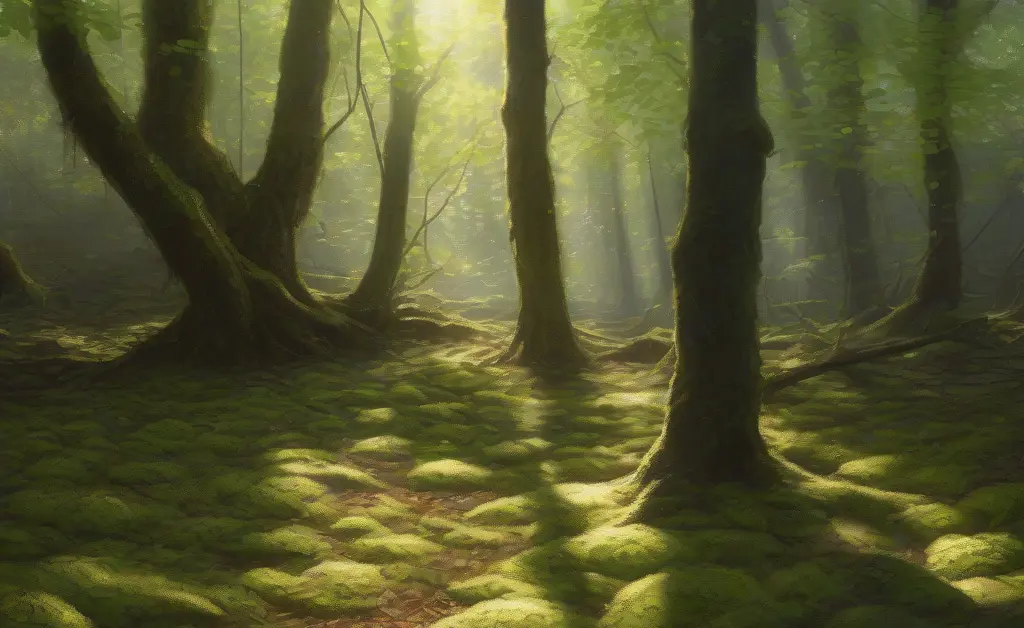
Recognizing the key features of a productive morel hunting ground is a skill developed through observation and experience. It involves learning to see the forest not just as a collection of trees, but as a complex ecosystem with specific indicators that signal the potential presence of these prized fungi.
Associated Tree Species
One of the most reliable indicators of a potential Morel Mushroom Habitat is the presence of specific tree species. Morels have well-known associations with several types of trees. Dead and dying American elms are famous for producing large flushes of morels. Ash, tulip poplar, and old apple orchards are also classic hunting grounds. Sycamore and cottonwood trees, especially those growing in moist, sandy soil near riverbeds, are also excellent indicators. Learning to identify these key trees, both living and dead, is perhaps the single most important skill for a morel hunter to develop.
Disturbed Ground and Burn Sites
Morels have a peculiar affinity for disturbed ground. Areas that have been recently logged, cleared, or even moderately disrupted by machinery can often produce surprising quantities of morels in the following year or two. The exact reason is unknown, but theories suggest the disturbance may damage competing fungi or trigger a stress response in the morel mycelium, prompting it to fruit. Similarly, forest fire sites, often called “burn sites,” are legendary for producing massive flushes of “burn morels” the spring after a fire. The fire clears ground cover, deposits nutrient-rich ash, and may stimulate the dormant mycelium in the soil.
Near Water Sources
Areas near water sources like creeks, rivers, and streams are often prime locations for morels. These riparian zones tend to have higher and more consistent soil moisture, which is crucial for mushroom development. The soil in these areas is often loamy or sandy, providing the good drainage that morels prefer. Furthermore, many of the associated tree species, such as sycamores and cottonwoods, thrive in these environments, creating a perfect convergence of favorable conditions for morel growth. Reliable information on mushroom foraging can be found through resources like NIH.
Morel Mushroom Habitat: Best Times and Locations
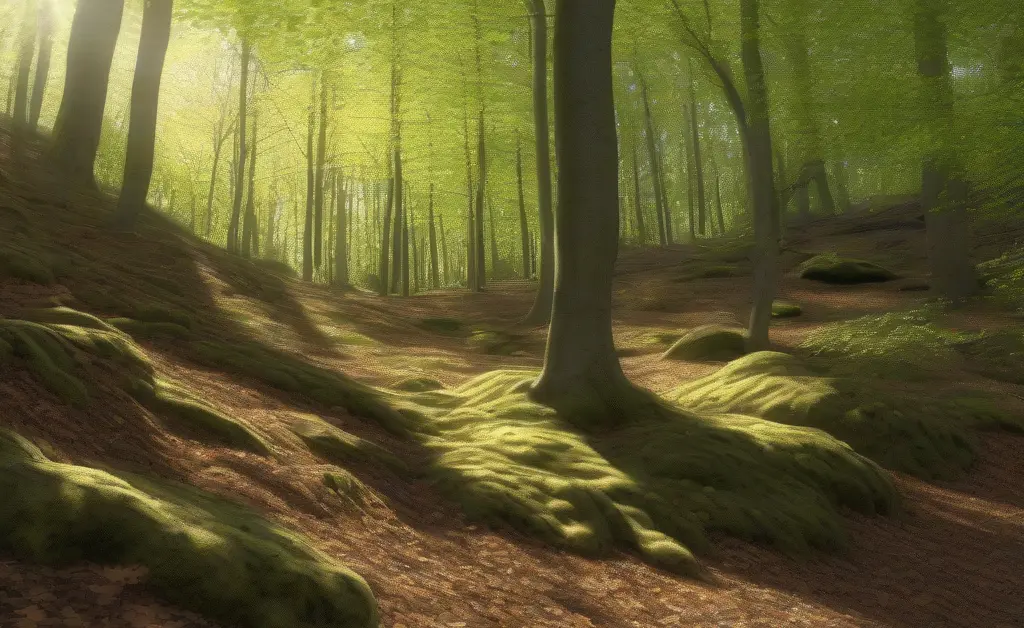
Pinpointing the absolute best time and location to hunt for morels involves synthesizing all the environmental factors. The season begins when soil temperatures consistently reach a certain warmth and spring rains have provided adequate moisture. This typically starts on sun-exposed, south-facing slopes at lower elevations. Early in the season, foragers should focus on these areas, paying close attention to the ground around associated trees like elms and tulip poplars. As the season progresses and daytime temperatures rise, the hunt should shift to cooler, more shaded areas. North-facing slopes and dense woods that retain moisture longer become more productive. The ideal location is a dynamic target, changing weekly based on weather patterns, elevation, and the progression of spring. A successful forager learns to adapt, following the signs from the early season hotspots to the later, cooler refuges where the last morels of the year can be found within an ideal Morel Mushroom Habitat.
Good Morel Habitat Vs. Bad Morel Habitat
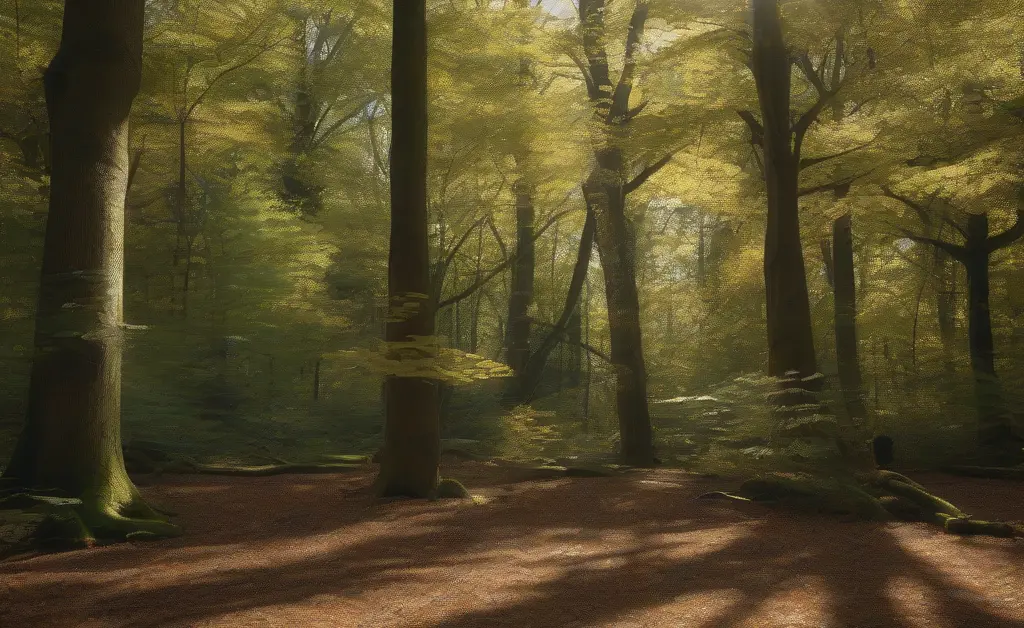
Distinguishing between promising and poor environments is crucial for efficient foraging. A good Morel Mushroom Habitat typically features a mix of the right elements. Look for forests with a healthy population of associated trees, particularly a mix of living, dying, and mature specimens. The ground should be covered in leaf litter but not an impenetrably thick mat. You want to see signs of moisture in the soil, but it should be well-drained, not swampy or marshy. Dappled sunlight filtering through a partially open canopy is often better than deep, dark shade or a completely open field.
Conversely, a bad habitat is often easy to spot. Dense coniferous forests dominated by pines or firs are generally unproductive for the common morel species. Areas with very dry, sandy soil or hard, compacted clay are unlikely to support the necessary mycelial network. Land that is constantly waterlogged, like a swamp, is also poor ground. By learning to quickly assess these characteristics, you can avoid wasting time in unproductive areas and focus your energy on the woods that hold the most promise.
Ultimately, a successful morel hunt is a lesson in ecology. It requires patience and a keen eye for the subtle interplay between soil, trees, moisture, and sunlight. By understanding the signs of a thriving Morel Mushroom Habitat, you transform a walk in the woods into a calculated search, dramatically increasing your chances of bringing home a basket of these delicious wild fungi.
While this article discusses health-related topics, it does not provide medical guidance. The information provided is for educational and informational purposes only and should not be considered a substitute for professional advice. The consumption of wild mushrooms carries inherent risks, and proper identification by a qualified expert is essential to ensure safety. Always exercise extreme caution and consult with a local mycological expert before consuming any wild fungus.
FAQ
Where do morel mushrooms grow?
Morel mushrooms are found in diverse environments, often appearing in disturbed areas like recently cleared forests, orchards, and even old garden sites. They are particularly prevalent in temperate climates across North America, Europe, and Asia. Their presence is often tied to specific ecological conditions that create a favorable environment for their fruiting bodies.
What kind of soil do morel mushrooms prefer?
Morel mushrooms thrive in well-drained soil that is rich in organic matter. They often favor alkaline or neutral soil pH, which supports the health of the fungal network. This type of soil provides essential nutrients and moisture retention necessary for mycelial growth and the subsequent development of morels.
What trees do morel mushrooms grow under?
Morel mushrooms are frequently found growing under certain hardwood species, with a notable association with ash, elm, and apple trees. They also show a preference for areas with decaying wood and leaf litter, which contributes to the nutrient cycling essential for their life cycle. The Morel Mushroom Habitat often includes these specific tree types as indicators.