
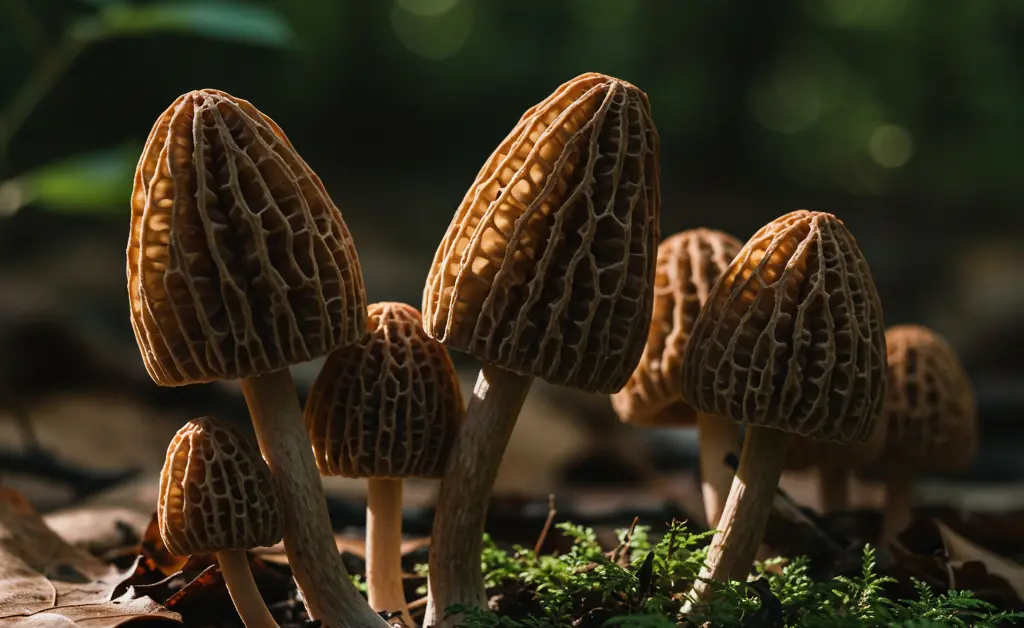
Foragers and chefs prize the morel for its distinctive honeycomb cap and rich, nutty flavor, making it a celebrated sign of spring in many parts of the world. Beyond its culinary appeal, however, lies a complex world of taxonomy that is vital for safe foraging. Identifying true morels from potentially harmful look-alikes is a critical skill, and this is where knowing the official Morel mushroom scientific name becomes essential. This classification provides a universal reference that cuts through the confusion of regional nicknames and common monikers. Delving into the genus Morchella reveals the fascinating diversity within this group and helps clarify the specific species you might encounter in the wild.
Morel mushroom scientific name genus and species
Understanding the scientific naming system is the first step in appreciating the diversity of morel mushrooms. This system, known as binomial nomenclature, assigns a two-part name to every organism, which helps to avoid the confusion caused by regional common names like “sponge mushroom,” “pine cone mushroom,” or “hickory chicken.” This universal language is critical for botanists, mycologists, and foragers alike. For comprehensive morel mushroom identification, understanding these scientific names is crucial.
What is the scientific name for a morel mushroom?
There is no single scientific name for “a” morel mushroom because “morel” refers to an entire group, or genus, of fungi. The proper scientific designation for any true morel begins with its genus name, which is Morchella. This is then followed by a specific epithet that identifies the particular species. For example, the common yellow morel is Morchella esculenta. Therefore, when someone asks for the scientific name, they are typically referring to a specific species within the Morchella genus.
The Genus Morchella
The genus Morchella is the defining taxonomic rank for all true morels. Every fungus classified within this group shares core characteristics, most notably a hollow interior and a distinctive cap featuring a network of pits and ridges, resembling a honeycomb. The cap is fused to the stipe, or stem, without a significant skirt or free-hanging edge, a key feature that helps distinguish them from potentially toxic “false morels.” Research into the Morel mushroom scientific name continues to evolve as DNA analysis reveals new species and refines our understanding of the relationships within this fascinating genus. It is important to be aware of the differences, for instance, in a morel mushroom vs false morel comparison.
Scientific Classification of Morels
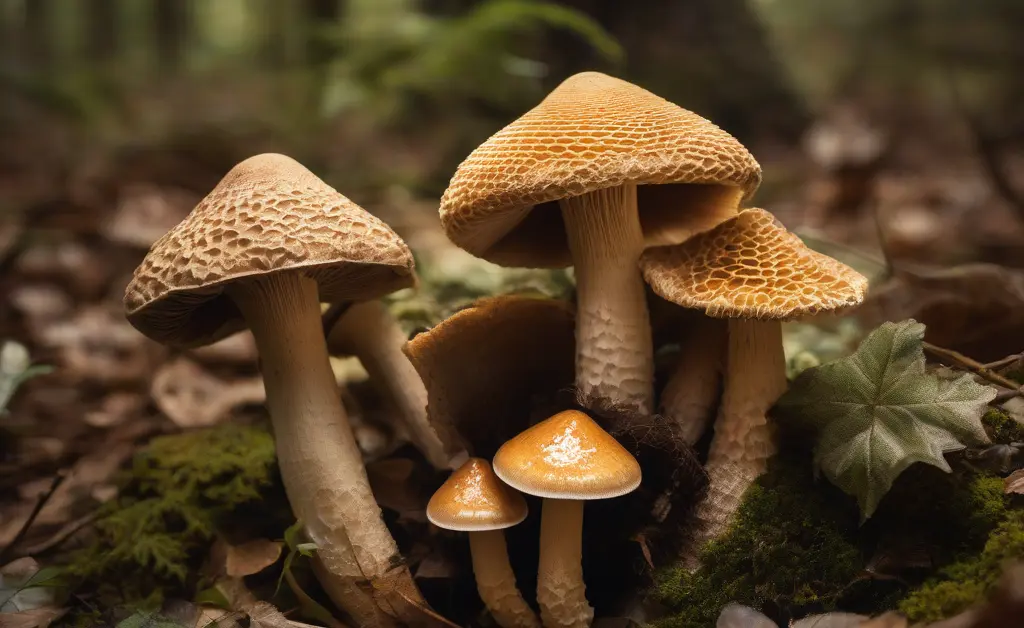
To fully grasp the identity of morels, it is helpful to look at their complete scientific classification. This hierarchical system places the Morchella genus within a broader biological context, showing its relationship to other fungi. Understanding this framework highlights why scientific names matter for accurate identification and study. There are many morel mushroom types to discover.
- Kingdom: Fungi – This broad category includes organisms like mushrooms, yeasts, and molds that obtain nutrients by absorbing them from their environment.
- Phylum: Ascomycota – Also known as sac fungi, members of this phylum produce their spores in a special type of microscopic sac called an ascus. Morels are a classic example of an ascomycete.
- Class: Pezizomycetes – This class within Ascomycota includes fungi that typically form a cup-shaped fruiting body.
- Order: Pezizales – This is a large order of fungi within the Pezizomycetes class.
- Family: Morchellaceae – This family contains several genera of fungi, with Morchella being the most famous. Other related genera include Verpa and Disciotis.
Morchella
At the heart of the classification is the genus Morchella itself. This group is what all true morels belong to. While common names can vary dramatically from one region to another, the genus name Morchella is a constant, universally recognized term. For decades, mycologists relied on physical characteristics to differentiate species, but modern genetic studies have shown that many visually similar morels are, in fact, distinct species. This has led to a significant revision of the genus and reinforces the importance of a precise Morel mushroom scientific name for accurate research. Understanding the different species can be complex; consult a morel mushrooms 2026 species guide for more details.
Common Morel Species and Their Names
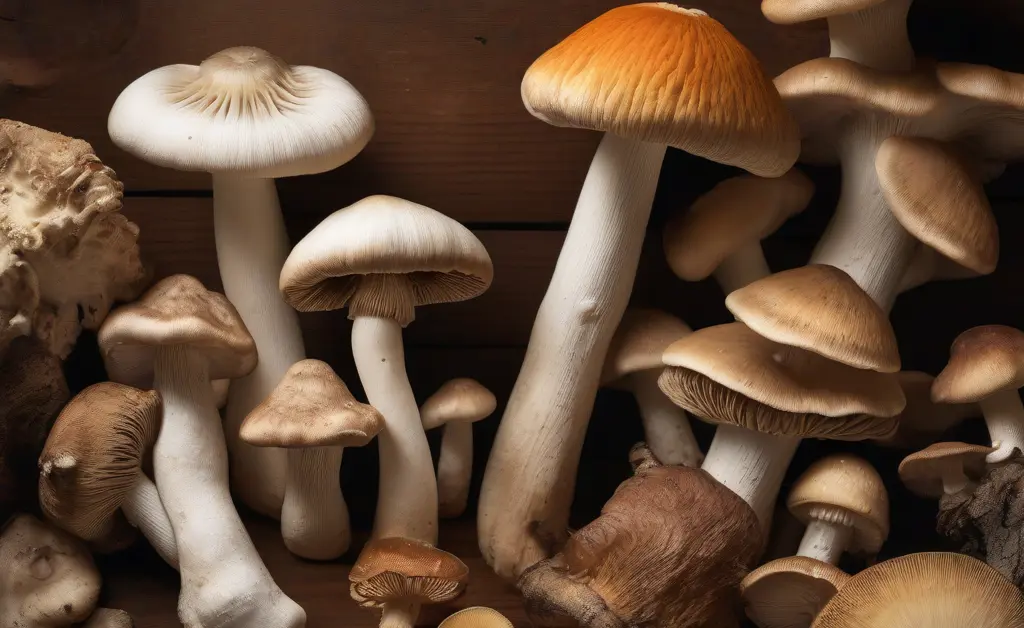
The Morchella genus is surprisingly diverse, containing dozens of species found across the globe. While they all share the fundamental characteristics of a true morel, they can vary in color, shape, size, and habitat. Learning about the most common species provides a clearer picture of what foragers might find. Knowing the Morel mushroom scientific name for these varieties is key to discussing them accurately.
Morchella esculenta: The Common Morel
Perhaps the most famous species is Morchella esculenta, often referred to as the common morel, yellow morel, or sponge morel. Its scientific name esculenta means “edible,” highlighting its long history as a prized food source. This species is typically identified by its rounded, pale yellow to tan cap with irregularly shaped pits and ridges. It is often found in association with specific trees, such as ash, elm, and old apple trees, particularly in disturbed ground or areas with chalky or lime-rich soil.
Other Notable Morel Species
Beyond the common yellow morel, there are many other significant species. The “black morels” are a large group of closely related species often found in coniferous forests and burn sites, historically grouped under names like Morchella elata or Morchella angusticeps. Modern DNA analysis is continuously refining the classification of these species. Another well-known type is the “half-free morel,” such as Morchella semilibera. As its name suggests, the cap of this species is attached to the stipe only at the top, with the lower half hanging freely, distinguishing it from other true morels where the cap is fully attached. For comprehensive health information, consult resources like the NHS.
Understanding the scientific classification of morels is fundamental for anyone interested in these remarkable fungi. The genus Morchella provides a reliable starting point for identification, separating true morels from other fungi. Delving deeper into individual species names, like Morchella esculenta, reveals the rich diversity within the group. This taxonomic framework is not just an academic exercise; it is an essential tool that promotes safety, aids in conservation, and enhances our overall appreciation for the complex and delicious world of morels.
This article aims to inform, not to replace professional healthcare advice. The information provided is for educational purposes regarding the taxonomy and classification of fungi. It is not intended as a guide for foraging or consumption. Identifying wild mushrooms requires expert knowledge, as many poisonous species can resemble edible ones. Never consume a wild mushroom unless you are absolutely certain of its identity, as confirmed by a qualified expert.
FAQ
What is the scientific name for the yellow morel?
The yellow morel, a highly prized edible fungus, is scientifically known as Morchella esculenta. This species is characterized by its distinctive honeycomb-like cap and is found in various habitats.
What is the scientific name for the black morel?
The black morel is scientifically classified as Morchella elata. This species typically appears earlier in the spring and is recognized by its darker, more elongated cap.
Are all morel mushrooms in the genus Morchella?
Yes, all mushrooms commonly referred to as morels belong to the genus Morchella. While there are numerous species within this genus, they are all grouped under this scientific classification, including the yellow morel scientific name of Morchella esculenta and the black morel scientific name of Morchella elata.