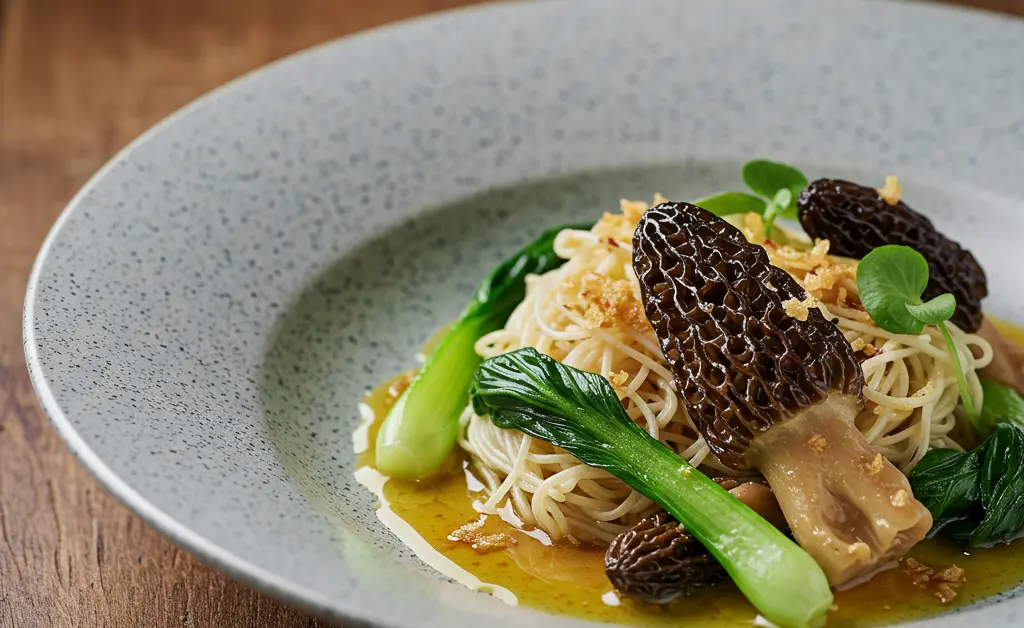
The morel mushroom holds a special place in Chinese cuisine. Valued for its unique honeycomb texture and deep, earthy flavor, this prized fungus elevates everything from simple stir-fries to complex braised dishes. Unlike the more common shiitake, the morel requires specific preparation techniques to unlock its full potential, whether fresh or dried. This guide explores the art of incorporating this delicacy into your cooking, offering a range of morel mushroom recipes chinese cooking enthusiasts will appreciate. We will cover essential steps from proper cleaning and rehydration to pairing them with complementary ingredients. By mastering these fundamentals, you can confidently transform this exceptional ingredient into unforgettable meals that honor its rich culinary heritage.
Chinese Morel Mushroom Recipes
Sourcing and Selecting Quality Morels for Chinese Recipes
Finding high-quality morels is the first step toward a delicious dish. Whether you are using fresh or dried varieties, certain indicators can help you choose the best specimens. Fresh morels should feel firm and springy to the touch, not mushy or brittle. Look for mushrooms with a complete cap and a clean, light-colored interior. Avoid any that show signs of sogginess or dark spots, as these can indicate decay.
Dried morels are more widely available and offer a concentrated, smoky flavor. When selecting dried morels, look for whole, intact mushrooms with a deep, uniform color. They should have a strong, earthy aroma when you open the package. Crumbly or faded-looking mushrooms may be old and will have lost much of their signature flavor. Store dried morels in an airtight container in a cool, dark place to preserve their potency. For more on dried varieties, explore dried morel mushroom recipes.
Cleaning Fresh Morels for Chinese Cooking
Properly cleaning fresh morels is crucial, as their hollow caps and web-like structure can easily trap dirt, sand, and small insects. The key is to be thorough yet gentle to avoid damaging their delicate texture. Start by using a soft brush, like a mushroom brush or a new paintbrush, to gently whisk away any visible debris from the exterior. Avoid soaking them in water for extended periods, as they will absorb it and become waterlogged.
A quick rinse under cool, running water is usually sufficient. For a more thorough cleaning, many chefs prefer to slice the morels in half lengthwise. This allows you to inspect the hollow interior and easily rinse out any trapped grit. After rinsing, gently pat them dry with a paper towel before cooking to ensure they can brown properly in a stir-fry or sear.
Rehydrating Dried Morels for Wok and Soup Applications
Rehydrating dried morels is a simple process that not only brings them back to a pliable, ready-to-cook state but also creates a flavorful byproduct. To begin, place the dried mushrooms in a bowl and cover them with warm, but not boiling, water. Let them soak until they are fully softened and plump, which can take a short while. You will notice them expand and become tender.
Once rehydrated, gently lift the morels out of the water, squeezing lightly to remove excess liquid. Be careful not to discard the soaking liquid. This dark, fragrant broth is culinary gold and can be used to add incredible depth to soups, sauces, and braises. To use it, allow any sediment to settle at the bottom of the bowl and then carefully pour off the clear liquid, or strain it through a fine-mesh sieve or cheesecloth to remove any residual grit. You can also find inspiration for using this liquid in morel mushroom sauce recipes.
Distinguishing Morel Preparation from Shiitake in Chinese Cooking
While both morels and shiitakes are prized in Chinese cuisine, their preparation differs significantly due to their distinct textures and flavors. Shiitake mushrooms are denser and meatier, often requiring longer soaking times when dried and longer cooking times to become tender. Their flavor is bold and can stand up to strong sauces.
Morels, in contrast, are much more delicate. Their hollow, honeycomb structure cooks more quickly and readily absorbs the flavors of the dish. Overcooking morels can result in a rubbery texture, so they are often added towards the end of cooking in stir-fries. Their preparation focuses on preserving this unique texture, whereas shiitake preparation is often about tenderizing the mushroom and infusing it with flavor over a longer period.
Simple Chinese Morel Mushroom Recipes
Classic Morel and Chicken Stir-Fry
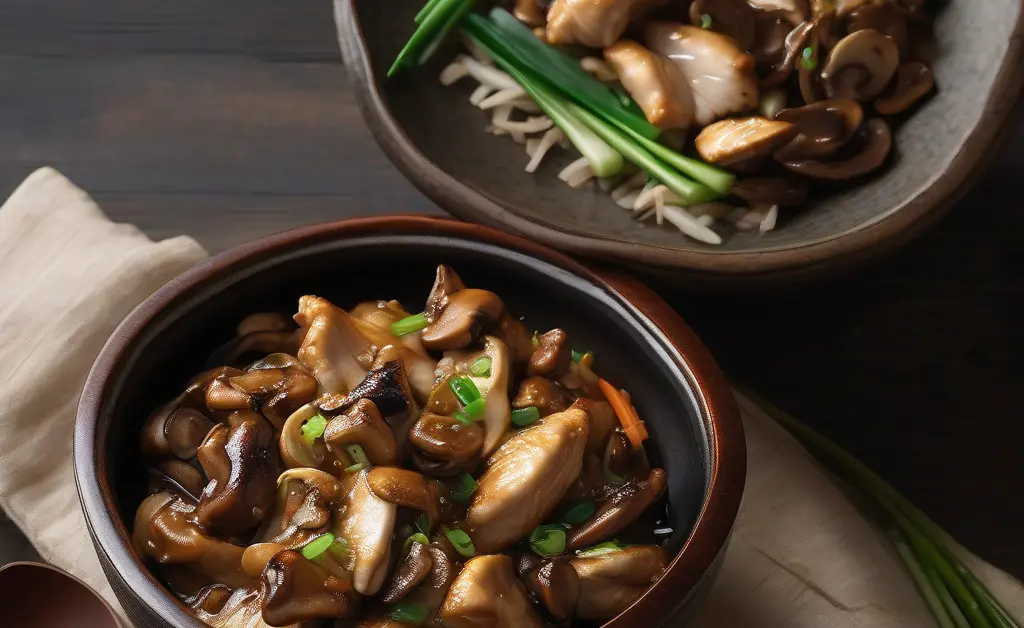
A morel and chicken stir-fry is a wonderful introduction to cooking with this mushroom. The dish highlights the morel’s earthy flavor and unique, tender-chewy texture, which pairs beautifully with succulent pieces of chicken. Typically, thinly sliced chicken is marinated with soy sauce, rice wine, and a bit of cornstarch. The rehydrated morels are often left whole or halved if large.
In a hot wok, the chicken is seared first, then removed. Aromatics like ginger and garlic are briefly fried before adding the morels and complementary vegetables such as snow peas or sliced bamboo shoots. The chicken is returned to the wok along with a simple sauce, and everything is tossed together quickly to meld the flavors. This method ensures the morels remain tender and absorb the savory sauce without becoming overcooked. Learning this simple dish is a great way to explore various morel mushroom recipes chinese cooks have perfected.
Delicate Morel Mushroom Soup with Chinese Herbs
Morel mushroom soup is a classic example of Chinese culinary philosophy, focusing on clean flavors and nourishing ingredients. The morels provide a deep, umami-rich foundation for a clear, restorative broth. The soup is often prepared by gently simmering rehydrated morels in a high-quality chicken or vegetable stock. The reserved mushroom soaking liquid is almost always added to intensify the earthy aroma.
To enhance the soup’s nourishing properties and add layers of subtle flavor, gentle Chinese herbs are frequently included. Ingredients like goji berries add a touch of sweetness, while red dates contribute a mild, fruity depth. The soup is simmered slowly to allow the flavors to meld without boiling, which would cloud the broth. The result is an elegant, delicate soup that showcases the morel in its purest form.
Healthy Chinese Morel Mushroom Recipes
Wok Cooking Techniques for Morels
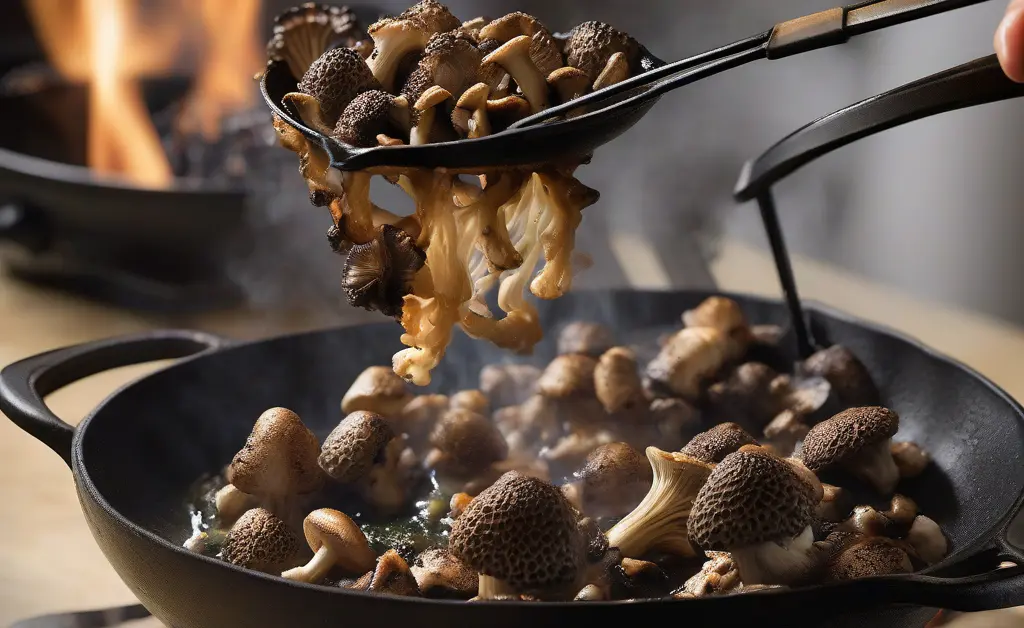
The wok is an ideal vessel for cooking morels, as its high, sloping sides and ability to maintain intense heat allow for quick and even cooking. The technique of stir-frying (chǎo) is particularly well-suited for morels. By tossing the ingredients rapidly over high heat, their delicate texture is preserved, and they develop a light sear that enhances their flavor. This method requires minimal oil, making it a healthy cooking option.
When stir-frying morels, it’s best to ensure the wok is thoroughly preheated before adding any ingredients. This prevents the mushrooms from steaming and becoming soggy. Adding them to the wok after the aromatics have released their fragrance allows the morels to absorb those flavors while cooking through in just a few minutes.
Steaming and Braising Methods for Morels
Steaming is a gentle cooking method that preserves the natural flavor and nutrients of morels. A popular preparation involves steaming morels with silken tofu and a light sauce made from soy sauce, sesame oil, and a touch of ginger. The mushrooms become incredibly tender and infuse the tofu with their earthy essence. This method is exceptionally healthy as it requires no added fats.
Braising offers another way to develop deep, complex flavors. In this technique, morels are simmered slowly in a savory liquid, allowing them to become plump and succulent as they soak up the sauce. This is an excellent method for tougher cuts of meat or firm vegetables. Many classic morel mushroom recipes chinese cuisine offers utilize braising to achieve a rich, harmonious dish where the mushroom is a star ingredient.
Avoiding Overcooking Morels in Chinese Dishes
The single most important rule when cooking with morels is to avoid overcooking them. Their unique honeycomb structure is delicate and can quickly turn from pleasantly tender to unpleasantly rubbery if exposed to heat for too long. In fast-cooking methods like stir-frying, morels should be one of the last ingredients added to the wok, tossed just long enough to heat through and absorb the sauce.
In slower cooking methods like braising or making soup, monitor them carefully. Add them in a stage where they will have enough time to absorb flavor but not so much time that their texture degrades. A good rule of thumb is to cook them until they are tender but still retain a slight firmness. Trusting your sense of touch and taste is key to achieving the perfect texture. For further culinary exploration, consider the general morel mushroom recipes available.
Chinese Morel Mushroom Recipes Vegetarian
Vegetarian Chinese Morel Dishes
Morels are a treasure in vegetarian Chinese cooking, providing a “meaty” texture and a profound umami flavor that can elevate any dish. Their savory depth makes them an excellent substitute for meat, lending a satisfying richness to stir-fries, braises, and soups. They pair wonderfully with a variety of vegetables and plant-based proteins.
For a classic vegetarian stir-fry, combine rehydrated morels with firm tofu, vibrant baby bok choy, crisp bamboo shoots, and crunchy water chestnuts. A sauce made from mushroom-soaking liquid, soy sauce, and a hint of sesame oil brings everything together. Another popular dish is “Buddha’s Delight,” a celebratory stew of mixed vegetables and fungi, where morels can be the star ingredient. The versatility of morel mushroom recipes chinese vegetarian cooking offers is vast, allowing for endless creative combinations.
Signature Chinese Morel Mushroom Recipes
Braised Morels with Pork Belly or Tofu
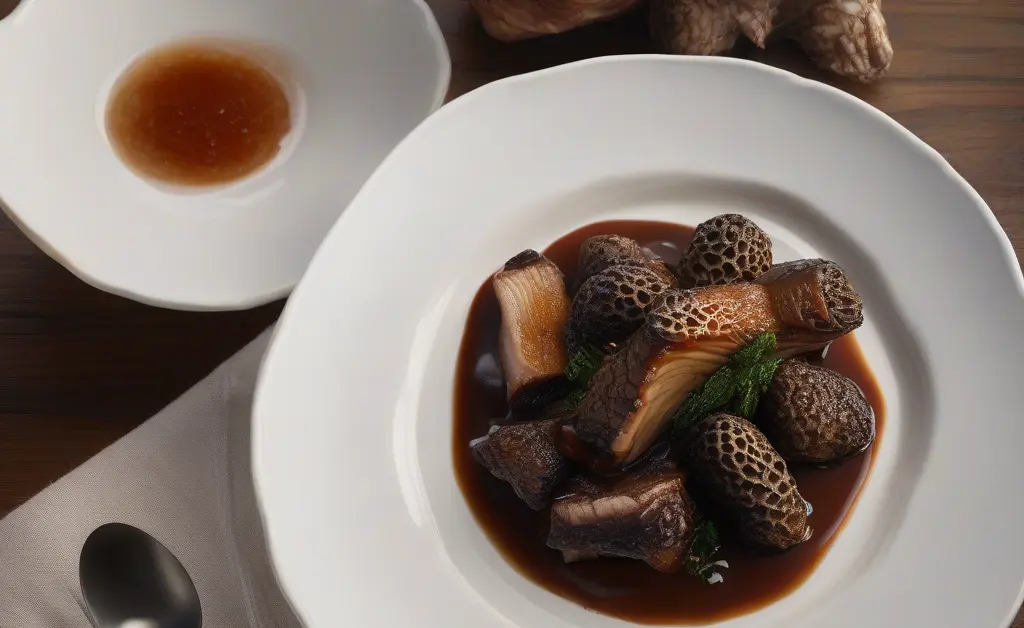
Braised morels are a luxurious and comforting dish, often reserved for special occasions. When prepared with pork belly, the dish becomes incredibly rich. The pork is slow-cooked until meltingly tender, releasing its flavorful fat, which the morels eagerly absorb. The braising liquid, typically a savory-sweet combination of soy sauce, Shaoxing wine, sugar, and spices like star anise, reduces to a thick, glossy sauce that coats every ingredient.
A vegetarian version using firm tofu is equally delicious. The tofu is often pan-fried first to give it a golden crust and a chewier texture, allowing it to hold its shape during the slow simmer. In both variations, the morels become plump and succulent, their hollow centers filled with the savory braising liquid, creating an explosion of flavor with every bite. Considering the preparation for younger eaters, one might explore morel mushrooms for kids.
Essential Chinese Ingredients That Enhance Morel Flavor
To truly master the art of cooking with morels in a Chinese style, it is important to understand which ingredients best complement their unique flavor. A well-stocked pantry is key. Light soy sauce provides salinity and umami, while dark soy sauce adds color and a deeper, molasses-like flavor. Shaoxing wine is essential for its fragrant aroma that cuts through richness and adds complexity.
Aromatics like fresh ginger and garlic form the flavor base of most stir-fries and braises. Oyster sauce offers a savory, slightly sweet boost that pairs exceptionally well with the earthiness of mushrooms. Finally, a few drops of toasted sesame oil added at the end of cooking provides a nutty fragrance that rounds out the dish. By learning how to balance these components, you can create countless authentic morel mushroom recipes chinese home cooks and chefs alike would be proud of.
Mastering the preparation and cooking of morel mushrooms unlocks a world of culinary possibilities within Chinese cuisine. From their careful selection and cleaning to their application in rapid stir-fries or slow, luxurious braises, these prized fungi reward thoughtful cooking. Their unique texture and deep, earthy flavor provide a satisfying and sophisticated element to any meal. By embracing these techniques, home cooks can confidently incorporate this exceptional ingredient into their repertoire, creating memorable dishes that celebrate its rich heritage.
This article aims to inform, not to replace professional healthcare advice. The information provided about morel mushrooms and their use in culinary traditions is for educational purposes only. It is not intended as a substitute for consultation with a qualified medical professional, especially if you have food allergies or underlying health conditions. Always seek professional guidance regarding your diet and health. For further scientific information on edible fungi, consult resources like PubMed.
What are the best Chinese recipes for morel mushrooms?
Morel mushrooms are celebrated in Chinese cuisine for their deep, earthy flavor and unique texture. They are often featured in sophisticated dishes that highlight their natural taste, such as stir-fries with tender meats and aromatic vegetables or simmered dishes with savory broths. The complex umami profile of morels makes them a prized ingredient for imparting rich flavor.
How do you prepare dried morel mushrooms for Chinese stir-frying?
To prepare dried morel mushrooms for Chinese stir-frying, begin by gently brushing away any debris. Then, soak them in warm water until fully rehydrated, which typically takes about 20-30 minutes. Reserve the nutrient-rich soaking liquid for use in sauces or broths, and then slice the rehydrated mushrooms before adding them to your stir-fry.
What traditional Chinese ingredients pair well with morel mushrooms?
Traditional Chinese ingredients that harmonize beautifully with morel mushrooms include Shaoxing wine, soy sauce, ginger, and garlic, which build a foundation of savory depth. Delicate aromatics like scallions and star anise can also complement their earthy notes. Furthermore, ingredients like bamboo shoots or baby bok choy add textural contrast and freshness.
Can morel mushrooms be used in Chinese soups?
Indeed, morel mushrooms can lend a wonderful depth and complexity to Chinese soups. Their rich, savory essence enriches broths, and they pair exceptionally well with ingredients like chicken, pork, or various root vegetables. Simmering them allows their unique flavor to infuse the entire soup, creating a truly satisfying and aromatic experience.
Are there quick Chinese morel mushroom recipes?
Yes, quick Chinese morel mushroom recipes often involve stir-frying rehydrated mushrooms with pre-cut vegetables and a simple sauce. A fast stir-fry can be prepared in minutes once the mushrooms are soaked and other ingredients are ready. These recipes focus on rapid cooking to maintain the mushrooms’ delicate texture and absorb the bright flavors of the sauce.