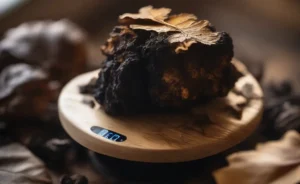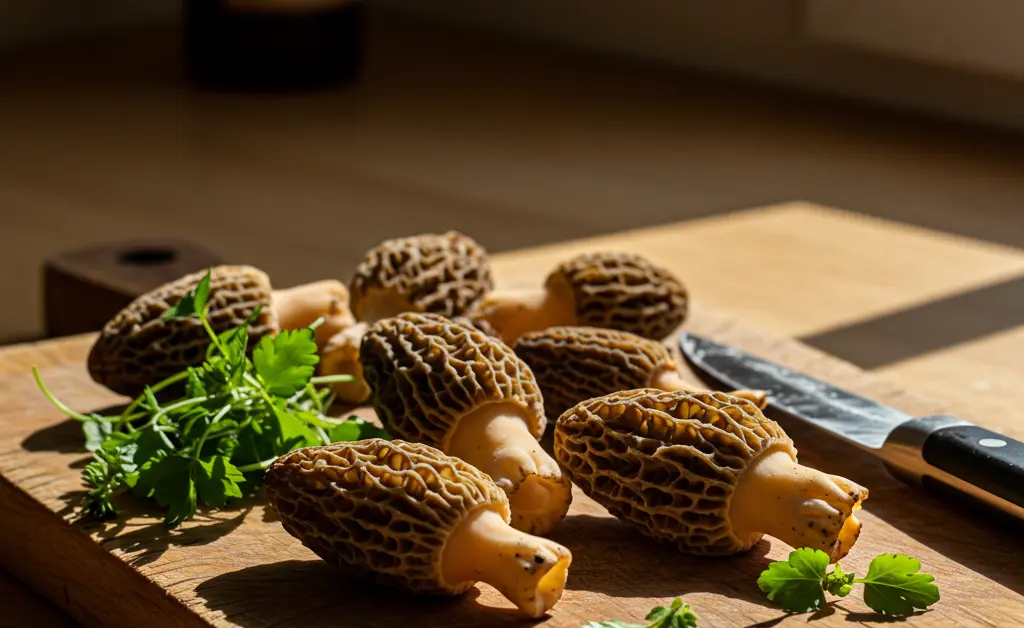
Morels are a celebrated wild mushroom, known for their hollow, honeycomb-like structure and deep, nutty taste. As a seasonal delicacy, they command a high price and inspire dedicated foraging trips. However, their unique shape can make preparation seem daunting for those new to this prized ingredient. Proper handling is crucial not only for safety but also for preserving their delicate texture and flavor. This guide is designed to provide a comprehensive answer to the question of Morel Mushrooms and How to Use Them, from the initial cleaning process to a variety of cooking methods and storage solutions. Whether you’ve foraged them yourself or found them at a market, you’ll gain the confidence to transform these woodland treasures into unforgettable dishes.
Preparing Morel Mushrooms
How to Harvest, Clean, and Prepare Morel Mushrooms
The journey from forest floor to dinner plate begins with proper handling. If you are harvesting morels yourself, it is essential to be certain of their identity, as toxic look-alikes exist. When harvesting, use a knife to slice the mushroom at the base of the stem. This practice helps protect the delicate underground network from which they grow. A mesh bag is the ideal vessel for carrying your haul, as it allows spores to disperse, potentially contributing to future growth in the area.
Once home, the preparation process begins. This initial phase involves a preliminary inspection for debris and insects before moving on to a more thorough cleaning. Preparing morels is a multi-step process that ensures they are safe, clean, and ready to reveal their celebrated flavor.
Cleaning Fresh Morels
Due to their unique honeycomb-like caps and hollow stems, morels are notorious for trapping dirt, forest debris, and small insects. Thorough cleaning is therefore non-negotiable. Begin by gently shaking each mushroom or tapping it on a countertop to dislodge any loose particles. A soft brush, like a mushroom brush or a new, soft-bristled toothbrush, can be used to carefully clean the exterior pits.
For a deeper clean, many chefs slice the morels in half lengthwise. This not only exposes the hollow interior for easy inspection and cleaning but also ensures there are no hidden inhabitants. Some cooks prefer a brief soak in a bowl of cool, lightly salted water to encourage any remaining insects to exit. If you use this method, keep the soaking time short to prevent the mushrooms from becoming waterlogged, which can dilute their flavor and affect their texture. After soaking, rinse them quickly under cool running water and pat them completely dry with paper towels before cooking.
Safety Considerations for Morels
The most important safety rule for morels is that they must always be cooked thoroughly. Consuming raw or undercooked morel mushrooms is associated with gastrointestinal distress and other adverse reactions. The cooking process neutralizes compounds in the mushrooms that can be difficult for the human body to digest. The PubMed database offers extensive research on mushroom safety and toxicity.
Furthermore, accurate identification is paramount. There are several species of “false morels” which can be toxic. These mushrooms can resemble true morels to the untrained eye. It is crucial to have your foraged mushrooms positively identified by an expert if you have even the slightest doubt. When purchasing morels, always buy from a reputable and trusted source.
How to Cook Morel Mushrooms
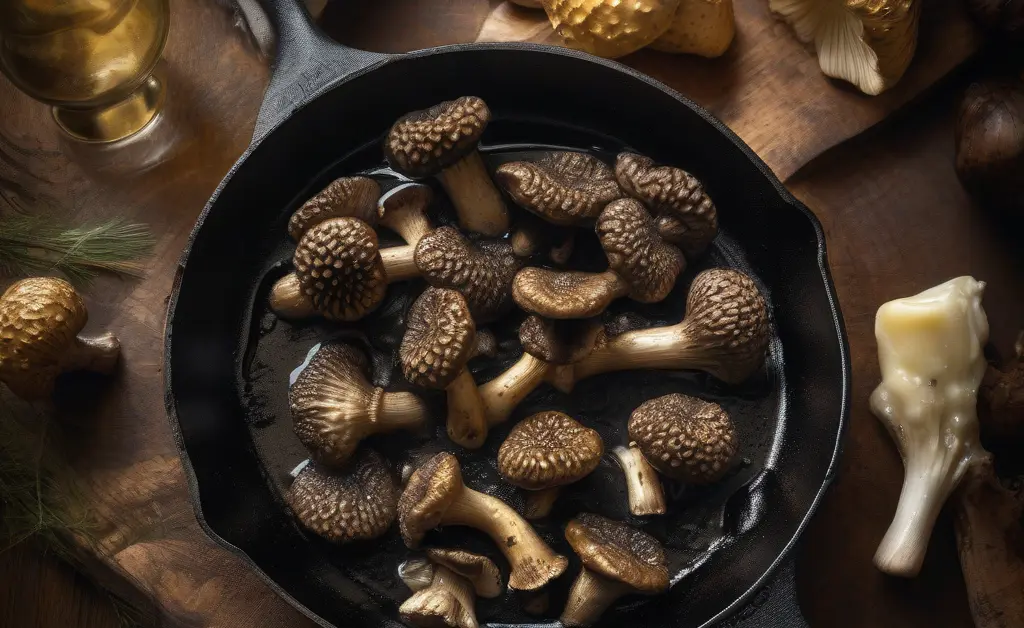
Sautéing Morels
Sautéing is perhaps the most classic and popular method for cooking morels, as it beautifully highlights their natural earthy and nutty flavor. To begin, heat a generous amount of butter or a neutral oil in a skillet over medium-high heat. Once the fat is shimmering, add the cleaned and dried morels to the pan in a single layer, being careful not to overcrowd it. Cooking in batches may be necessary.
Allow the mushrooms to cook without stirring for a few minutes, until they begin to brown and caramelize. Then, continue to cook, stirring occasionally, until they are tender and golden on all sides. For added flavor, you can add aromatics like minced garlic, shallots, or fresh thyme during the last minute of cooking. A splash of white wine, sherry, or cream can be used to create a simple, luxurious pan sauce.
Frying Morels
Frying transforms morels into a delightfully crispy treat, offering a wonderful textural contrast to their tender interior. This method is a regional favorite in many areas where morels are foraged. Typically, the mushrooms are halved or left whole, depending on their size.
The process usually involves a three-step breading station: one dish with seasoned flour, a second with a beaten egg mixture, and a third with breadcrumbs, cracker crumbs, or cornmeal. Each morel is dredged in flour, dipped in the egg, and then coated thoroughly with the breading. The coated mushrooms are then carefully placed into a pan with hot oil and fried until golden brown and crispy on all sides. Once cooked, they should be transferred to a wire rack to drain any excess oil and seasoned with salt.
Grilling Morels
Grilling imparts a smoky flavor that complements the morel’s natural earthiness. Due to their size and shape, it’s best to use a grill basket or skewers to prevent them from falling through the grates. Before grilling, toss the cleaned morels in olive oil, salt, and pepper. You can also add other seasonings like garlic powder or dried herbs.
Preheat your grill to a medium-high heat. If using a grill basket, spread the morels in a single layer and cook, tossing occasionally, until they are tender and have developed some char. If using skewers, thread the mushrooms on, leaving a small space between each one, and grill, turning every few minutes until cooked through. Grilled morels make a fantastic side dish or a topping for steaks and burgers.
Roasting Morels
Roasting is a simple, hands-off method that concentrates the flavor of morels. Preheat your oven to a high temperature, typically around 400°F (200°C). On a baking sheet, toss the clean, dry morels with olive oil, salt, and pepper. Spread them out in a single layer to ensure they roast rather than steam.
Place the baking sheet in the oven and roast until the mushrooms are tender and beautifully browned, which usually takes a short amount of time. You can stir them once halfway through the cooking process for even browning. Roasting is an excellent technique that deepens their flavor, and a key step in learning about morel mushroom information and how to use them in various dishes like pastas, risottos, or grain bowls.
Morel Mushroom Recipes
Dried Morel Mushroom Recipes
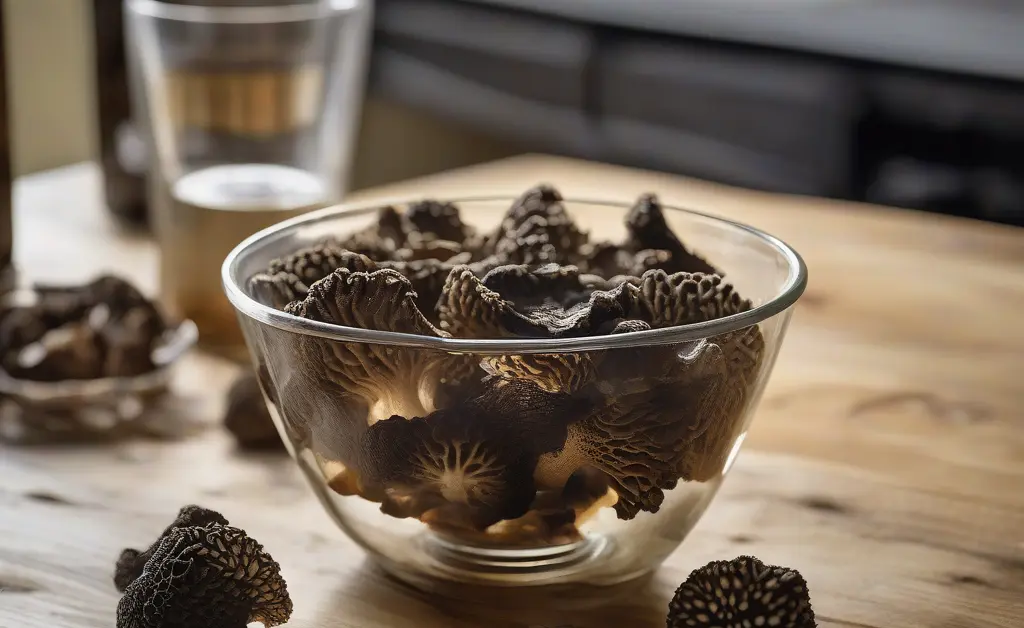
Dried morels are a fantastic pantry staple, offering concentrated flavor long after the fresh season has ended. To use them, they must first be rehydrated. Place the dried mushrooms in a bowl and cover them with hot water, broth, or wine. Let them soak until they are soft and pliable. Do not discard the soaking liquid; it is a flavorful broth that should be strained through a coffee filter or fine-mesh sieve to remove any grit. This liquid gold can be used as a base for sauces, soups, and risottos, adding an incredible depth of flavor.
Fried Morel Mushroom Recipes
Once you’ve mastered the basic technique of frying morels, you can explore different variations. For the breading, consider adding Parmesan cheese or finely chopped herbs like parsley to the breadcrumbs for extra flavor. A pinch of cayenne pepper or smoked paprika in the flour dredge can add a subtle warmth. Fried morels are often served as an appetizer with a dipping sauce. A creamy garlic aioli, a zesty lemon-dill sauce, or a simple ranch dressing all make excellent accompaniments. There are many morel mushroom uses to explore.
Stuffed Morel Mushroom Recipes
The hollow interior of larger morels makes them ideal candidates for stuffing. The possibilities for fillings are vast. A simple and elegant option is a mixture of breadcrumbs, grated cheese (like Gruyère or Parmesan), and fresh herbs bound with a bit of melted butter or an egg. For a richer filling, consider using soft goat cheese, cream cheese, or a sausage or crab meat mixture. Carefully pipe or spoon the filling into the morel cavities, arrange them in a baking dish, and bake until the mushrooms are tender and the filling is hot and golden.
Sautéed Morel Mushrooms Recipe
A classic sauté is one of the purest expressions of this mushroom’s flavor. For a simple and elegant dish, you need little more than fresh morels, butter, garlic, and herbs. After sautéing the mushrooms in butter until golden, add a finely minced clove of garlic and cook for just another minute until fragrant. Deglaze the pan with a splash of dry white wine or sherry, scraping up any browned bits from the bottom. Finish with a touch of heavy cream and fresh herbs like chives or parsley. This preparation is foundational to understanding Morel Mushrooms and How to Use Them as a gourmet ingredient.
10 Easy Morel Mushroom Recipes
Morels can elevate countless simple dishes. Here are ten easy ideas to get you started:
- Toss sautéed morels with your favorite pasta and a simple butter or cream sauce.
- Fold chopped, cooked morels into scrambled eggs or an omelet for a luxurious breakfast.
- Use them as a decadent topping for pizza, especially with a white sauce base.
- Simmer them in a creamy soup with potatoes and leeks.
- Serve sautéed morels on top of a grilled steak, chicken breast, or piece of fish.
- Layer them into a savory tart with asparagus and Gruyère cheese.
- Stir them into a risotto during the last few minutes of cooking.
- Spoon them over toasted baguette slices (crostini) for an elegant appetizer.
- Incorporate them into a savory bread pudding or strata.
- Simply serve them as a stand-alone side dish to accompany a spring meal.
Storing Morel Mushrooms
Short-Term Fresh Storage
Fresh morels are highly perishable and should be used as soon as possible for the best flavor and texture. If you must store them for a few days, avoid plastic bags at all costs, as they trap moisture and accelerate spoilage. The best method is to place the unwashed mushrooms in a paper bag or a bowl covered loosely with a damp paper towel. This allows them to breathe while preventing them from drying out too quickly. Store them in the main compartment of your refrigerator, not the crisper drawer, which is often too humid. Properly handling fresh fungi is a central aspect of knowing about Morel Mushrooms and How to Use Them effectively.
Freezing Morels
Freezing is an effective way to preserve morels for several months, but they should be cooked first. Freezing raw morels results in a poor, mushy texture upon thawing. The best practice is to sauté the mushrooms first. Cook them in butter or oil until they have released their liquid and are tender. Allow them to cool completely before portioning them into freezer-safe bags or airtight containers. When you’re ready to use them, they can be added directly from the freezer to hot dishes like soups, sauces, or sautés. You can find morel mushroom videos demonstrating preparation techniques.
Drying Morels for Long-Term Use
Drying is the best method for long-term preservation, as it concentrates their flavor and makes them shelf-stable for a year or more. A food dehydrator set to a low temperature is the most efficient tool for the job. Arrange the cleaned morels in a single layer on the dehydrator trays and dry until they are brittle. Alternatively, you can string the morels on a thread and hang them in a dry, well-ventilated area until they are completely crisp. Store the dried morels in an airtight container in a cool, dark place.
Enjoying Morel Mushrooms
Flavor Profile and Pairing Suggestions
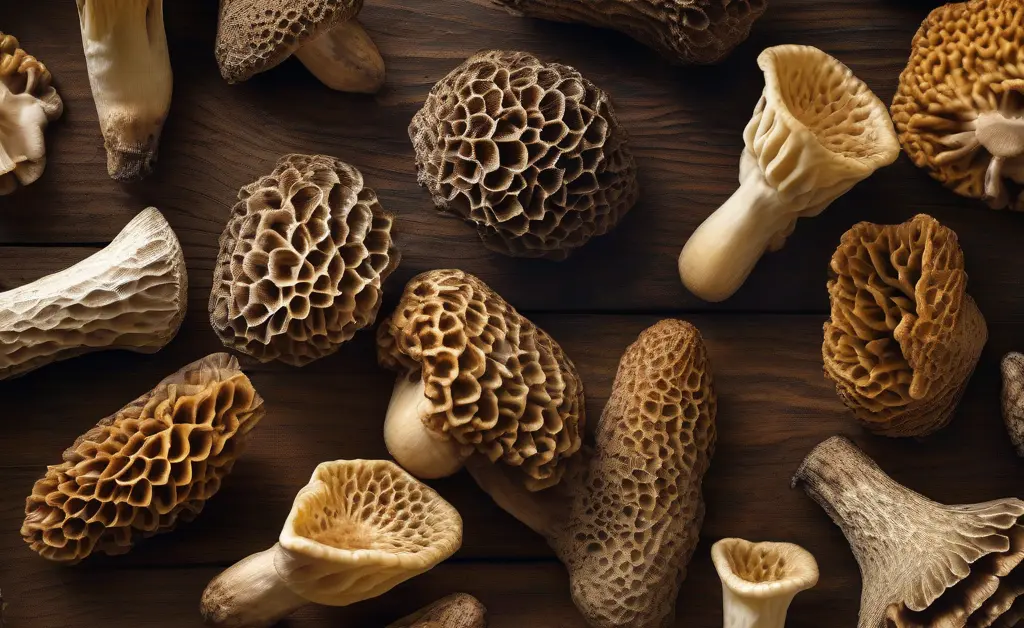
Morel mushrooms are prized for their complex flavor, which is often described as deeply earthy, nutty, and slightly smoky or woodsy. Their texture is unique as well—firm and meaty, yet tender and somewhat delicate. This robust profile allows them to stand up to rich ingredients while also shining in simpler preparations. The complete picture of Morel Mushrooms and How to Use Them involves understanding these pairings.
Classic pairings often feature other spring ingredients, such as asparagus, ramps, and spring peas. They have a strong affinity for dairy, pairing beautifully with butter, heavy cream, and soft cheeses. Their flavor is enhanced by eggs, poultry, and wild game. Herbs like thyme, parsley, and tarragon complement their taste without overpowering it. For those interested in specific locations, information on morel mushroom Wisconsin can be helpful.
Simple Serving Ideas
Beyond complex recipes, morels can be enjoyed with minimal fuss. One of the most beloved ways to serve them is simply sautéed in butter with a touch of garlic and salt, then piled onto a thick slice of toasted artisan bread. Another simple yet elegant preparation is to stir cooked morels into creamy polenta or grits. They can also be used to create a simple, flavorful pan sauce to pour over roasted chicken or pork chops. For a quick and satisfying meal, fold them into pasta with a drizzle of good quality olive oil and a sprinkle of Parmesan cheese.
Morels are a true culinary treasure, offering a taste of the wild that is both unique and versatile. By understanding the proper methods for cleaning, cooking, and storing them, you can confidently turn this seasonal delicacy into a memorable part of your meals. Whether sautéed, fried, roasted, or grilled, their distinctive flavor and texture are sure to impress.
The content presented here is not a substitute for professional medical guidance. This information is intended for educational purposes only and should not be considered medical advice, diagnosis, or treatment. Always cook wild mushrooms thoroughly before consumption. Crucially, rely on an expert for the identification of any foraged mushrooms, as misidentification can lead to serious health consequences.
FAQ
How do you prepare morel mushrooms for cooking?
Morel mushrooms are typically prepared by trimming off the very bottom of the stem and then slicing them lengthwise to ensure thorough cleaning and even cooking. This preparation step helps remove any soil and allows heat to penetrate the mushroom’s structure effectively.
What is the best way to clean morel mushrooms?
The best way to clean morel mushrooms involves a gentle approach to avoid damaging their delicate structure. Many find that a soft brush or a damp cloth is effective for removing surface dirt, followed by a quick rinse and pat dry, or soaking briefly in salt water to dislodge hidden debris before a final rinse.
How do you cook fresh morel mushrooms?
Fresh morel mushrooms can be cooked in a variety of ways, often by sautéing them in butter or oil until tender and slightly browned. They are also excellent when pan-fried, creamed, or added to risottos and pasta dishes.
Can morel mushrooms be eaten raw?
Morel mushrooms should not be eaten raw, as they contain small amounts of toxins that can cause digestive upset if consumed uncooked. Cooking them thoroughly breaks down these compounds, making them safe and delicious to eat.
What flavors go well with morel mushrooms?
Morel mushrooms have an earthy, nutty, and slightly smoky flavor that pairs beautifully with ingredients like garlic, shallots, fresh herbs such as thyme and parsley, and dairy products like butter and cream. They are also complementary to a wide range of proteins and vegetables.
How do you store morel mushrooms after harvesting?
After harvesting, morel mushrooms are best stored loosely in a breathable container, such as a paper bag, in the refrigerator. This method allows air circulation, preventing moisture buildup and extending their freshness for a few days.
Can you freeze morel mushrooms?
Yes, morel mushrooms can be frozen for longer storage, though they often require pre-treatment. Many people choose to blanch them briefly or sauté them before freezing to preserve their texture and flavor for future use.