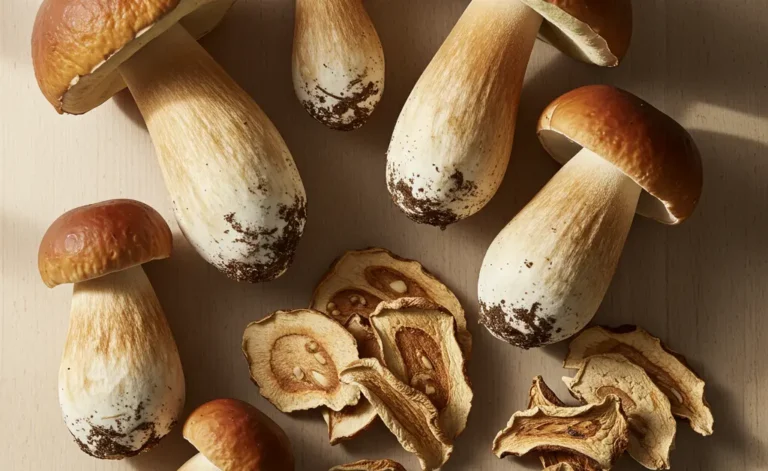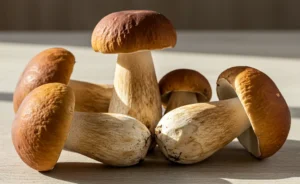

Foraging for wild mushrooms is an endeavor that rewards patience, knowledge, and a deep respect for natural cycles. Among the most coveted finds for mycophiles and culinary enthusiasts alike is the porcini mushroom, celebrated for its rich, earthy flavor and firm texture. Pinpointing the optimal time to harvest these prized fungi is not merely a matter of chance; it requires a nuanced understanding of environmental conditions. This guide delves into the intricacies of the porcini mushroom season, exploring the critical factors that dictate its timing and abundance across different regions. From the subtle signs of spring emergence to the prolific flushes of late summer and autumn, mastering this seasonal rhythm is key to a successful harvest. We will uncover how climate, geography, and specific weather patterns converge to create the ideal conditions for these magnificent edibles.
Understanding the Porcini Mushroom Season
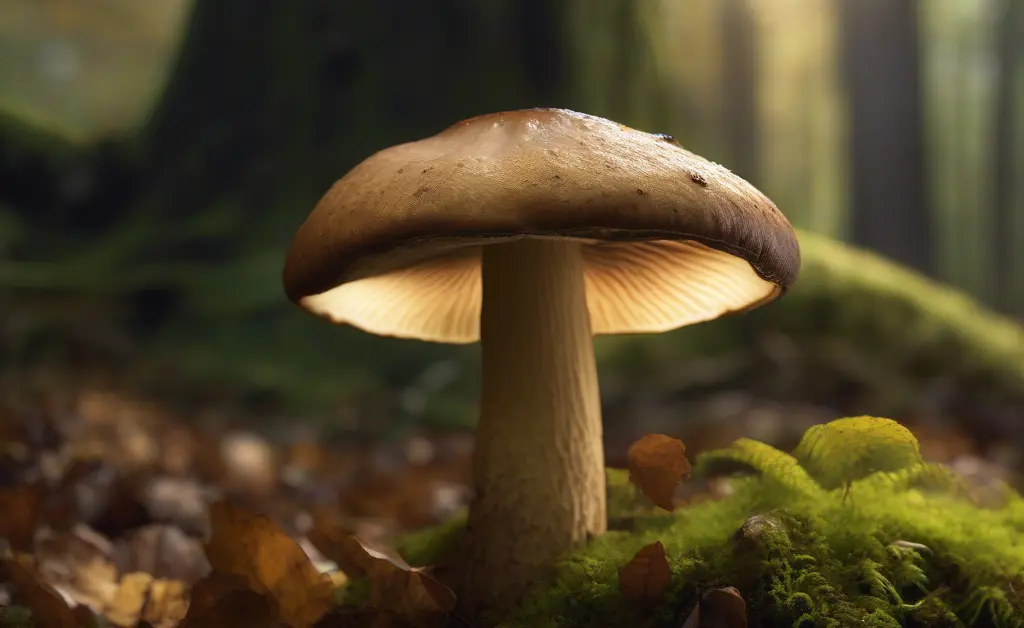
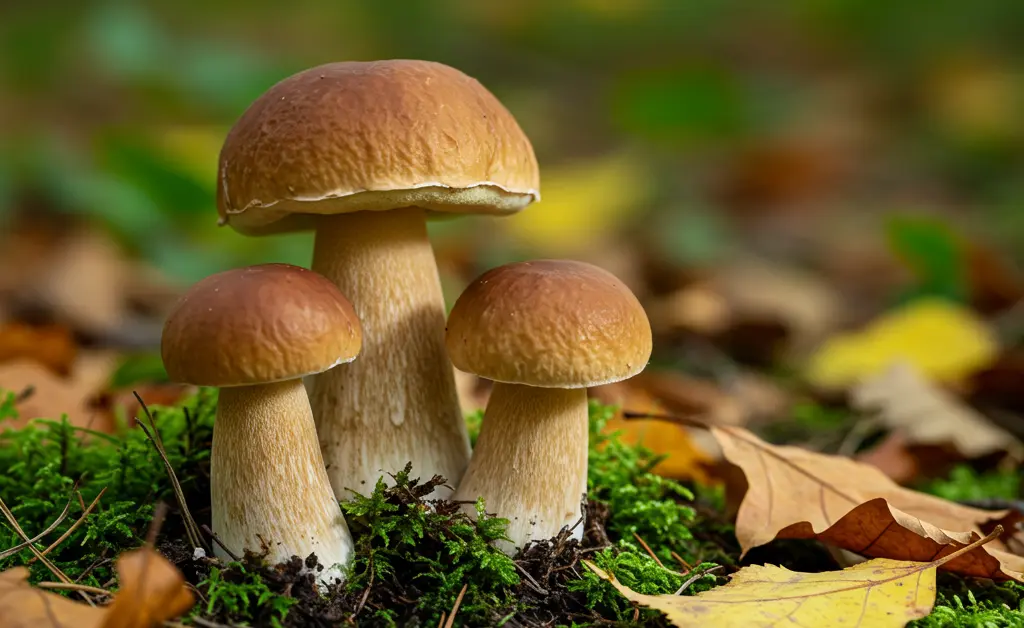
The quest for porcini mushrooms is a timeless pursuit, attracting foragers to forests worldwide. Understanding the porcini mushroom season is paramount for a successful harvest. These prized fungi, primarily species of *Boletus edulis* and its close relatives, exhibit distinct seasonal patterns influenced by a complex interplay of environmental factors. While often associated with autumn, the season can extend from late spring through fall, depending on the specific geographic region and prevailing weather. Learning to read the subtle cues of nature, such as soil moisture and temperature fluctuations, can significantly improve one’s chances of locating these elusive treasures during their prime.
Regional Variations in Porcini Season
The timing and duration of the porcini mushroom season can vary dramatically across different geographic regions. In Europe, for instance, countries like Italy and France are renowned for their abundant autumn flushes, though some areas may experience earlier yields. The porcini mushrooms UK season typically peaks in late summer and autumn. North America also boasts a significant porcini presence, with different species emerging at various times. Foragers in the Pacific Northwest might find them earlier than those in the Rocky Mountains, illustrating how localized climate and habitat influence the *boletus edulis* life cycle. Each region has its own unique rhythm, making local knowledge and specific geographic locations for porcini foraging invaluable.
Spring Porcini Mushroom Season
While autumn is often considered the peak season, a distinct spring porcini mushroom season exists in certain areas, much to the delight of early foragers. These spring varieties, sometimes referred to as “early porcini,” often emerge in coniferous forests, particularly after periods of warming temperatures following winter snowmelt. Regions like Oregon, especially near Camp Sherman, are known for hunting spring porcinis. These early flushes tend to be more sporadic and less widespread than their autumnal counterparts, but they offer a unique opportunity to harvest fresh porcini when other wild mushrooms are scarce. Preferred habitats and tree associations, such as specific deciduous trees and evergreens, play a crucial role in their appearance during this time.
Summer and Fall Porcini Flushes
The true abundance of porcini mushrooms typically manifests during the summer and fall. These periods represent the peak season for many species across both hemispheres. In many parts of Europe, including the Alps, porcini hunting in July can yield impressive hauls, with the season often extending through September and October. The fall is synonymous with prolific flushes as cooler temperatures combine with consistent rainfall, creating ideal conditions for these mycorrhizal fungi to fruit. During these months, the King Bolete, as it’s often called, is most frequently found in forests, often under the canopy of both coniferous and deciduous trees, making it the most anticipated time for foraging wild mushrooms.
When does the porcini mushroom season start in Tahoe?
For those interested in the porcini mushroom season around the Tahoe region, understanding local elevation and microclimates is key. Due to its mountainous terrain and significant elevation changes, the start of the season can vary even within a relatively small area. Generally, in higher elevations around Lake Tahoe, the season for porcini mushrooms tends to commence in late summer, often from August through October, depending heavily on the specific rainfall patterns and sustained cool temperatures. Lower elevations or areas with unique microclimates might see earlier or later appearances. Foraging for porcini mushrooms in this area requires patience and attention to local weather reports, as the conditions can shift rapidly.
Porcini mushroom season near me
To determine the porcini mushroom season near your specific location, several approaches can be helpful. Consulting local foraging guides or online communities focused on wild mushrooms in your geographic region is often the best first step. Many areas have local mycological societies or forums where enthusiasts share information about recent flushes and preferred habitats. Additionally, observing the general climate patterns—especially rainfall and temperature—in your local forests can provide clues. Porcini mushrooms thrive in specific conditions, so understanding the common tree associations in your area, such as oak, pine, or fir, can help pinpoint where to find porcini mushrooms when the season arrives. Local knowledge, combined with an understanding of general porcini preferences, will guide you to where can I find porcini mushrooms.
Factors Influencing Porcini Mushroom Season
The timing and success of the porcini mushroom season are not arbitrary; they are the direct result of several critical environmental factors. These factors interact in complex ways, determining not only when porcini will fruit but also their abundance and quality. Understanding these influences can transform a hopeful search into a more informed and often more rewarding foraging experience. From the large-scale climate patterns to the minute details of local soil, each element plays a role in the intricate life cycle of these beloved fungi.
Climate and Weather Conditions
Climate and weather conditions are arguably the most influential factors dictating the porcini mushroom season. Consistent rainfall followed by warm days and cool nights creates an ideal environment for *Boletus edulis* to fruit. Sudden drops in temperature or prolonged dry spells can halt or delay their emergence. Soil moisture is paramount; a steady supply of moisture without waterlogging is crucial for the mycelial network to develop and produce fruiting bodies. Humidity levels in the forest understory also play a significant role. Furthermore, temperature fluctuations throughout the day and night are critical—a specific differential often triggers growth. These precise conditions ensure the successful development of the mycorrhizal fungi that form symbiotic relationships with tree roots, ultimately leading to the appearance of porcini mushrooms.
The porcini mushroom season is a testament to the intricate balance of nature, heavily reliant on the precise interplay of environmental factors. Successful foraging hinges on understanding regional variations, recognizing the subtle cues of spring, summer, and fall flushes, and appreciating how climate and weather conditions shape their growth. By observing rainfall, temperature, and habitat, foragers can better predict when and where these esteemed wild mushrooms are likely to appear, transforming the pursuit into a more informed and fruitful endeavor. For comprehensive health information, individuals can consult resources like the National Library of Medicine.
This article is written for general understanding and not for medical decision-making. The information provided is intended for educational and informational purposes only, and does not constitute professional advice. Foraging for wild mushrooms should only be undertaken with expert guidance, as misidentification can lead to serious health risks. Always consult with a qualified mycologist or experienced forager before consuming any wild mushroom.
FAQ
— When do porcini mushrooms grow?
Porcini mushrooms typically emerge from late summer through autumn, thriving after periods of rain when temperatures begin to cool. Their growth is closely tied to specific environmental conditions that trigger fruiting.
— What time of year is best for porcini?
The peak for porcini mushroom season generally occurs in early to mid-autumn, as the ground retains warmth from summer but receives ample moisture from seasonal rains. This combination of conditions is ideal for the mycelial network to produce its sought-after fruiting bodies.
— Do porcini mushrooms grow in spring?
While less common, certain varieties of porcini can indeed appear in late spring or early summer, particularly after a warming trend following good spring rains. These early flushes are often dependent on specific localized microclimates and consistent moisture.
— What weather conditions are ideal for porcini?
Ideal conditions involve a sequence of significant rainfall followed by mild, temperate weather, avoiding extremes of heat or cold. This allows the mycelium to absorb sufficient water and then utilize moderate temperatures for rapid development.
— How long does porcini season last?
The duration of the porcini season varies considerably depending on geographical location and annual weather patterns. It can extend for several weeks to a few months, typically ending with the arrival of sustained freezing temperatures.
— Are there different types of porcini seasons?
Yes, there are often considered to be “flushes” rather than distinct seasons, where mushrooms appear in waves throughout the late summer and fall. Environmental factors such as temperature fluctuations and rainfall dictate these individual growth periods, meaning foraging opportunities can differ greatly week to week.