Successfully preparing king oyster mushrooms transforms them into a versatile and delightful ingredient, whether pan-fried to a golden crisp or gently sautéed. Knowing the precise cooking techniques ensures they develop their appealing meaty texture and umami-rich flavor, preventing them from becoming rubbery or watery. Many home cooks seek guidance on how long to cook king oyster mushroom to unlock their full potential. This guide provides essential insights into achieving perfect results, detailing optimal times for various stove-top methods and highlighting key indicators of doneness. By understanding the factors that influence cooking and recognizing visual and textural cues, you can consistently prepare these distinctive fungi to perfection, enhancing any dish with their unique attributes.
Understanding King Oyster Mushroom Cooking Times
Mastering the cooking duration for king oyster mushrooms is crucial for achieving their ideal texture and flavor. Unlike some other mushroom varieties that quickly become mushy or overly soft, king oyster mushrooms possess a unique density that allows them to maintain a satisfying bite when cooked correctly. The goal is to reach a state where they are tender yet firm, with a rich, savory taste that complements a wide range of dishes. Similarly, exploring diverse turkey tail mushroom recipes can also introduce new culinary experiences. Understanding how long to cook king oyster mushroom involves appreciating both the scientific principles of heat transfer and the subtle art of sensory evaluation.
Factors Affecting Cook Time
Several variables influence the precise cooking duration required for king oyster mushrooms. The thickness of your slices or pieces is perhaps the most significant factor; thicker cuts will naturally require a longer cooking time to become tender throughout, while thinner slices will cook more rapidly. The moisture content within the mushrooms can also play a role; drier mushrooms may brown faster. Proper storage is also vital, and knowing how to store king oyster mushroom can impact their moisture and freshness before cooking. Furthermore, the heat level of your pan or skillet directly impacts the speed of cooking and caramelization. High heat promotes quick searing and a crispy exterior, whereas medium heat allows for more gentle cooking, resulting in a more evenly tender interior. The type of fat used, such as olive oil or butter, can also influence heat distribution and browning.
Preventing Overcooking or Undercooking
The key to perfect king oyster mushrooms lies in avoiding the common pitfalls of overcooking or undercooking. Undercooked mushrooms can be unpleasantly tough or rubbery, retaining too much moisture and lacking developed flavor. Conversely, overcooked king oyster mushrooms may become overly soft, watery, and lose their desirable meaty texture, transforming into a less appealing, sometimes chewy consistency. Striking the right balance ensures they are succulent, flavorful, and have that characteristic pleasant chew. Paying close attention to visual and textural cues throughout the cooking process is essential for achieving optimal results and preventing either extreme.
How Long to Cook King Oyster Mushrooms on the Stove
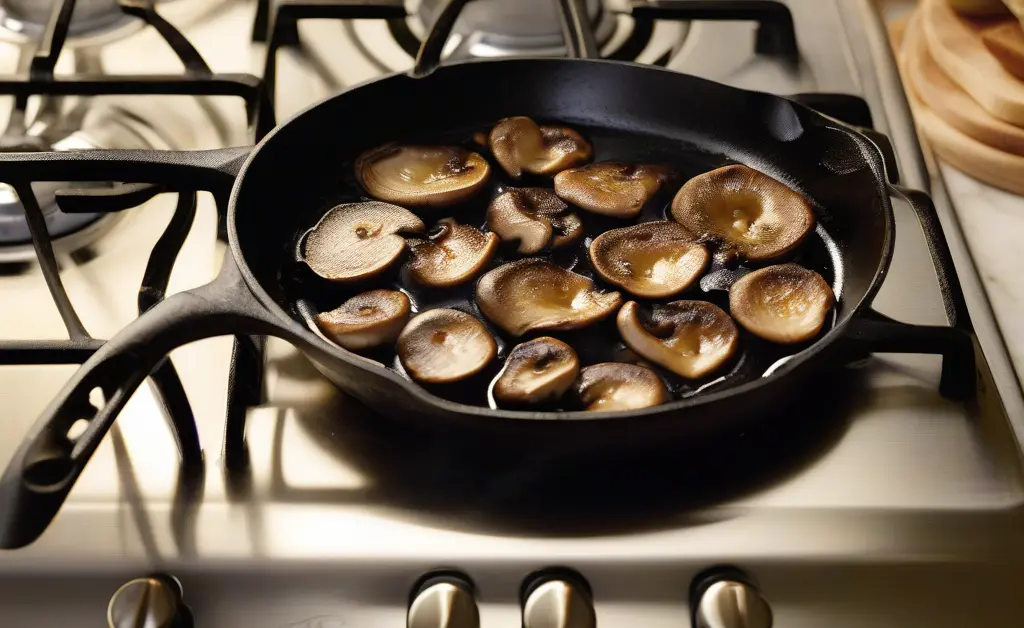
Stove-top cooking offers versatile methods for preparing king oyster mushrooms, including sautéing and searing. For successful stove-top preparation, heat control is paramount. Begin by heating your pan or skillet over medium to medium-high heat with your chosen cooking fat, such as olive oil or butter. When sautéing, the goal is a gentle, even cook that softens the mushrooms and brings out their umami notes. For a sauté, you’ll typically stir or toss the mushrooms frequently to ensure even cooking and prevent sticking. The exact timeframe for how long to cook king oyster mushroom on the stove will depend heavily on the thickness of your slices and the desired degree of tenderness, but consistent heat and regular movement are key. Similarly, understanding how to prepare turkey tail mushroom involves specific considerations for optimal results.
Pan-Frying King Oyster Mushrooms: Method and Cook Time
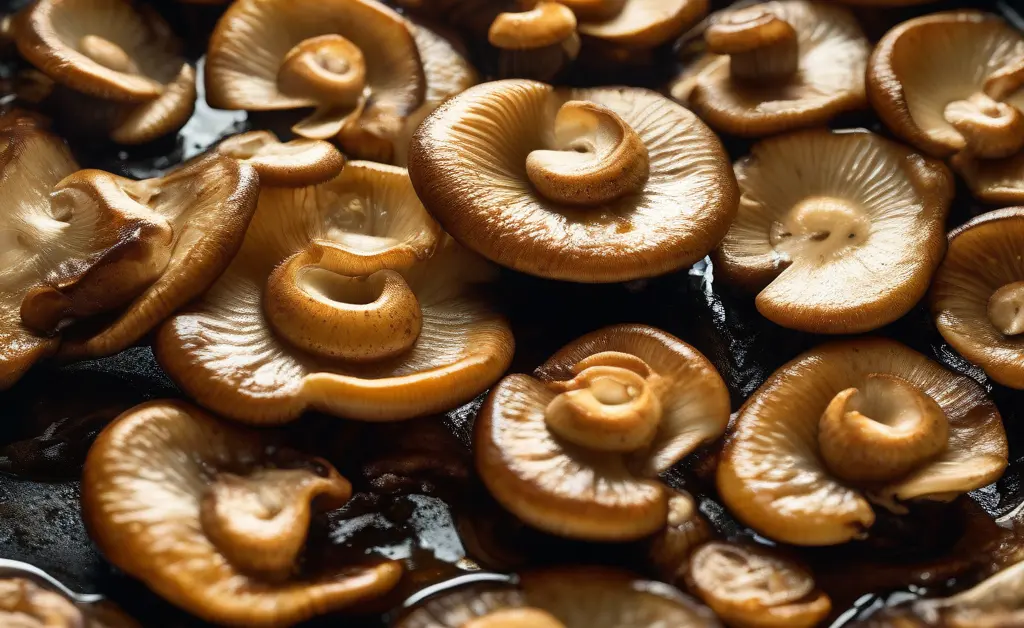
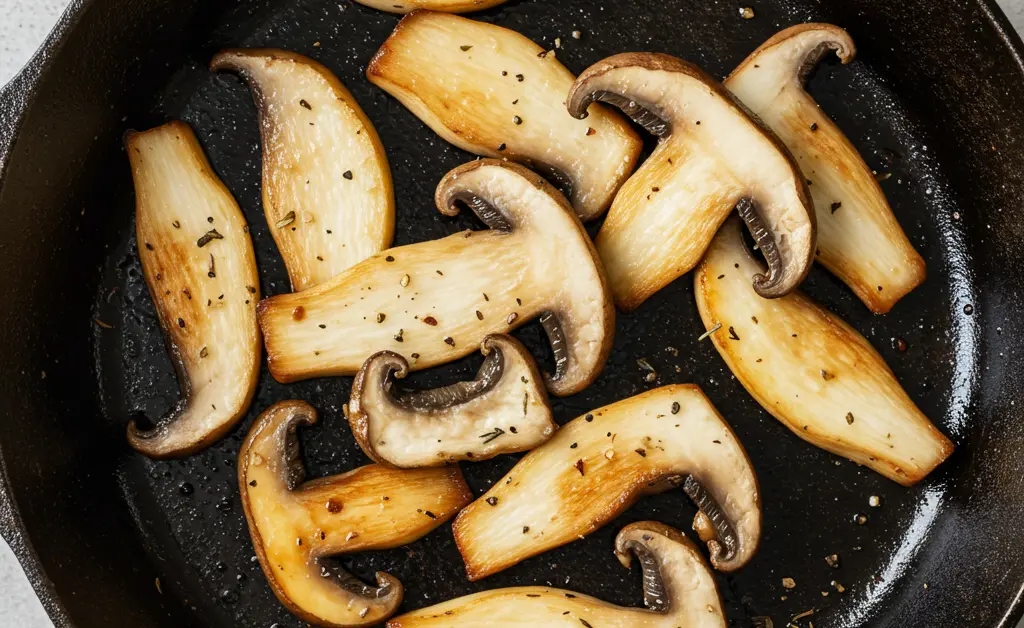
Pan-frying is one of the most popular and effective methods for preparing king oyster mushrooms, yielding a delightful combination of tender interior and crispy, golden-brown exterior. To begin, slice your mushrooms into even, thick slices, about a quarter to a half-inch thick, or score the stems if cooking whole. Heat a skillet over medium-high heat and add a generous amount of oil or butter. Once the oil is shimmering, carefully place the mushroom slices in a single layer, ensuring not to overcrowd the pan. Overcrowding can lower the pan’s temperature and lead to steaming rather than searing. Allow the mushrooms to cook undisturbed for a few minutes on one side to achieve good caramelization before flipping. The ideal cooking duration for how long to cook king oyster mushroom in a pan-fry can vary, but generally, you’ll want to aim for several minutes per side, depending on thickness.
Achieving a Golden Brown Exterior
The coveted golden-brown exterior on king oyster mushrooms is a result of the Maillard reaction, a complex chemical process that occurs when amino acids and reducing sugars react under heat, creating hundreds of new flavor compounds. To achieve this, it’s critical to use adequate heat—medium-high is often ideal—and sufficient cooking fat. Avoid flipping the mushrooms too frequently; allowing them to develop a deep golden color and slight crispness on one side before turning them ensures maximum flavor development and an appealing appearance. Searing rather than gently sautéing contributes significantly to this rich color and enhanced texture, providing a satisfying contrast to the mushroom’s meaty interior. For more information on complex biological processes, you can refer to resources from the NIH.
Knowing When Your King Oyster Mushrooms Are Perfectly Cooked
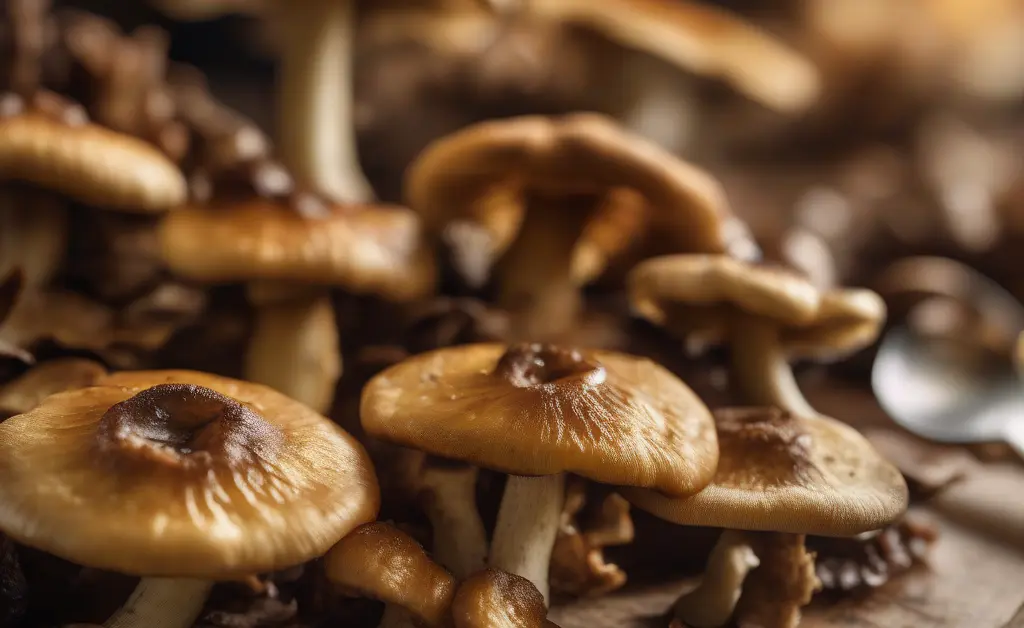
Determining when your king oyster mushrooms have reached their peak doneness is a skill refined with practice. It involves observing visual transformations and understanding their textural changes. Properly cooked king oyster mushrooms are not just palatable; they are an experience of rich flavor and delightful mouthfeel. Understanding these indicators helps ensure consistent, high-quality results every time you prepare them, regardless of how long to cook king oyster mushroom in your chosen method.
Visual Cues for Doneness
The most immediate visual cue for perfectly cooked king oyster mushrooms is their color. They should develop a rich, golden brown hue on their surfaces, often with slightly darker, caramelized edges where they’ve made direct contact with the hot pan. This browning indicates the development of savory flavors. The mushrooms will also appear slightly shrunken and less opaque than when raw, signifying moisture loss and concentration of flavor. There should be no raw, pale, or grayish areas remaining, especially if you’re aiming for a pan-fried or seared finish.
Texture Indicators
Texture is paramount when it comes to king oyster mushrooms. When they are perfectly cooked, they should be tender throughout but still possess a satisfying, firm, and meaty bite. They should not be rubbery, indicating undercooking, nor should they be mushy or excessively soft, which suggests overcooking. When pierced with a fork, it should meet minimal resistance, yet the mushroom should hold its shape. The interior should feel succulent and juicy, not dry or fibrous. A well-cooked king oyster mushroom offers a delightful chew that is both substantial and pleasant, a true testament to proper preparation.
Cooking king oyster mushrooms to perfection involves a blend of careful preparation, controlled heat, and attentive observation. By understanding the factors that influence cooking times and recognizing the visual and textural signs of doneness, you can consistently achieve that coveted meaty texture and rich, umami flavor. Whether pan-fried to a golden crisp or gently sautéed, these distinctive fungi can elevate any dish when cooked just right.
This article is written for general understanding and not for medical decision-making. The information provided is intended for informational purposes only and should not be considered as a substitute for professional medical advice, diagnosis, or treatment. Always consult with a qualified healthcare provider for any health concerns or before making any decisions related to your health or diet.
FAQ
— How do you know when king oyster mushrooms are done cooking?
When king oyster mushrooms are properly cooked, they will develop a golden-brown exterior and become tender throughout. Their firm, meaty texture should soften without becoming mushy, indicating that the internal moisture has sufficiently evaporated and the flavors have concentrated. This visual and textural transformation signals they are ready to enjoy.
— How do you prevent king oyster mushrooms from being rubbery?
A key step in preventing king oyster mushrooms from becoming rubbery is cooking them at a sufficiently high temperature, which helps them release moisture rapidly. Overcrowding the pan can trap steam, leading to a boiled rather than seared texture, so providing adequate space is beneficial. Understanding how long to cook king oyster mushroom slices allows for proper caramelization, yielding a tender, satisfying result.