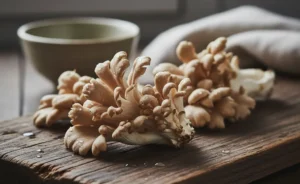
King oyster mushrooms are celebrated for their meaty texture and umami flavor, making them a popular choice in many cuisines. While largely considered safe and nutritious, it’s vital to acknowledge that individual responses to any food can vary significantly. What might initially be consumed without a second thought can, for some, trigger unexpected physiological reactions. Moving from a purely culinary focus to a more informed understanding of how these mushrooms interact with the body marks a practical improvement in dietary awareness. By recognizing the potential king oyster mushroom side effects, individuals are better equipped to anticipate, identify, and manage any adverse reactions, ensuring a more comfortable and enjoyable eating experience.
Understanding King Oyster Mushroom Side Effects
While many people enjoy king oyster mushrooms without any issues, it’s helpful to understand that some individuals may experience adverse reactions. These reactions are often tied to individual sensitivities, digestive patterns, or even the way the mushrooms are prepared and consumed. Unlike more overtly toxic wild mushrooms, cultivated king oyster mushrooms are generally considered safe edible mushrooms. However, the concept of “safe” doesn’t mean entirely without potential for discomfort for everyone. Various factors can contribute to whether someone experiences king oyster mushroom side effects, ranging from subtle digestive upset to more pronounced immune responses. Awareness of these possibilities helps consumers make informed dietary choices and understand their body’s unique responses to different foods. It’s also important to understand specific dietary considerations, such as consuming king oyster mushrooms for pregnancy.
Symptoms of King Oyster Mushroom Reactions
When an individual reacts adversely to king oyster mushrooms, the symptoms can manifest in different ways, often affecting the digestive system, skin, or respiratory tract. Recognizing these symptoms is the first step in understanding and managing potential king oyster mushroom side effects. It’s important to differentiate between a mild food intolerance and a more serious allergic reaction.
Gastrointestinal Symptoms
Many common adverse events related to mushroom consumption, including king oyster mushrooms, involve the gastrointestinal system. These symptoms are typically a result of the body’s digestive processes struggling with certain compounds within the mushroom, or an individual sensitivity. Symptoms may include:
- Nausea: A feeling of sickness with an urge to vomit.
- Vomiting: The forceful expulsion of stomach contents.
- Diarrhea: Loose, watery stools, often accompanied by increased frequency.
- Stomach upset: General discomfort, pain, or cramping in the abdominal area.
- Digestion problems: A feeling of fullness, bloating, or indigestion.
These gastrointestinal symptoms can sometimes be linked to the ingestion of raw or undercooked mushrooms, as proper cooking can break down some compounds that may be harder to digest.
Allergic Reactions
While less common, some individuals may experience true allergic reactions to edible mushrooms, including king oyster mushrooms. An allergy involves an immune response to specific proteins in the mushroom. Symptoms of an allergic reaction can vary in severity and may include:
- Hives: Red, itchy welts on the skin.
- Rash: Patches of irritated or discolored skin.
- Swelling: Particularly of the face, lips, tongue, or throat.
- Itching: Generalized or localized skin irritation.
- Anaphylaxis: A severe, potentially life-threatening reaction requiring immediate medical attention. This may include a sudden drop in blood pressure, dizziness, rapid pulse, and breathing difficulties.
Recognizing the signs of a king oyster mushroom allergy is crucial for prompt action.
Respiratory Issues
In some cases, especially with more severe allergic responses, respiratory issues can arise. These can range from mild discomfort to more serious conditions that affect breathing. Potential respiratory symptoms include:
- Breathing difficulties: Shortness of breath or wheezing.
- Coughing: Persistent or severe coughing spells.
- Nasal congestion: A stuffy or runny nose.
- Asthma-like symptoms: For individuals with pre-existing respiratory conditions, mushroom consumption might exacerbate these issues.
Any manifestation of breathing difficulties after mushroom consumption should be taken seriously.
Potential Causes of Adverse Reactions to King Oyster Mushrooms
Understanding why certain individuals might experience adverse reactions to king oyster mushrooms involves looking at several factors. It’s not always about the mushroom itself being inherently problematic, but rather how it interacts with an individual’s unique physiological makeup or environmental circumstances. Recognizing these potential causes can help in preventing future instances of king oyster mushroom side effects.
Individual Sensitivities and Intolerances
One of the primary reasons for adverse reactions is individual sensitivities and intolerances. Some people may have a digestive system that struggles with certain compounds found in mushrooms. This isn’t a true allergy but rather a difficulty in processing specific carbohydrates or fibers, leading to gastrointestinal distress such as stomach upset, bloating, or diarrhea. Food intolerance can also manifest as headaches or fatigue. Differentiating allergy from intolerance is key, as allergies involve an immune response, while intolerances are typically digestive. Is it possible to develop an allergy to king oyster mushrooms later in life? Yes, like with any food, sensitivities can sometimes develop over time.
Ingestion of Raw or Undercooked Mushrooms
Are king oyster mushrooms safe to eat raw? Generally, no. Many edible mushrooms, including king oyster mushrooms, contain compounds that can be difficult to digest or may cause mild toxicity when consumed raw. Proper cooking breaks down these substances, making the mushrooms safer and easier for the body to process. Raw consumption is often associated with a higher incidence of gastrointestinal symptoms.
Mushroom Spoilage or Contamination
Another potential cause of sickness is consuming mushrooms that have spoiled or become contaminated. Like any perishable food, king oyster mushrooms can develop bacteria or mold if not stored correctly or consumed within their freshness window. Recognizing quality and freshness is important. Signs of spoilage include sliminess, dark spots, or an off-odor. Contamination could also occur from environmental factors if the mushrooms are sourced improperly, though this is less common with commercially cultivated varieties.
Allergenic Compounds
Mushrooms contain various proteins and compounds, some of which can act as allergens for susceptible individuals. While generally low, the presence of these allergenic compounds can trigger an immune response in people with a king oyster mushroom allergy. This can lead to symptoms ranging from skin reactions to more severe respiratory or systemic responses. Researchers continue to study the specific proteins responsible for these adverse events.
What to Do If You Experience King Oyster Mushroom Side Effects
If you suspect you are experiencing king oyster mushroom side effects, it’s important to observe your symptoms and take appropriate steps. Initial actions often involve stopping further consumption and monitoring how your body responds. For mild discomfort, simple home remedies might suffice, but for more severe reactions, professional medical advice is essential.
If you experience mild gastrointestinal symptoms like stomach upset or nausea, resting and staying hydrated may help. Consider dietary adjustments and elimination by temporarily removing king oyster mushrooms from your diet to see if symptoms improve. If you develop skin reactions such as hives or a rash, over-the-counter antihistamines might offer some relief. Always pay attention to how long the symptoms last and if they worsen. For general health information and guidelines, reliable sources such as the WHO can provide valuable insights.
When to Seek Medical Advice
- Severe Allergic Reactions: If you experience symptoms such as swelling of the face, lips, tongue, or throat, difficulty breathing, wheezing, severe dizziness, or a rapid pulse, seek immediate emergency medical attention. These are signs of a serious allergic reaction, potentially anaphylaxis.
- Persistent or Worsening Gastrointestinal Distress: If symptoms like severe nausea, vomiting, diarrhea, or stomach cramps do not improve after a day or two, or if they become more intense, consult a doctor. Prolonged symptoms can lead to dehydration and other complications.
- Unusual or Concerning Symptoms: Any unusual symptoms like extreme fatigue, headache, or dizziness that you attribute to mushroom consumption should prompt a consultation with a healthcare provider.
- Known Allergies or Sensitivities: If you have a history of allergies to other fungi or foods, it is wise to consult a doctor even for milder reactions, to rule out a developing king oyster mushroom allergy.
Always communicate your recent mushroom consumption to your doctor, as this information can be vital for an accurate diagnosis and appropriate treatment. Safe consumption practices for king oyster mushrooms involve being mindful of your body’s reactions and knowing when to seek professional help.
King oyster mushrooms are a delicious and beneficial addition to many diets, offering unique textures and flavors. While largely safe for consumption, understanding the potential for individual adverse reactions is a key aspect of informed eating. By recognizing common symptoms, considering potential causes, and knowing when to seek professional medical advice, individuals can navigate their dietary choices with greater confidence and prioritize their well-being. Ultimately, responsible consumption involves being attuned to one’s body and taking proactive steps when unexpected reactions occur.
This article aims to inform, not to replace professional healthcare advice. It is intended for general knowledge and informational purposes only, and does not constitute medical advice, diagnosis, or treatment. Always seek the advice of a qualified healthcare professional for any questions you may have regarding a medical condition or health objectives.
FAQ
— Can king oyster mushrooms make you sick?
While king oyster mushrooms are generally safe and nutritious, some individuals might experience mild digestive upset, such as gas or bloating, especially if they are not accustomed to consuming a lot of fiber or certain unique mushroom compounds. This is often due to the complex carbohydrates and fibrous structure of mushrooms, which can be challenging for some digestive systems to process efficiently.
— What are the symptoms of king oyster mushroom allergy?
Like any food, a person can develop an allergy to king oyster mushrooms, though it is uncommon. Symptoms typically involve the skin, respiratory system, or digestive tract and might include hives, itching, swelling, wheezing, or gastrointestinal distress. These reactions are the result of the body’s immune system overreacting to specific proteins found within the mushroom.
— Why do I feel unwell after eating king oyster mushrooms?
Feeling unwell after consuming king oyster mushrooms can stem from several factors, including individual sensitivities to their unique compounds or the sheer volume consumed. Digestive discomfort often arises because mushrooms contain chitin, a fibrous material that can be difficult for some people to break down without sufficient digestive enzymes, leading to temporary bloating or gas. Understanding potential king oyster mushroom side effects often relates back to these individual digestive differences.
— When should I see a doctor for mushroom side effects?
It’s advisable to consult a healthcare professional if you experience persistent or severe discomfort after eating mushrooms, especially if symptoms include difficulty breathing, significant swelling, or widespread hives. These symptoms could indicate a more serious allergic reaction or an underlying digestive issue that warrants medical evaluation.