
The culinary landscape is constantly evolving, with a noticeable shift towards incorporating more diverse and nutritious ingredients into everyday meals. Among the many fascinating fungi gaining traction, oyster mushrooms stand out for their incredible versatility and distinct profiles. As home cooks and health enthusiasts explore new flavors and textures, understanding the nuances between different varieties becomes increasingly valuable. This growing interest in experimenting with gourmet ingredients directly leads to a deeper look into their characteristics. A detailed oyster mushroom comparison helps enthusiasts select the perfect type for their specific culinary aspirations, whether for adding umami to a stir-fry or creating a hearty meat substitute. Delving into their differences can elevate anyone’s kitchen adventures.
Oyster Mushroom Comparison: Varieties and Key Differences
Oyster mushrooms encompass a diverse group of edible fungi, known for their unique fan or oyster-shell shape and short, off-center stems. Understanding the various species is crucial for both cultivators and chefs seeking specific characteristics. This comprehensive oyster mushroom comparison explores the distinctions between common types, highlighting what defines an oyster mushroom beyond its generic name. A deeper understanding of the differences between oyster mushroom vs button mushroom can further enhance culinary exploration. From the widely recognized Pearl Oyster Mushroom (Pleurotus ostreatus) to the more exotic King Oyster Mushroom (Pleurotus eryngii), each variety presents a unique set of features that can influence its growth and application.
Key Differences in Visual Appearance and Color
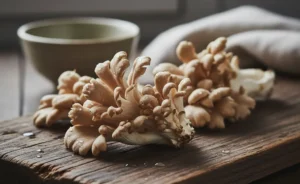
The visual characteristics of oyster mushrooms are often the first indicators of their variety. For instance, the Pink Oyster Mushroom (Pleurotus djamor) is immediately identifiable by its vibrant, rosy hue, while the Yellow Oyster Mushroom (Pleurotus citrinopileatus) boasts bright lemon-yellow caps. Blue Oyster Mushrooms (Pleurotus ostreatus) typically display a striking blue-gray coloration when young, fading to a more muted gray with maturity. Pearl Oyster Mushrooms, often considered a common oyster mushroom species, tend to have caps ranging from white to light gray or tan. King Oyster Mushrooms, however, are distinct with their thick, cylindrical stems and smaller, often light brown caps, making them stand out significantly from other oyster mushroom varieties. These differences in visual appearance and color are key features for oyster mushroom identification, aiding in distinguishing them from common oyster mushroom look-alikes.
Nutritional Comparison of Oyster Mushroom Varieties
While all oyster mushroom varieties are generally considered nutritious, offering a range of beneficial compounds, there can be subtle differences in their nutritional profiles. They are typically valued for their content of dietary fiber, protein, and various vitamins and minerals. Some varieties may be particularly noted for certain compounds, potentially contributing to their unique health benefits. Further information on general dietary guidelines can be found from organizations like the WHO. However, it is important to note that the exact nutritional composition can also be influenced by growing conditions and specific strains. A nutritional comparison reveals that while the core benefits are shared, variations may exist in the concentration of specific micronutrients across different oyster mushroom species.
Factors to Consider for Cultivation Comparison
When embarking on cultivating oyster mushrooms, several factors must be weighed, as optimal growing conditions can vary significantly among species. The choice of substrate, temperature, and humidity levels are critical for successful growth. For example, some oyster mushroom varieties thrive in cooler temperatures, while others prefer warmer climates. Different species may also have specific preferences for their growing medium, ranging from straw and wood to coffee grounds. A thorough cultivation comparison helps growers select the most suitable variety for their specific environment and resources, considering aspects like light exposure and air exchange.
Growth Rate and Yield Potential by Variety
The rate at which different oyster mushroom varieties grow and their potential yield can be a major consideration for both home and commercial growers. Some varieties, like the Pink Oyster Mushroom, are known for their rapid colonization and fast fruiting cycles, offering quick harvests. Others, such as the King Oyster Mushroom, may have a slower growth rate but compensate with a larger, more substantial yield per fruiting body. Understanding these differences in growth rate and yield potential by variety allows cultivators to plan their harvests more effectively and maximize productivity, whether they are growing for personal consumption or market sale.
Ease of Cultivation for Beginners
For those new to mycology, choosing an oyster mushroom variety that is relatively easy to cultivate is paramount. Pearl and Blue Oyster Mushrooms are often recommended for beginners due to their robust nature and tolerance for a wider range of growing conditions. They are generally less demanding in terms of environmental control and substrate preparation, making them forgiving for novice growers. In contrast, varieties like the King Oyster Mushroom, while highly prized, may require more specific conditions or techniques, making them a slightly greater challenge for those without prior experience. Selecting the right variety can greatly enhance the success rate and enjoyment of cultivating oyster mushrooms for beginners.
Culinary Comparison: Flavor, Texture, and Best Uses
The diverse world of oyster mushrooms offers a spectrum of culinary experiences, making a detailed oyster mushroom comparison essential for any food enthusiast. Each variety brings its own distinct character to the plate, influencing the overall taste and mouthfeel of a dish. From savory stir-fries to hearty meat substitutes, understanding these differences allows for intentional cooking and an elevated gastronomic journey. Tips for selecting oyster mushrooms for cooking often revolve around their intended use, considering their unique flavor profiles and textural properties.
Comparing Flavor Profiles Across Varieties
Oyster mushrooms exhibit a fascinating range of flavor profiles. The delicate Pearl Oyster Mushroom often has a mild, earthy taste with subtle seafood notes, making it highly versatile. The King Oyster Mushroom, by contrast, boasts a rich, umami-forward flavor, often described as savory and slightly sweet, with hints of abalone or scallop. Pink Oyster Mushrooms tend to have a more robust, slightly woody flavor that can become more pronounced when cooked. Yellow Oyster Mushrooms offer a milder, slightly nutty, and citrusy taste, adding a bright element to dishes. The Blue Oyster Mushroom typically presents an earthy, somewhat peppery flavor. These taste differences across varieties allow chefs to select the perfect mushroom to complement or enhance specific ingredients in their recipes.
Texture and Consistency Differences
Beyond flavor, the texture and consistency of oyster mushrooms vary significantly, impacting their culinary application. The King Oyster Mushroom is celebrated for its firm, meaty texture, especially in its thick stem, which holds up well to grilling, roasting, or searing. Pearl, Blue, and Yellow Oyster Mushrooms tend to have a more tender, delicate texture, often becoming soft and silky when cooked, making them ideal for quick sautés or lighter preparations. Pink Oyster Mushrooms, while visually striking, can become somewhat brittle when cooked, retaining a slightly chewy consistency. These texture and consistency differences are crucial for achieving the desired mouthfeel in a dish, allowing for creative approaches to cooking with these varied fungi.
Best Culinary Uses for Each Oyster Mushroom Type
Given their distinct flavors and textures, different oyster mushroom types lend themselves to specific culinary uses. The King Oyster Mushroom’s meaty texture makes it an excellent choice for vegan scallops, pulled mushroom dishes, or thick-cut steaks, where its umami flavor can truly shine. Pearl and Blue Oyster Mushrooms are superb in stir-fries, soups, and pasta dishes, where their tender caps absorb flavors beautifully. Their delicate nature also makes them perfect for light sautés with garlic and herbs. The vibrant Pink Oyster Mushroom, with its slightly more robust flavor, works well in tacos, curries, or quick stir-fries, adding both color and a unique taste. Yellow Oyster Mushrooms, with their mild citrusy notes, can brighten salads or be incorporated into lighter, Asian-inspired dishes. Experimenting with the best culinary uses for each oyster mushroom type allows cooks to fully appreciate their versatility and enhance a wide array of recipes.
Exploring the many facets of oyster mushrooms, from their visual charm and nutritional value to their growth habits and culinary potential, reveals a fascinating world for enthusiasts. This detailed comparison underscores that each variety offers a unique experience, whether you’re a cultivator seeking specific growth characteristics or a chef crafting a memorable meal. Understanding these distinctions empowers informed choices, leading to more successful harvests and richer culinary adventures. Ultimately, embracing the diversity within oyster mushroom varieties enriches both the garden and the kitchen, inviting continuous discovery and appreciation for these remarkable fungi.
This content is for informational use and should not be considered medical instruction. It is not intended to provide medical advice, diagnosis, or treatment for any health condition. Always consult with a qualified healthcare professional before making any decisions related to your health or diet. Individual results may vary, and the information presented here is not a substitute for professional medical care.
FAQ
— Which oyster mushroom is easiest for beginners to cultivate?
The Pearl Oyster mushroom, known scientifically as Pleurotus ostreatus, is widely considered the easiest for beginners to cultivate at home. It exhibits vigorous mycelial growth and tolerates a broad range of temperatures and substrates, making it very forgiving for initial growing attempts. This adaptability allows new growers to achieve successful harvests with relative ease.
— What are the taste differences between various oyster mushroom species?
An oyster mushroom comparison reveals a delightful spectrum of flavors and aromas. The Golden Oyster often presents a nutty and subtly sweet taste, while the Pink Oyster is known for its savory, sometimes even bacon-like notes when cooked until crispy. King Oysters, on the other hand, offer a more robust umami flavor and a substantial, meaty quality.
— How do growing conditions vary for different types of oyster mushrooms?
Growing conditions for different oyster mushroom types vary primarily in their optimal temperature and humidity ranges. While many varieties can utilize similar substrates like straw or sawdust, species like the Pink Oyster thrive in warmer climates and higher humidity levels. Conversely, the Blue Oyster prefers cooler temperatures, often fruiting best in conditions that would slow down other varieties.
— Which oyster mushroom variety has the fastest growth rate?
The Pink Oyster mushroom, Pleurotus djamor, is frequently recognized for its remarkably fast growth rate among the oyster mushroom varieties. Its mycelium colonizes substrates very quickly, and once initiated, fruiting bodies can develop from pins to harvestable mushrooms in just a few days. This rapid maturation makes it a popular choice for cultivators seeking quick turnarounds.
— What is the texture like for different oyster mushroom types?
The texture of different oyster mushroom types ranges from delicate to distinctly firm. Pearl and Pink Oysters typically have tender, somewhat velvety caps that become soft when cooked. The Golden Oyster offers a slightly firmer yet still tender consistency, while the King Oyster stands out with its dense, meaty stem and cap, providing a substantial chewiness that holds up well during various cooking methods.