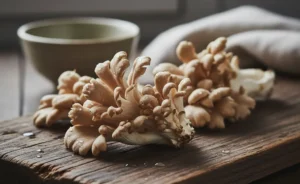
Many cultivators, from hobbyists to commercial growers, often grapple with inconsistent harvests or lower-than-expected production from their oyster mushroom setups. It’s a common frustration to invest time and resources into a grow, only to find the fruits of your labor don’t quite meet the desired volume or quality. This variability can stem from numerous factors, making it challenging to pinpoint exactly what needs adjustment to achieve a robust and reliable harvest. Understanding how to consistently achieve optimal oyster mushroom yield is crucial for both sustainability and profitability in cultivation. This guide explores the critical elements that influence productivity and provides actionable strategies to enhance your growing success.
Understanding Oyster Mushroom Yield
Oyster mushroom yield refers to the total weight of fruiting bodies harvested from a given amount of substrate over a cultivation cycle. This metric is a key indicator of a grow operation’s efficiency and success. A higher yield signifies a more productive system, which can translate to better profitability for commercial growers or a more satisfying harvest for hobbyists. Various factors influence this output, from the genetics of the mushroom strain to the environmental conditions maintained during the growth cycle. Comprehending these elements is fundamental to consistently achieving a desirable oyster mushroom yield.
Typical and Expected Yields
What constitutes a “good” oyster mushroom yield can vary significantly based on the scale of operation, cultivation methods, and specific oyster mushroom types being grown. For small-scale cultivators, even a modest output from a grow kit or a few substrate blocks can be rewarding. Commercial operations, however, target specific production metrics to ensure viability. Expected yields are often discussed in terms of biological efficiency or the ratio of mushroom weight to substrate weight, providing a standardized way to compare performance across different setups. These benchmarks help cultivators set realistic goals and assess their progress in improving productivity.
Yield per Pound of Substrate and Spawn
A common way to measure productivity is by calculating the oyster mushroom yield per pound of substrate. This metric helps cultivators understand how efficiently their grow medium is being converted into mushrooms. Similarly, the amount of spawn used in relation to the substrate can influence the speed of mycelial growth and subsequent fruiting. Optimizing the spawn rate ensures rapid colonization without wasteful expenditure. A higher yield per pound of substrate indicates effective nutrient utilization and favorable growing conditions, contributing to overall success.
Average Yield from Grain Substrate
Grain substrate is a popular choice for mushroom cultivation due to its nutritional content and ease of sterilization. When using grain-based grow medium, cultivators often observe robust mycelial growth and a healthy output of fruiting bodies. The average oyster mushroom yield from grain substrate can be quite impressive, especially when combined with a well-formulated substrate formula. However, achieving consistent results requires careful attention to the initial preparation, including proper sterilization and inoculation, to prevent contamination and support vigorous mushroom development.
Yield Performance of Different Oyster Mushroom Species
Not all oyster mushroom species produce the same yield. Different oyster mushroom types, such as Pleurotus ostreatus (pearl oyster), Pleurotus pulmonarius (phoenix oyster), or Pleurotus djamor (pink oyster), have distinct growth characteristics and environmental preferences. Some strains are known for their rapid growth and high productivity, while others may offer unique flavors or textures at a slightly lower output. Understanding the specific yield potential and cultivation parameters of various oyster mushroom species and strains is crucial for selecting the best option for a given cultivation goal.
Key Factors Influencing Oyster Mushroom Yield
Many elements collectively determine the final oyster mushroom yield. Among the most crucial are genetics, substrate composition, and environmental controls. The chosen species strain plays a significant role; some varieties are inherently more prolific than others. Equally important is the substrate type and preparation, as the nutrient content and water content directly fuel mycelial growth and the development of fruiting bodies. Furthermore, maintaining optimal grow room conditions, including precise humidity levels, a stable temperature range, and appropriate CO2 levels coupled with sufficient fresh air exchange (FAE), is essential for successful pinning and subsequent development of primordia into mature mushrooms. Even the cultivation practices, such as proper hydration and effective harvesting techniques, significantly impact the overall output.
Maximizing Oyster Mushroom Yield: Strategies and Techniques
To maximize oyster mushroom yield, a multi-faceted approach is required, focusing on optimizing every stage of the cultivation process. For a comprehensive guide on how to grow oyster mushrooms, start here. Beginning with Oyster Mushroom Species and Strain Selection, choosing high-performing, vigorous genetics is paramount. Next, the Substrate Type and Preparation are critical; using rich grow medium like Master’s Mix or a well-balanced sawdust substrate, and ensuring proper pasteurization or sterilization, provides a strong foundation for mycelial growth. During the spawn run, maintaining an ideal temperature and humidity facilitates rapid colonization. Once fruiting is initiated, careful management of Environmental Conditions, including precise humidity levels, an appropriate temperature range, and consistent Fresh Air Exchange (FAE) to manage CO2 levels, encourages healthy pinning and development of fruiting bodies. Proper hydration of the blocks and timely, Effective Harvesting Techniques also play a significant role in encouraging subsequent flush yield and extending the productivity of the cultivation blocks.
Measuring and Tracking Oyster Mushroom Yield
Effective measurement and tracking of oyster mushroom yield are indispensable for identifying successful strategies and troubleshooting low yields. Consistent record-keeping allows cultivators to analyze the impact of different variables, such as substrate formulas, environmental conditions, or species strains, on overall productivity. This data-driven approach helps in making informed decisions to refine cultivation practices and continuously improve output. Without accurate measurement, it becomes challenging to quantify improvements or pinpoint areas needing adjustment.
How Mushroom Yield is Measured
Mushroom yield is typically measured by weighing the harvested fruiting bodies. This can be done after each flush, providing data on “flush yield,” or cumulatively over the entire production cycle of a block or bag. The harvest weight is usually recorded in grams or pounds per block, bag yield, or bucket yield. Some cultivators also track yield per square foot or square meter of growing space to assess space utilization efficiency. Detailed records should include the date of harvest, the weight of mushrooms collected, and any relevant observations about the quality or size of the fruiting bodies. This meticulous approach to tracking yield is vital for understanding growth patterns and optimizing future harvests. For general health information and advice, resources like the NHS can be consulted.
Using an Oyster Mushroom Yield Calculator
An oyster mushroom yield calculator can be a valuable tool for cultivators to estimate and track their productivity. While not a physical device, this refers to a method or spreadsheet used to input variables such as substrate weight, spawn weight, and harvested mushroom weight to compute key metrics like biological efficiency or yield per pound of substrate. By consistently using such a tool, growers can easily compare the performance of different batches, substrate formulas, or cultivation parameters. It simplifies the process of assessing productivity and helps in setting realistic targets for future oyster mushroom yield.
Biological Efficiency and Oyster Mushroom Yield
Biological Efficiency (BE) is a crucial metric in mushroom cultivation that provides a standardized way to assess the conversion rate of a substrate into mushrooms. It directly relates to oyster mushroom yield by expressing the harvested mushroom weight as a percentage of the dry substrate weight. A high biological efficiency indicates that the cultivation process is effectively utilizing the nutrients in the grow medium to produce fruiting bodies. Understanding and maximizing BE is central to achieving high output and ensuring the economic viability of a mushroom farm.
Calculating Biological Efficiency for Oyster Mushrooms
Calculating biological efficiency for oyster mushrooms involves a simple formula: (Fresh weight of harvested mushrooms / Dry weight of substrate) x 100%. To perform this calculation accurately, it’s essential to know the dry weight of the substrate before inoculation. This typically means drying a small sample of the prepared substrate and weighing it. Over time, tracking the biological efficiency of different blocks, substrate formulas, or grow cycles can provide valuable insights into which cultivation parameters are most effective. This data-driven approach allows cultivators to continually refine their methods, optimize nutrient content, and ultimately improve their overall oyster mushroom yield.
Achieving a consistently high oyster mushroom yield is a journey of continuous learning and refinement. By understanding the intricate interplay of genetics, substrate, and environmental conditions, cultivators can implement targeted strategies to enhance their productivity. Meticulous measurement and tracking through tools like yield calculators and biological efficiency calculations provide the data necessary to troubleshoot issues and fine-tune cultivation practices. With a commitment to optimizing each stage of the growth cycle, from initial inoculation to careful harvesting, growers can significantly improve their success and enjoy abundant harvests.
Readers should understand that this article does not offer medical diagnosis or treatment. The information provided is for educational and informational purposes related to oyster mushroom cultivation practices only. It is not intended as a substitute for professional advice in agriculture, mycology, or any other related field. Always consult with qualified experts for specific guidance regarding cultivation techniques or potential health concerns related to mushroom consumption.
FAQ
— What is a good oyster mushroom yield per block?
A successful oyster mushroom yield from a cultivation block is largely influenced by factors like the specific strain chosen, the quality and type of substrate used, and the precision of environmental controls such as humidity and temperature. Optimizing these conditions allows the mycelium to efficiently convert the substrate’s nutrients into mushroom biomass. Growers continually work to enhance their practices to achieve higher returns from each block.
— What is the biological efficiency for oyster mushrooms?
Biological efficiency for mushrooms is a metric that expresses the fresh weight of harvested mushrooms as a percentage of the dry weight of the substrate before inoculation. This calculation helps cultivators understand how effectively a particular mushroom strain transforms the nutrients in its growing medium into fruiting bodies. It is a crucial indicator for assessing the productivity and resource utilization of a mushroom cultivation system.