As the aroma of garlic and herbs filled the kitchen, a young expectant mother, Sarah, carefully sliced a cluster of delicate oyster mushrooms. She loved experimenting with new recipes, but now, with a baby on the way, every ingredient choice felt more significant. Her doctor had emphasized nutrient-rich foods, and she wondered if this versatile fungus could be a safe and beneficial addition to her diet. This thought often leads many future parents to question the safety and benefits of incorporating various foods into their regimen, especially novel ones. Understanding the specific health considerations surrounding an oyster mushroom for pregnancy is crucial for making informed dietary choices. This guide explores the safety profile, nutritional advantages, and practical advice for expectant mothers considering this culinary delight, ensuring peace of mind during this special time.
Oyster Mushroom for Pregnancy: Safety and Consumption Guidelines
When considering an oyster mushroom for pregnancy, safety is naturally a top concern for expectant mothers. Fortunately, edible mushrooms, including oyster varieties, are generally recognized as safe for consumption during pregnancy when properly handled and cooked. The key lies in selecting commercially sourced mushrooms and ensuring they are thoroughly prepared to eliminate any potential risks. General mushroom safety for pregnant women emphasizes avoiding wild-foraged mushrooms due to the risk of misidentification and potential toxicity. Focusing on well-known, cultivated varieties helps ensure a safe culinary experience.
For further reliable health information, resources from the NIH are highly recommended.
Current Consensus on Oyster Mushroom Consumption
The current consensus among health and food safety experts suggests that cultivated mushrooms, such as oyster mushrooms, are a safe and nutritious addition to a pregnancy diet. These mushrooms are not typically associated with specific pregnancy risks when consumed in moderation as part of a balanced diet. The main precaution relates to food safety practices, similar to other fresh produce. Distinguishing safe versus unsafe mushroom types is paramount, making cultivated varieties the preferred choice for pregnant women over potentially hazardous wild mushrooms.
Oyster Mushroom Consumption by Trimester
There are generally no specific trimester-based restrictions on consuming oyster mushrooms, provided they are safely prepared. The nutritional benefits, such as vitamins and minerals, are beneficial throughout all stages of maternal health and fetal development. Whether in the first, second, or third trimester, thoroughly cooked oyster mushrooms can contribute to a healthy eating pattern. Consistent food safety practices, including proper sourcing and cooking, should be maintained throughout the entire pregnancy.
Best Oyster Mushroom Varieties for Pregnancy
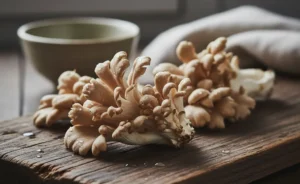
Several varieties of oyster mushrooms are commonly cultivated and widely available, all generally considered safe for consumption during pregnancy. These include pearl oyster, king oyster, and pink oyster mushrooms. These varieties offer similar nutritional profiles and can be incorporated into various dishes. The focus should always be on purchasing fresh, firm mushrooms from reputable sources to ensure quality and minimize any potential food safety concerns. Always visually inspect them for freshness before consumption.
Nutritional Benefits of Oyster Mushrooms for Expectant Mothers
Incorporating an oyster mushroom for pregnancy can offer several nutritional advantages that support both maternal health and fetal development. These fungi are packed with essential vitamins and minerals, making them a valuable addition to a balanced diet during this critical period. They are particularly known for their B vitamins, including niacin, riboflavin, and pantothenic acid, which play roles in energy metabolism. Oyster mushrooms also provide dietary fiber, aiding digestion and potentially alleviating common pregnancy discomforts like constipation. They contribute to immune support, which is important for expectant mothers.
Further details on overall oyster mushroom benefits can be explored.
Beyond vitamins, oyster mushrooms contain important minerals such as potassium, copper, iron, and zinc. Iron is crucial for preventing anemia during pregnancy, while potassium helps maintain healthy blood pressure. The presence of antioxidants further contributes to cellular health, protecting against oxidative stress. While not a primary source, oyster mushrooms can also contribute to protein intake, which is vital for the growth and repair of tissues for both the mother and the developing baby. Their nutrient density makes them a smart choice for enhancing overall nutrition.
Beyond these, some research points to oyster mushroom benefits for skin and hair.
Potential Considerations and Precautions for Pregnant Women
While generally safe, there are some potential considerations and precautions regarding an oyster mushroom for pregnancy. As with any food, individual sensitivities or allergic reactions can occur, though they are rare with common cultivated mushrooms. Pregnant women should pay close attention to how their body reacts to new foods. Ensuring proper food safety from sourcing to cooking is paramount to avoid any potential health issues. Adhering to strict consumption guidelines helps to mitigate any potential pregnancy risks.
Expectant mothers might also wonder about the use of oyster mushroom for specific conditions.
Guidelines for Safe Preparation and Sourcing
Safe preparation and sourcing are critical when including oyster mushrooms in a pregnancy diet. Always purchase oyster mushrooms from reputable grocery stores or markets to ensure they are cultivated and fresh. Avoid foraging for wild mushrooms unless you are an expert mycologist, as misidentification can lead to severe health consequences. Before cooking, thoroughly clean the mushrooms by gently wiping them with a damp cloth or briefly rinsing them under cool water and patting them dry. This removes any dirt or debris, which is an important step in safe food handling for expectant mothers.
Importance of Thorough Cooking
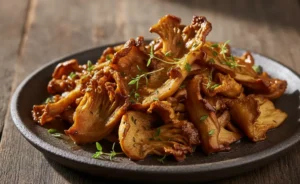
Thorough cooking is perhaps the most important precaution when consuming oyster mushrooms, or any mushrooms, during pregnancy. Raw mushrooms can be difficult to digest and may harbor bacteria or other contaminants. Cooking mushrooms to a high temperature ensures that any potential pathogens are destroyed and makes their nutrients more bioavailable. Whether sautéed, roasted, grilled, or added to soups and stews, oyster mushrooms should be cooked until tender and heated through. Undercooked or raw mushrooms should always be avoided by pregnant women to ensure maximum food safety.
How to Incorporate Oyster Mushrooms into a Pregnancy Diet
Integrating an oyster mushroom for pregnancy into daily meals can be both delicious and nutritious. Their mild flavor and versatile texture make them suitable for a wide range of dishes, adding an earthy depth without overpowering other ingredients. The key is to think about how they can complement existing healthy eating patterns and contribute to a balanced pregnancy diet. With a little creativity, expectant mothers can enjoy the benefits of these mushrooms regularly.
Simple Recipe Ideas
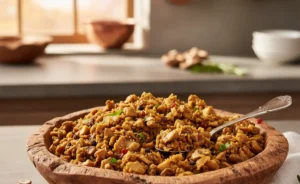
Oyster mushrooms can be easily added to many simple and satisfying meals. For breakfast or brunch, they can be sautéed and folded into omelets or scrambled eggs, pairing well with spinach or other greens. They make an excellent addition to stir-fries with lean protein and plenty of colorful vegetables for a quick and nutritious lunch or dinner. Consider adding them to pasta sauces, risottos, or grain bowls for extra flavor and fiber. They can also be roasted with herbs as a side dish or simmered in a comforting soup or stew, providing a delightful texture and absorbing flavors beautifully.
Tips for Enjoying Safely and Deliciously
To enjoy oyster mushrooms safely and deliciously, always prioritize proper cooking and hygiene. Pair them with other nutrient-rich foods such as whole grains, lean proteins, and a variety of vegetables to maximize nutritional intake. Start with small portions if you are introducing them to your diet for the first time, to ensure no unexpected sensitivities. Remember that moderation is key in all aspects of a healthy pregnancy diet. By following these simple tips, pregnant women can confidently and enjoyably incorporate oyster mushrooms into their meals, adding a beneficial and tasty component to their diet.
For those interested in other dietary applications, the role of oyster mushroom for weight loss is also discussed elsewhere.
It is important to note that this content is not intended as medical advice. The information provided is for general knowledge and informational purposes only, and does not constitute medical advice, diagnosis, or treatment. Always seek the advice of a qualified healthcare professional for any questions you may have regarding a medical condition or before making any dietary changes, especially during pregnancy. Never disregard professional medical advice or delay in seeking it because of something you have read here.
FAQ
— Are oyster mushrooms safe to eat during pregnancy?
Cooked oyster mushrooms are generally considered safe for consumption during pregnancy, similar to many other commonly eaten culinary mushrooms. It is always prudent to ensure any food is thoroughly cooked and part of a balanced diet.
— What are the health benefits of oyster mushrooms for pregnant women?
Oyster mushrooms are recognized for their nutritional profile, providing vitamins, minerals, and dietary fiber that support overall well-being. These nutrients are valuable for a balanced intake, which is an important consideration during pregnancy, and the general nutritional contribution of oyster mushroom for pregnancy can be a welcome addition to a varied diet.
— Can pregnant women consume raw oyster mushrooms?
Consuming raw mushrooms, including oyster mushrooms, is generally not recommended for anyone, especially during pregnancy. Cooking helps break down chitin, making nutrients more accessible, and eliminates potential pathogens.
— Are there any risks associated with eating oyster mushrooms while pregnant?
As with any food, individual sensitivities or allergies can occur when consuming oyster mushrooms. Ensuring thorough cooking minimizes the risk of foodborne illness, which is a key consideration for pregnant individuals.
— How should oyster mushrooms be prepared for pregnant consumption?
Thoroughly cooking oyster mushrooms until tender is the recommended preparation method for pregnant women. This ensures optimal digestibility and helps eliminate any potential contaminants, making them a safe and nutritious dietary component.