Just as preparing a nursery requires careful thought to ensure everything is safe and beneficial for a new arrival, navigating dietary choices during pregnancy demands similar diligence. Expectant mothers often face questions about which foods are safe and nutritious, especially when considering less conventional options like certain fungi. Among the various types, the oyster mushroom stands out for its unique flavor and nutritional profile. Understanding the safety, benefits, and best practices for consuming oyster mushroom for pregnancy is essential for making informed dietary decisions. This article explores comprehensive guidelines to help integrate this versatile ingredient responsibly into an expectant mother’s diet, ensuring both maternal well-being and fetal development.
Oyster Mushroom for Pregnancy: Safety and Consumption Guidelines
Ensuring food safety is a top priority for expectant mothers. When considering oyster mushroom for pregnancy, it’s important to understand the general consensus and best practices for consumption. Unlike some wild varieties, commercially cultivated oyster mushrooms are generally regarded as safe for consumption, provided they are prepared correctly.
Current Consensus on Oyster Mushroom Consumption
Most culinary mushrooms, including the widely available oyster mushroom, are considered safe for pregnant women when purchased from reputable sources and properly cooked. The key distinction lies between safe, cultivated varieties and potentially toxic wild mushrooms. Expectant mothers should always avoid foraging for mushrooms due to the significant risk of misidentification, which could lead to serious health complications. Focusing on known, cultivated types helps mitigate potential pregnancy risks associated with foodborne illnesses or toxic substances. For general health information and advice, you can also refer to reliable sources like the NHS.
Oyster Mushroom Consumption by Trimester
There is no specific guidance that suggests varying levels of oyster mushroom consumption by trimester. General food safety principles apply throughout all stages of pregnancy. Consistent with overall healthy eating, moderation and variety are recommended. Expectant mothers can incorporate oyster mushrooms into their diet at any trimester, provided they follow standard food preparation and cooking guidelines.
Guidelines for Safe Preparation and Sourcing
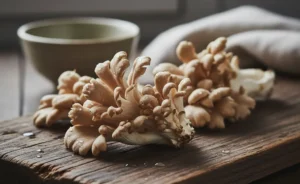
Safe sourcing begins with purchasing oyster mushrooms from reliable grocery stores or farmers’ markets. Look for mushrooms that are firm, free from blemishes, and have a fresh appearance. Upon bringing them home, store them in a paper bag in the refrigerator to maintain freshness and prevent moisture buildup. Before cooking, gently wipe the mushrooms clean with a damp cloth or a soft brush. Avoid soaking them in water, as they can absorb liquid and become soggy.
Importance of Thorough Cooking
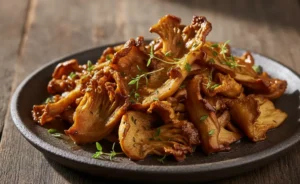
Thorough cooking is paramount for all mushrooms, especially for pregnant women. Raw mushrooms, regardless of type, may contain certain compounds or be harder to digest, and they also carry a higher risk of bacterial contamination. Cooking oyster mushrooms ensures that any potential pathogens are destroyed and makes their nutrients more bioavailable. Aim for a cooked texture that is tender and fully heated through, whether sautéed, roasted, or added to soups and stews.
Nutritional Benefits of Oyster Mushrooms for Expectant Mothers
Oyster mushrooms are not only a versatile culinary ingredient but also a source of various nutrients that can support maternal health during pregnancy. The rich nutritional profile of oyster mushroom for pregnancy can contribute to a balanced diet, offering several benefits of oyster mushrooms for expectant mothers.
These mushrooms contain essential vitamins and minerals crucial for both the mother and the developing fetus. They are a good source of B vitamins, particularly niacin and riboflavin, which play roles in energy metabolism. They also provide minerals like potassium, copper, and phosphorus. Furthermore, oyster mushrooms offer dietary fiber, which can aid in digestion and help manage common pregnancy discomforts such as constipation. Their protein content, while not as high as animal sources, contributes to overall protein intake, vital for fetal development and maternal tissue repair. Beyond pregnancy, many explore oyster mushroom benefits for skin and hair.
Beyond macronutrients, oyster mushrooms contain antioxidants that may help protect cells from oxidative stress. Some studies suggest a potential for immune support, which is beneficial for expectant mothers whose immune systems undergo changes during pregnancy. Incorporating these mushrooms can therefore be a nutritious addition to a diverse pregnancy diet, supporting various bodily functions without relying on single nutrient sources.
Potential Considerations and Precautions for Pregnant Women
While oyster mushrooms are generally considered safe for pregnant women when properly prepared, it is always prudent to be aware of potential considerations and take necessary precautions. Ensuring the well-being of both the expectant mother and fetal development is paramount.
One primary concern for any new food introduced during pregnancy is the possibility of an allergic reaction. Although mushroom allergies are not exceedingly common, they can occur. Symptoms might include skin rashes, digestive upset, or respiratory issues. If an expectant mother has a known mushroom allergy or experiences any adverse symptoms after consuming oyster mushrooms, she should discontinue use immediately and consult a healthcare professional. Similarly, individuals with sensitive digestive systems might experience mild discomfort, such as gas or bloating, when consuming mushrooms due to their fiber content. Starting with small portions can help assess individual tolerance. For general health, exploring oyster mushroom for specific conditions can also be a topic of interest, but always with medical guidance.
It is crucial to emphasize that this article provides general information. Any specific health concerns, dietary restrictions, or existing medical conditions should always be discussed with a doctor or a registered dietitian. They can provide personalized advice tailored to an individual’s health profile and ensure that adding oyster mushroom for pregnancy aligns with a safe and healthy pregnancy diet plan. Avoiding raw mushrooms and ensuring thorough cooking eliminates most food safety concerns, but personal health considerations should always guide dietary choices during this critical period.
How to Incorporate Oyster Mushrooms into a Pregnancy Diet
Integrating oyster mushrooms into a pregnancy diet can be both delicious and nutritious, offering a range of flavors and textures to meals. With proper preparation, expectant mothers can safely enjoy the benefits of these versatile fungi.
Best Oyster Mushroom Varieties for Pregnancy
Several varieties of oyster mushrooms are widely available and suitable for consumption during pregnancy, including pearl oyster mushrooms, king oyster mushrooms, and pink oyster mushrooms. The key is to choose fresh, cultivated mushrooms from reliable sources. While their flavors and textures vary slightly, all common varieties offer similar nutritional benefits when cooked thoroughly. There isn’t one “best” variety specifically for pregnancy; rather, the best choice depends on personal preference and availability, always prioritizing freshness and proper handling.
Simple Recipe Ideas
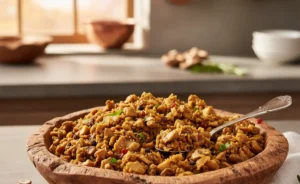
Oyster mushrooms can be easily incorporated into a variety of dishes. For a quick and healthy side, they can be sautéed with garlic and a touch of olive oil until tender. They also make an excellent addition to stir-fries with other pregnancy-friendly vegetables and lean protein, offering a meaty texture. Adding cooked oyster mushrooms to soups, stews, or pasta sauces can boost their nutritional value and add an umami depth. They can also be roasted with herbs for a flavorful accompaniment to a main meal. Always ensure all ingredients are fully cooked and handled hygienically.
Tips for Enjoying Safely and Deliciously
To safely and deliciously enjoy oyster mushrooms during pregnancy, always remember to cook them thoroughly until they are soft and heated through. Avoid raw or undercooked mushrooms. Consider pairing them with ingredients rich in vitamin C, as this can enhance the absorption of certain minerals, like iron, found in mushrooms. Experiment with different seasonings and cooking methods to find what you enjoy most. Listening to your body and ensuring proper hygiene in the kitchen are key to a healthy and enjoyable culinary experience. Some individuals also consider oyster mushroom for weight loss, though its primary role in pregnancy is nutritional support.
The information presented in this article is educational and not meant as professional medical counsel. It is intended to provide general knowledge and understanding of the safety and benefits of oyster mushrooms during pregnancy. Always consult with a qualified healthcare provider or a registered dietitian for personalized medical advice regarding your specific health needs and dietary choices during pregnancy. This content does not replace the advice of medical professionals.
FAQ
— Are oyster mushrooms safe to eat during pregnancy?
Oyster mushrooms are generally recognized as a safe and nutritious culinary mushroom, commonly included in diverse diets. As with any food consumed during pregnancy, ensuring proper handling, cleaning, and cooking practices is important for maintaining food safety.
— What are the health benefits of oyster mushrooms for pregnant women?
Oyster mushrooms offer a range of beneficial nutrients, including B vitamins, essential minerals like iron and zinc, and dietary fiber, which all play a role in supporting general well-being. These components are relevant to various bodily functions and can contribute to a balanced nutritional intake, making oyster mushroom for pregnancy a valuable part of a varied diet.
— Can pregnant women consume raw oyster mushrooms?
It is generally recommended that pregnant individuals avoid consuming raw or undercooked foods, including mushrooms. Thoroughly cooking oyster mushrooms helps to eliminate any potential foodborne pathogens, ensuring they are safe to eat.
— Are there any risks associated with eating oyster mushrooms while pregnant?
When properly prepared and cooked, oyster mushrooms pose no specific risks beyond those associated with any food item, such as potential individual allergic reactions. The main consideration is ensuring complete cooking to prevent foodborne illnesses, which is a general recommendation for all pregnant individuals.
— How should oyster mushrooms be prepared for pregnant consumption?
For pregnant consumption, oyster mushrooms should always be cooked thoroughly until tender and heated through. This process ensures the elimination of any potential harmful bacteria and enhances digestibility. Common methods include sautéing, roasting, or simmering them in soups and stews.